
The Windmill at Wijk bij Duurstede — History & Facts
A cylindrical windmill rises high above the riverbank, its sails angled sharply against a sky filled with heavy, shifting clouds. The structure stands on a broad, elevated base, dominating the right side of the scene and casting a shadow over the surrounding greenery. To the right of the windmill, a red-roofed building and the silhouette of a church tower mark the edge of the town of Wijk bij Duurstede.
A narrow road curves along the bank, where three women in white caps and dark skirts walk together, their figures small against the vast landscape. In the right foreground, two circular millstones rest on the ground near a patch of reeds and a wooden fence that lines the shore. The river, painted with delicate ripples and subtle reflections, stretches across the left side, where two sailing boats glide past, their white sails catching the light.
Further back, two tall masts rise behind a bend in the stream, and the distant horizon is softened by the green of trees and fields. The sky is a dramatic expanse of blue and grey, with clouds rendered in thick, textured brushstrokes that suggest movement and changing weather. Light breaks through the clouds, illuminating parts of the windmill and water, and creating sharp contrasts between sunlit areas and deep shadow.
The composition is carefully balanced, with the vertical mass of the windmill set against the horizontal sweep of river and sky, and every detail—down to the piles along the bank and the reeds in the foreground—painted with remarkable precision. Jacob van Ruisdael created this view of Wijk bij Duurstede around 1670, focusing on the town’s riverside setting and the imposing windmill known as the Binnen korenmolen. The Windmill at Wijk bij Duurstede was once owned by Adriaan van der Hoop, who bequeathed it to the Amsterdam Museum in 1854. Since 1885, it has been on loan to the Rijksmuseum, where it remains a popular highlight.
The Rijksmuseum notes that the work entered its collection as part of the A. van der Hoop Bequest from the City of Amsterdam. Jacob van Ruisdael is known for his landscapes, and this painting stands out for its dramatic composition, atmospheric effects, and meticulous rendering of natural and architectural forms.
Sources: Rijksmuseum, record SK-C-211 · Wikidata Q2881603 · Wikipedia: Windmill at Wijk bij Duurstede
More Artworks by Jacob Isaacksz van Ruisdael

View of Haarlem from the Northwest, with the Bleaching Fields in the Foreground
Jacob Isaacksz van Ruisdael
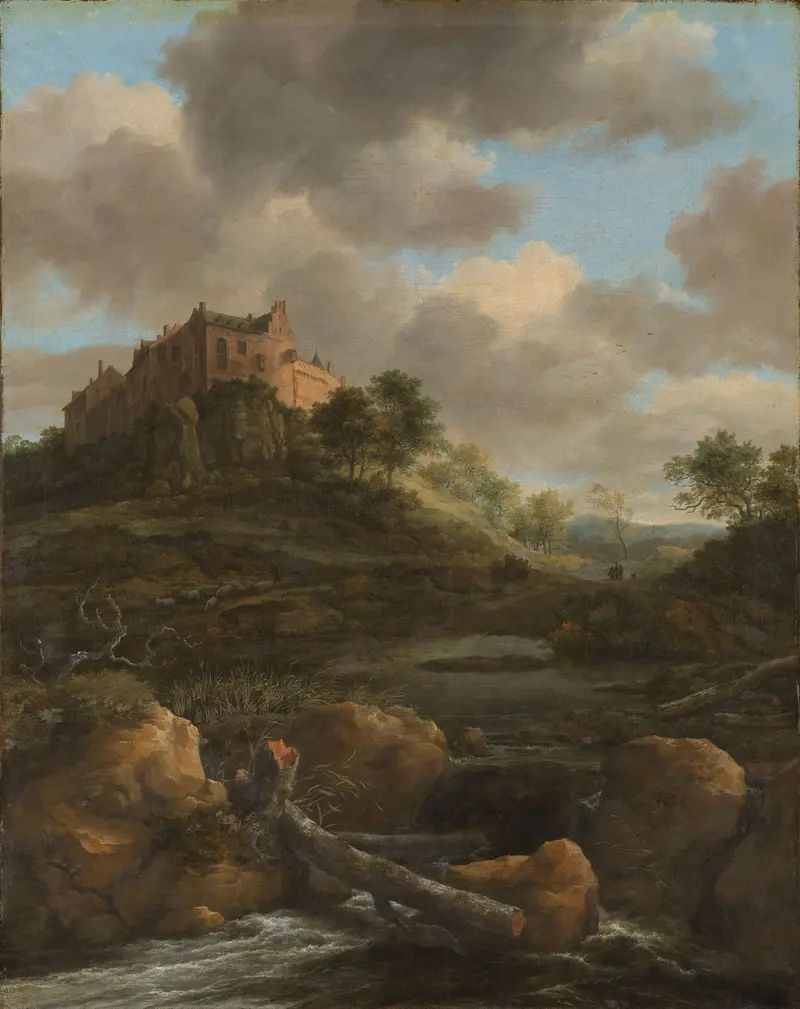
Bentheim Castle
Jacob Isaacksz van Ruisdael
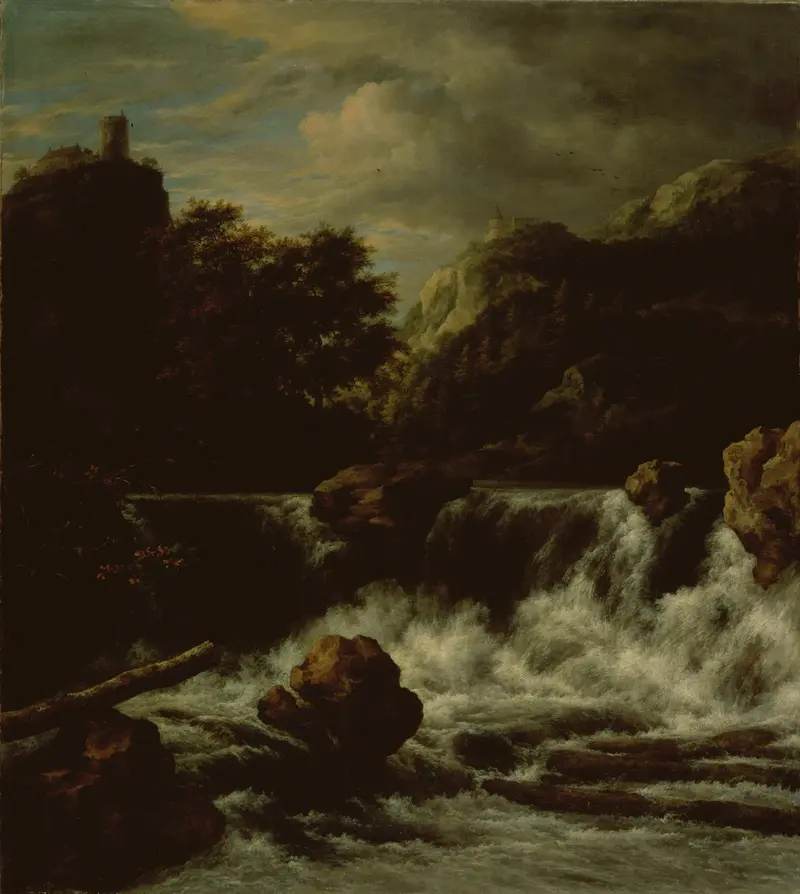
Mountainous Landscape with Waterfall
Jacob Isaacksz van Ruisdael
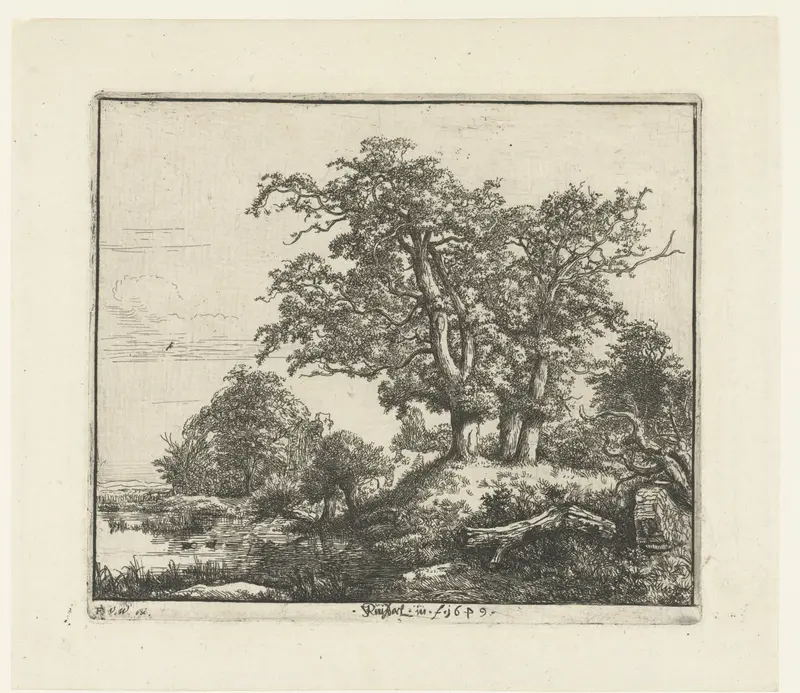
De drie eiken
Jacob Isaacksz van Ruisdael
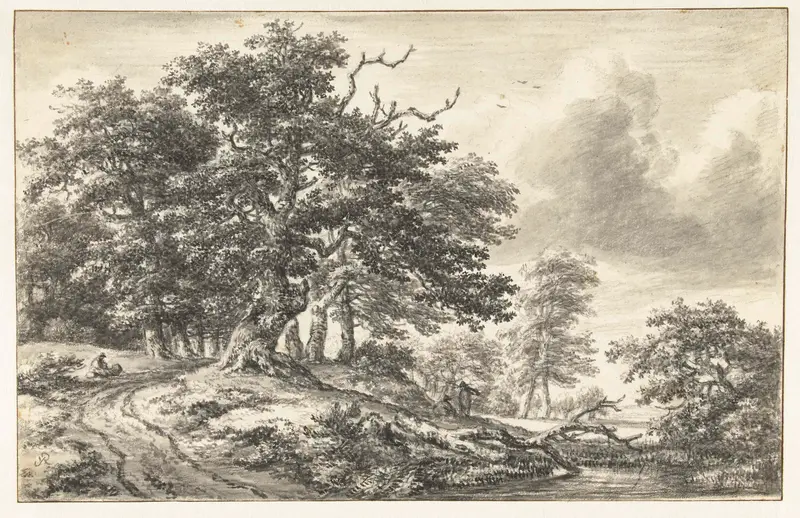
Wooded Landscape with a Pond
Jacob Isaacksz van Ruisdael
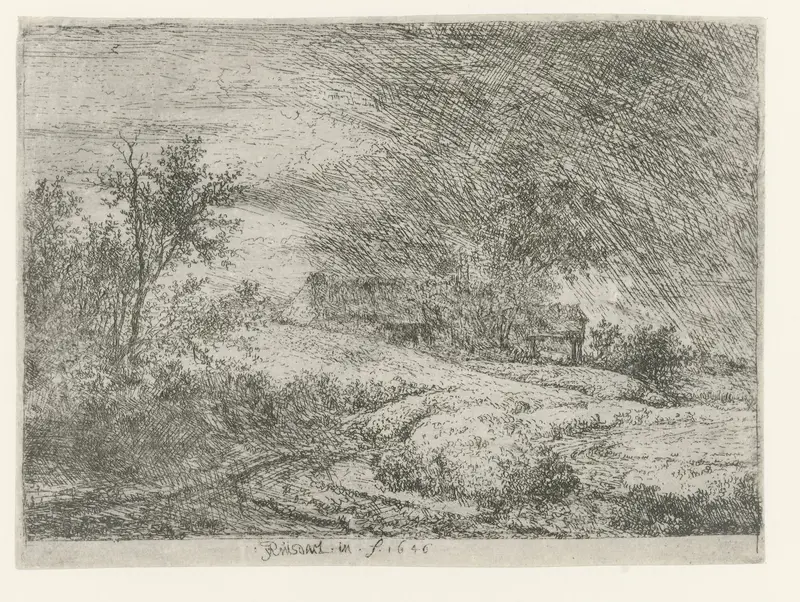
Landschap met een boerderij
Jacob Isaacksz van Ruisdael
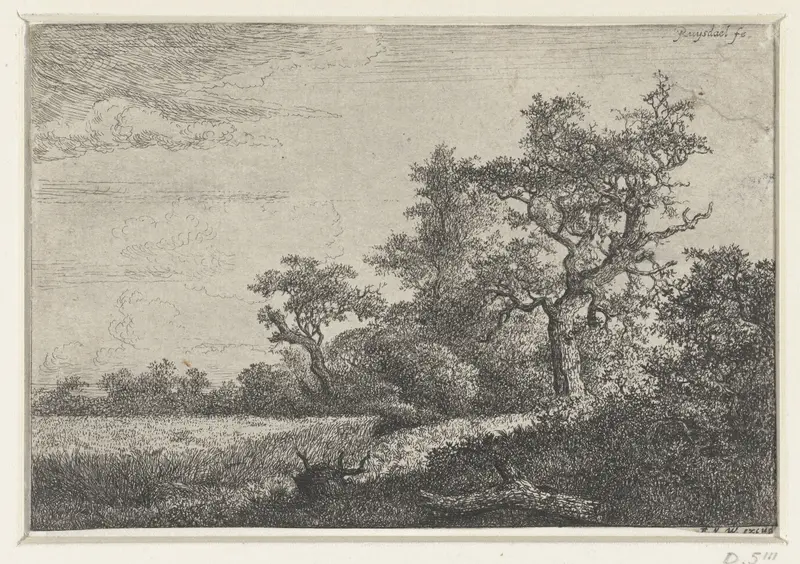
Het korenveld
Jacob Isaacksz van Ruisdael
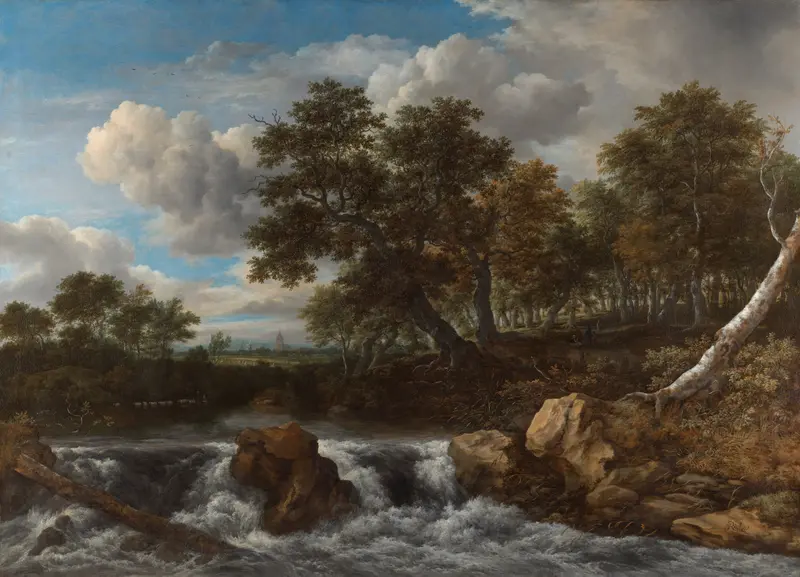
Landscape with Waterfall
Jacob Isaacksz van Ruisdael
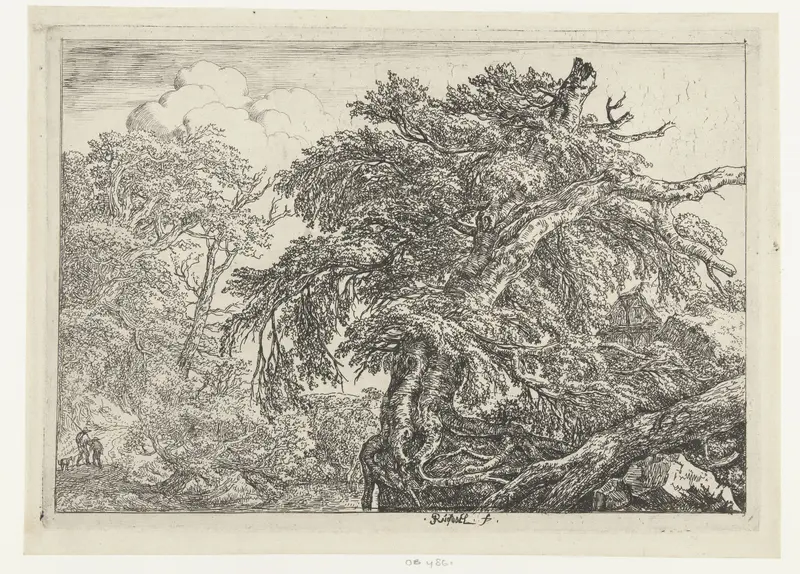
De grote beuk
Jacob Isaacksz van Ruisdael
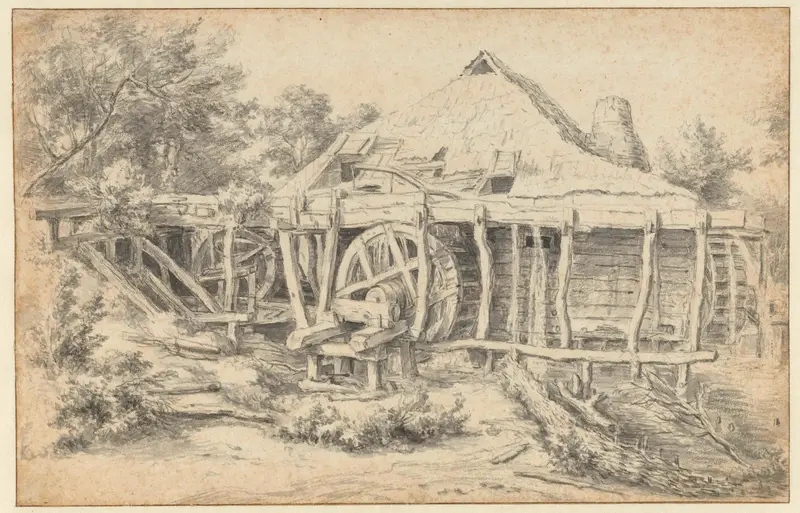
View of a Watermill
Jacob Isaacksz van Ruisdael
More Landscape Art

The Starry Night
Vincent van Gogh

View of Delft
Johannes Vermeer

Water Lilies
Claude Monet

The Grand Canal, Venice, looking north-west from the Ca' Corner to the Ca' Contarini degli Scrigni, with the campanile of Santa Maria della Carità
Canaletto

Windsor Castle
Canaletto

The Grand Canal looking North-East from the Palazzo Dolfin-Manin to the Rialto Bridge
Canaletto