View of a Watermill — History & Analysis
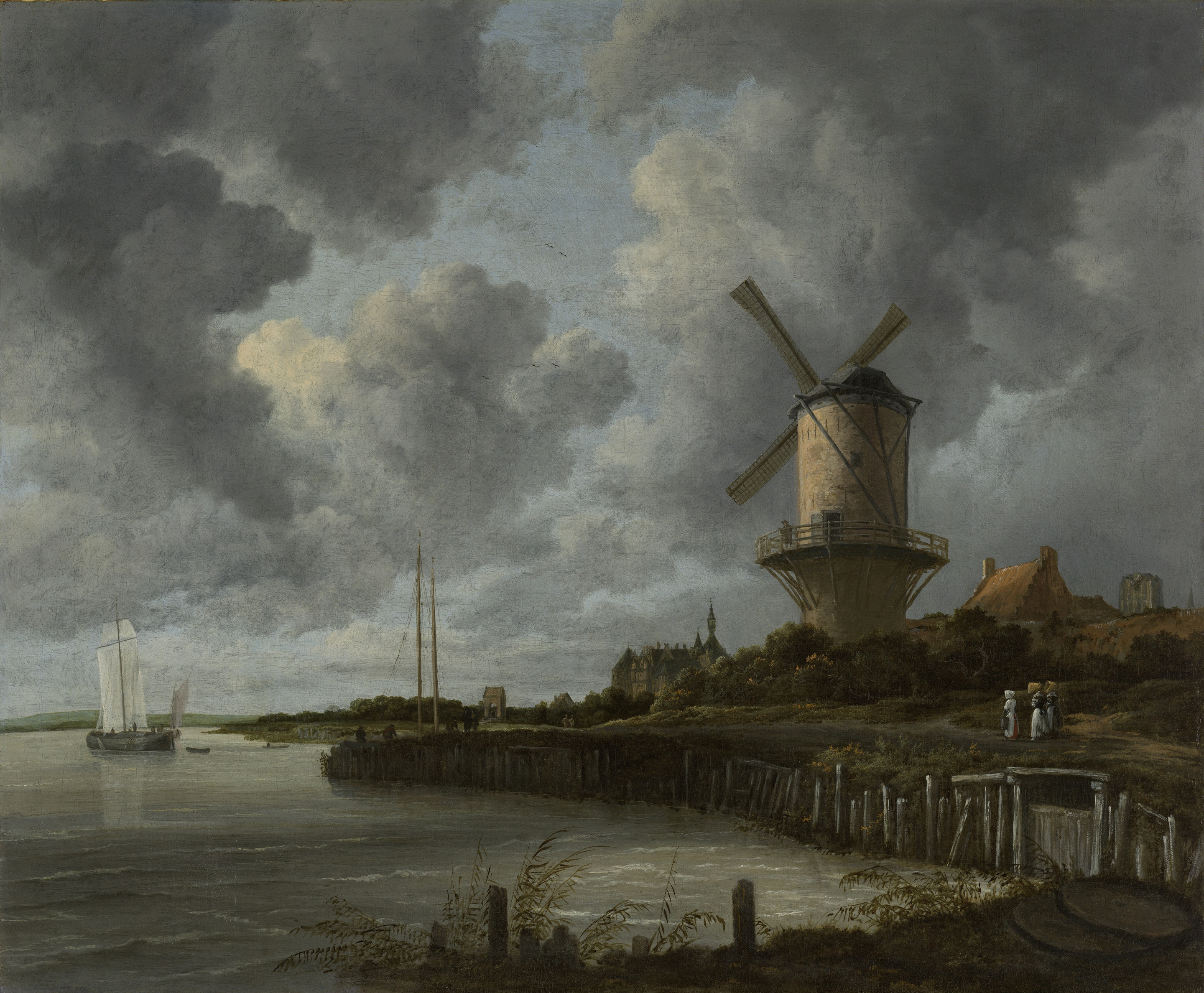
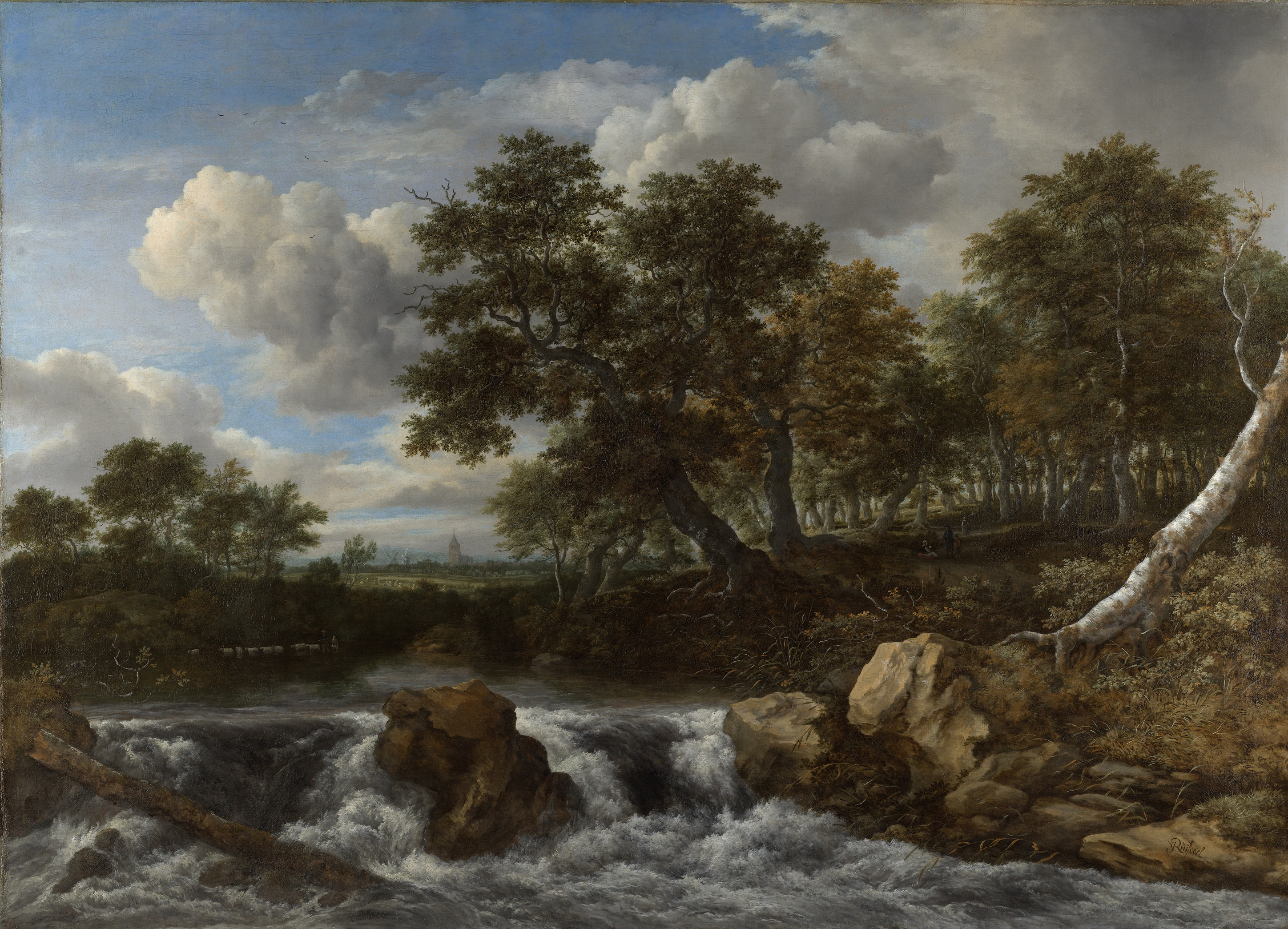
What if beauty was never meant to be finished? In the tranquil embrace of nature, the fleeting moments of life unfold, inviting us to linger in their richness. Look to the left at the towering watermill, a testament to both nature's power and humanity's ingenuity. Its weathered wooden structure stands resolute against the soft, rippling water that flows beneath it. Notice how the artist employs a delicate palette of greens and browns, creating a harmonious blend that immerses the viewer in the lush setting.
The light dances across the surface of the water, illuminating the scene and guiding your eye to the gentle movement of the clouds above, hinting at a world ever in motion. Delve deeper into the canvas, and you’ll discover the interplay of tranquility and activity. The mill, though still, suggests a rhythmic cycle of labor and rest, while the distant figures hint at human presence. The clouds loom heavy, yet they do not threaten; rather, they symbolize the passage of time—a reminder that beauty often lies in the ephemeral.
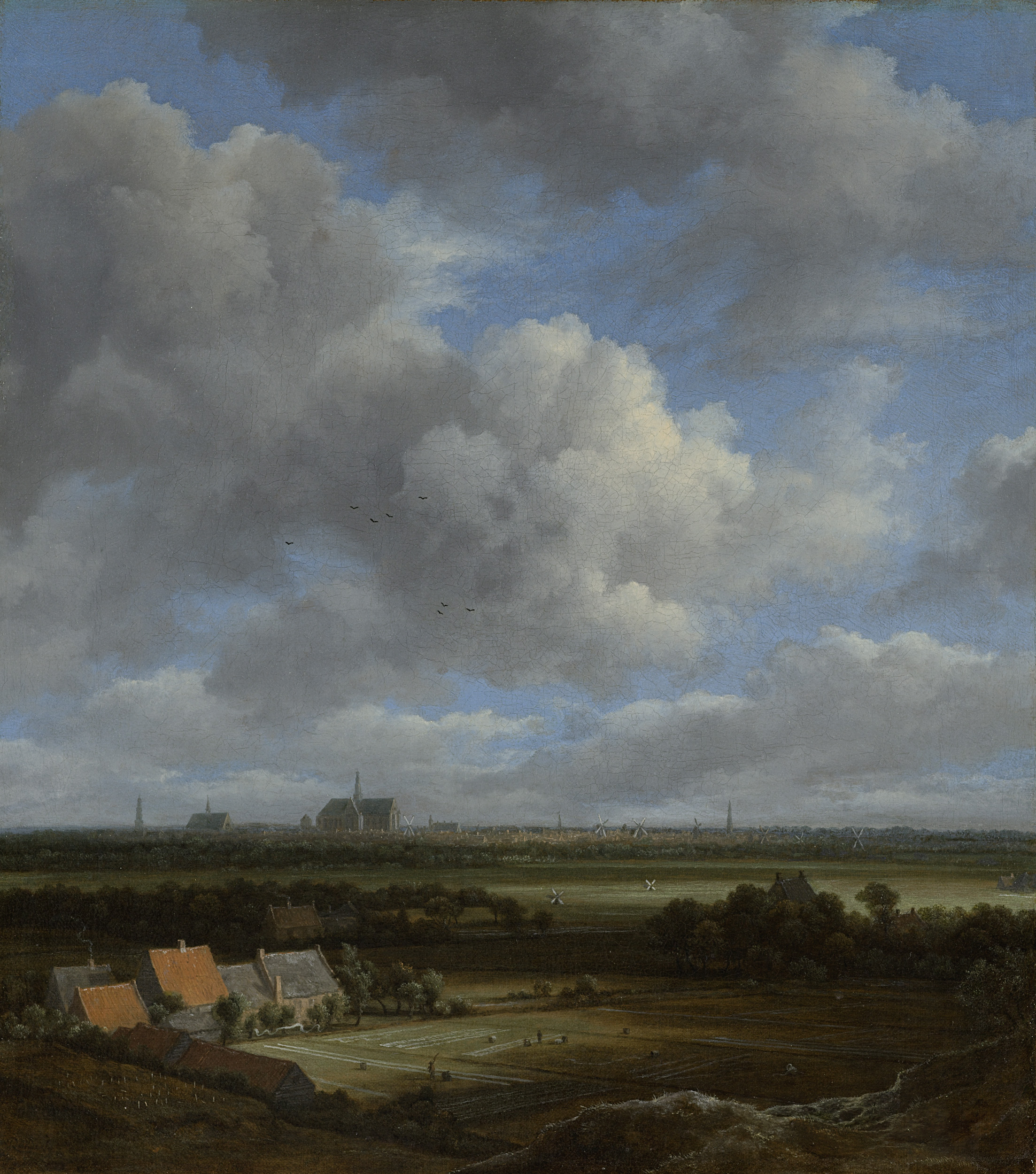
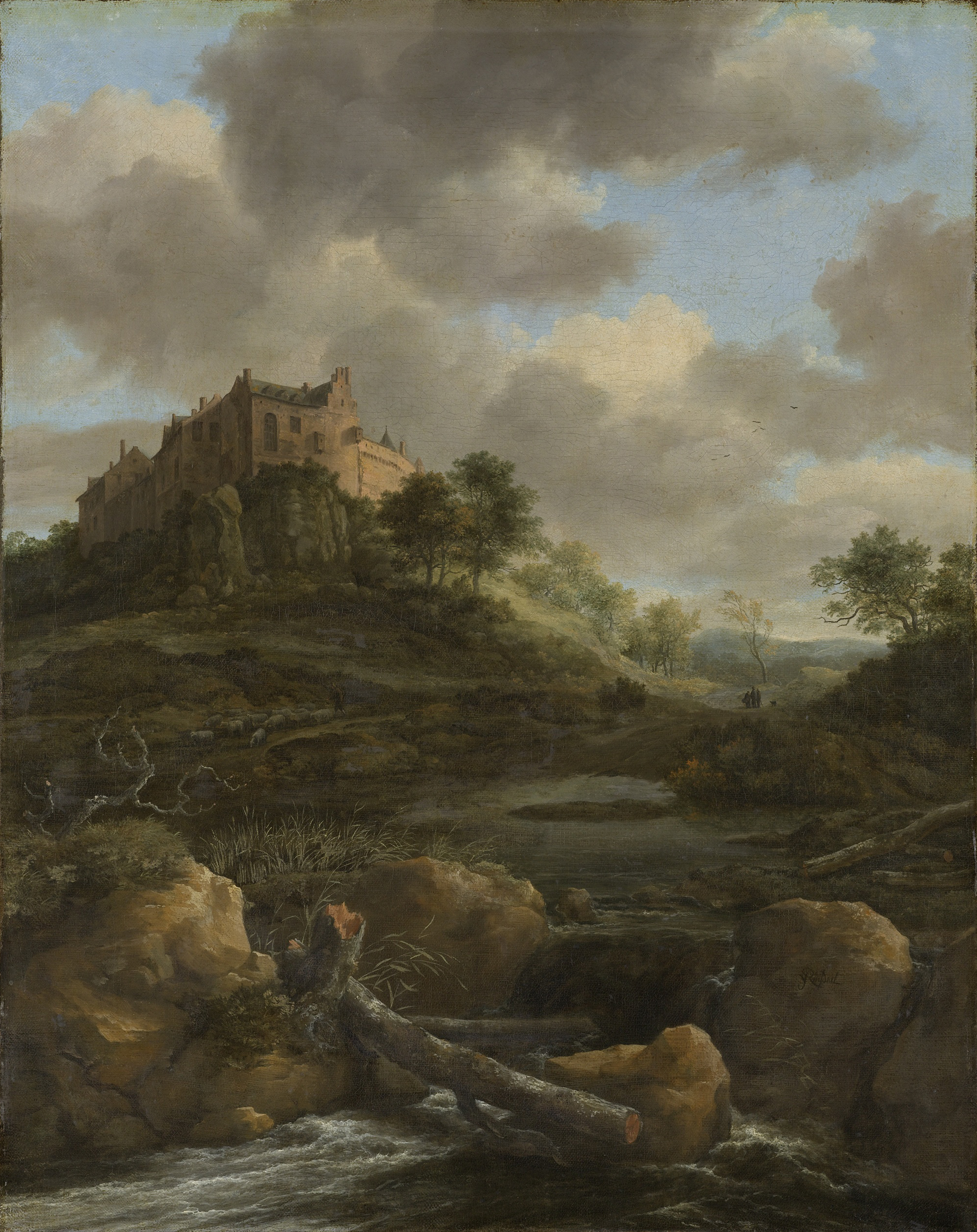
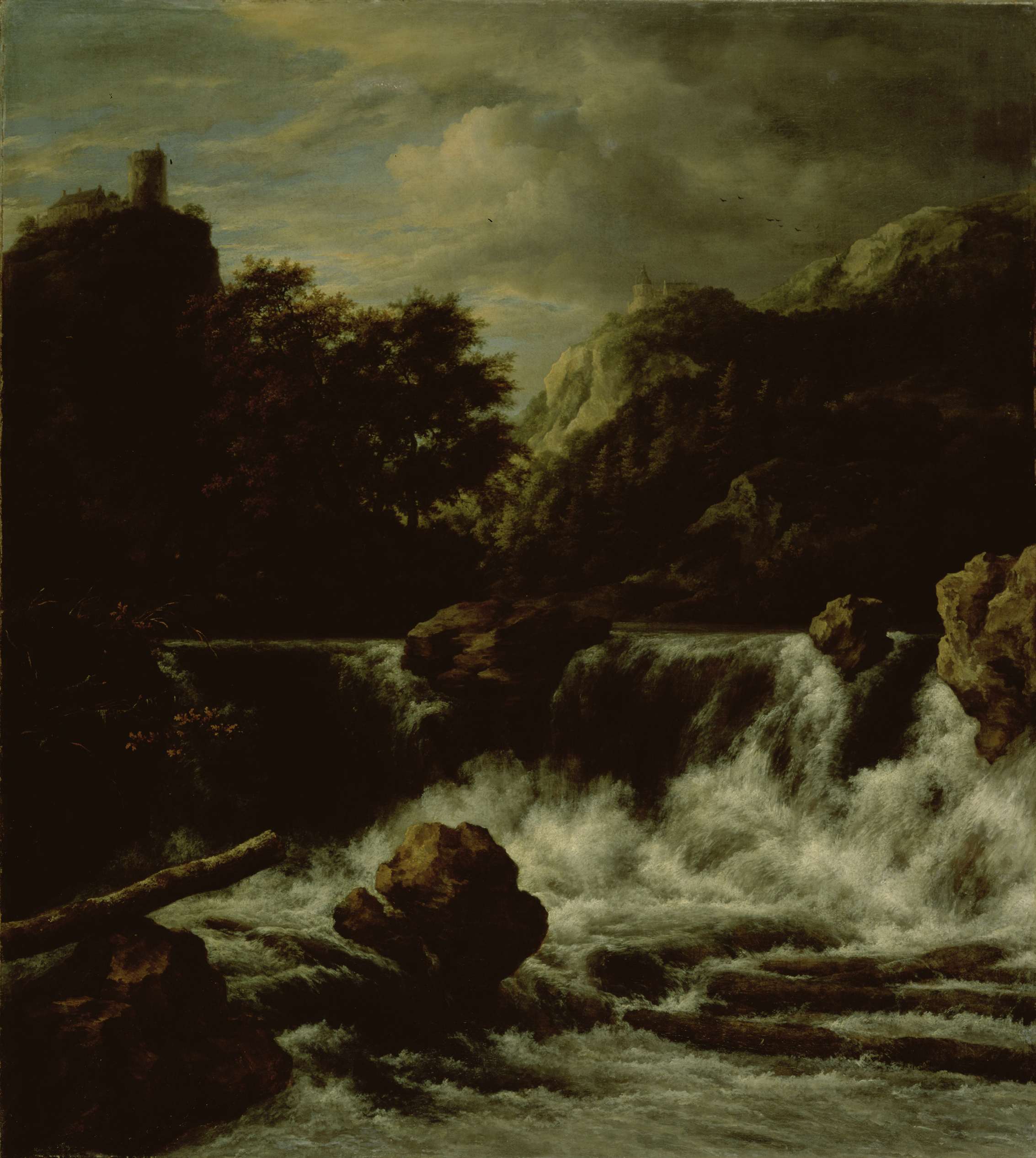
Each detail, from the shimmering leaves to the subtle rush of the water, evokes a sense of awakening, urging us to recognize the artistry of everyday life. In the mid-17th century, the artist crafted this piece during a time of personal and artistic exploration, while residing in the Netherlands. The Dutch Golden Age was flourishing, marked by a growing appreciation for landscape painting. Ruisdael's work, particularly View of a Watermill, reflects this burgeoning interest, showcasing his mastery of natural elements and his ability to capture the serene beauty of the world around him.