De grote beuk — History & Analysis
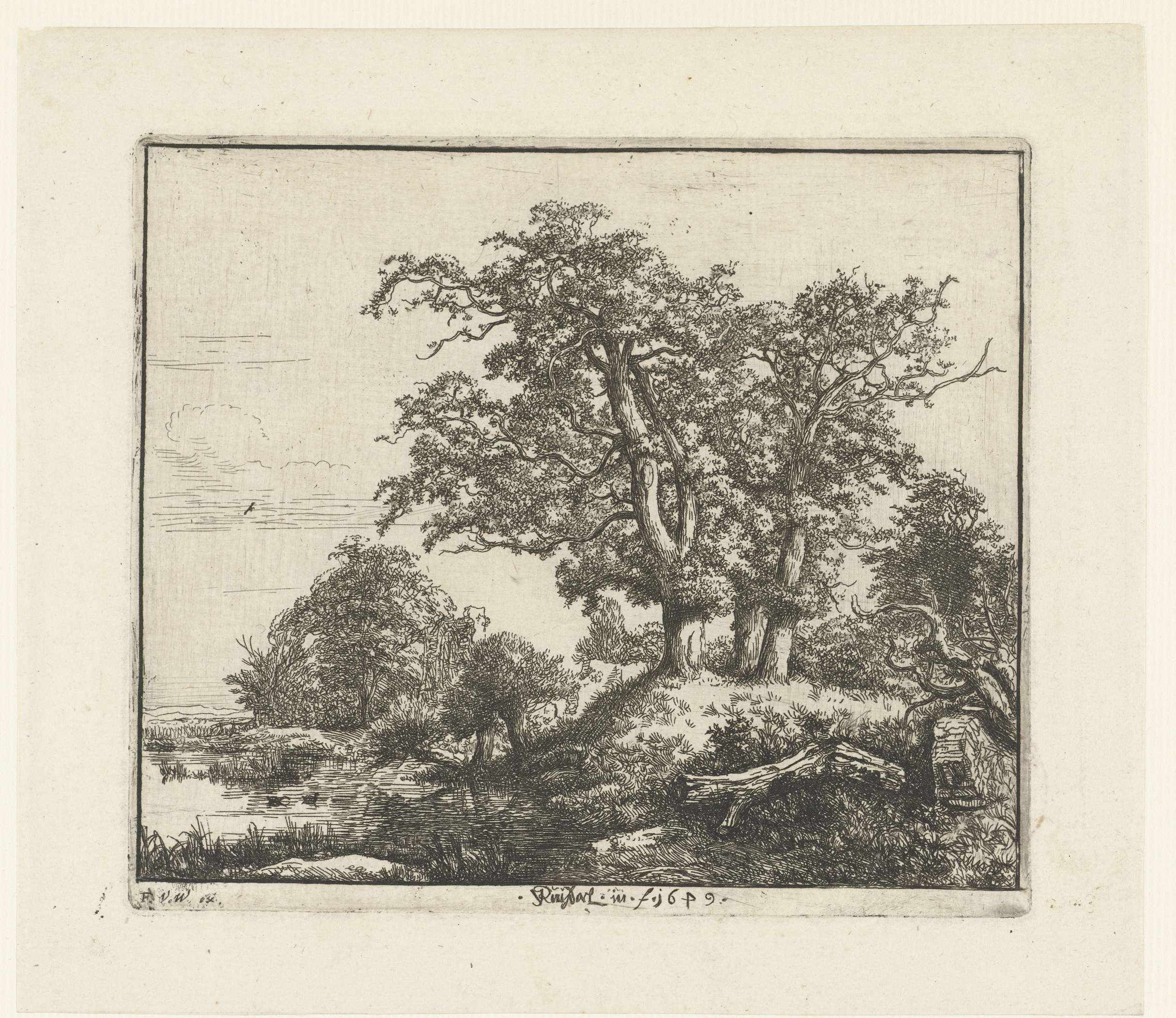
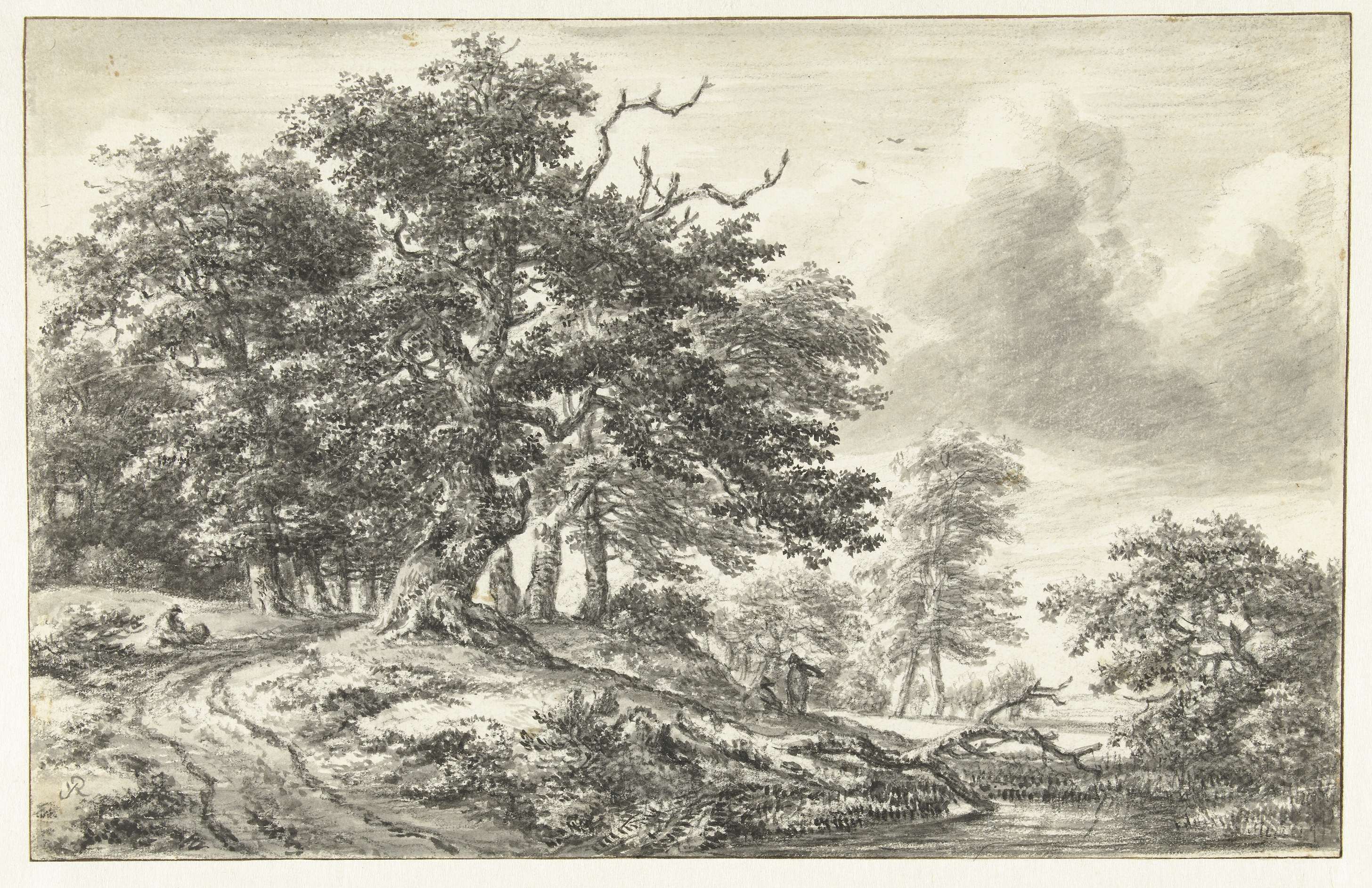
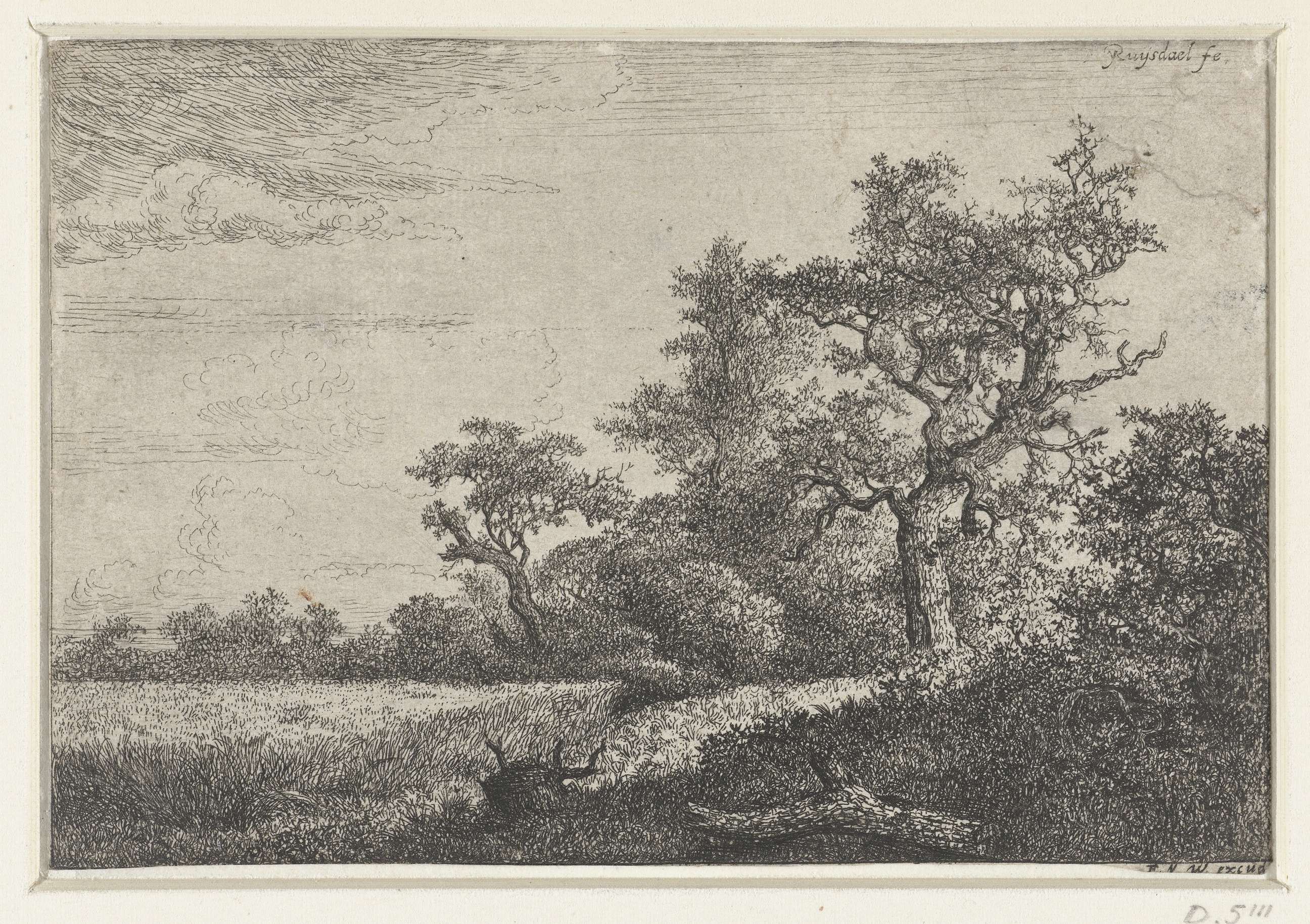
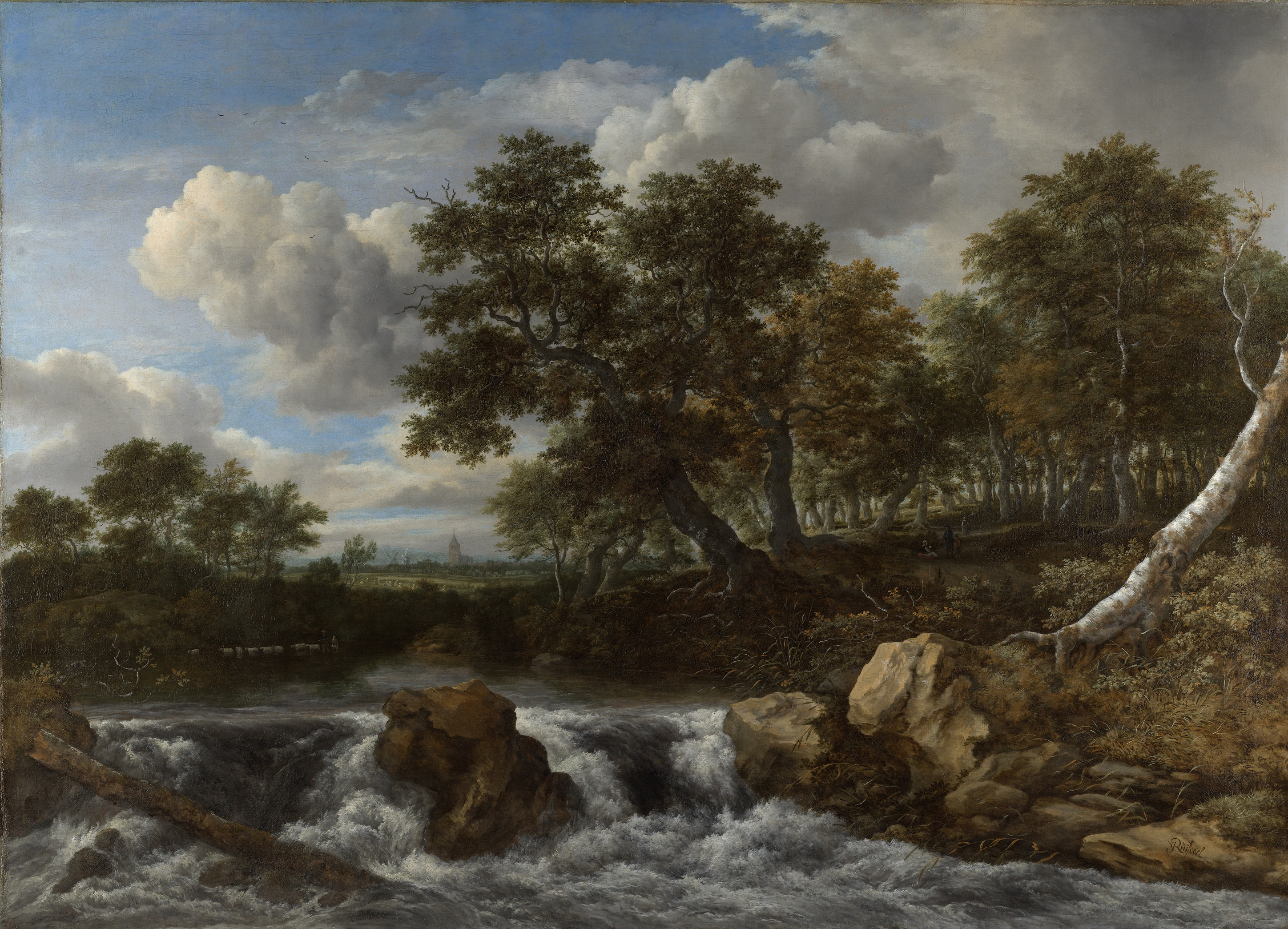
Where does light end, and longing begin? In the stillness of nature, a silent conversation unfolds between the grandeur of the trees and the whispers of the wind, echoing the legacy of those who walked before us. Look to the left at the towering beech tree, its textured bark etched with years of resilience. The soft light filters through the delicate leaves, casting dappled shadows on the ground below. Notice how the artist employs a myriad of greens, which breathe life into the scene, while the rich browns of the tree add depth and solidity.
Each brushstroke reveals a harmony of nature, inviting the viewer to explore the intricate details of the foliage, with its interplay of light and shade evoking a sense of timelessness. In the foreground, the delicate wildflowers hint at nature’s ephemeral beauty, contrasting sharply with the steadfastness of the beech. This juxtaposition invites a contemplation of permanence versus transience. The horizon, painted with gentle strokes of blue and gold, speaks to the fleeting nature of existence, while the expansive sky instills a sense of hope and longing for what lies beyond. Together, these elements serve as a reminder of the legacies woven into the fabric of both nature and human experience.
Completed between 1650 and 1655, this work emerged during a period of great artistic exploration in the Netherlands. Jacob Isaacksz van Ruisdael, known for his landscapes, was captivated by the majesty and complexity of the natural world. As he painted, Europe was experiencing economic upheaval and cultural transformation, leading artists like him to search for deeper, more enduring themes in their work. In De grote beuk, Ruisdael channels both personal and collective histories into a scene that resonates with the essence of time itself.