Wooded Landscape with a Pond — History & Analysis
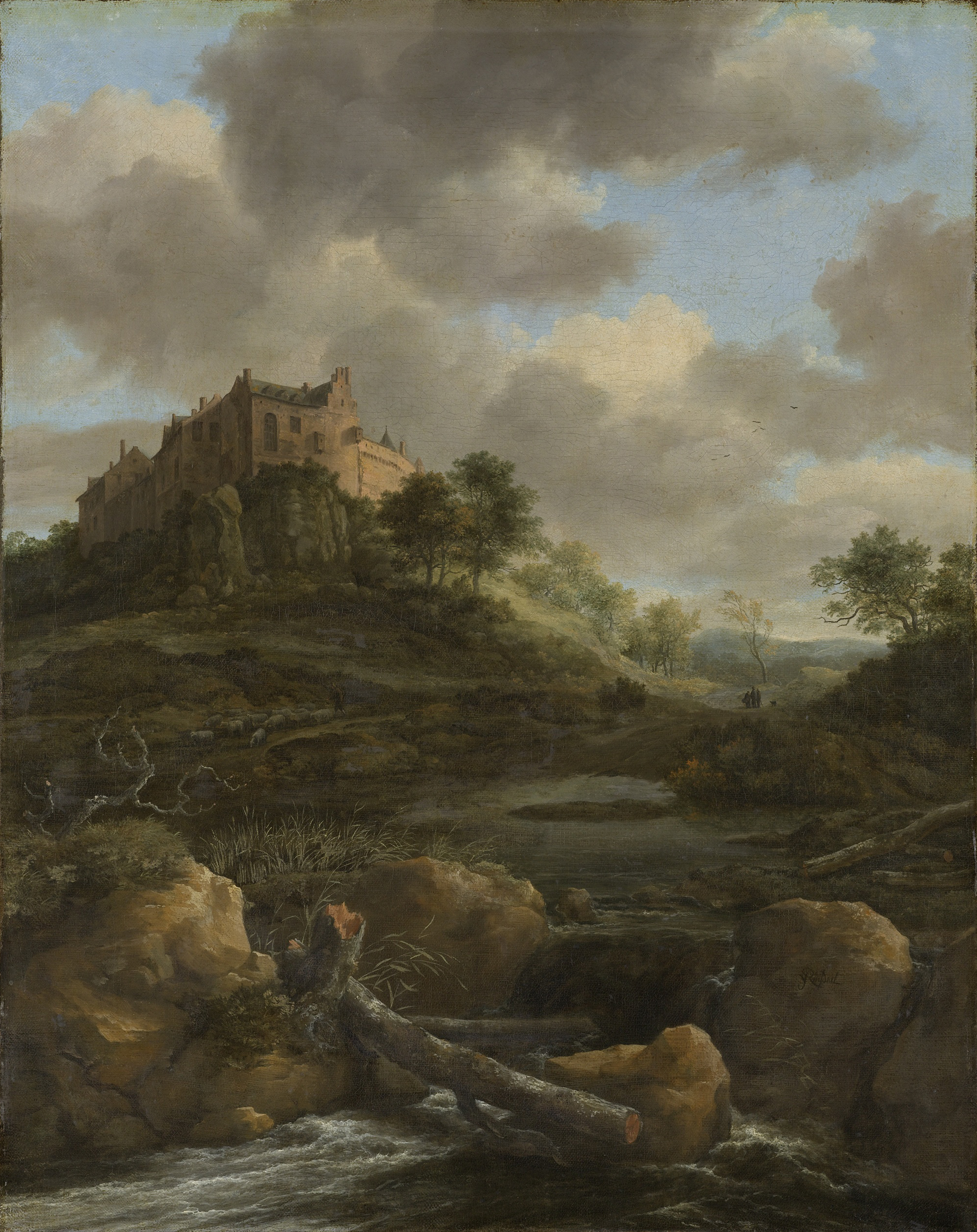
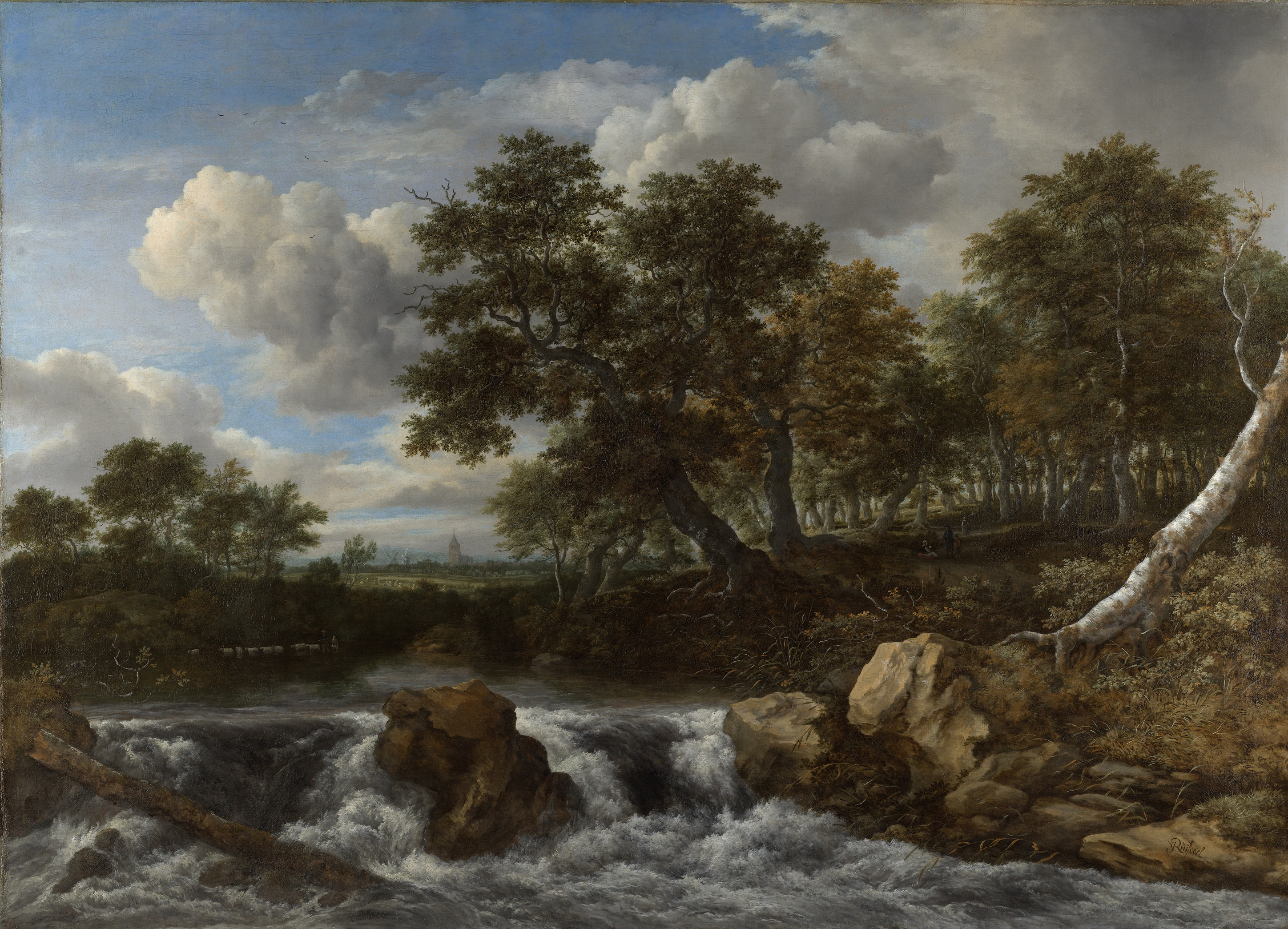
Did the painter know this moment would outlive them? In Wooded Landscape with a Pond, the tranquil scene captured by Jacob Isaacksz van Ruisdael invites the viewer to ponder the essence of transformation in nature and memory. Focus your gaze on the shimmering surface of the pond, where the delicate brushstrokes create a mirror that reflects the surrounding foliage. The rich greens and earthy browns of the trees convey a lush vitality, while the gentle dappled light filtering through the branches casts a serene glow over the landscape.
Notice how the composition balances the towering trees on the left with the expansive water, drawing your eye toward the stillness at the center—a perfect harmony of chaos and peace. Beneath the surface beauty lies a deeper emotional resonance. The juxtaposition of the vibrant life in the trees and the quiet water evokes a sense of contemplation, suggesting a moment caught between movement and stasis. The figures on the far bank, small and unobtrusive, become a poignant reminder of humanity's fleeting presence in the face of nature's enduring cycle.
Each element contributes to a narrative of transformation, echoing the transient nature of life itself. In the early 1650s, while living in the Netherlands, Ruisdael was immersed in a period of artistic flourishing marked by the rise of landscape painting. This work emerged during a time when artists were increasingly exploring the emotional qualities of their subjects, reflecting a shift in the perception of nature not just as a backdrop but as a force of profound beauty and meaning.