De herberg in een ruïne — History & Analysis
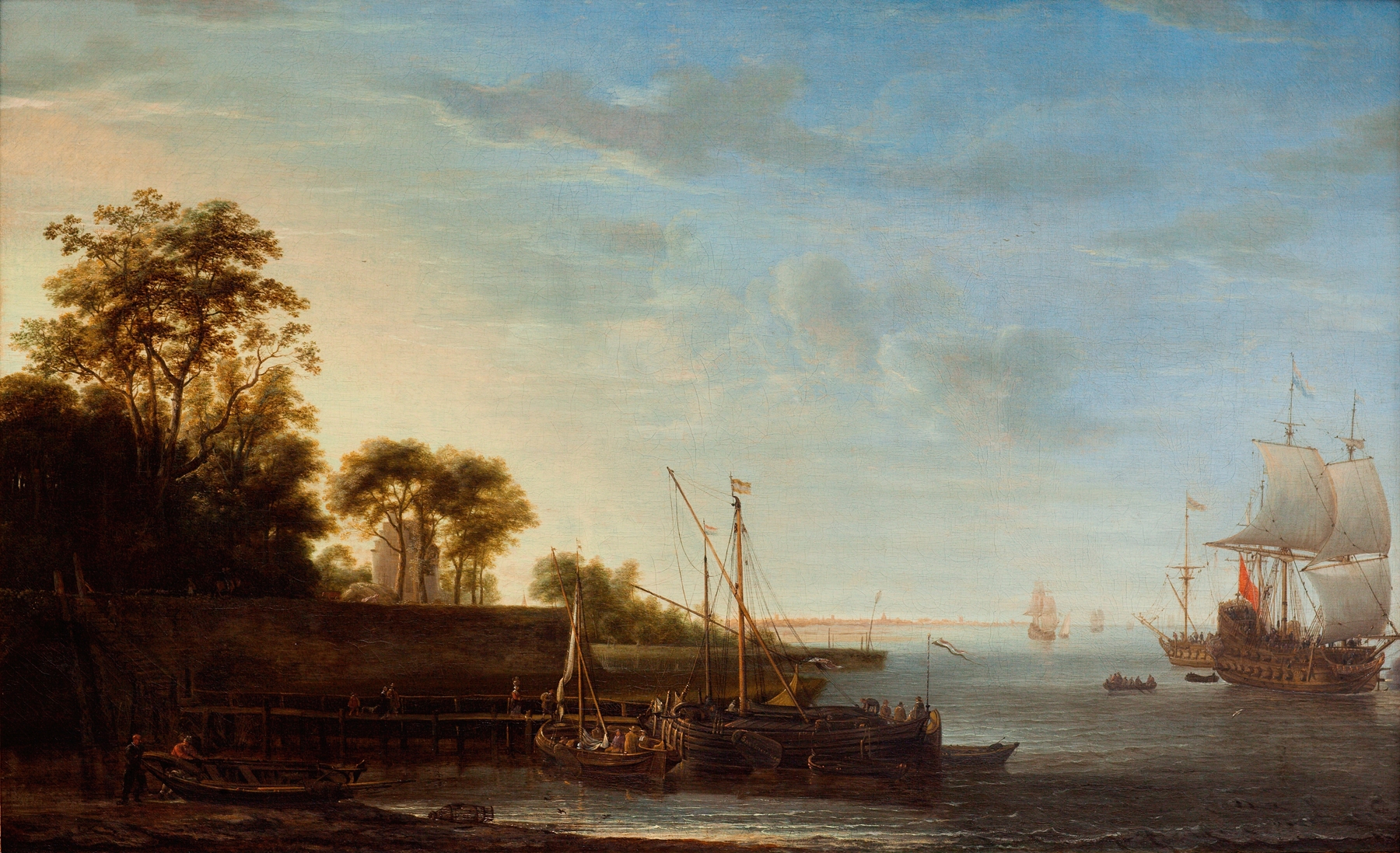
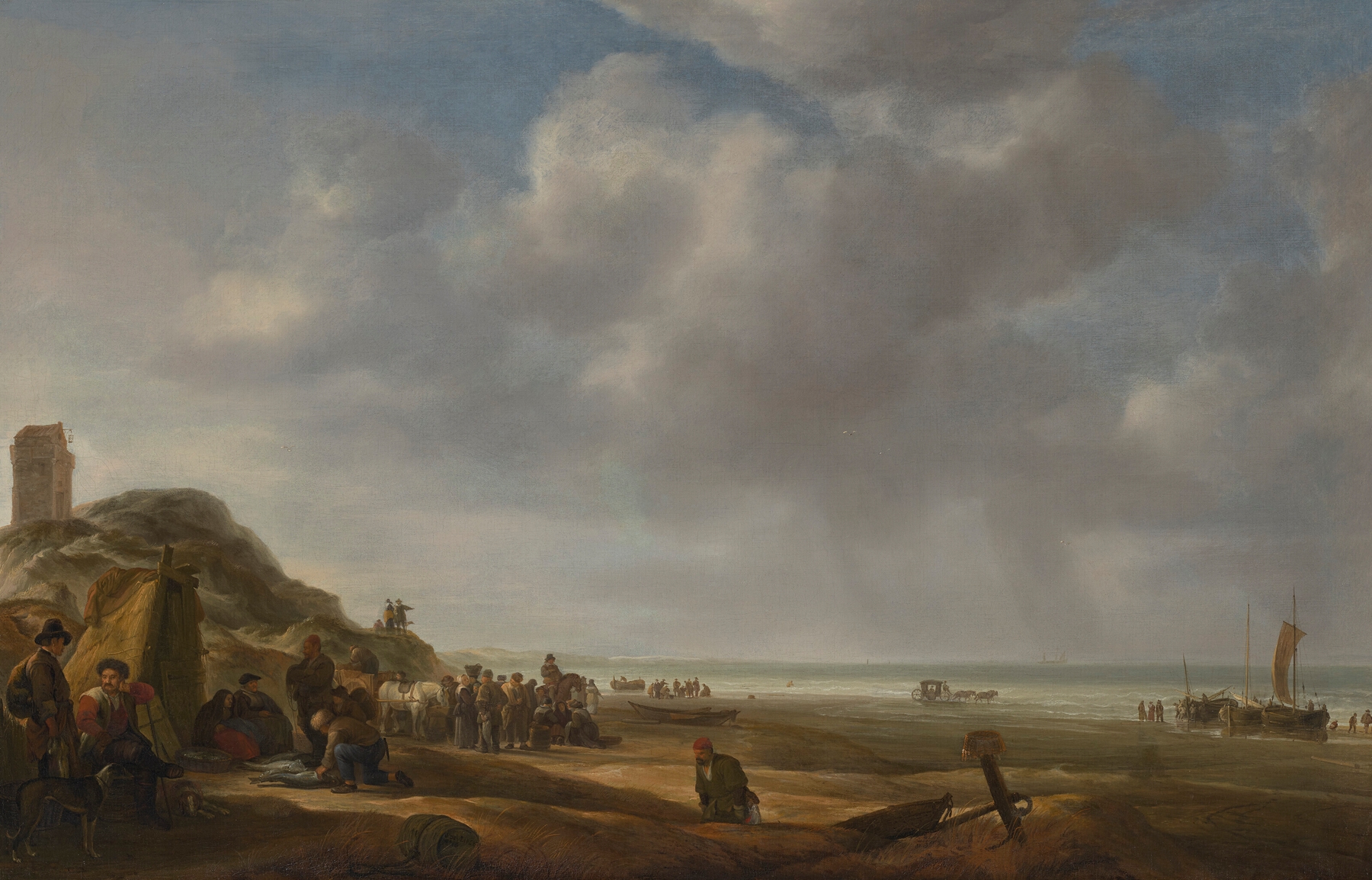
Could a single brushstroke hold eternity? In De herberg in een ruïne, the silence of a decaying structure speaks volumes, inviting the viewer to linger in its stillness. Look to the left at the ruins, where the crumbling stone walls are softened by a muted palette of earth tones and greys. The dilapidated inn stands solitary, its open windows framing the emptiness within, while delicate touches of light dance across the weathered surfaces.
Notice how the artist captures the interplay between shade and illumination, emphasizing the remnants of a once-vibrant life that now lay dormant in the shadows. The painting resonates with themes of transience and the passage of time. The stark contrast between the inn’s architectural decay and the tranquil landscape beyond evokes a sense of melancholy and nostalgia. Each detail—like the weary, sun-bleached wooden beams—whispers tales of forgotten patrons and their laughter, now replaced by the echo of silence that envelops the space.
This poignant stillness urges us to reflect on what remains and what has been lost. During the early 17th century, Simon de Vlieger created this work in the context of the Dutch Golden Age, a time ripe with artistic innovation and exploration. While he was deeply influenced by the natural landscapes and still lifes of his contemporaries, personal experiences and shifting societal values shaped his approach to composition and subject matter. This painting reflects not only his mastery of light and shadow but also the broader conversations of impermanence that marked the era.