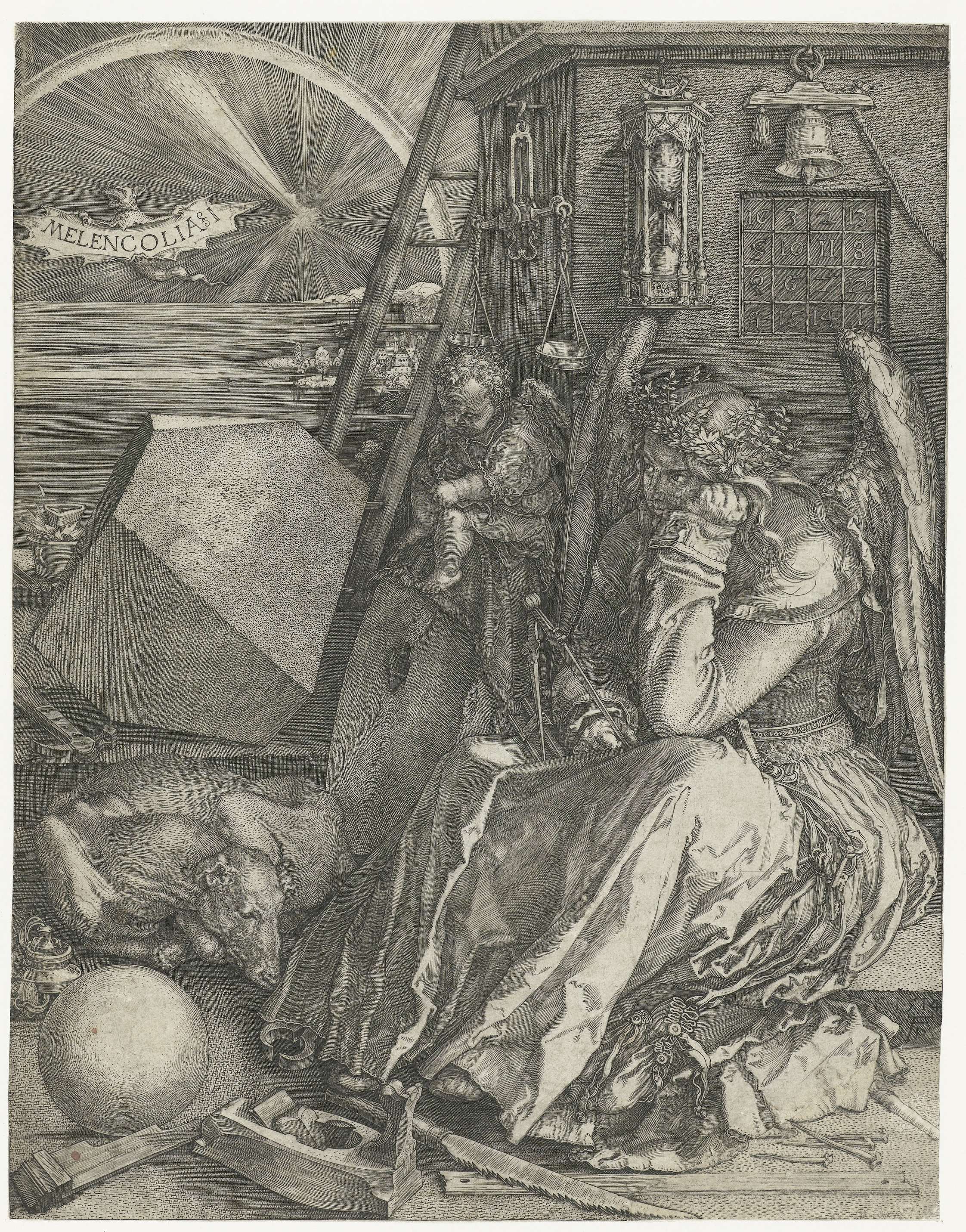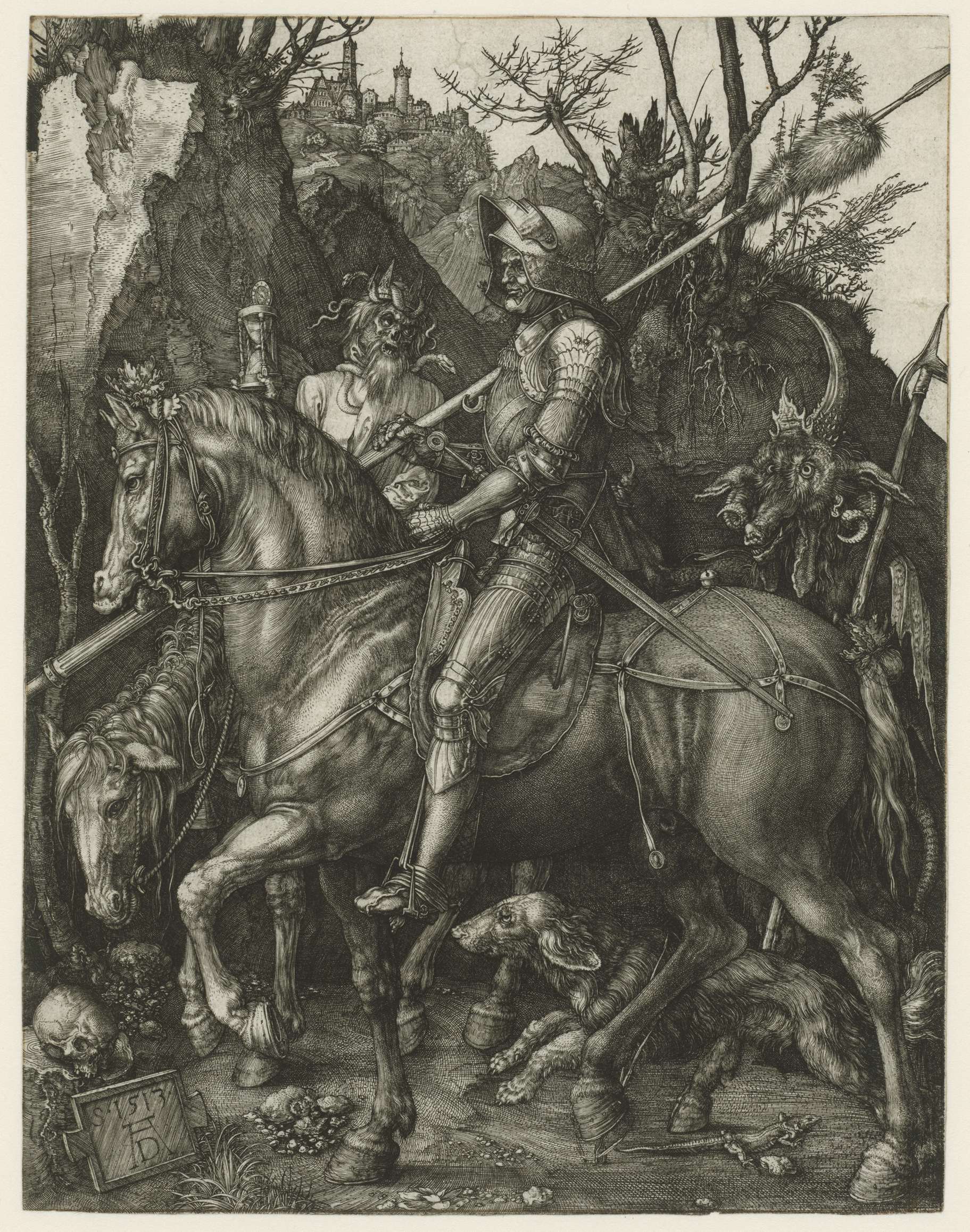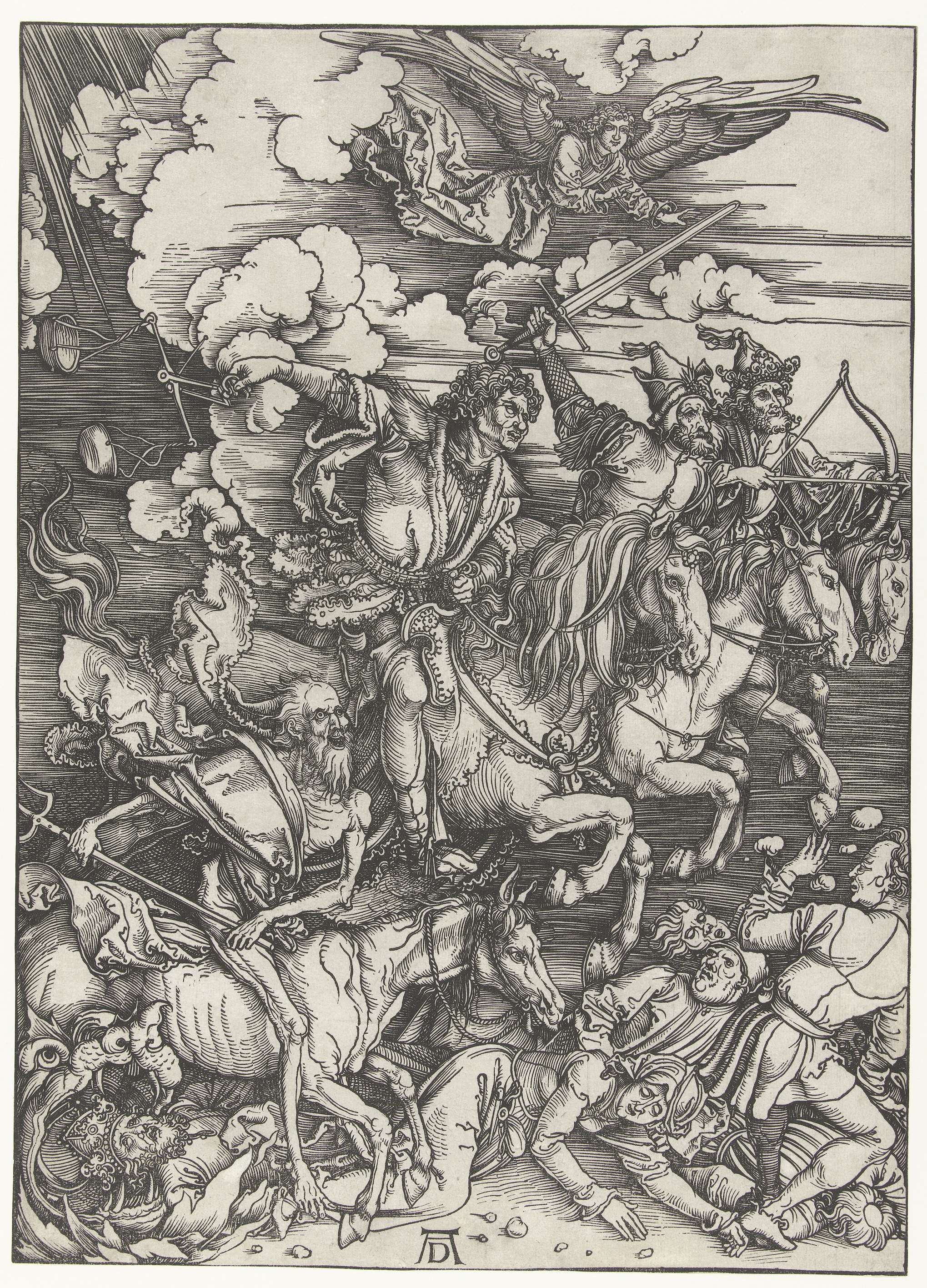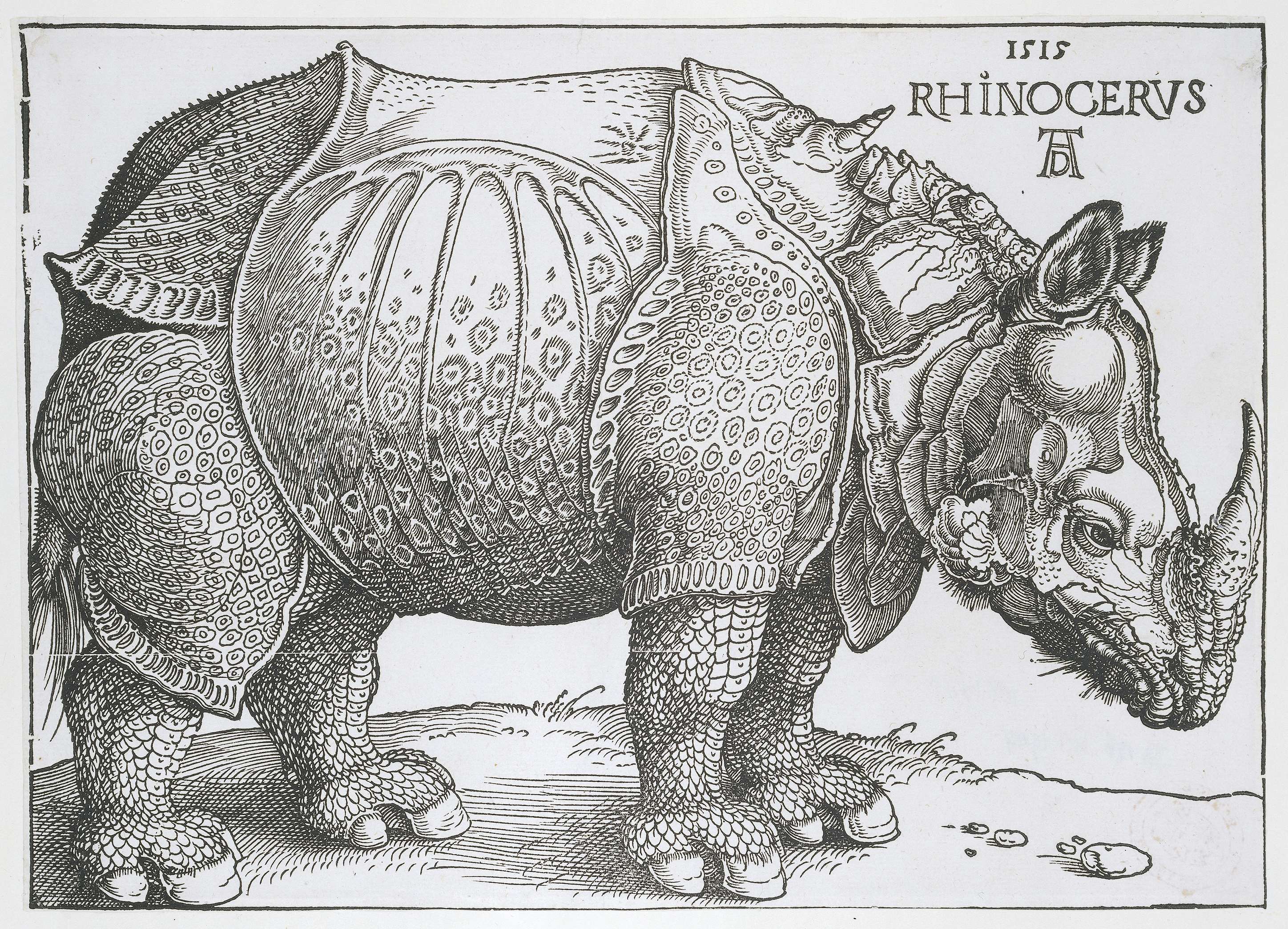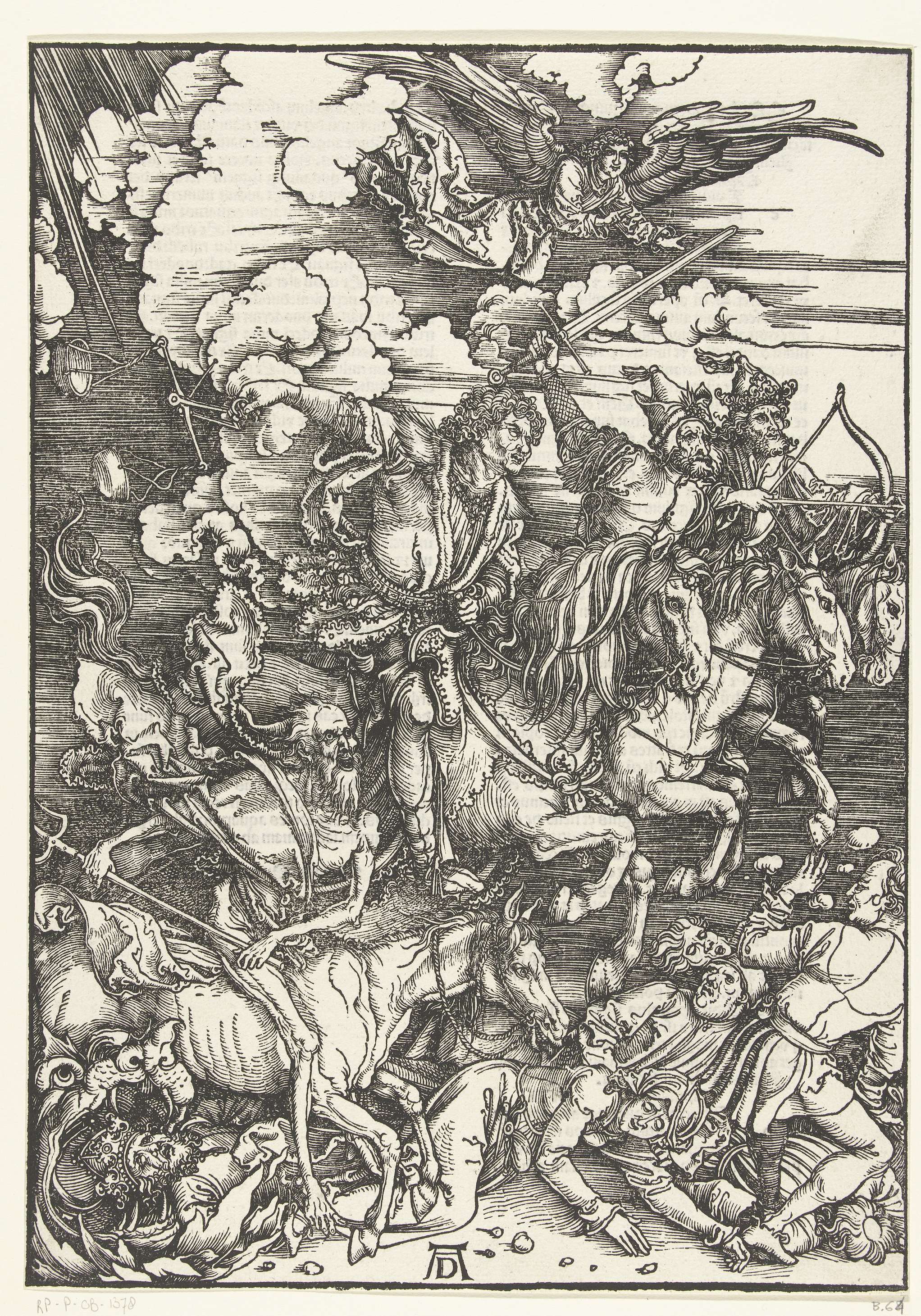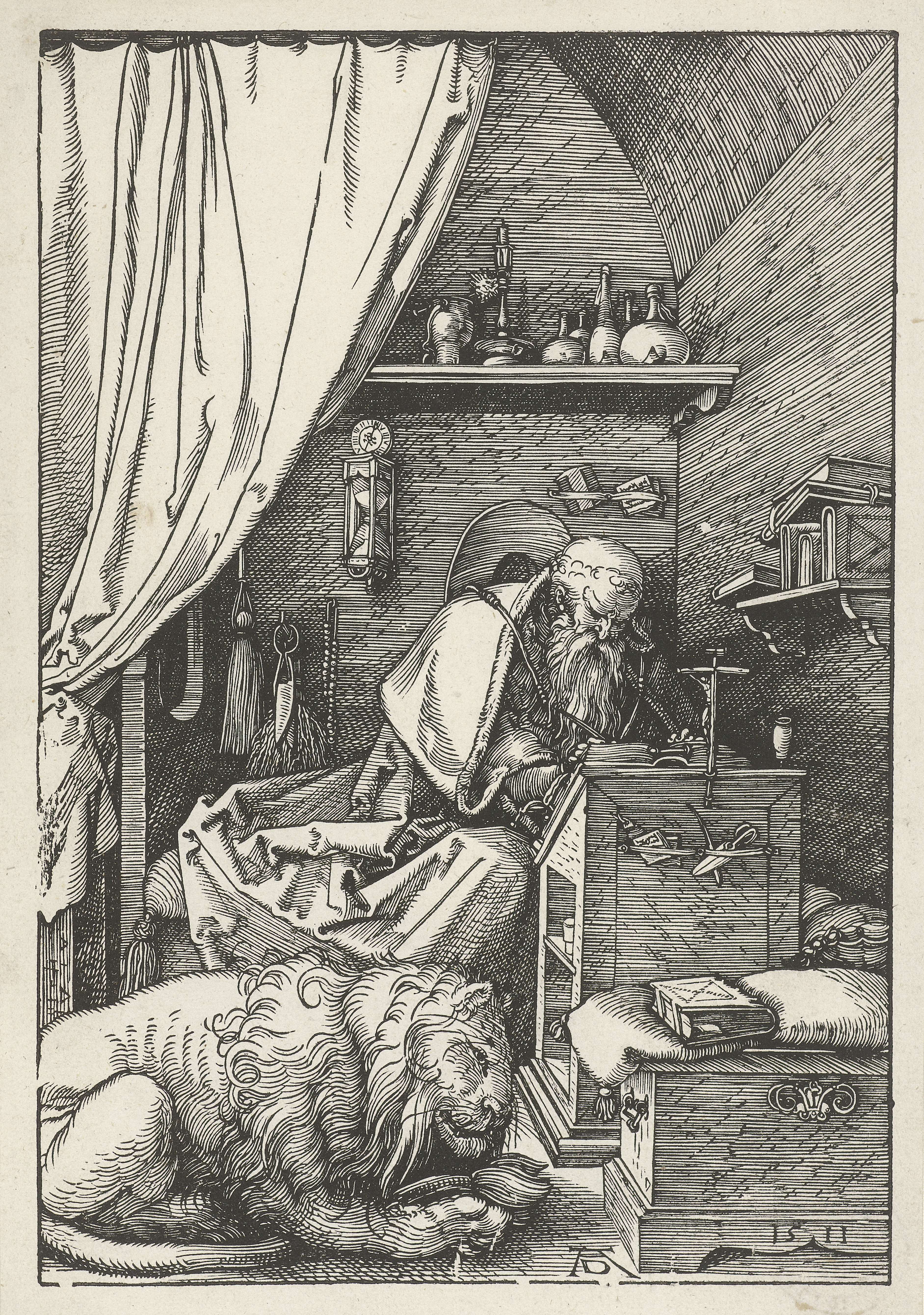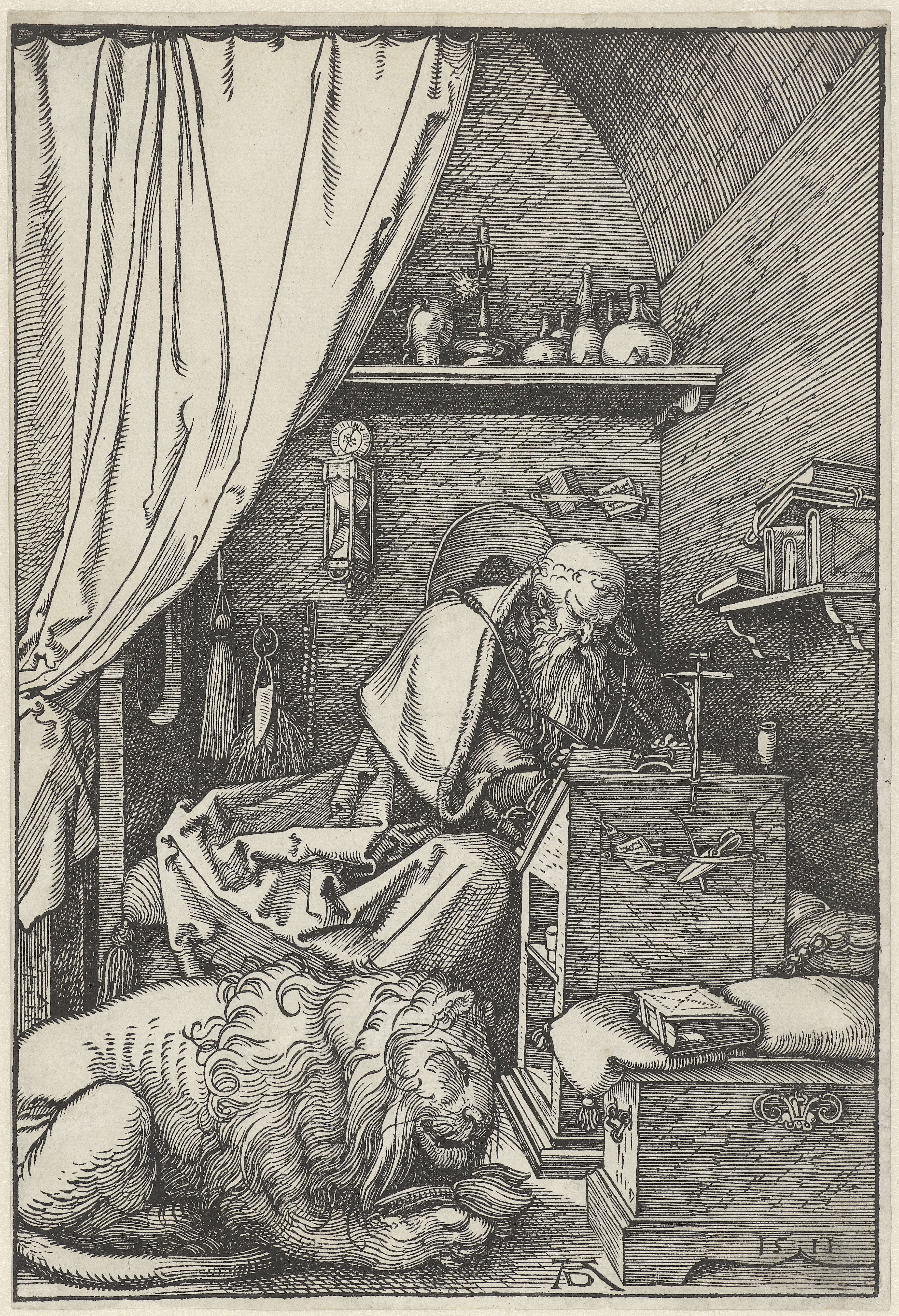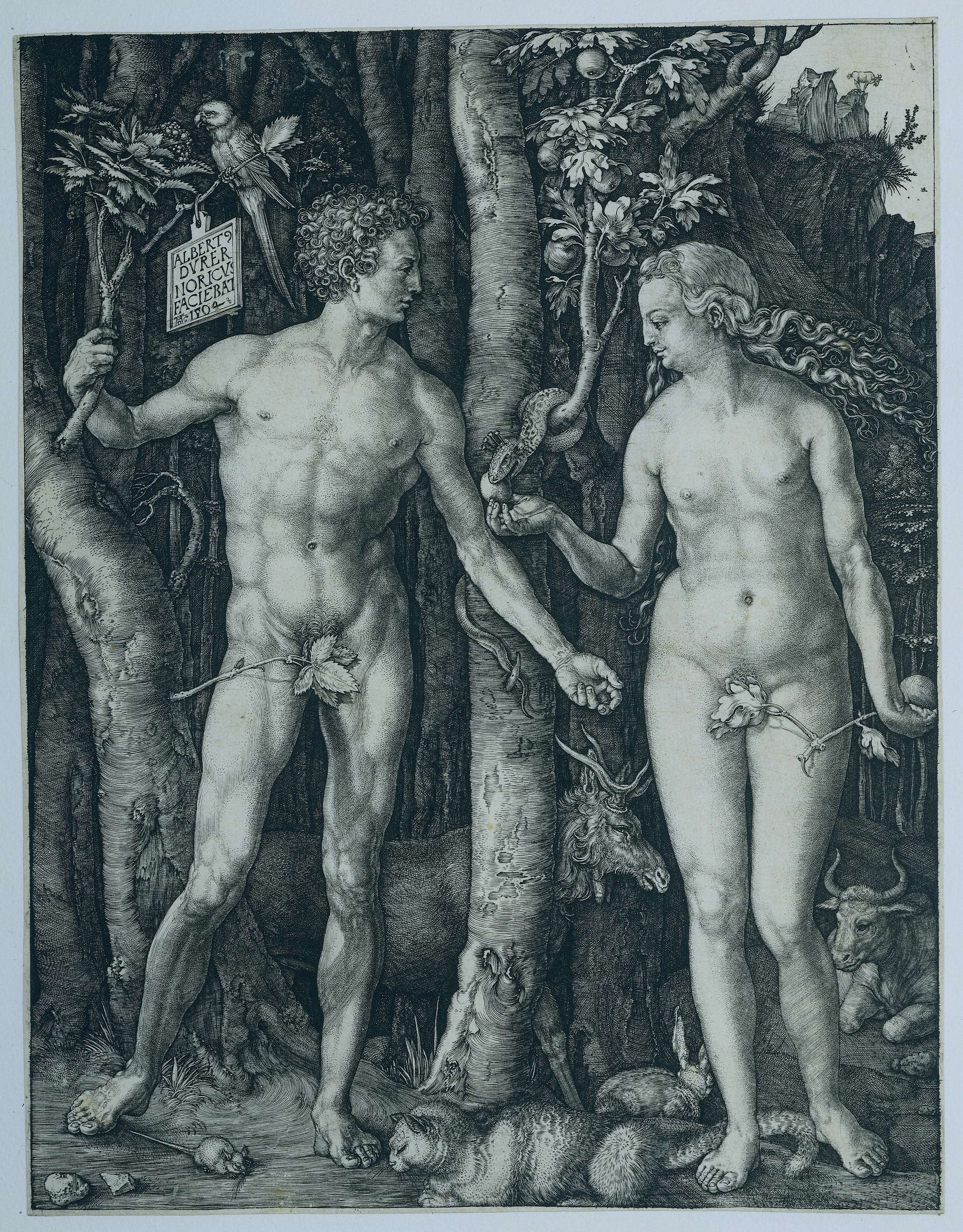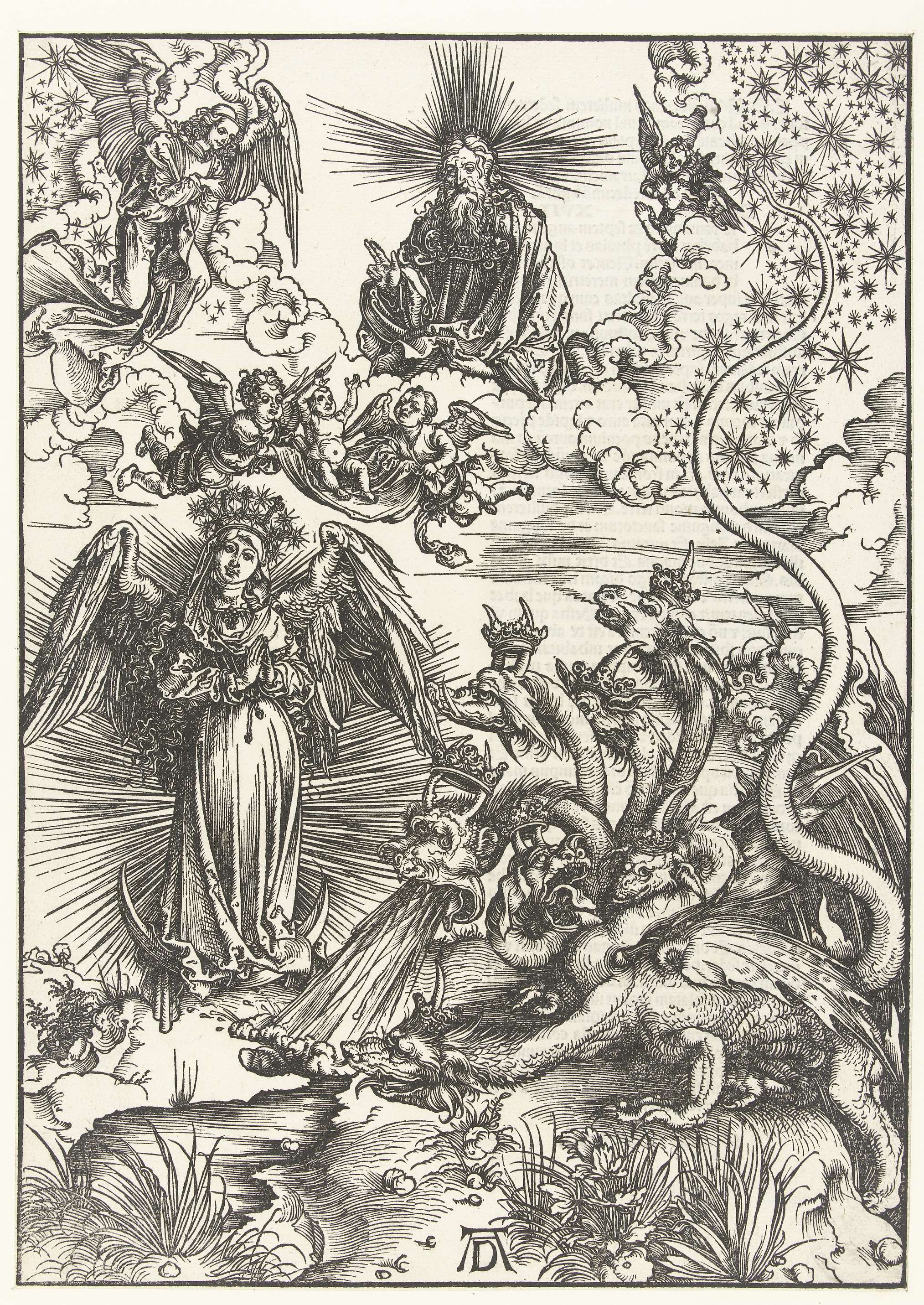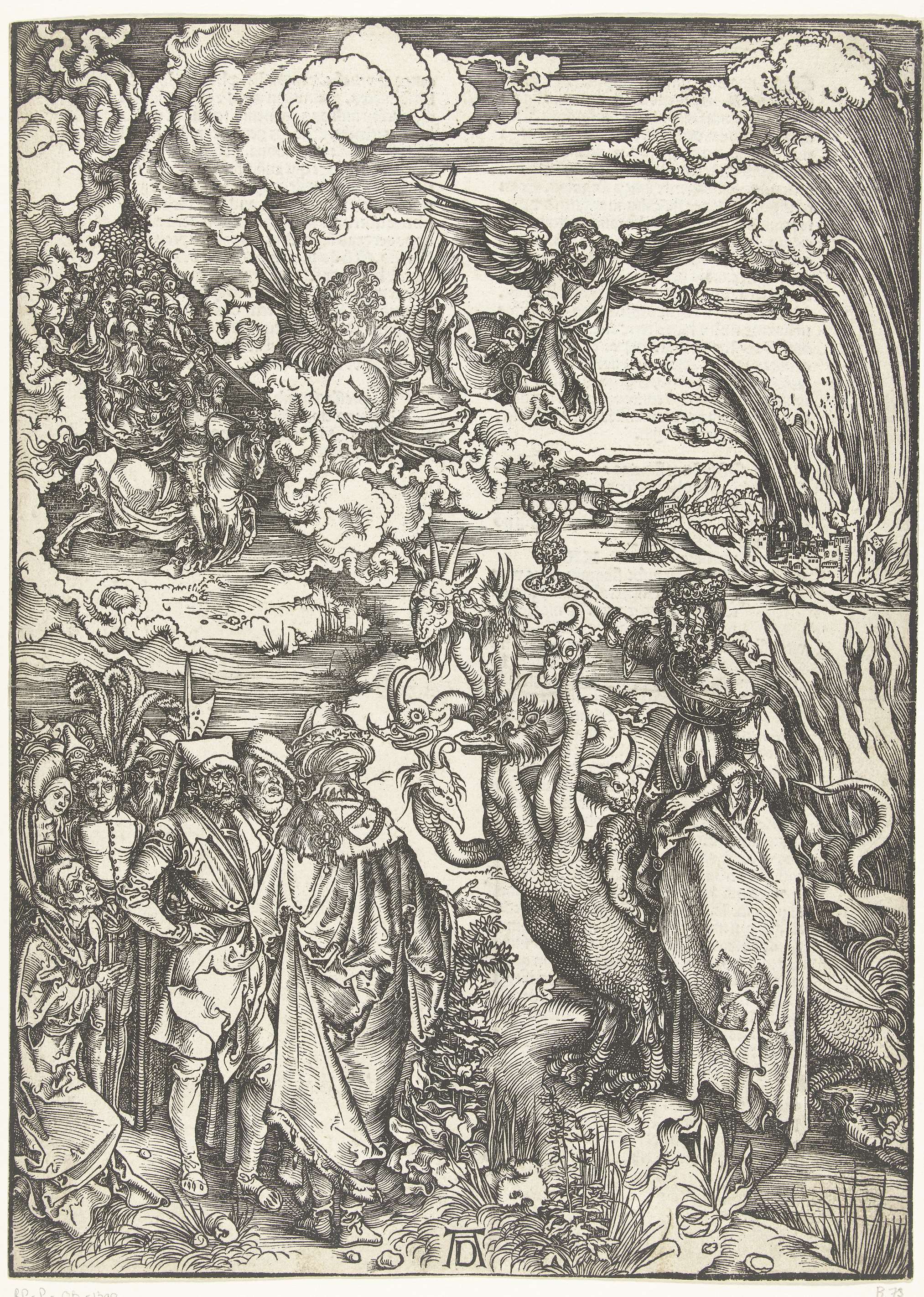
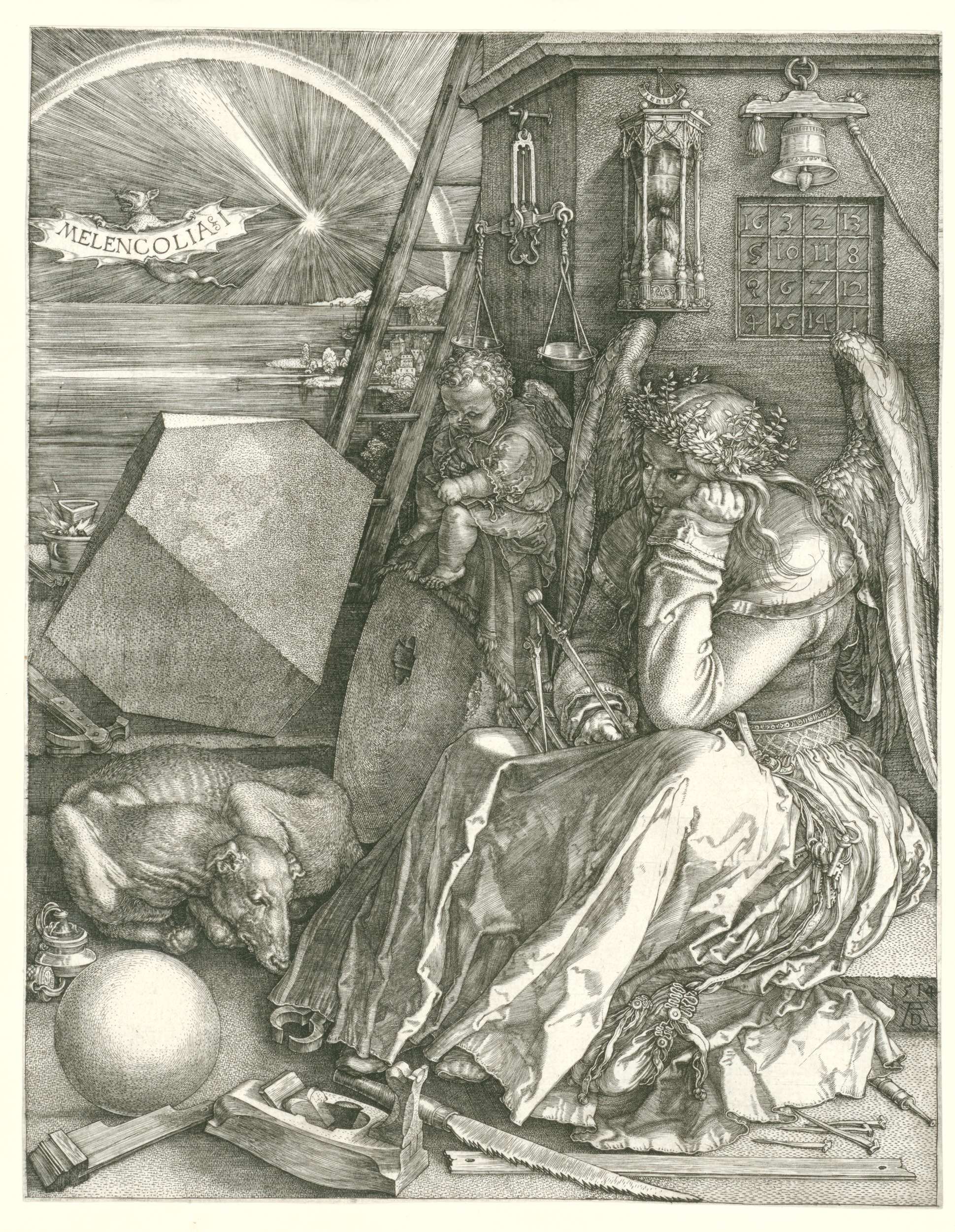
“Between color and silence, truth hides.” The elusive balance of faith and flesh permeates this work, inviting contemplation on divinity and desire. As we gaze upon the intricate details, we are drawn into a world where the sacred and profane coexist, urging us to confront the complexities of human experience. Look closely to the left at the central figure, a striking woman draped in flowing robes, her features both alluring and contemplative. The delicate interplay of light and shadow across her face captures the viewer's attention, revealing a sense of vulnerability beneath her confident demeanor. Surrounding her, Dürer employs a muted palette, with hues of ochre and earthy tones, contrasting sharply against the vivid reds in her attire, suggesting the tension between earthly pleasures and divine grace. In the background, the symbolic architecture hints at a rich narrative filled with moral ambiguity. The juxtaposition of the serene expression on her face and the chaotic elements surrounding her communicates the conflict between spiritual integrity and worldly temptations. Small details, like the hidden figures peering from the shadows, add a layer of intrigue—representing judgment and scrutiny that accompanies human desires. Albrecht Dürer painted this piece in 1498 during a significant period in the Northern Renaissance, marked by a growing interest in individualism and the complexities of human nature. Amidst his artistic evolution, he navigated the turbulent socio-political landscape of the time, grappling with themes of morality and spirituality in a rapidly changing world. The creation of this work reflects his deep engagement with both personal and collective struggles of faith, making it a powerful commentary on the human condition.