De hoer van Babylon — History & Analysis
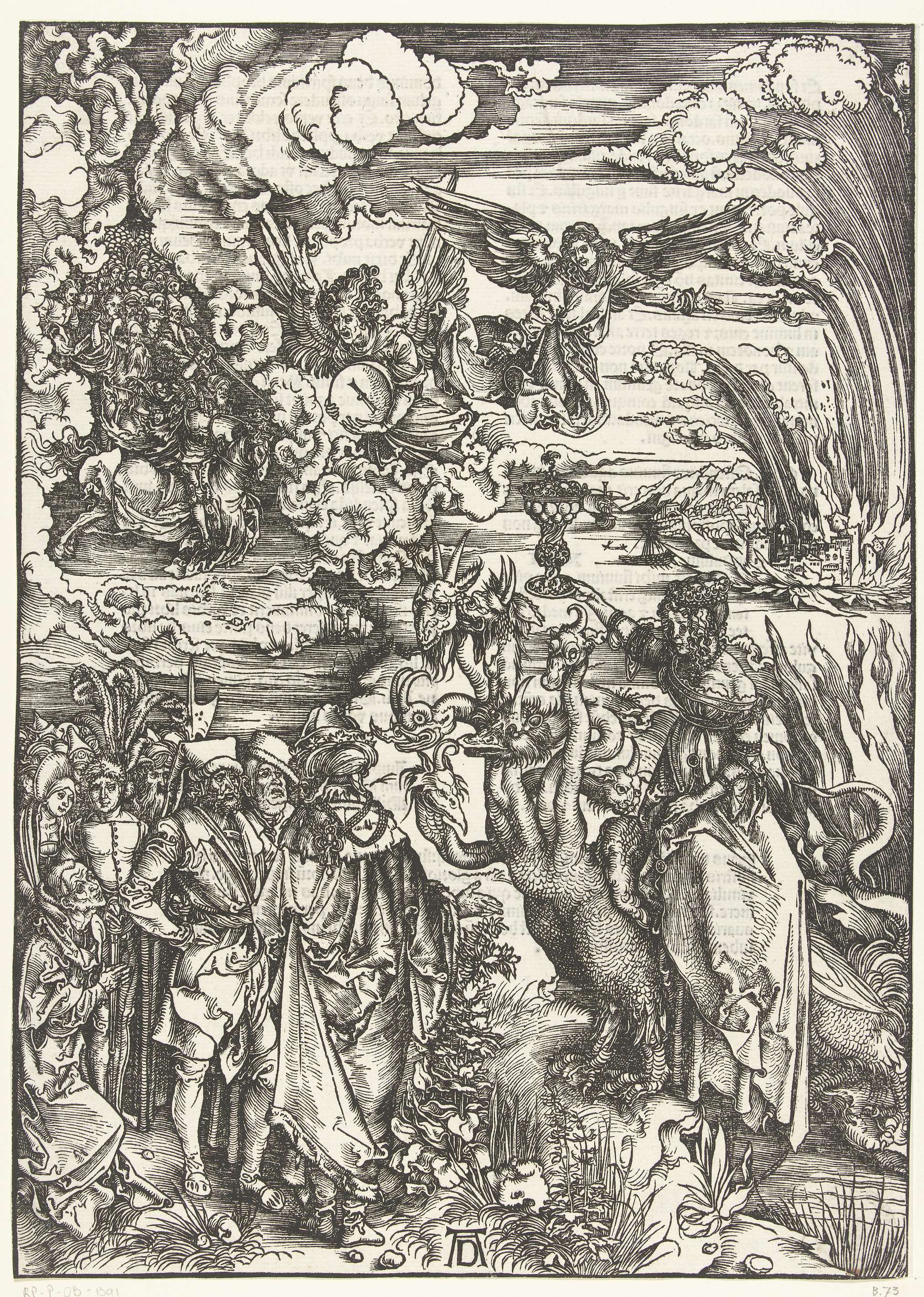
Can paint confess what words never could? The weight of truth often lingers silently in the spaces between brushstrokes, revealing more than language ever might. Look closely at the central figure, a woman adorned in lavish fabrics, her expression a tapestry of seduction and sorrow. Notice how the warm golds and deep reds of her dress contrast sharply with the cooler, muted background, drawing your gaze irresistibly towards her. The play of light dances across her face, highlighting the conflicted allure and the burden she carries.
Each intricate detail, from the delicate embroidery to the shadows that soften her features, serves to enhance the tension between her outward beauty and inner turmoil. At first glance, one may see mere indulgence, but delve deeper and the painting unfolds layers of complexity. The juxtaposition of opulence and vulnerability speaks to themes of temptation and moral decay. Surrounding her are elements that hint at a broader narrative—symbols of desire entwined with hints of regret, suggesting the dual nature of human experience.
The intimacy of her gaze invites the viewer into her world, a place where pleasure is intricately linked to a profound sense of loss. In 1511, during a period of significant change in art and society, Dürer painted this work while navigating the evolving landscape of Renaissance ideals. He was in Nuremberg, a center of commerce and culture, where the influences of humanism began to reshape artistic expression. This painting reflects not only Dürer's technical mastery but also an engagement with the moral questions of his time, positioning him as a pivotal figure amidst the shifting tides of the art world.