De schepen De Parel en De Dubbele Arend — History & Analysis
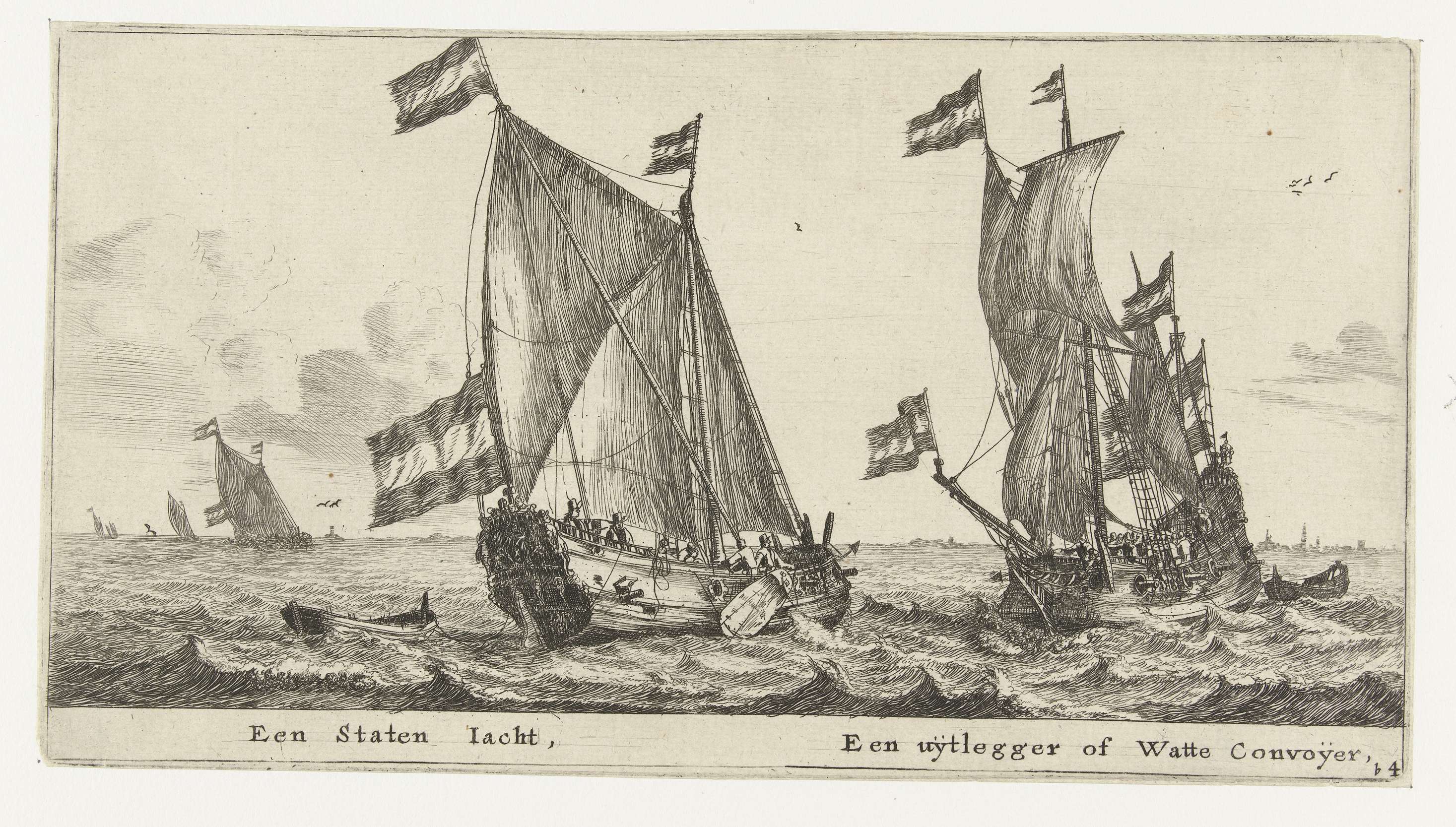
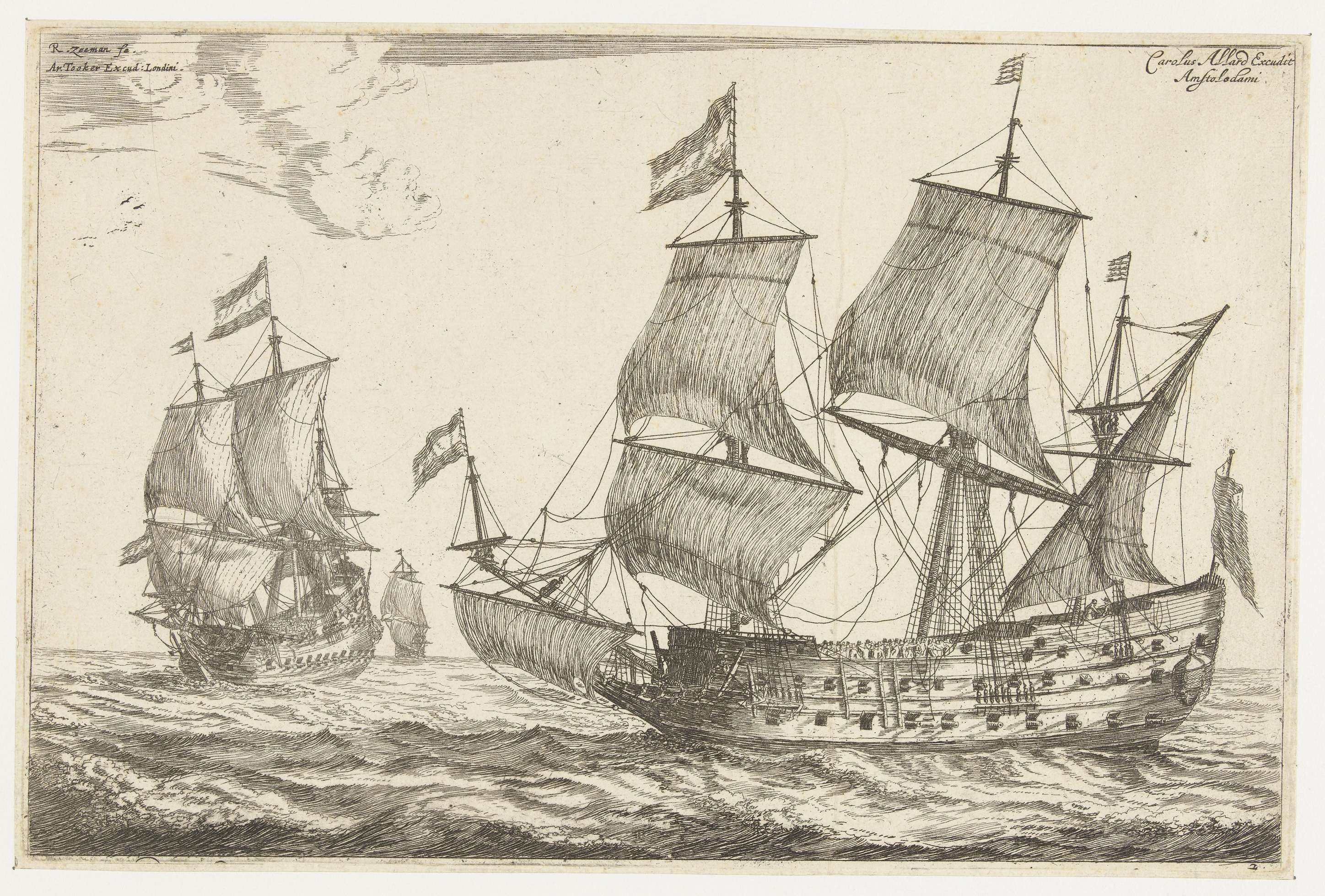
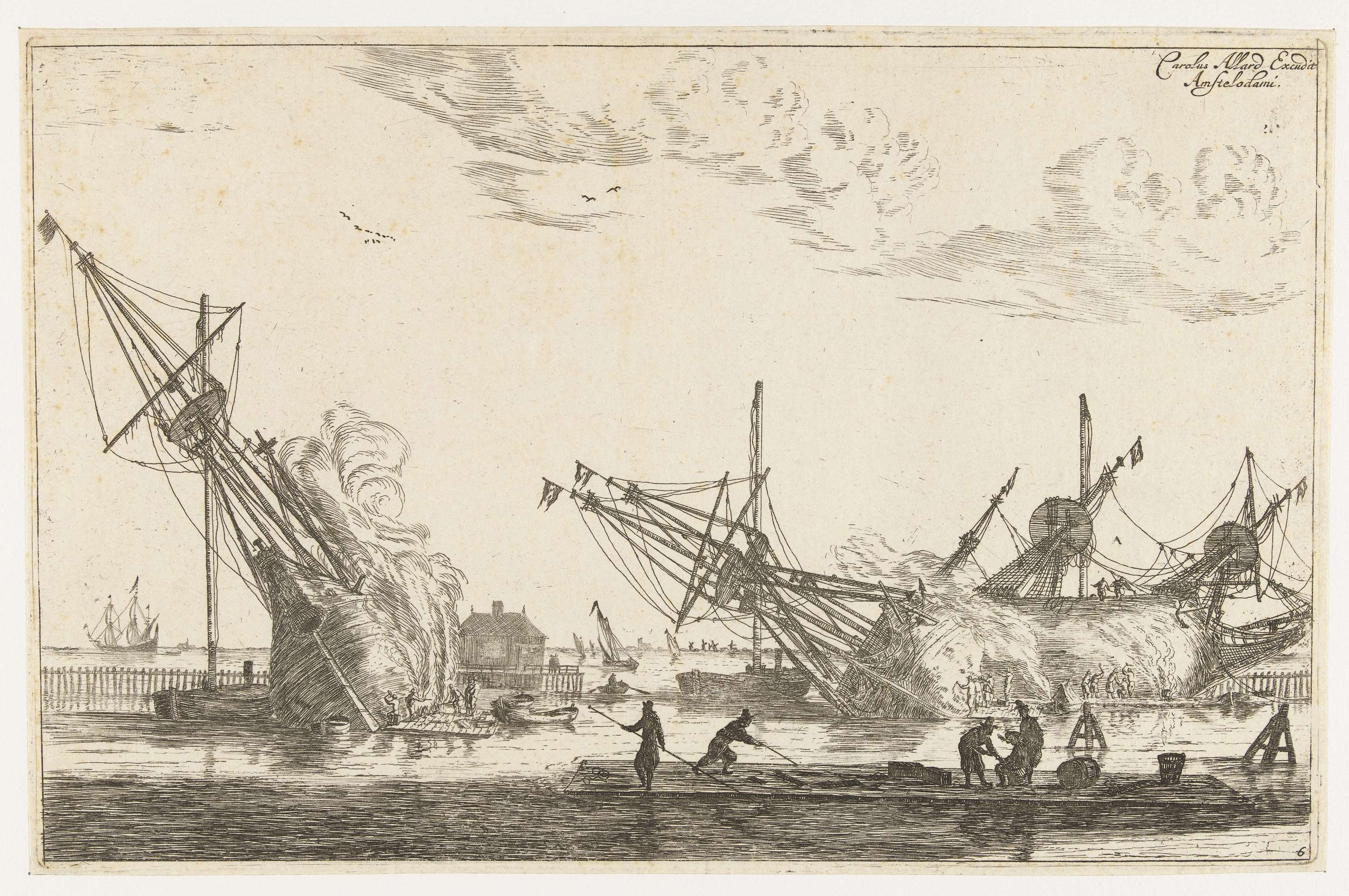
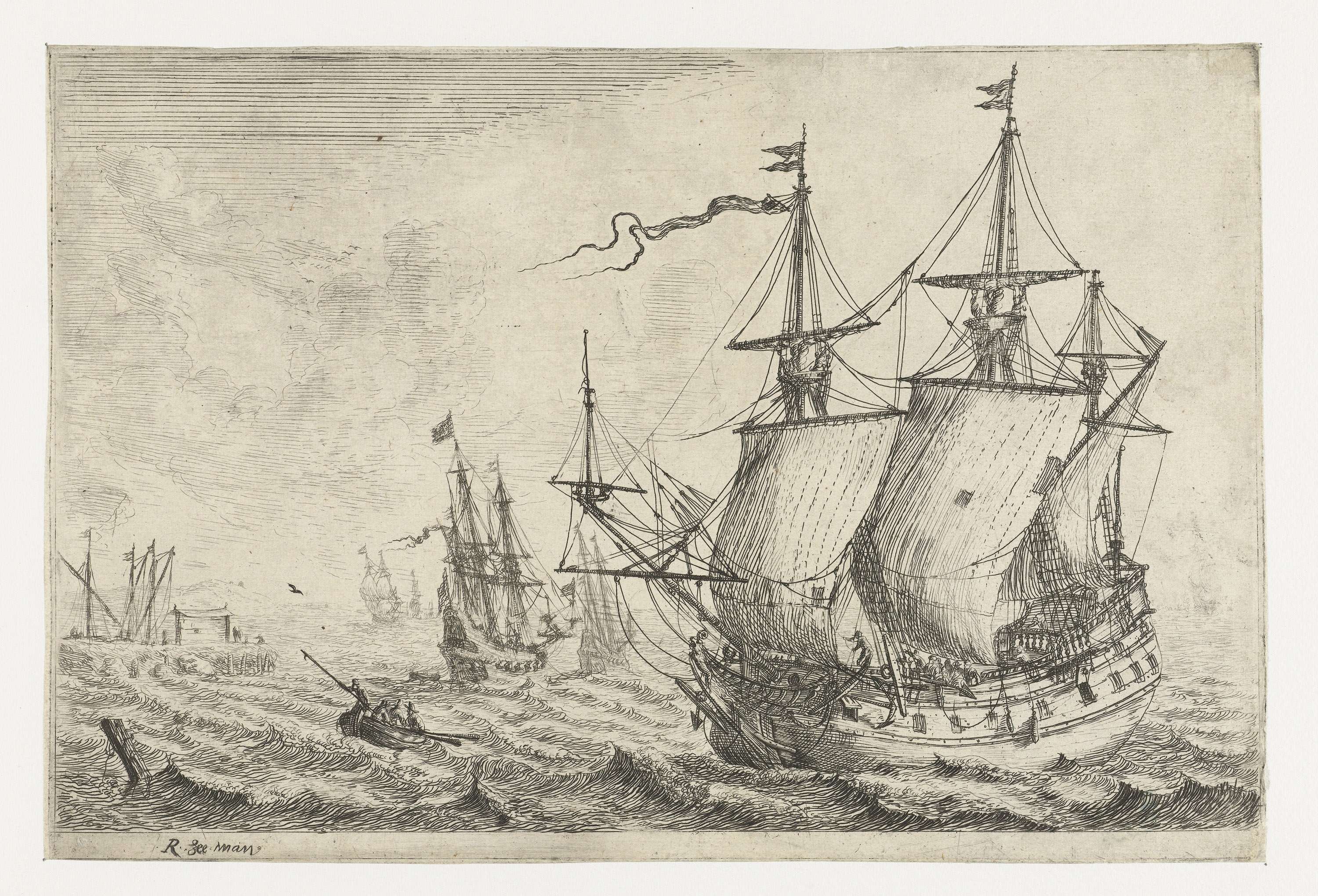
What if beauty was never meant to be finished? In De schepen De Parel en De Dubbele Arend, the sense of loss permeates the silent waters, where two ships float as fragile remnants of a bygone era. The vessels, adorned with intricate details, speak of adventure and splendor, yet their stillness whispers an ungraspable grief. Look to the left where the ship De Parel sails under a pale sky, its masts reaching upward like yearning fingers.
Notice the gentle ripples in the water, each reflecting a world that seems simultaneously vibrant and distant. The artist's deft use of light captures the play between shadow and brilliance, imbuing the scene with a quiet tension that evokes nostalgia. Shades of blue and gray dominate, evoking both tranquility and a hint of melancholy, as if the artist mourns the passage of time. In the subtle details lie deeper meanings: the weathered wood of the ships symbolizes endurance against the ravages of time, while the absence of figures on board evokes solitude and emptiness.
The two vessels together suggest a bond once shared, now adrift in silence. This duality invites reflection on the relationships forged and lost, encapsulating a profound sense of longing that resonates deeply with the viewer. Reinier Nooms created this work between 1652 and 1654, a period marked by the Dutch Golden Age, where maritime power symbolized both wealth and vulnerability. While flourishing as a painter of naval scenes, Nooms grappled with a rapidly changing world, reflecting both the triumphs and the grief of an era defined by exploration and loss.