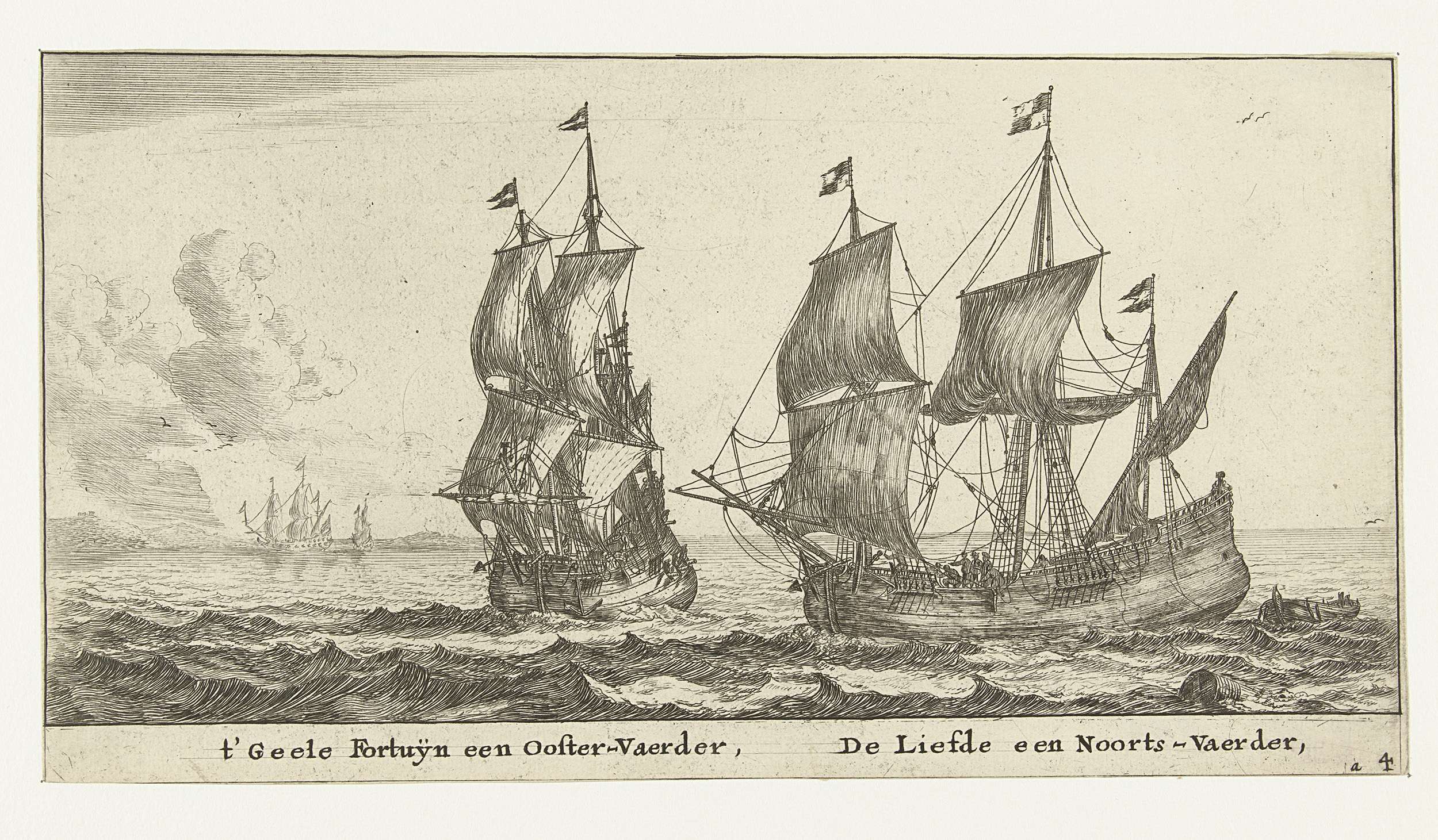
De schepen 't Gele Fortuin en De Liefde — History & Analysis
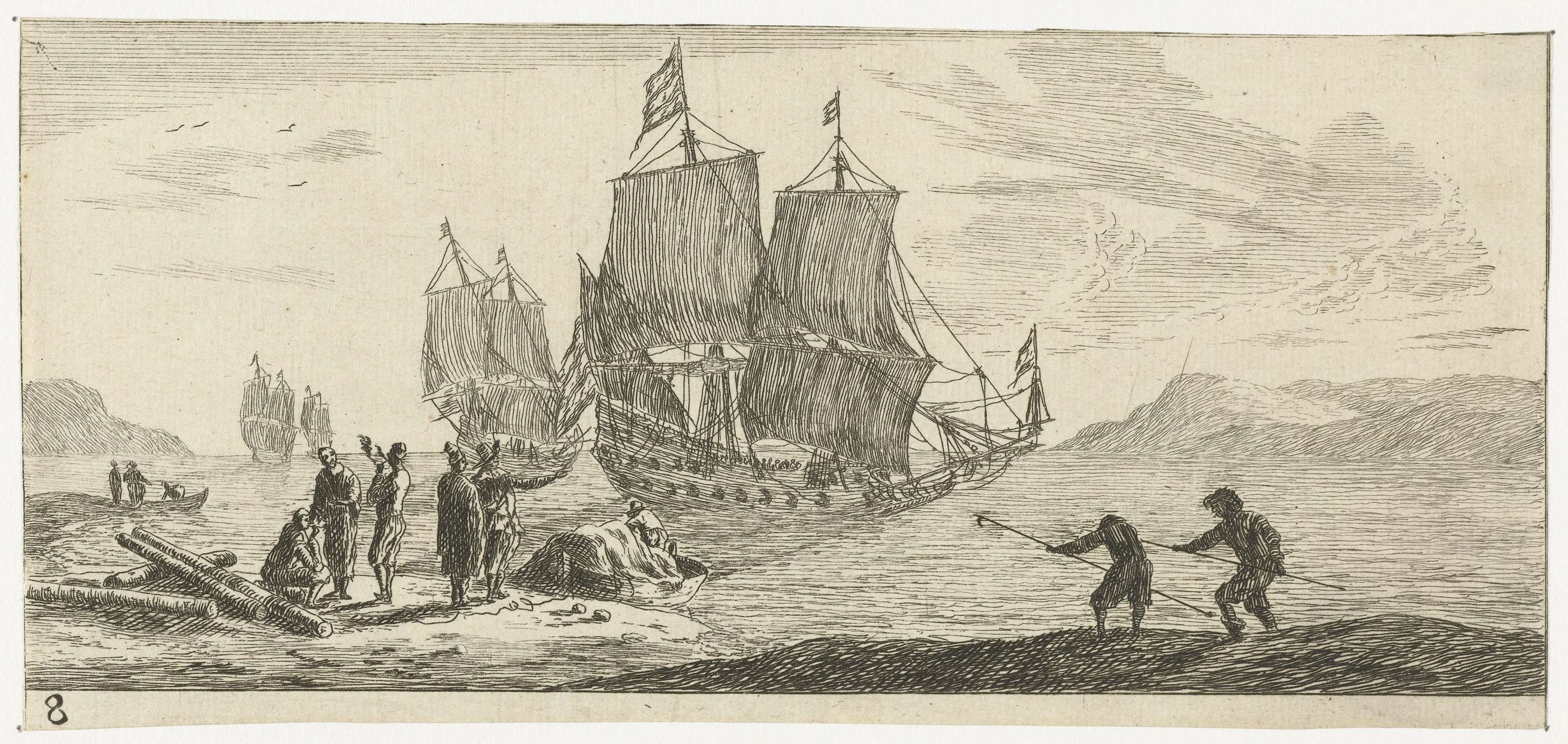
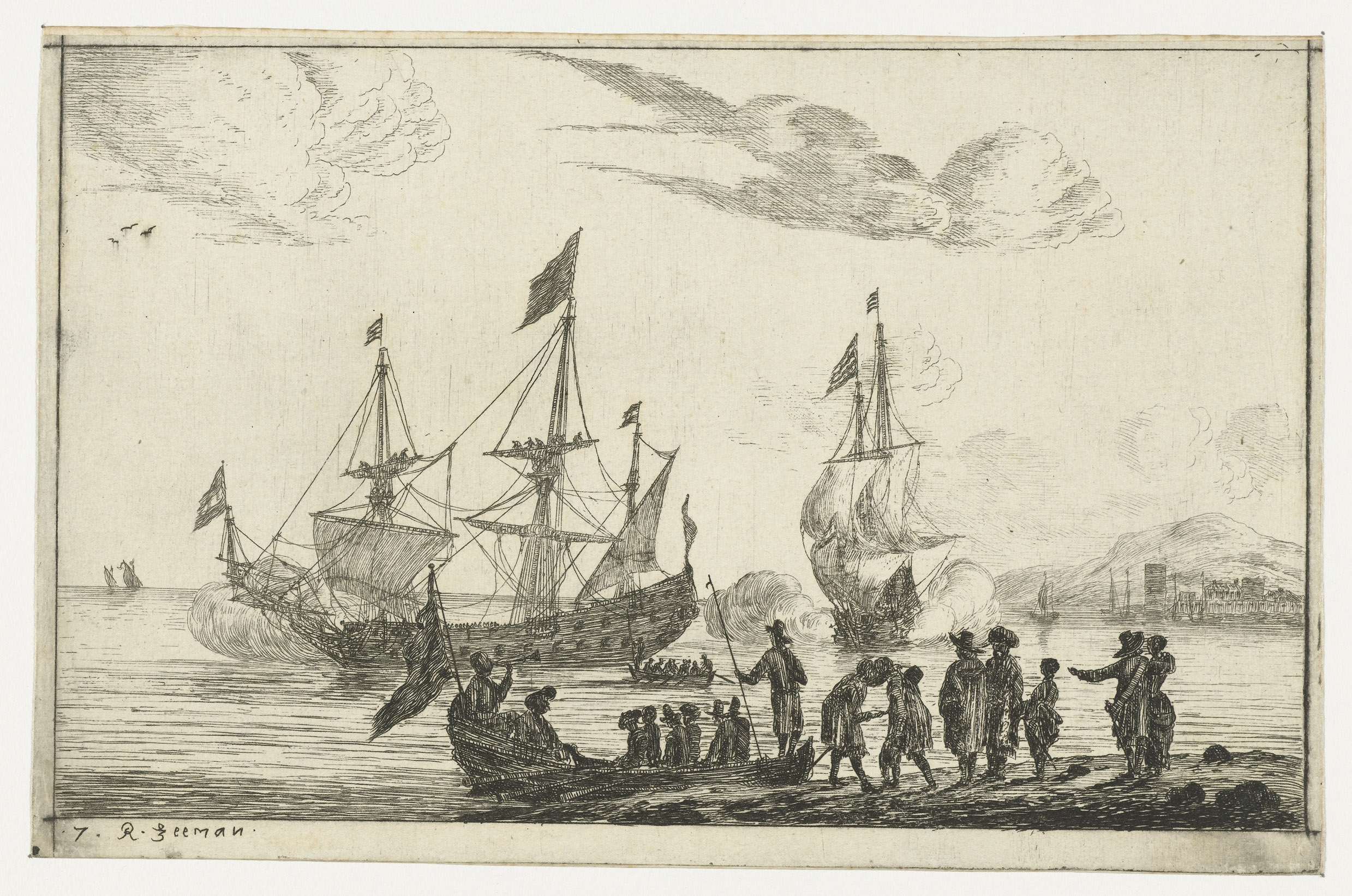
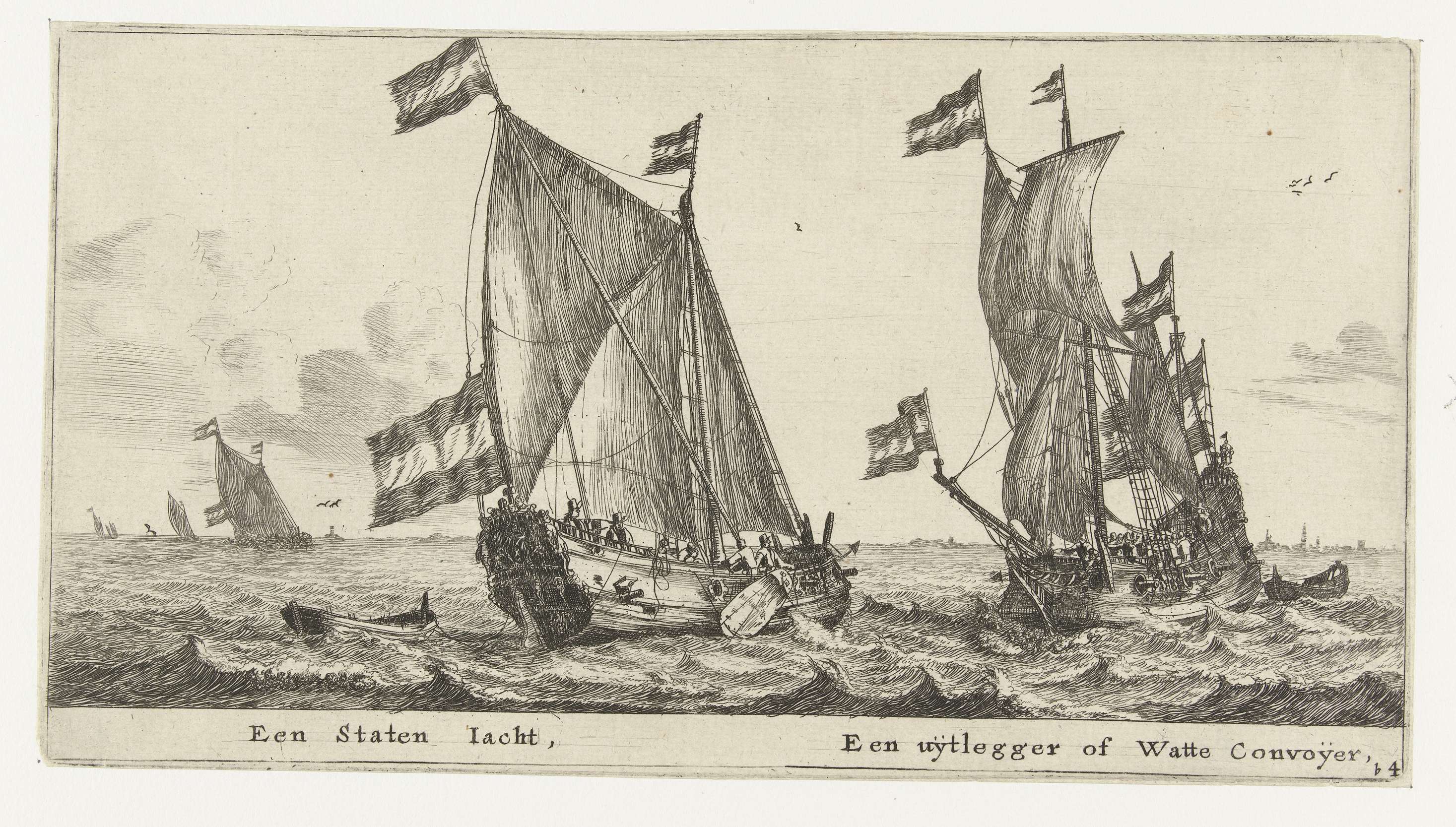
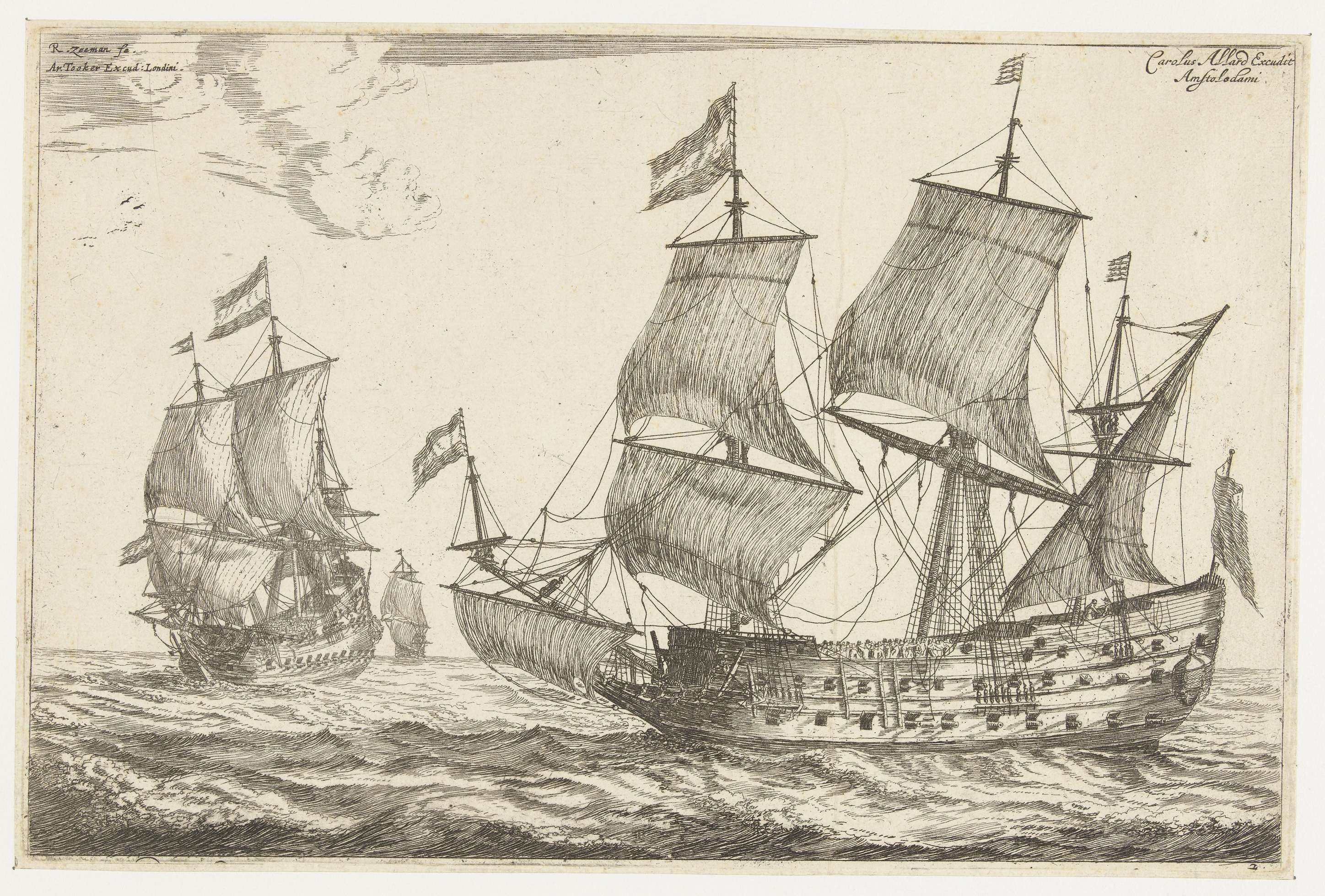
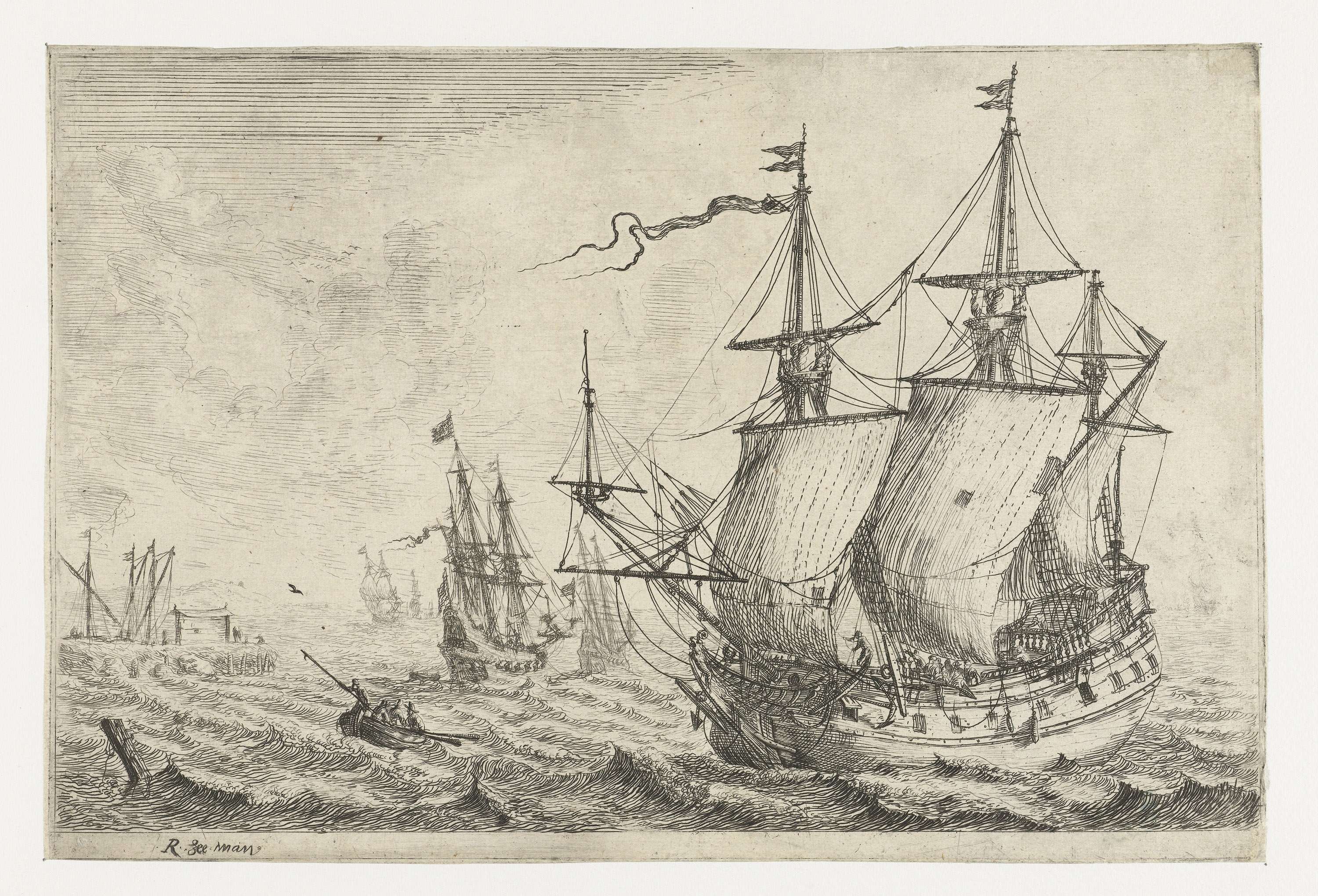
“To paint is to remember what time wants us to forget.” In the quiet hum of a harbor, hidden betrayals linger beneath the surface, waiting to be revealed. Each stroke held within the canvas whispers stories of ambition and treachery, casting a shadow over the vessels caught in still waters. Look closely at the foreground, where the two ships, 't Gele Fortuin and De Liefde, rest side by side. Their detailed rigging contrasts against the tranquil sea, which reflects a palette of soft blues and golds. Notice how the sun glints off the water, illuminating the hulls and creating a lively interplay of light and shade, accentuating the tense stillness as the ships await their fates.
The carefully composed arrangement draws the eye into a world of maritime trade, yet hints at the possibility of peril lurking just out of sight. Betrayal weaves through the veins of this work, evident in the careful positioning of the ships. The vibrant colors speak to prosperity, while the serene scene belies the treachery that can easily ensue on turbulent waters. Each ship, seemingly equal, may conceal its own agenda: allies or foes, partners or rivals.
Their juxtaposition invites viewers to ponder the alliances formed and broken in the relentless pursuit of fortune. Reinier Nooms created this work between 1652 and 1654 during the height of the Dutch Golden Age, a period marked by maritime dominance and economic ambition. Living in Amsterdam, he witnessed a world brimming with exploration and trade, where the seas were not just highways for commerce but also breeding grounds for political maneuvering and betrayal. This context deeply informs the painting, encapsulating the duality of beauty and treachery inherent in life at sea.