De vervallen wal te Amsterdam met de Weteringpoort, gezien over de Buitensingel — History & Analysis
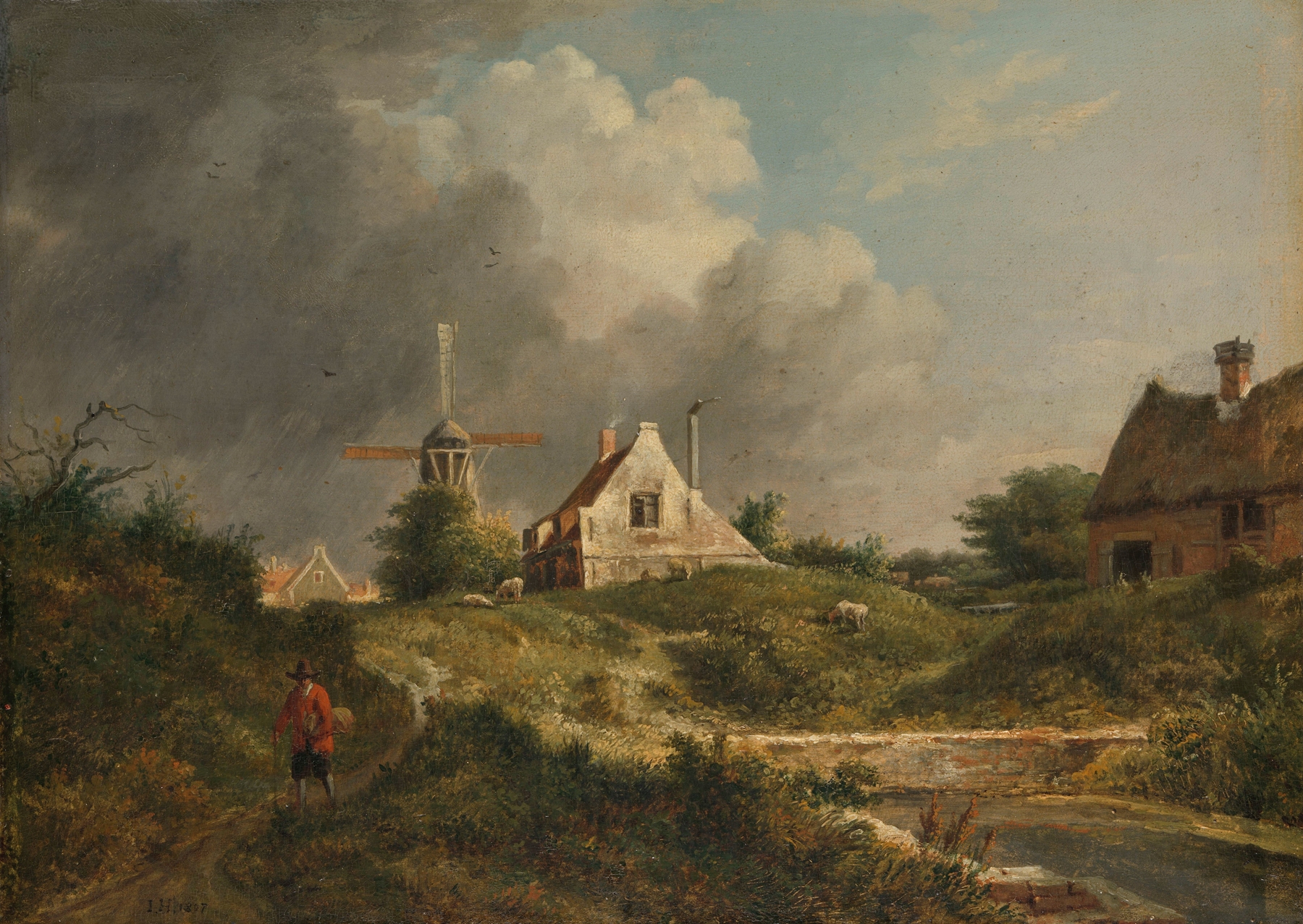
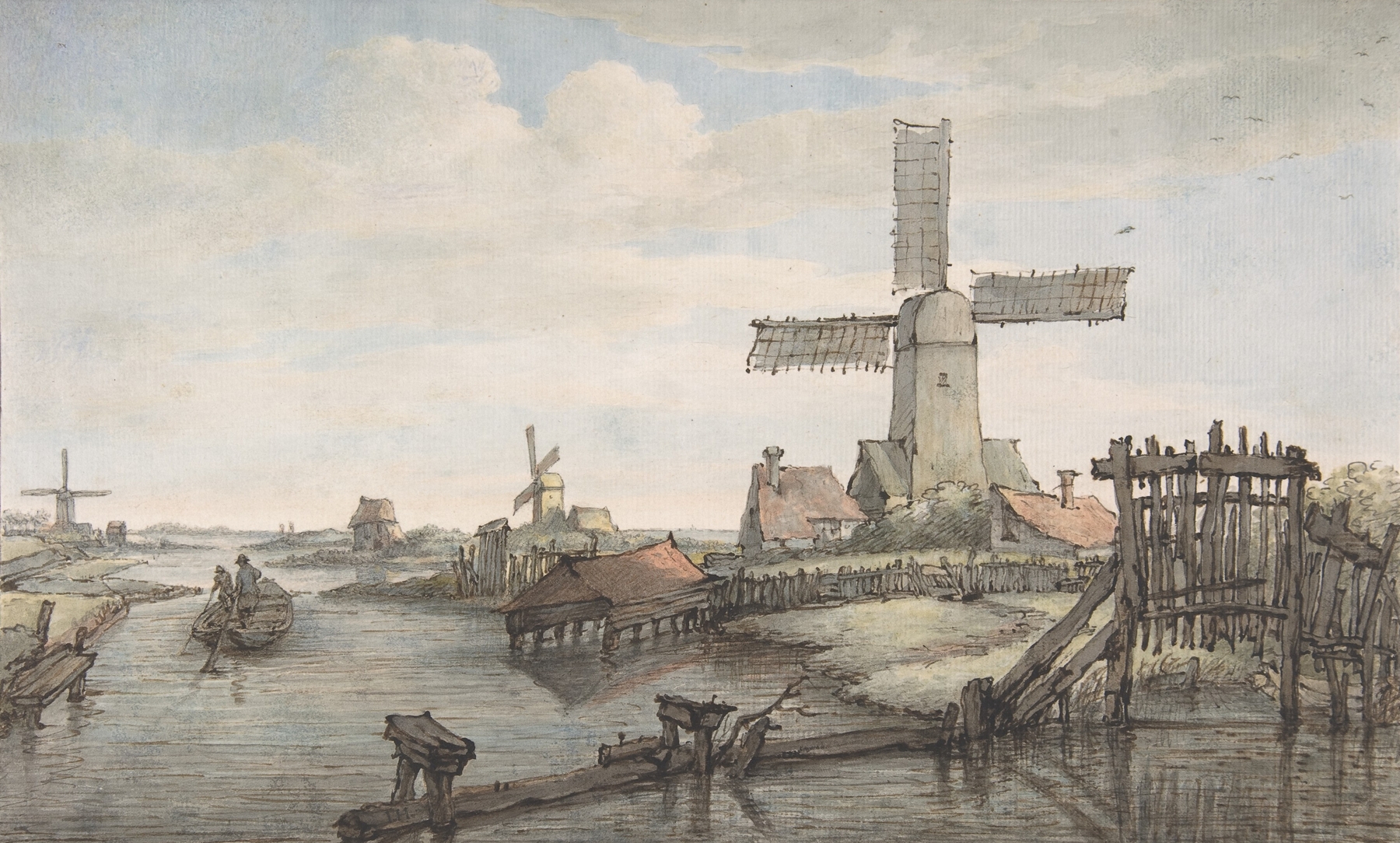
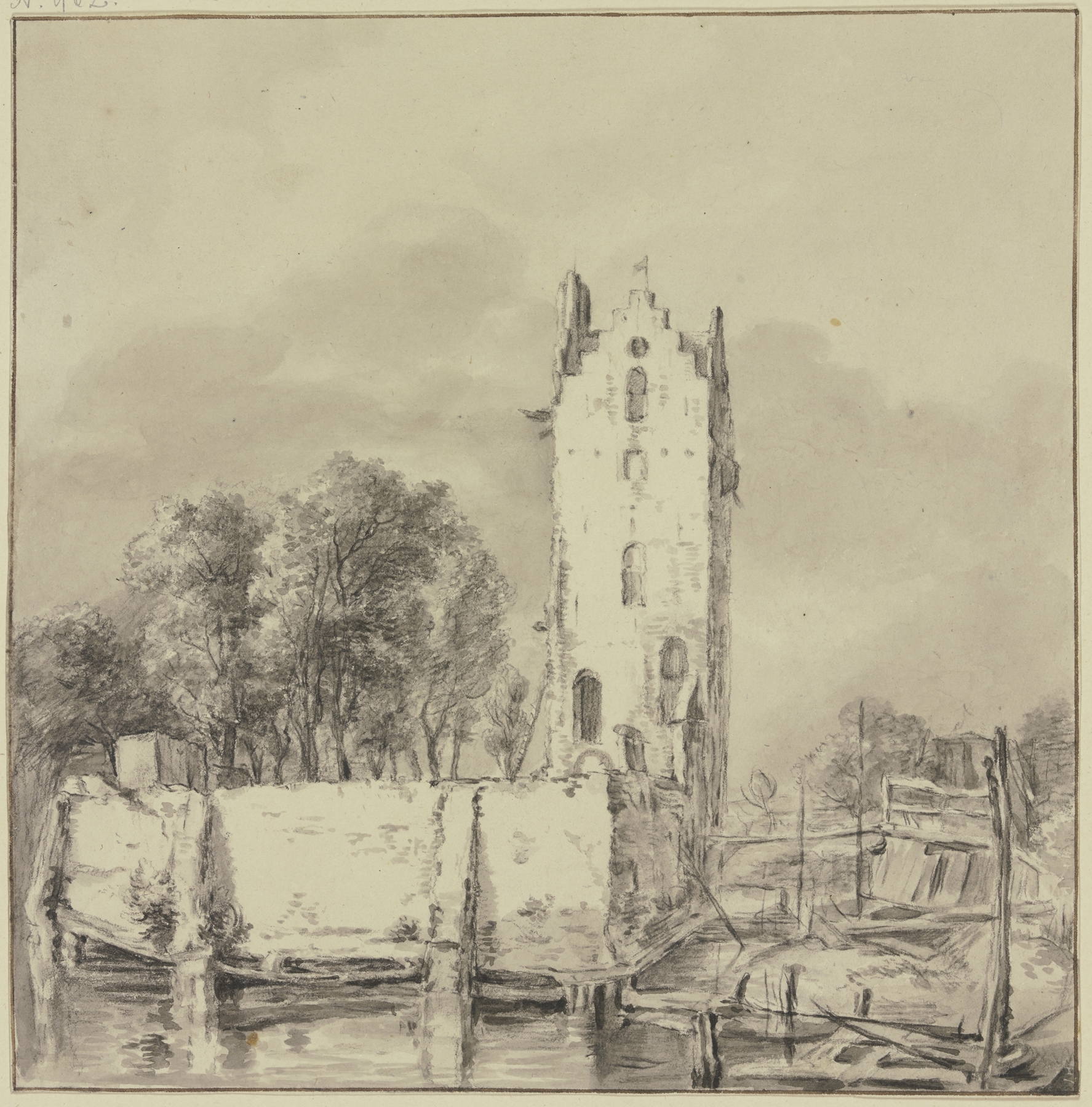
What secret hides in the quiet of the canvas? In the stillness of De vervallen wal te Amsterdam met de Weteringpoort, gezien over de Buitensingel, an invitation unfolds, whispering of hope through the decay of time. Look to the center, where the weathered ramparts rise against a muted sky. The artist’s careful brushstrokes reveal hints of verdant life clinging to the crumbling walls, a striking contrast to the somber, gray palette.
Notice how the light plays gently on the surface of the water, reflecting the faded grandeur of the surrounding landscape. Each element in the composition seems to breathe, suggesting a history layered beneath the surface. Beneath the surface, emotional tensions arise from the juxtaposition of decay and renewal. The ruined fortifications represent the passage of time and the inevitable decline of what was once grand, yet the vibrant greens evoke a sense of resilience and the persistent spirit of renewal in nature.
The Weteringpoort stands as a silent sentinel, embodying both the fragility of human constructs and the enduring beauty of the world. Jan Hulswit painted this work in 1807 during a time of personal reflection and a shifting artistic landscape in the Netherlands. The country was emerging from years of upheaval, and the Romantic movement was beginning to take root, which emphasized nature, the sublime, and personal emotion. In this context, Hulswit sought to capture the serenity found in decay, offering viewers a poignant reminder of hope amidst the ruins.