Winterlandschaft mit Schiffhebewerk und Windmühle — History & Analysis
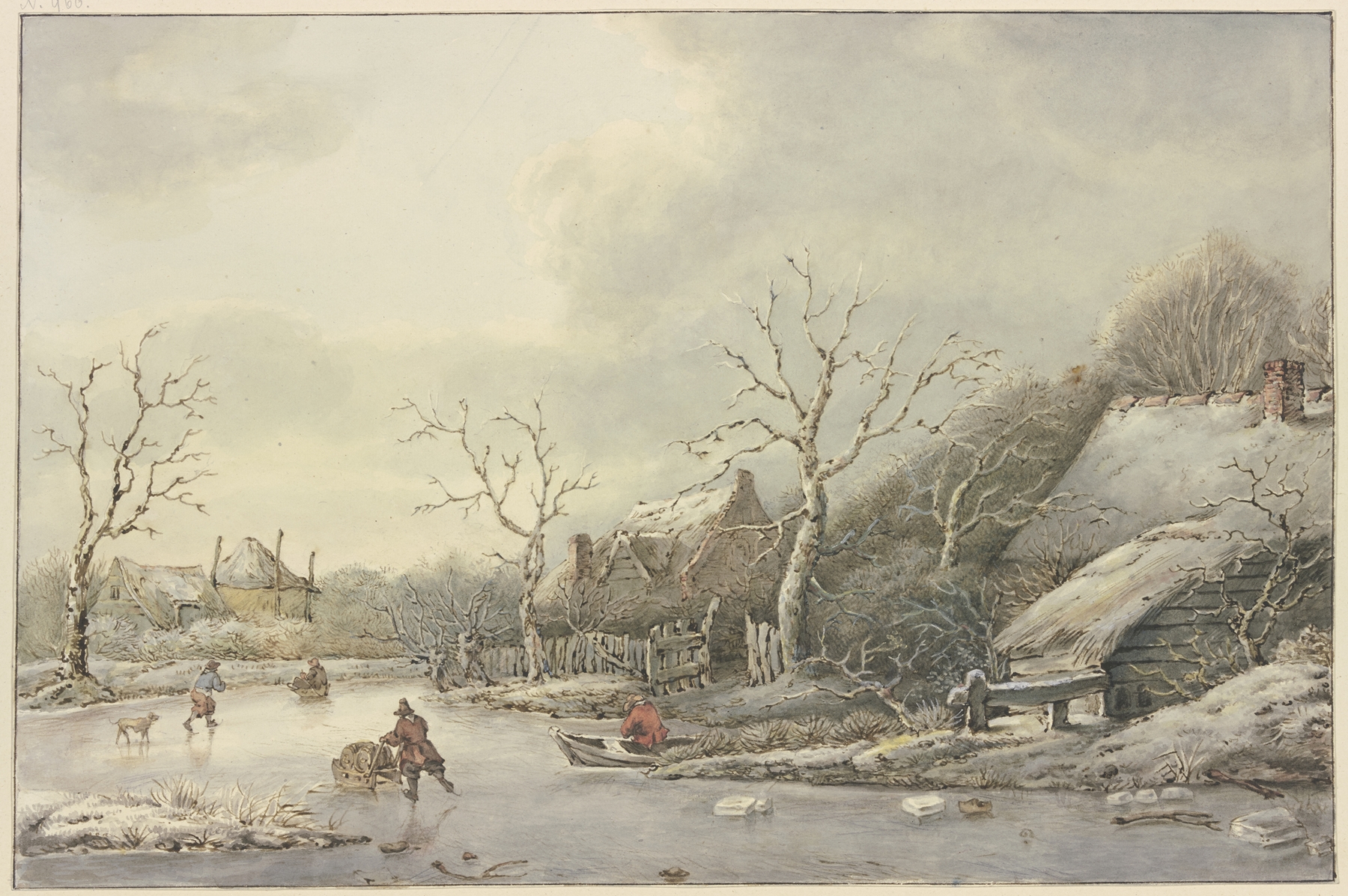
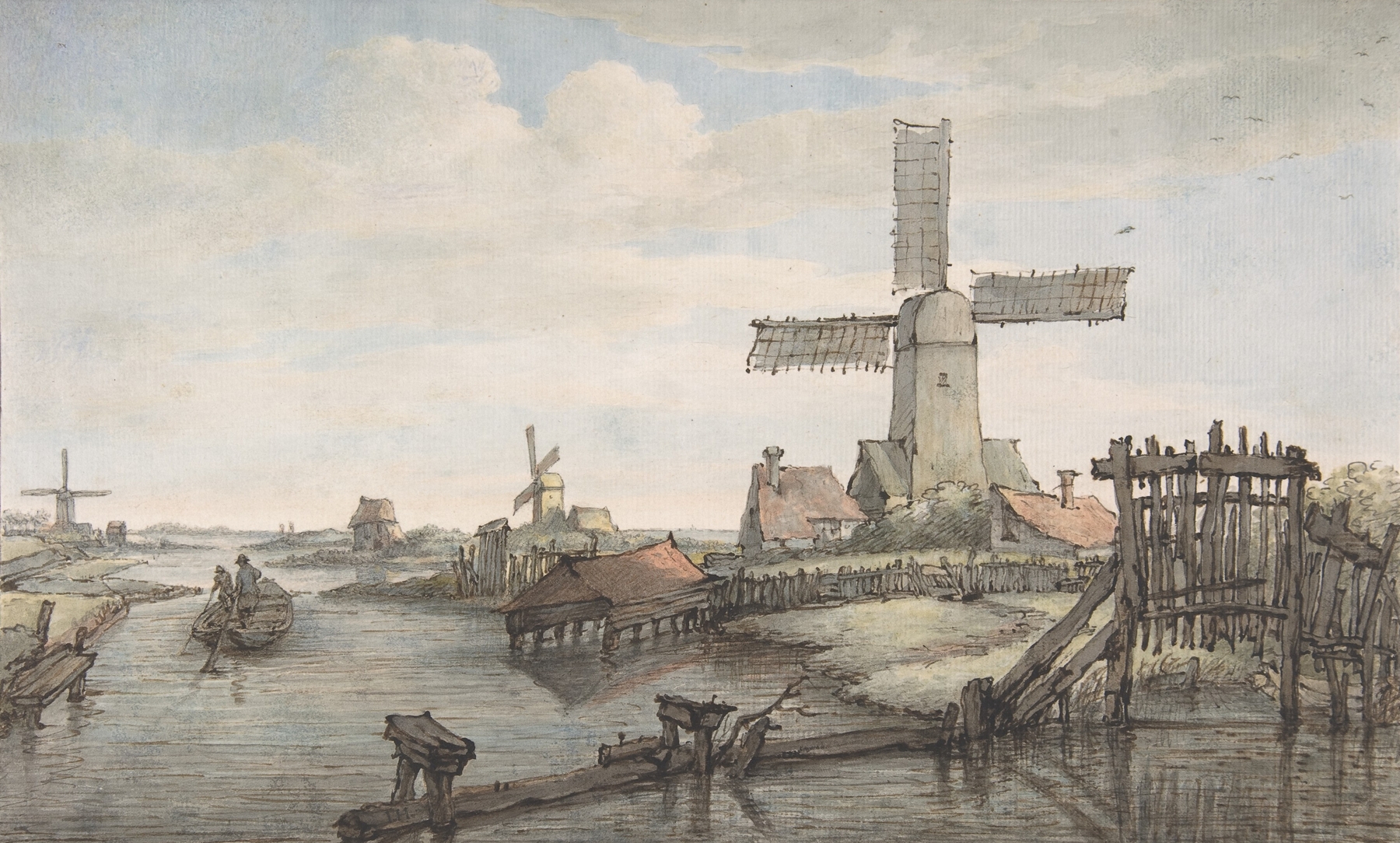
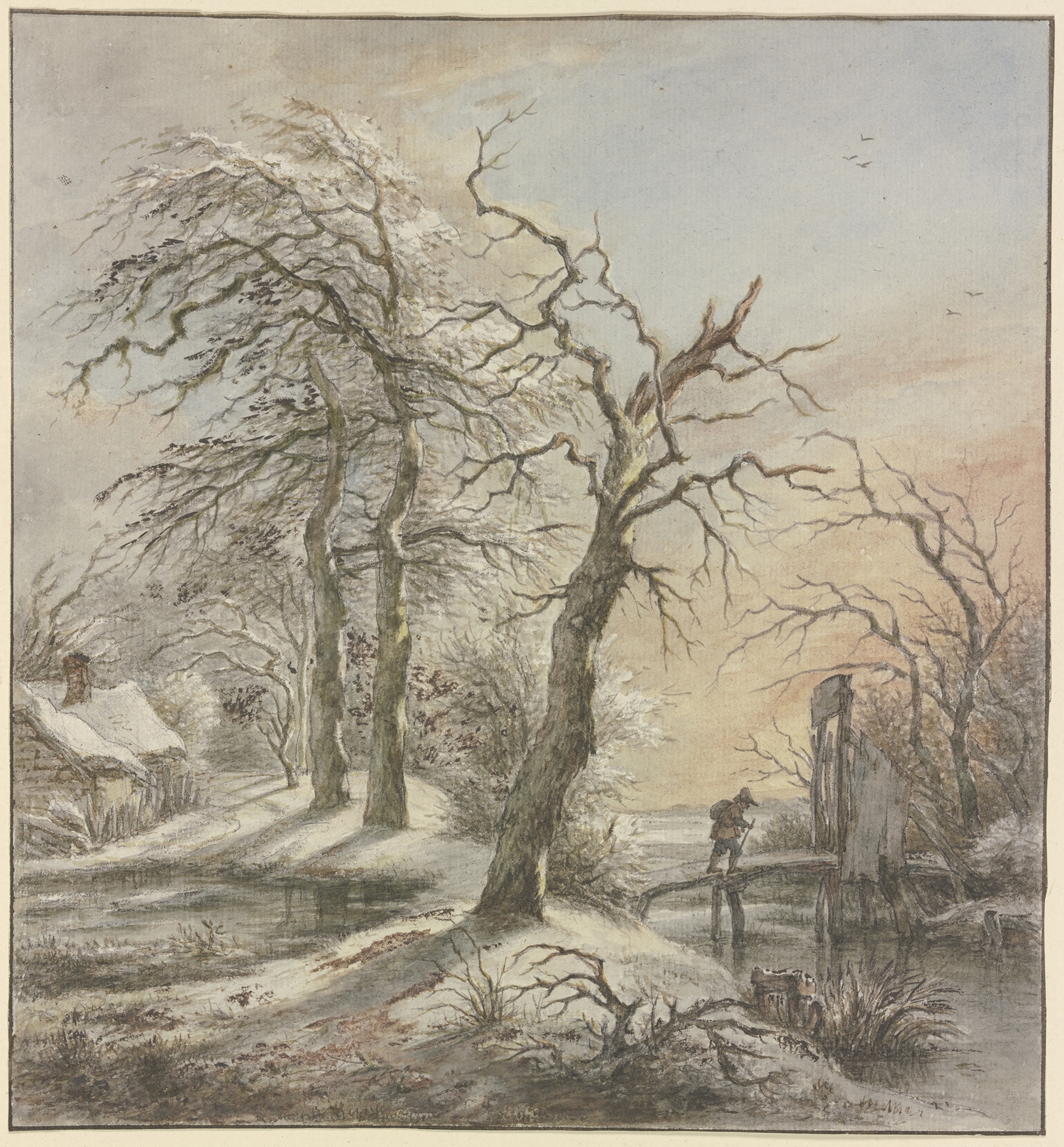
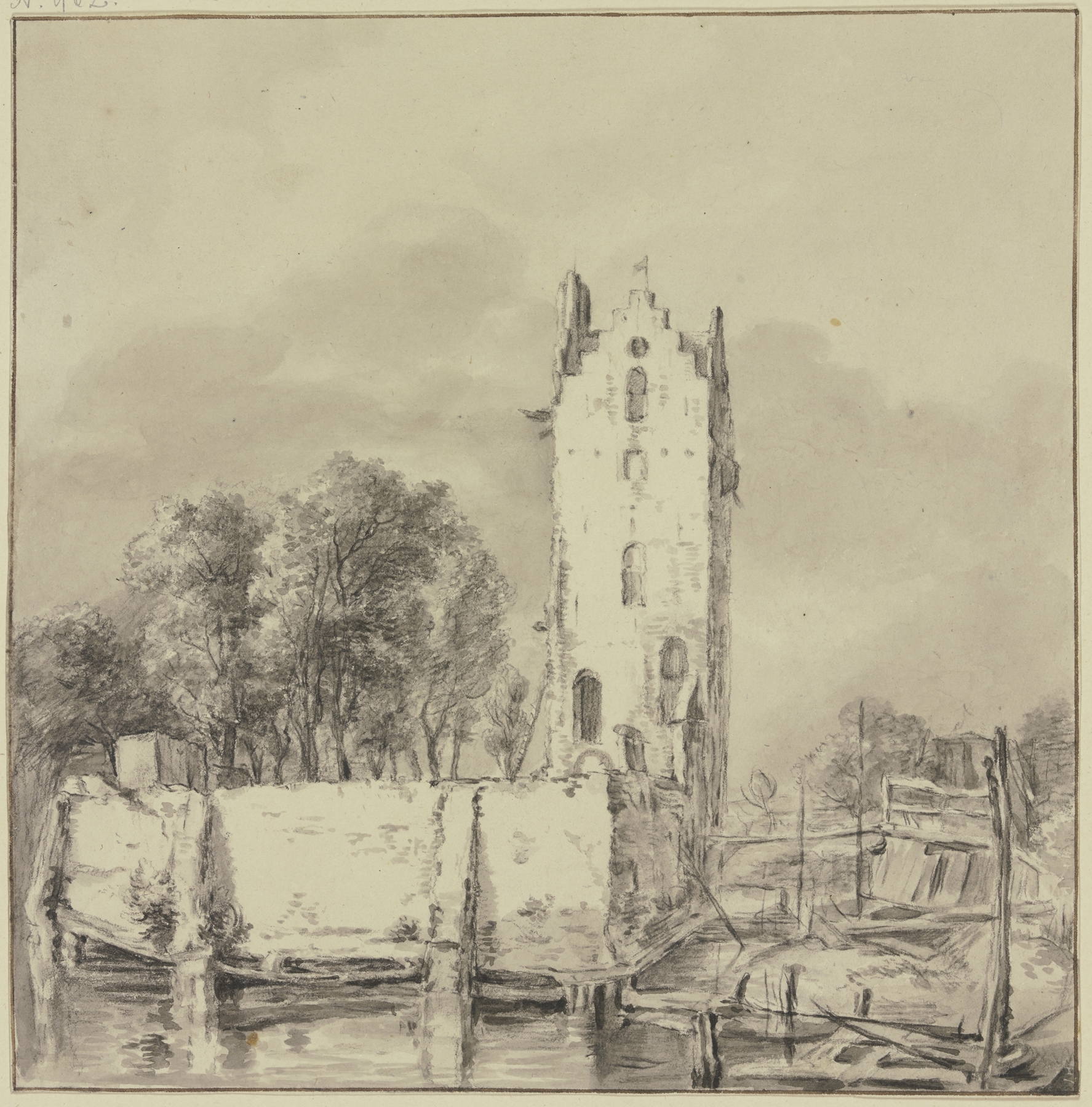
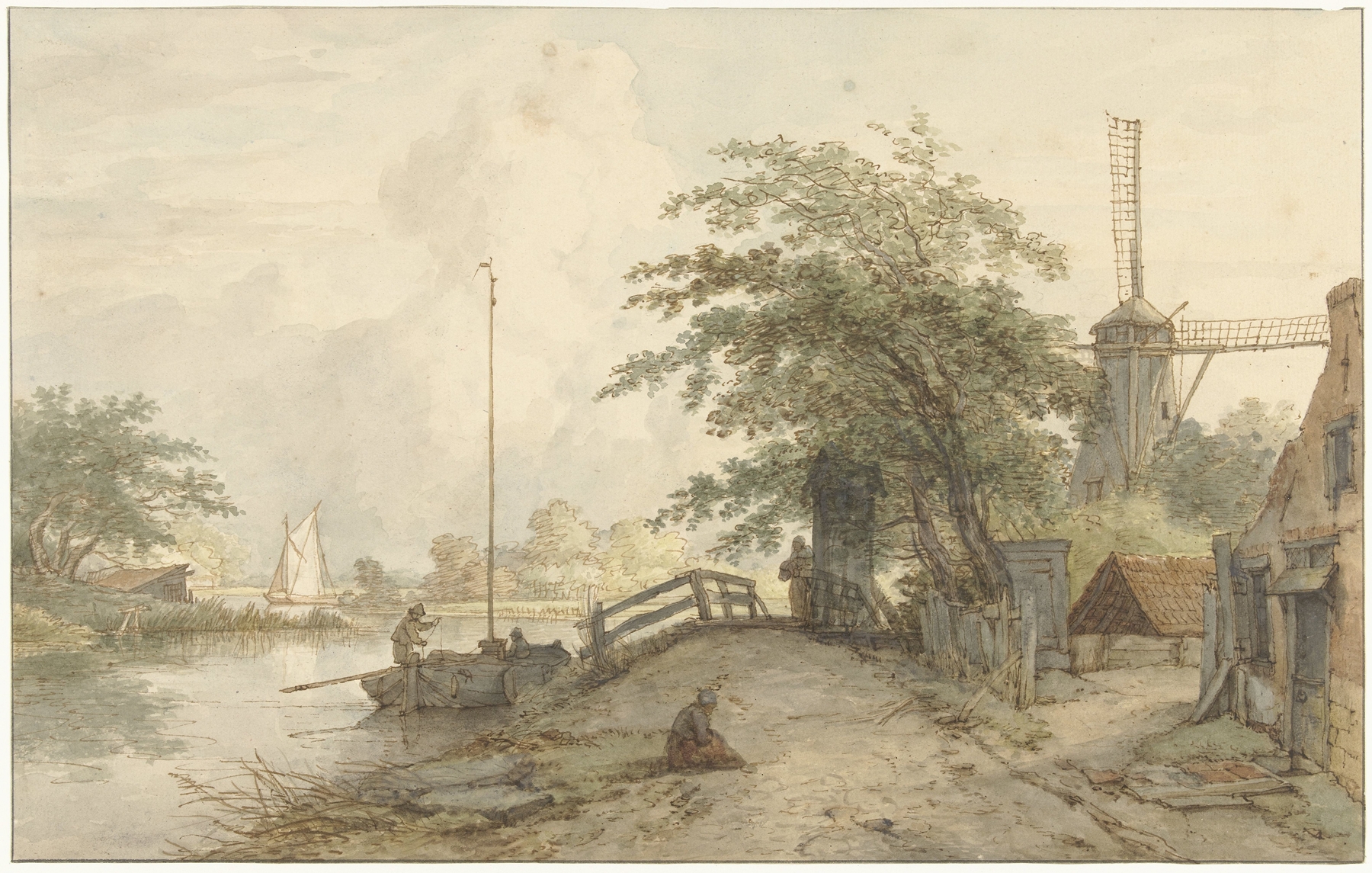
What if silence could speak through light? In the stillness of a winter landscape, the interplay of soft hues and stark forms invites the viewer to reflect on the profound beauty of the mundane. Look to the middle ground, where a white windmill stands resolutely against a grey sky, its sails seemingly frozen in time. The ship lift looms nearby, a mechanical giant gently cradling vessels, as cool blues and whites dominate the palette, evoking a chill yet serene atmosphere.
Hulswit’s brushwork marries precision with a gentle touch, creating an almost dreamlike quality that juxtaposes the starkness of the machinery with the delicate beauty of the wintry scene. Delve deeper, and you’ll find emotional contrasts woven into the fabric of this composition. The windmill, a symbol of human endeavor, hints at life and labor, while the ice-laden waters below evoke a sense of stillness and melancholy. The warm light peeking through the clouds offers a glimmer of hope, suggesting transcendence amid the stark realities of winter.
Together, these elements speak to the resilience of both nature and humanity, a reminder of the enduring spirit even in times of quiet desolation. Jan Hulswit created this work during a time when Dutch painting was evolving, influenced by the rise of Romanticism and a growing fascination with landscape themes. While the exact date remains unknown, it is believed to have been painted in the early 19th century, a period marked by a shift towards emotional expression and a deeper connection to the natural world, reflecting the artist's personal journey and the broader artistic movements of his time.