Turm bei einer Mauer, von Wasser umgeben — History & Analysis
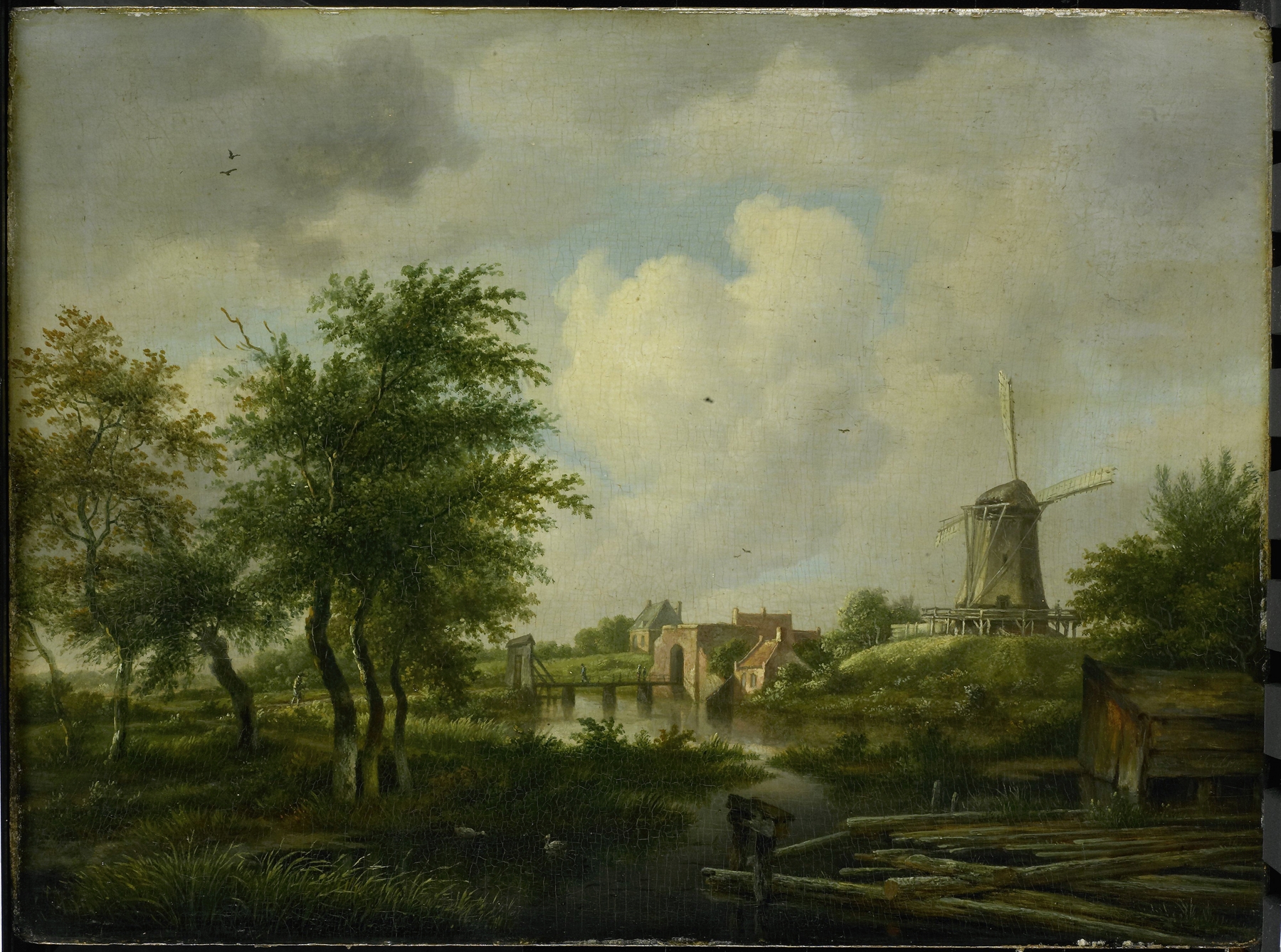
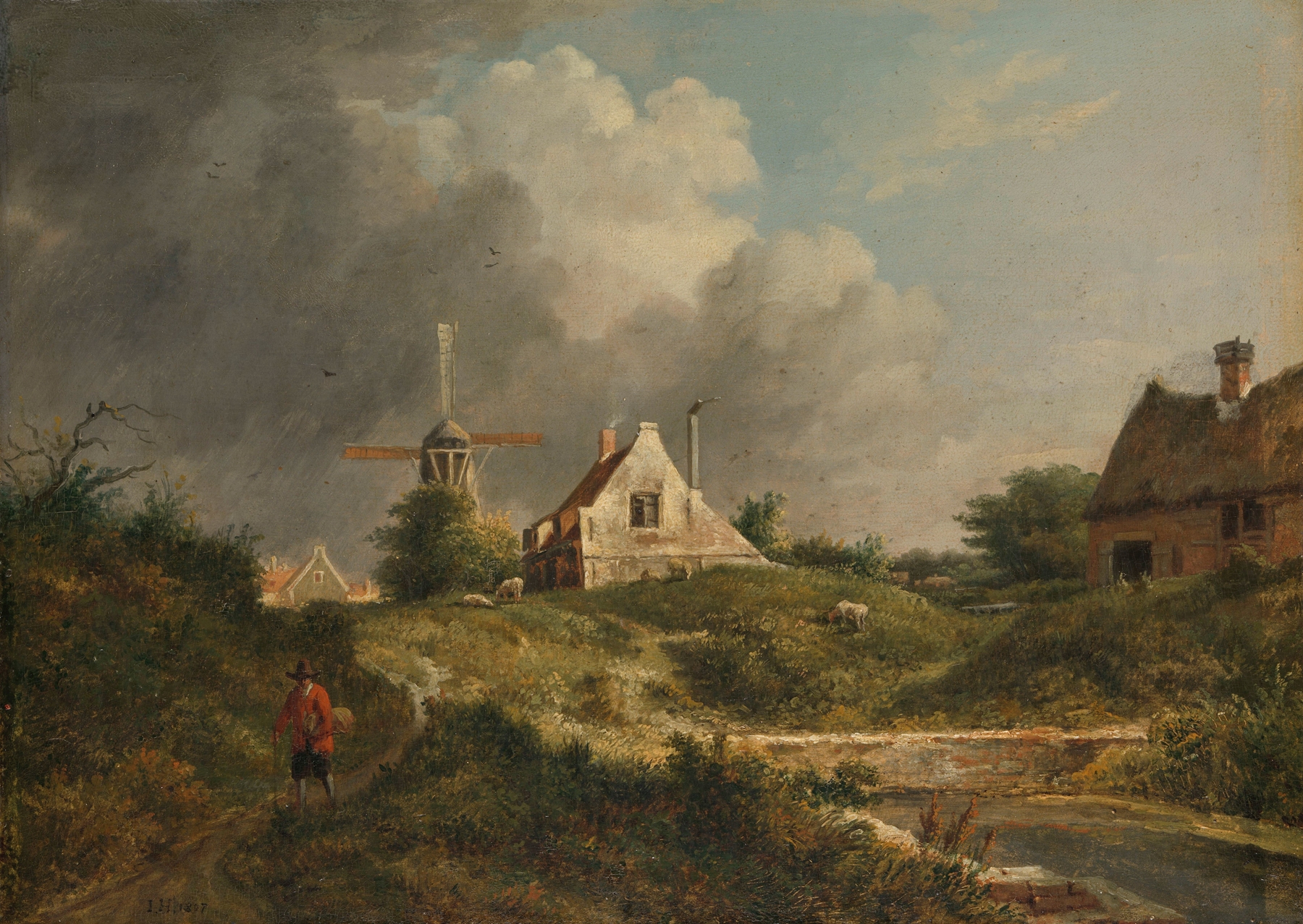
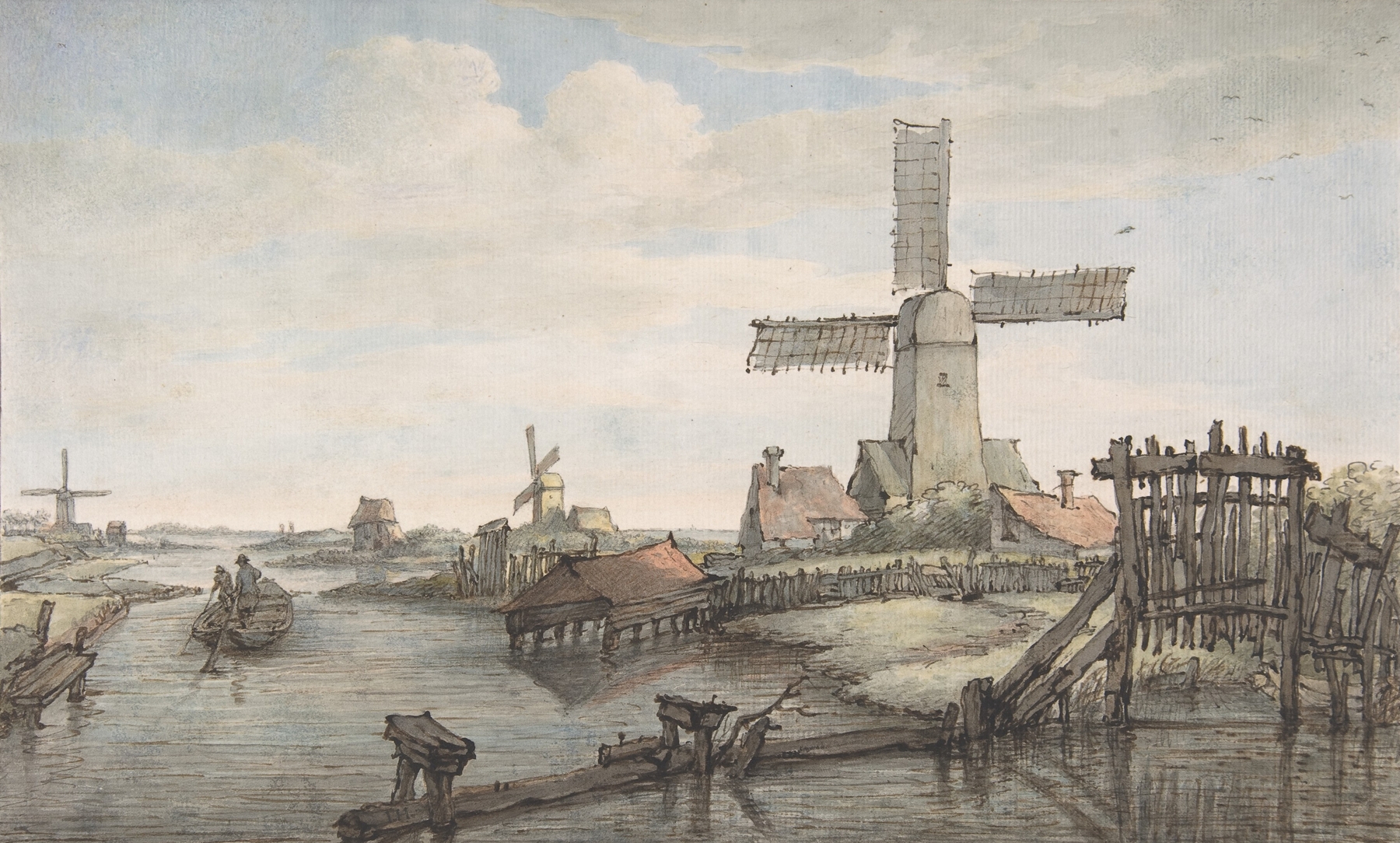
When did color learn to lie? The hues before us shimmer with an allure that begs for scrutiny, whispering secrets hidden beneath their vibrant facade. In the interplay of light and shadow, truth dances on the edge of perception, inviting us to question our own interpretations. Look to the left at the brilliant strokes of blue and green that envelop the base of the tower, reflecting the water surrounding it. The gentle transition of colors from the bright cerulean sky to the murky depths anchors the structure, while the warm tones of the wall draw the eye upwards, creating a striking contrast.
Notice how the light captures the texture of the brick and the fluidity of the water, revealing the artist’s meticulous technique. Each brushstroke seems to quiver, as if the scene breathes with life under the watchful gaze of the sun. Beneath its deceptively serene surface, the painting encapsulates tension—a struggle between the solid, unyielding tower and the ephemeral elements of nature that surround it. The juxtaposition of the manmade and the organic sparks a dialogue on permanence and transience.
The colors pulse with emotional weight, suggesting the passage of time and the erosion of memories, leaving us to ponder what remains when nature inevitably reclaims its dominion. Jan Hulswit created this piece in a time when art was shifting towards an exploration of light and atmospheric effects, though the exact date remains uncertain. Working in the Netherlands, Hulswit was part of a period characterized by the Baroque’s dramatic contrasts and the emergence of a focus on natural landscapes. His experimentation with color and light mirrored broader artistic trends, suggesting an evolving understanding of how these elements could transcend mere representation, tapping into deeper emotional realms.