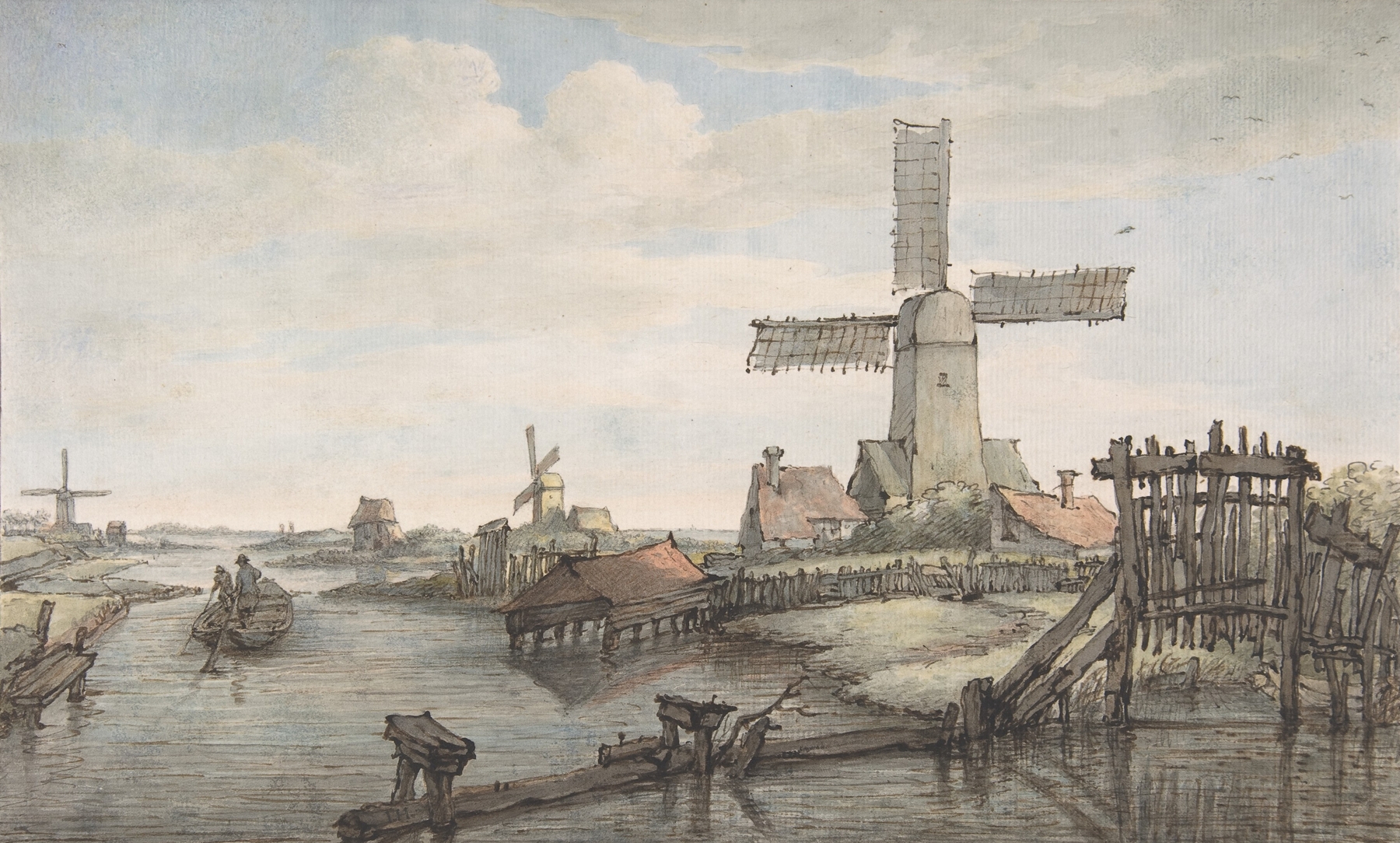
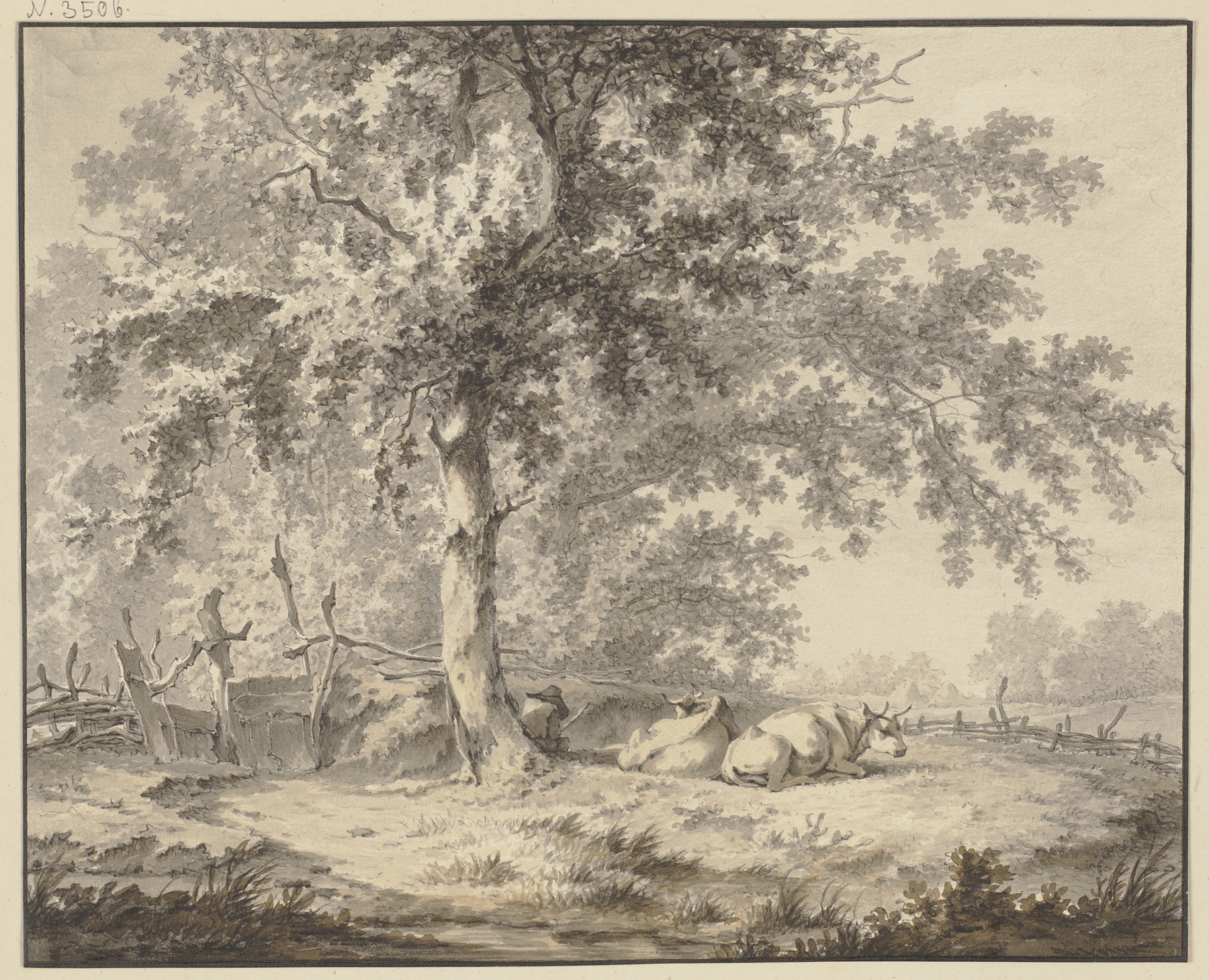
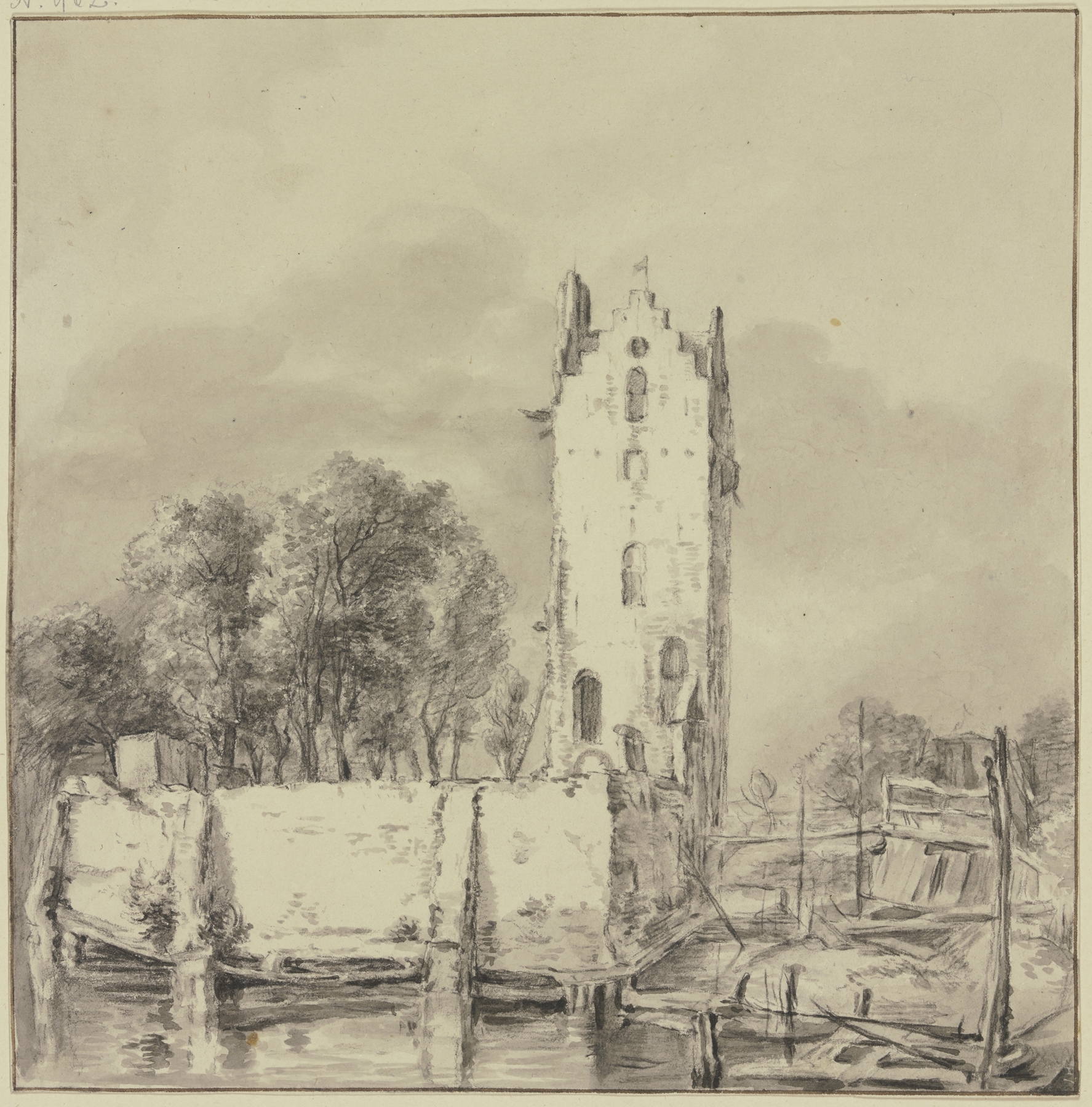
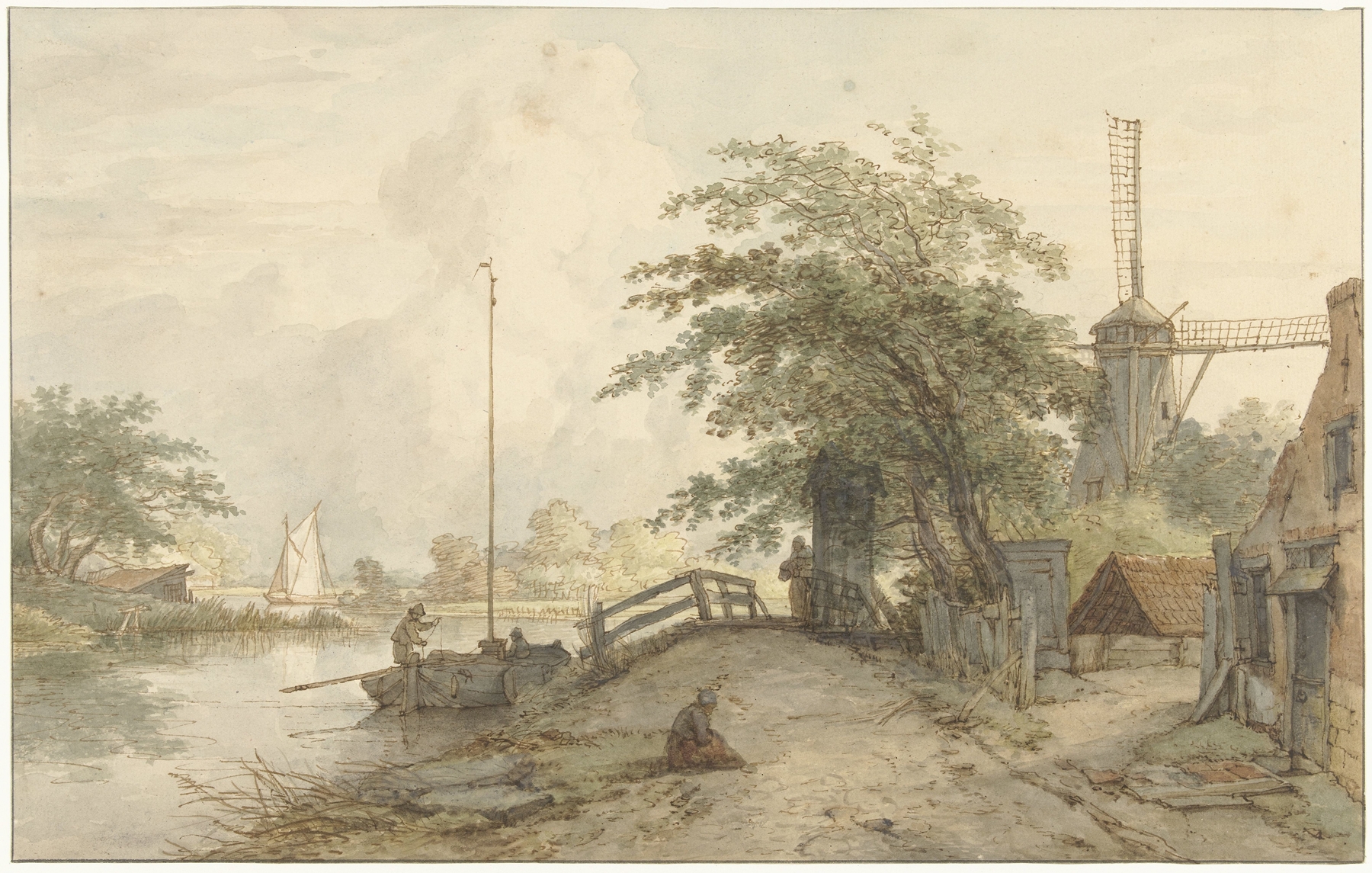
Bei zwei Bäumen ein Haus am Wasser, ein Steg, rechts die Spitze eines Kahnes — History & Analysis
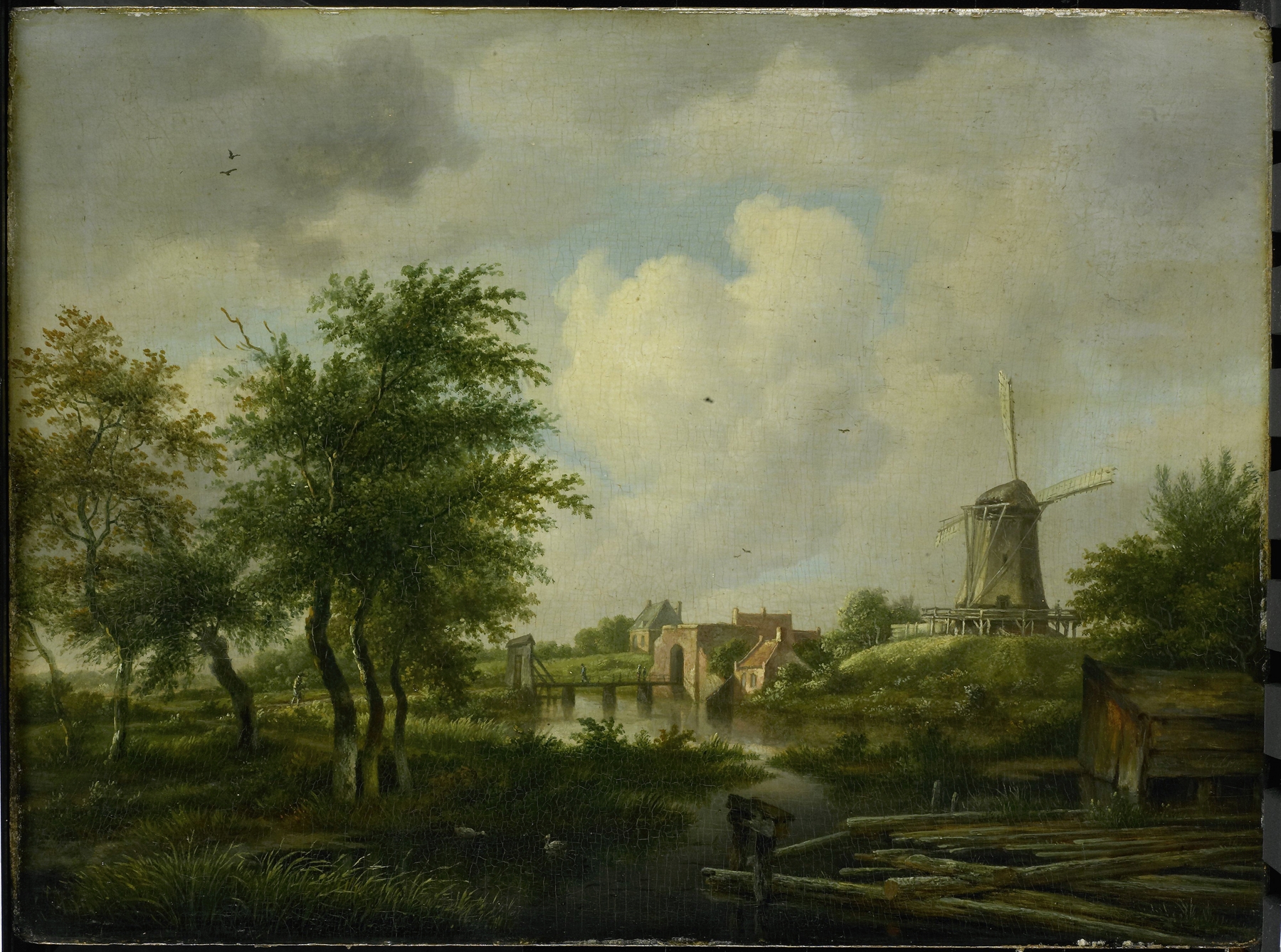
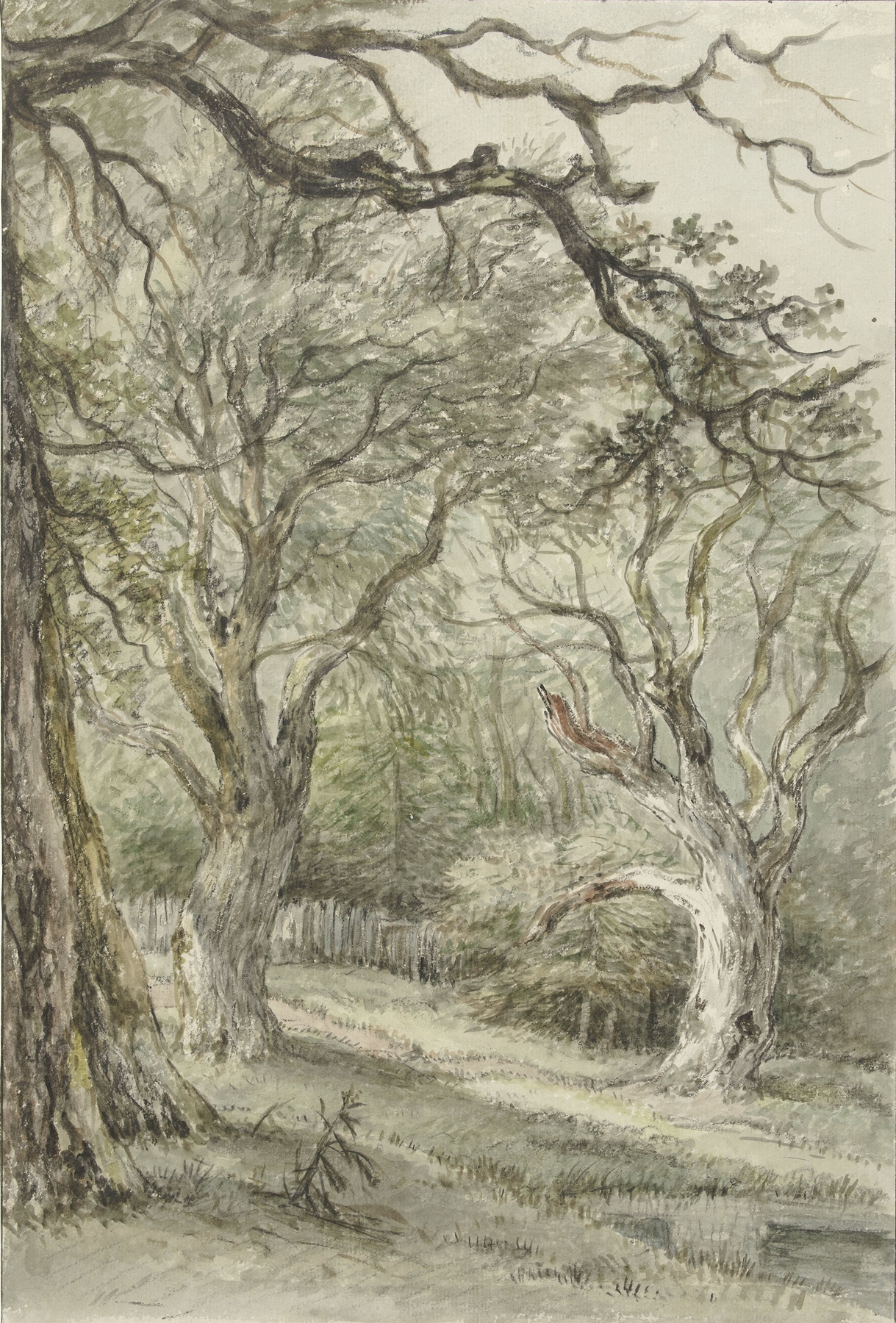
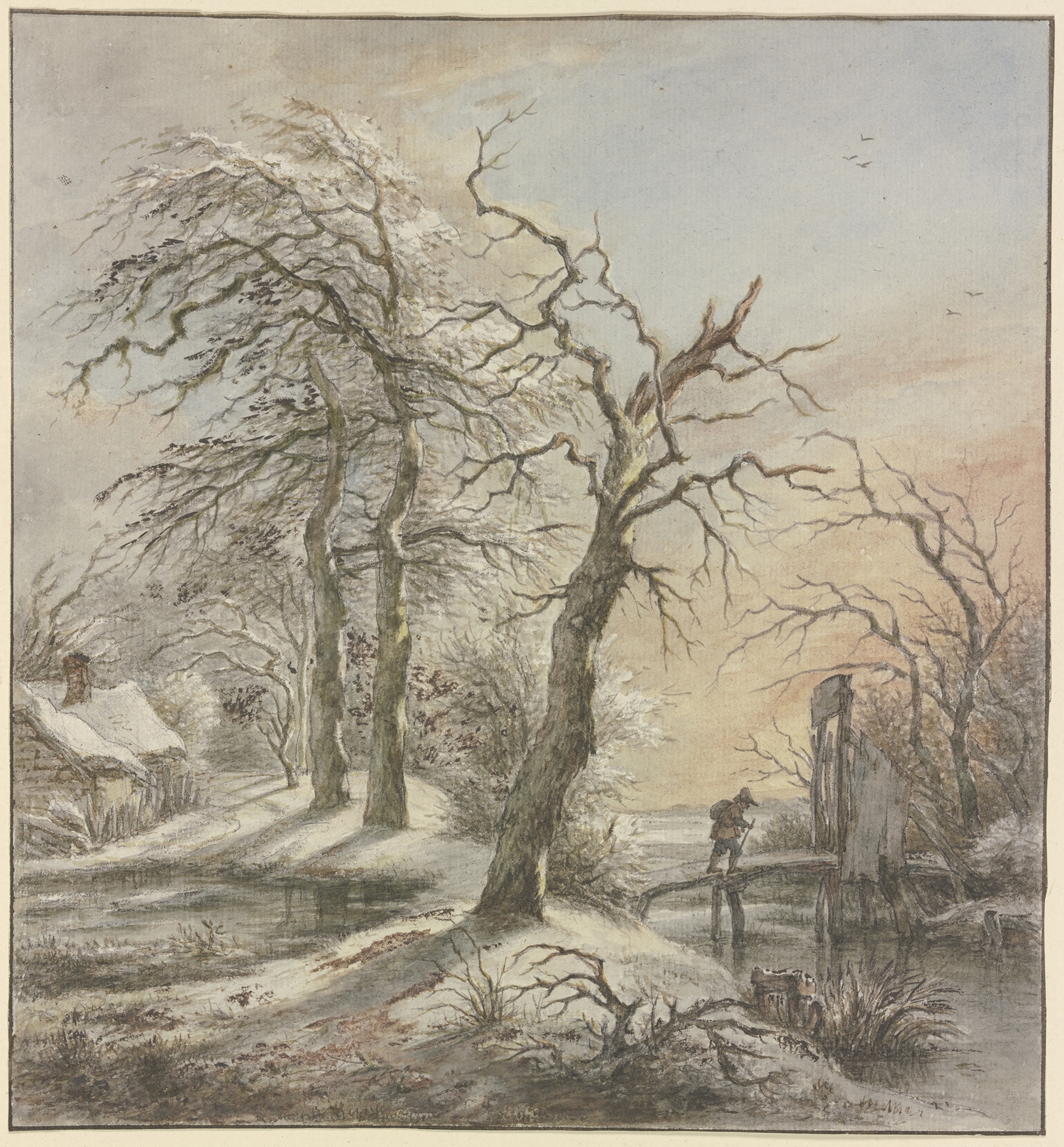
“Every silence here is a confession.” In the stillness of this landscape, innocence breathes amidst the gentle embrace of nature, revealing layers of truth hidden beneath the surface. Focus first on the serene waters that cradle the scene. The subtle ripples reflect the dappled light filtering through the leaves of the trees, creating a dance of shadows that invites contemplation. Notice how the house stands as a quiet witness, its presence anchored by the sturdy wooden steeple jutting toward the sky, embodying a harmony between human creation and the natural world.
The soft palette of greens and browns whispers of tranquility, while hints of blue beckon the viewer to wander deeper into this idyllic realm. As you explore the details, consider the contrast between the stillness of the house and the ephemeral nature of the water. The splashes of life in the form of a boat’s tip, just barely visible, suggest movement and potential, while the encompassing silence of the trees embodies a timeless innocence. Together, they speak of a delicate balance—between the fleeting and the eternal, the known and the unknown.
Jan Hulswit painted this piece during a time when the Netherlands was embracing a new wave of Impressionist influences. While the exact date remains elusive, the work reflects his desire to capture serene moments in nature, a departure from the more chaotic themes of urban life. The tranquility of this scene mirrors Hulswit’s own pursuit of peace amidst the evolving art world, inviting viewers to pause and reflect on the innocence that remains in stillness.