De voet van de Montelbaanstoren, bij avond — History & Analysis
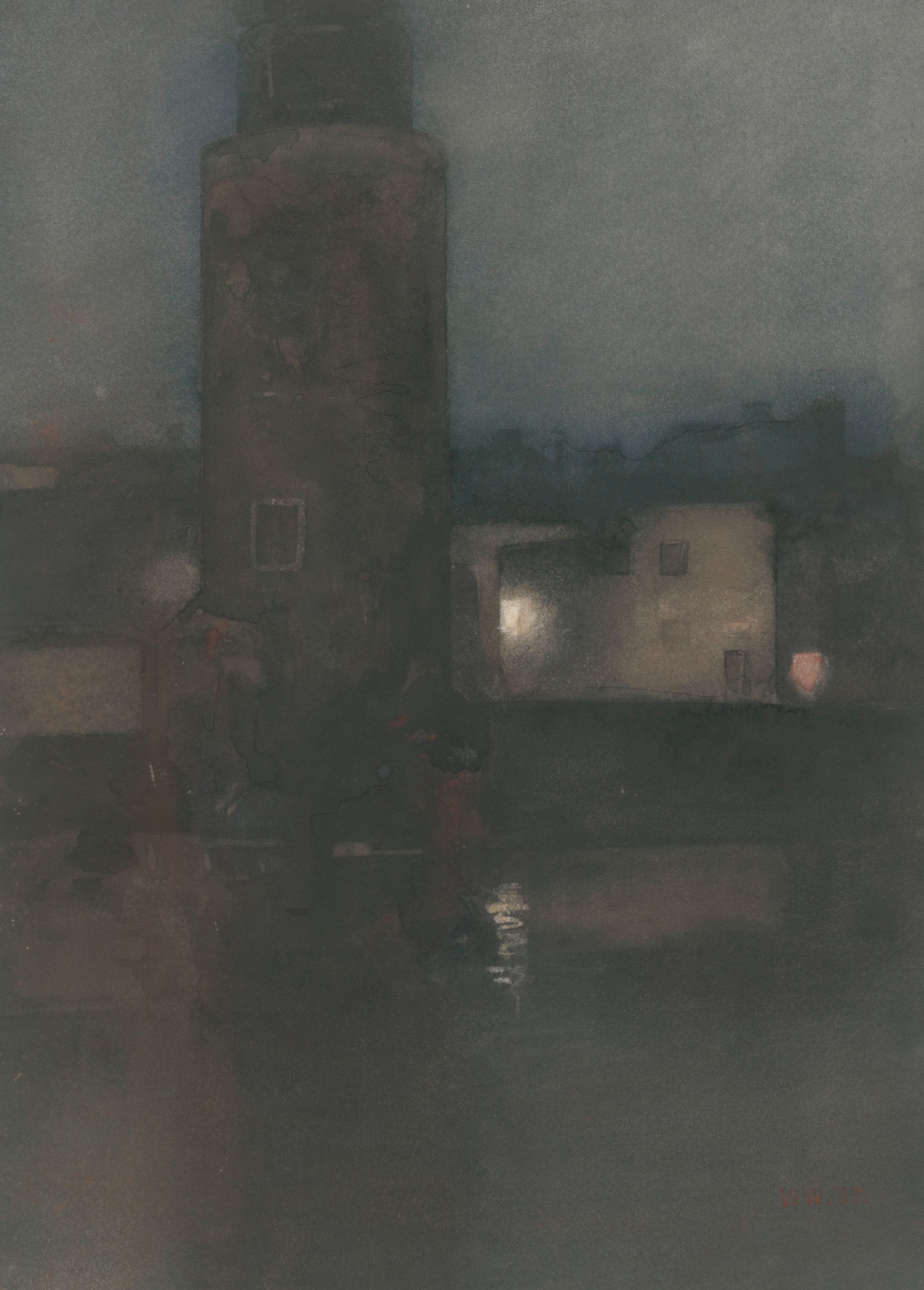
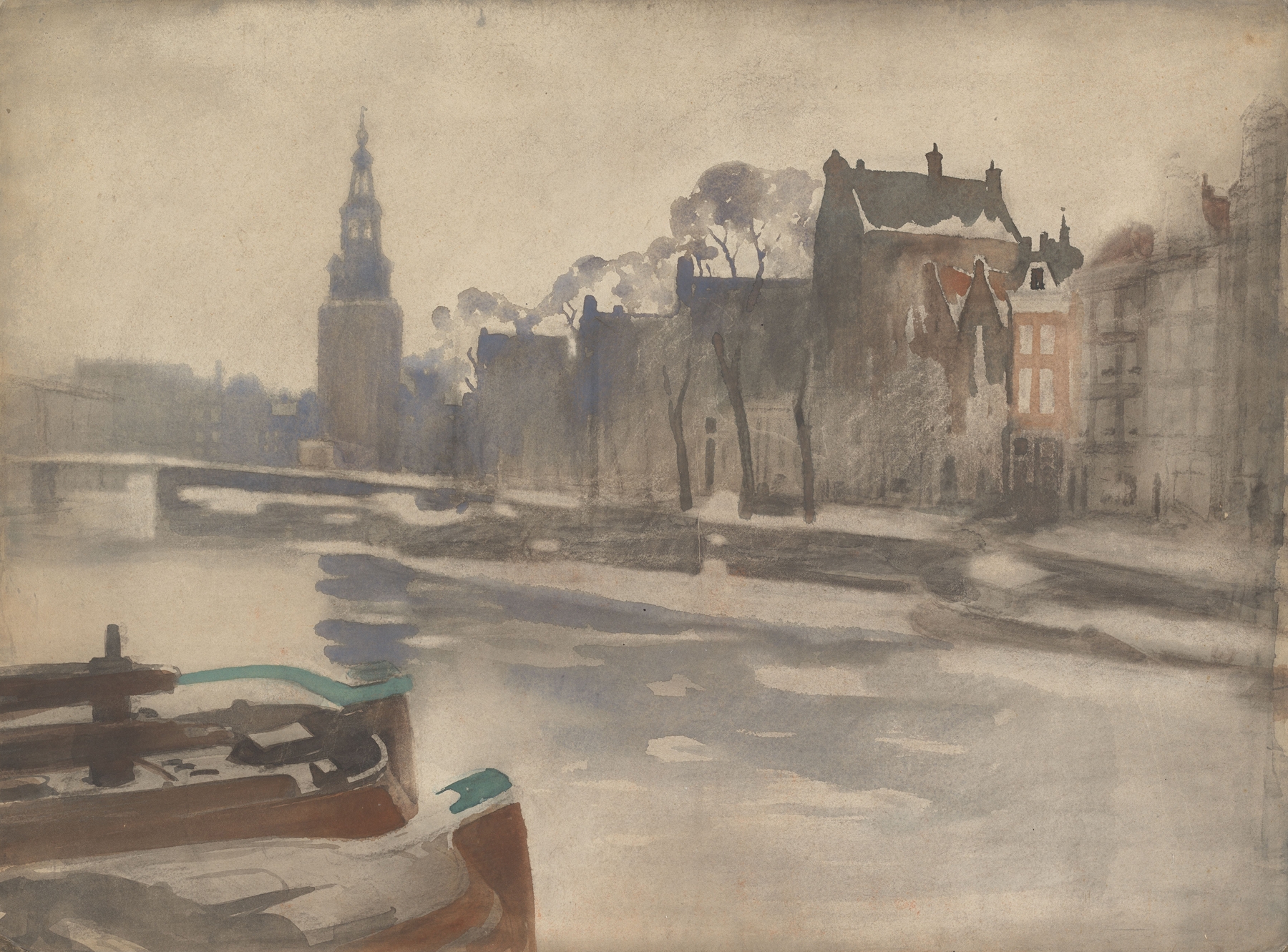
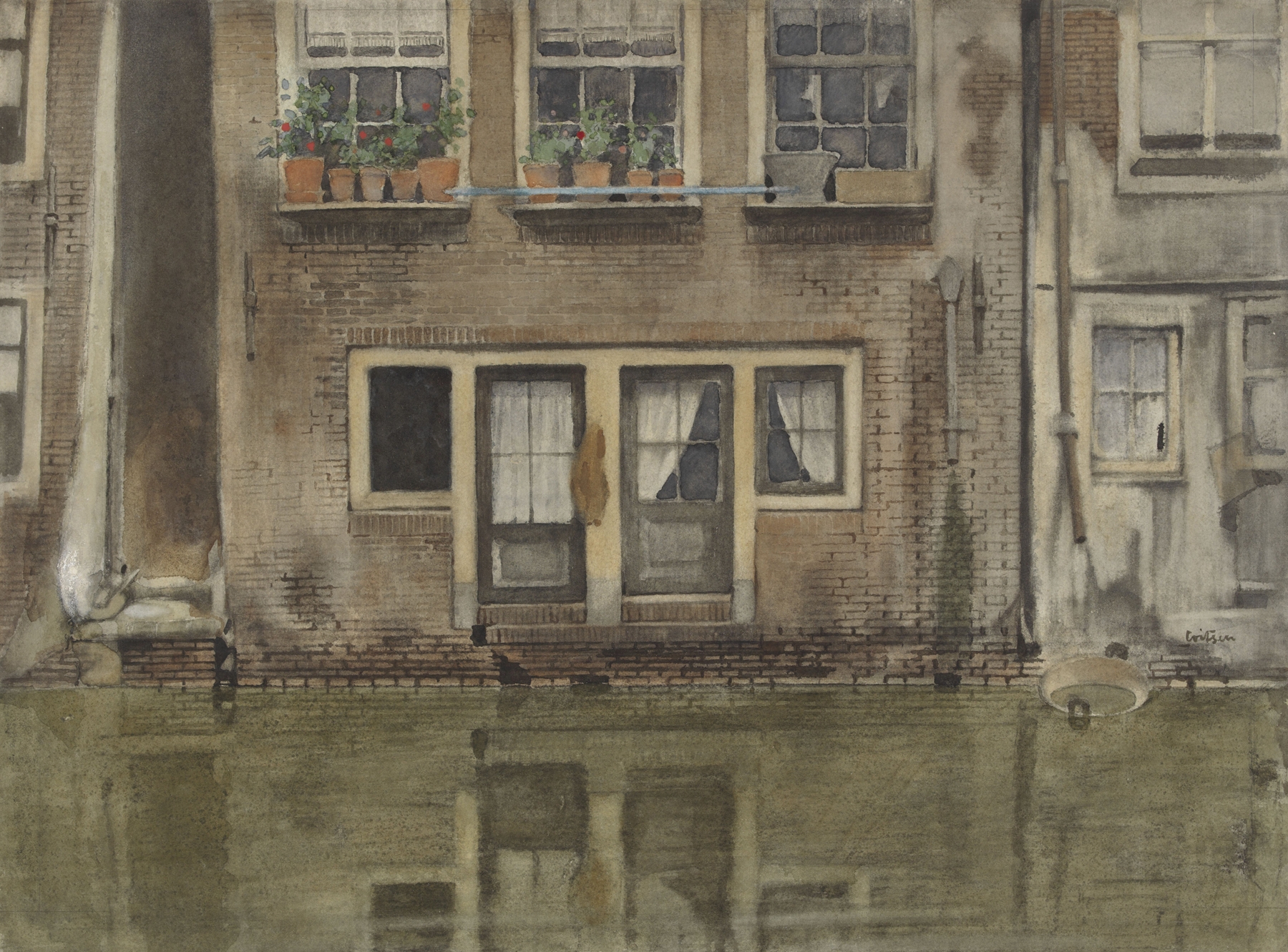
What if silence could speak through light? In the gentle embrace of twilight, echoes of a bygone era linger in the air, whispering tales of both beauty and loss. Focus on the tranquil water in the foreground, where warm reflections shimmer and dance—an invitation to linger. Notice how the fading light casts deep shadows against the Montelbaanstoren, defining its contours with a soft caress.
The artist’s brush evokes a sense of stillness, while the muted palette of ochres and blues creates a melancholic harmony that resonates with the viewer's heart. This painting encapsulates a moment suspended in time, where the juxtaposition of the sturdy tower against the ephemeral light suggests the tension between permanence and transience. The quietude of the scene hints at a collective memory of the past, and the absence of people implies a yearning for connection—a reminder that even in solitude, we are enveloped in an unseen dialogue. Small details, like the ripples on the water’s surface, invoke emotions tied to nostalgia and longing.
Willem Witsen created De voet van de Montelbaanstoren, bij avond between 1870 and 1923, during a significant period of artistic exploration in the Netherlands. Influenced by both the Impressionist movement and his own encounters with nature, Witsen’s work reflected the evolving perceptions of light and atmosphere. The artist's experience living in Amsterdam during these years shaped his understanding of urban landscapes, as he sought to capture the essence of a city that was both familiar and fleeting.