Huizen met zonwering over de balkons aan het Canal Grande te Venetië — History & Analysis
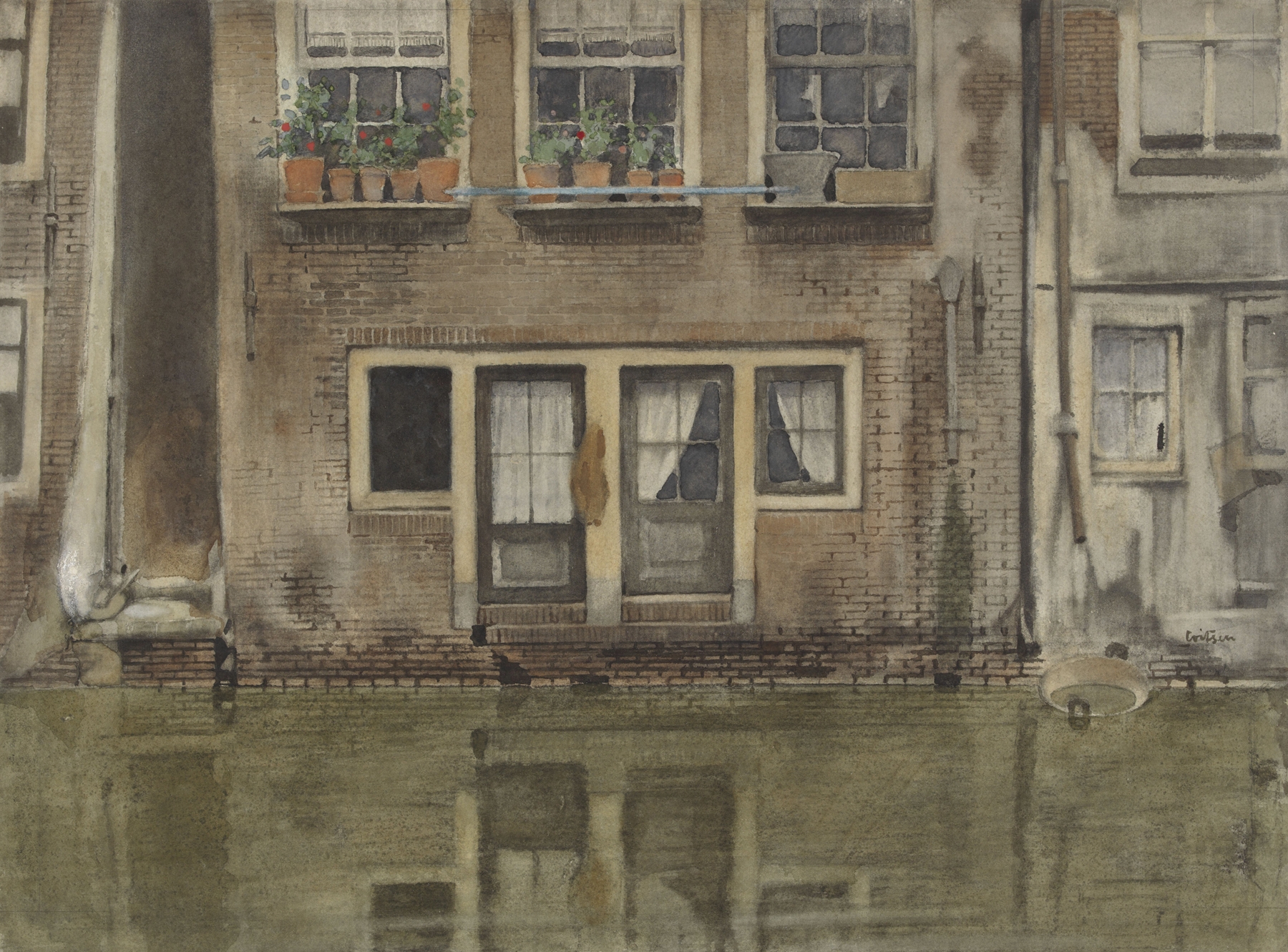
What if beauty was never meant to be finished? In the hands of an artist, a fleeting moment can be transformed into a timeless dream, inviting us to linger longer in its embrace. Look to the left at the delicate interplay of light and shadow dancing across the façades of the buildings, their soft colors merging like whispers of a past life. Notice how the sunshades, drawn tightly over the balconies, create a rhythmic pattern that guides your gaze along the canal.
The brushstrokes are fluid, almost ethereal, suggesting a fleeting essence of the Venetian atmosphere as the water reflects the hues above, infusing the scene with a sense of tranquility. Yet hidden within this idyllic portrayal is a tension between structure and fluidity. The stillness of the buildings stands in stark contrast to the gentle ebbs of the canal, reminding us of the passage of time and the impermanence of beauty. Each sunshade not only protects from the sun's glare but also shields the secrets of life within, hinting at stories untold.
The soft palette evokes a sense of nostalgia, whispering of dreams caught between reality and imagination. Willem Witsen painted this piece in 1914, during a time when he was deeply immersed in exploring the Dutch Impressionist movement. Living in the vibrant city of Amsterdam, Witsen drew inspiration from his travels, particularly to Venice, where he was captivated by its unique light and architectural harmony. The world was on the brink of change, with the First World War looming, yet within this artwork lies a serene escape — a moment frozen in a delicate dance of dreams and beauty.