Pakhuizen aan een Amsterdamse gracht op Uilenburg — History & Analysis
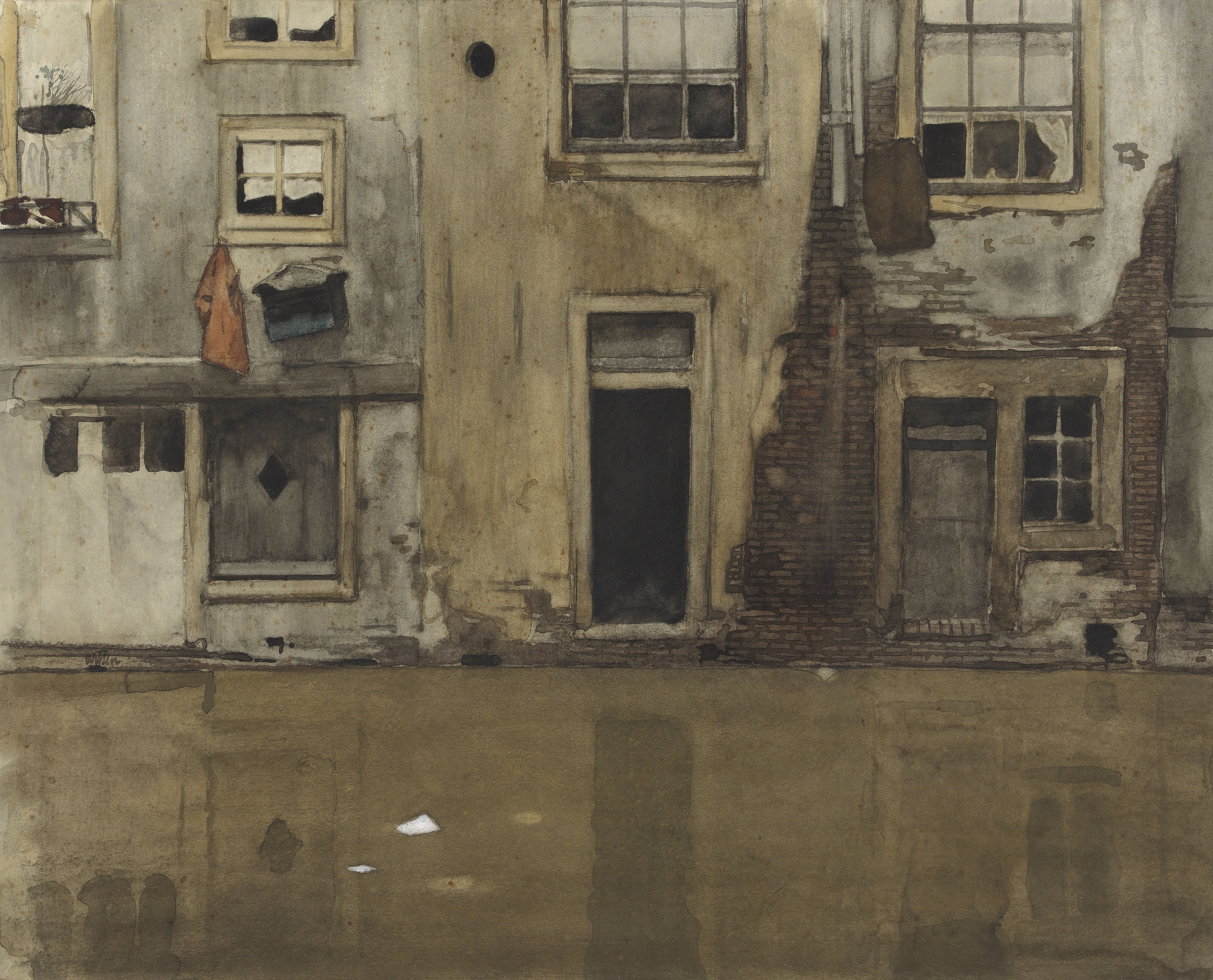
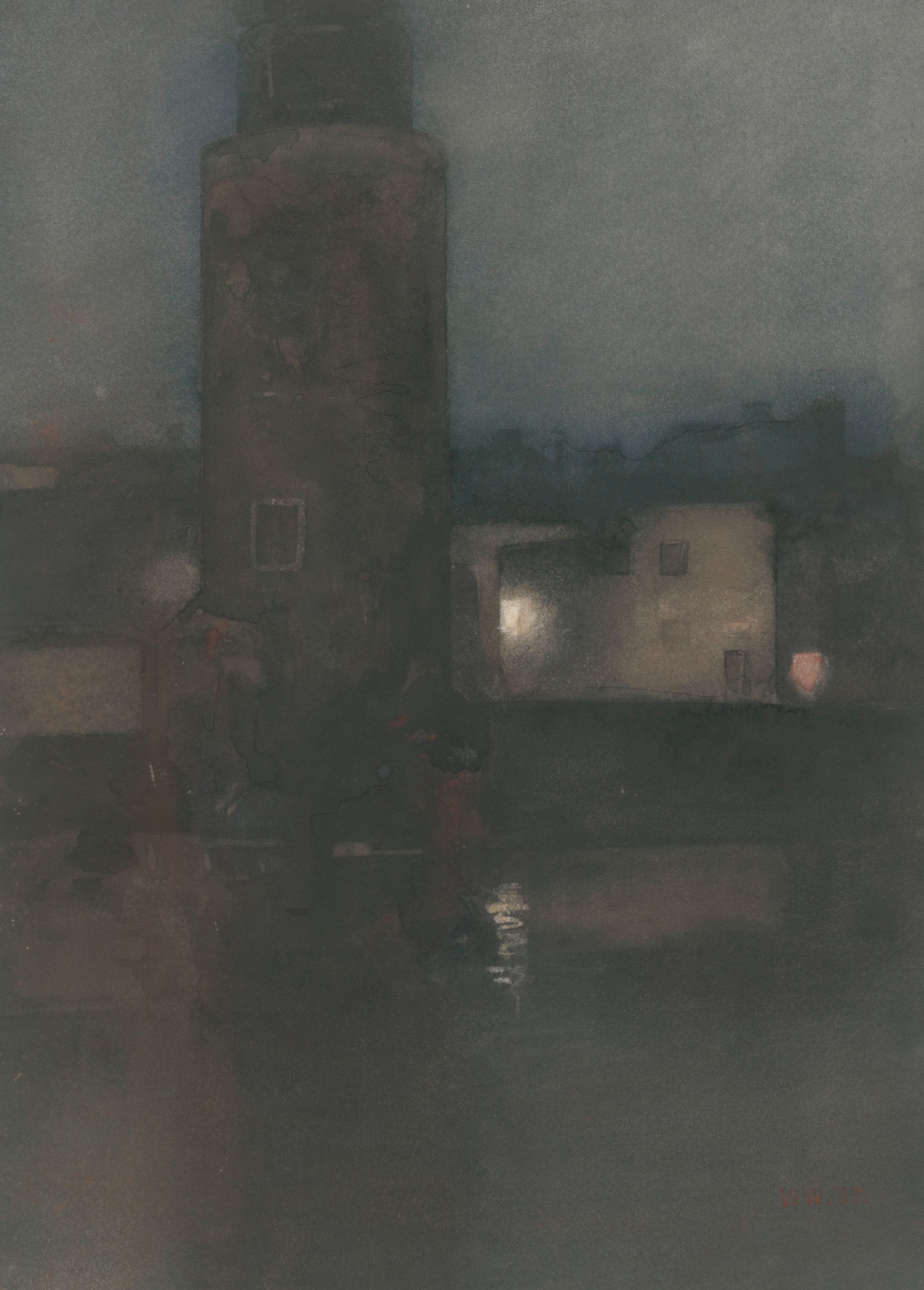
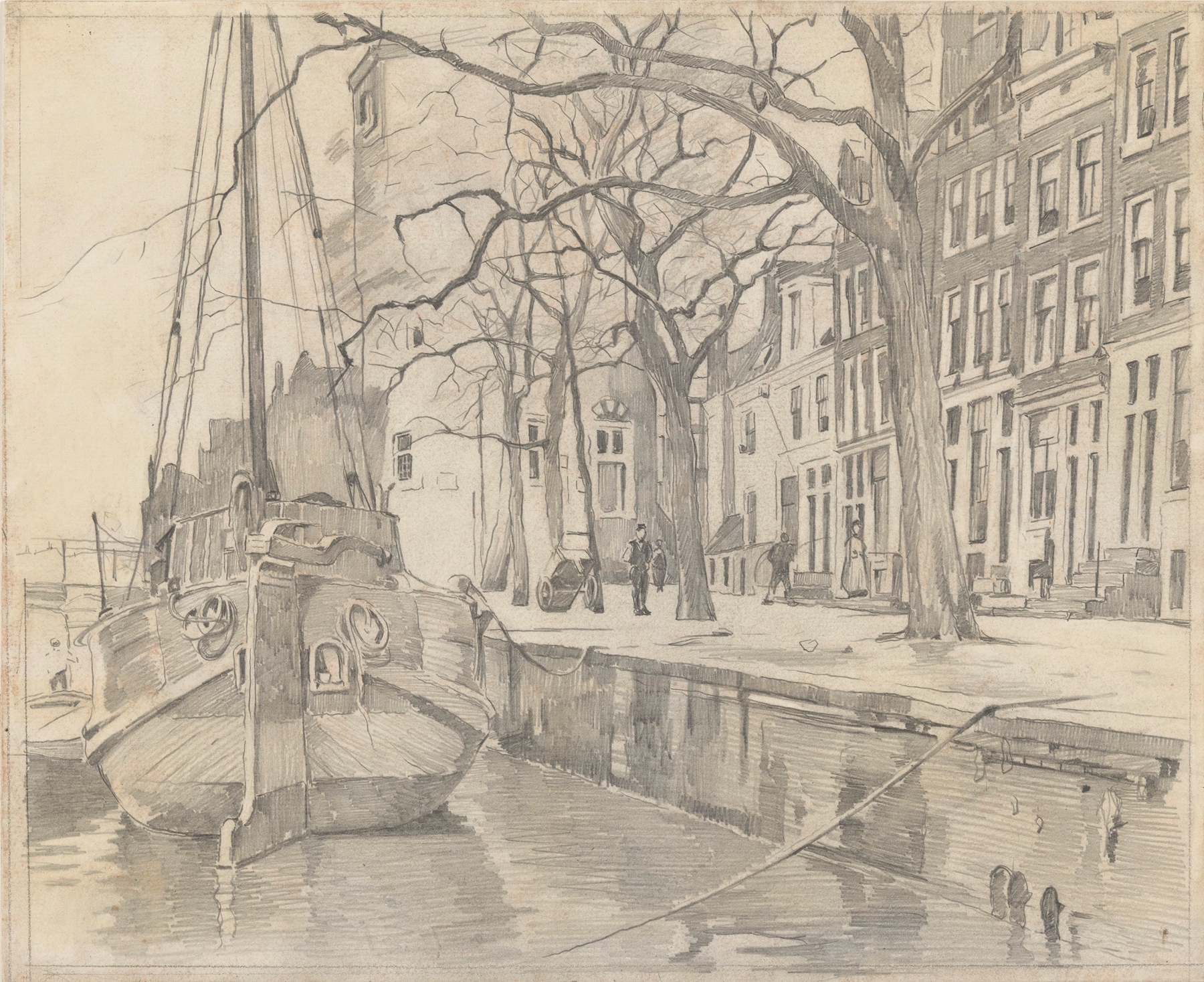
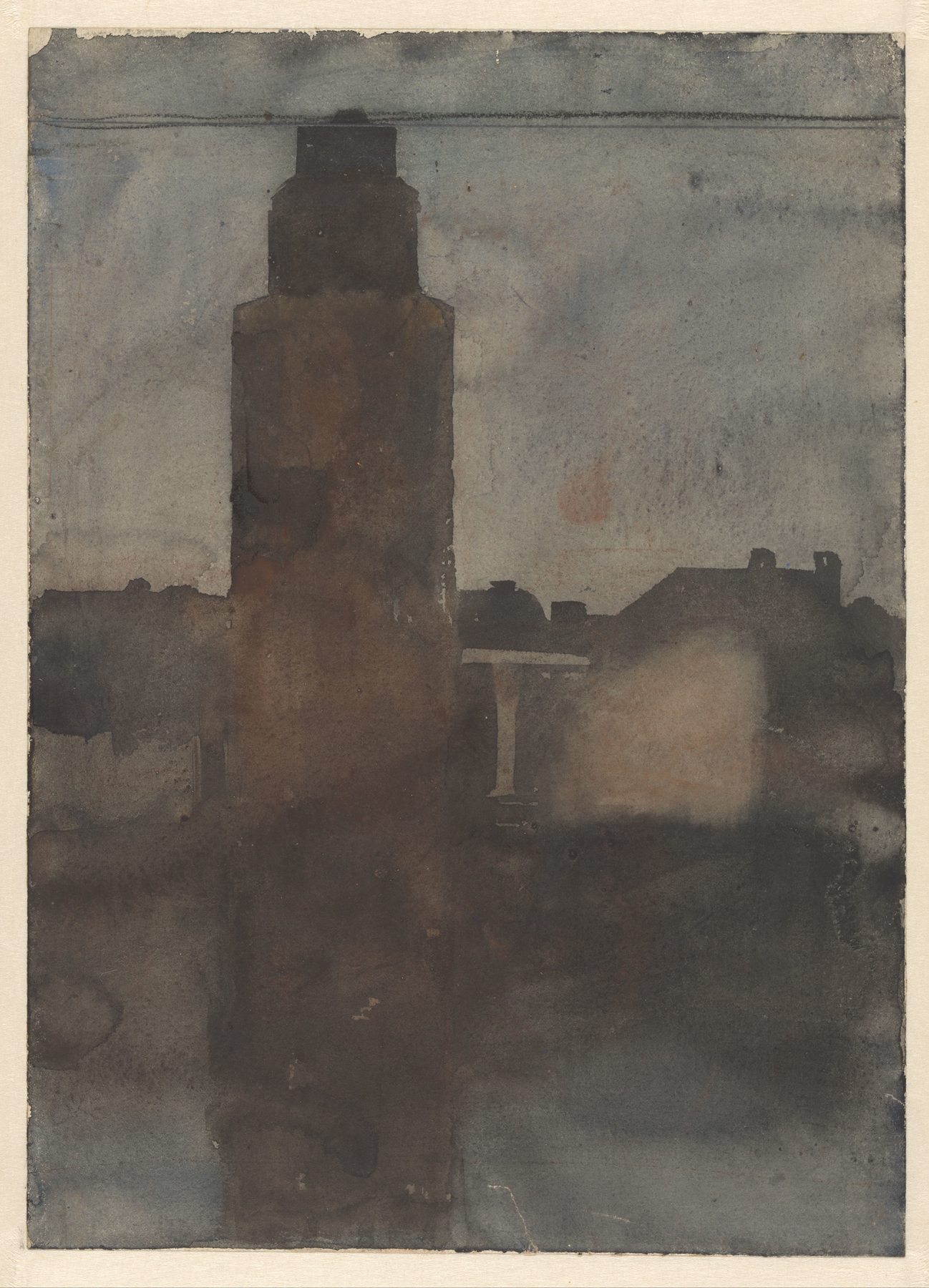
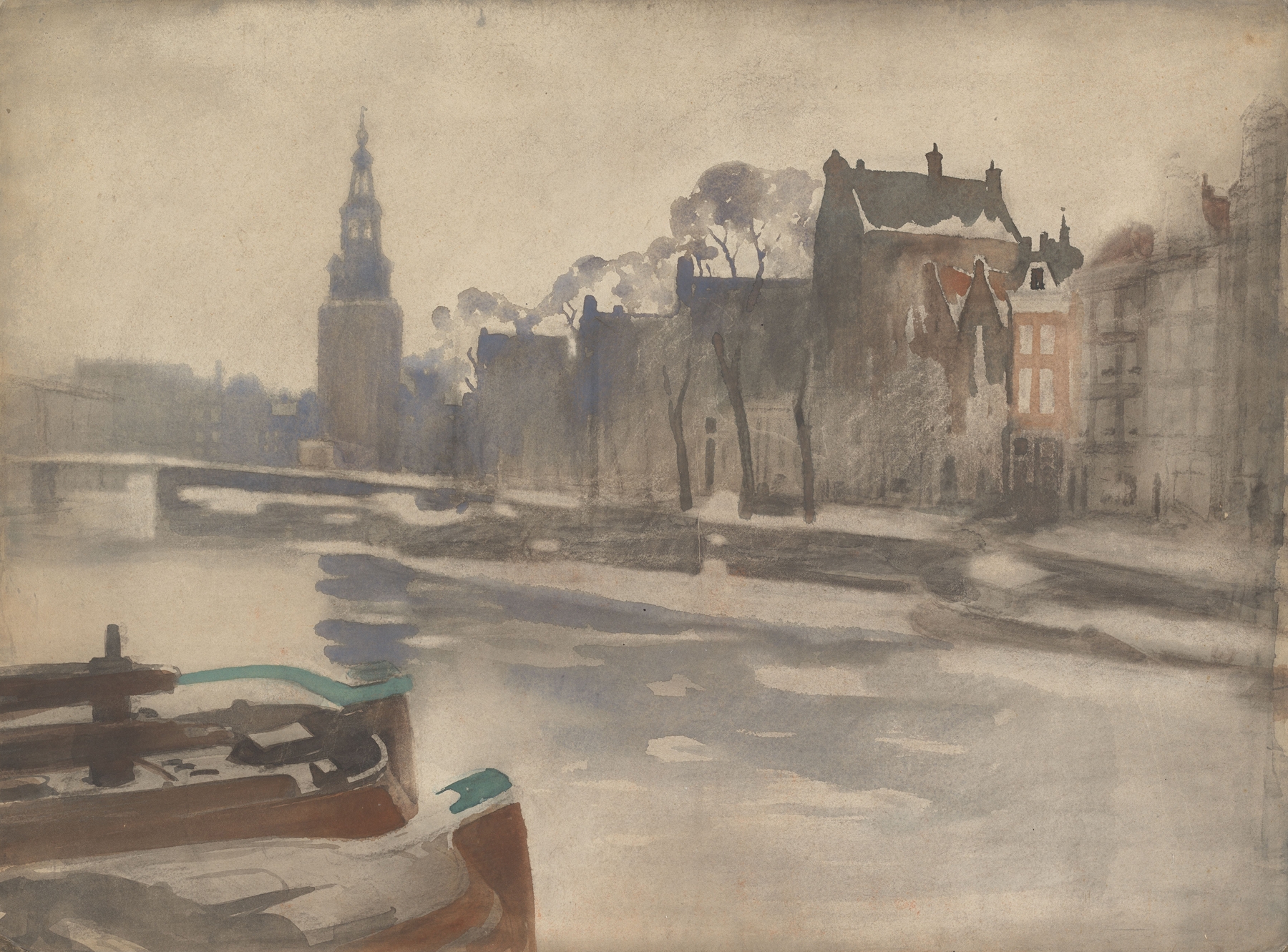
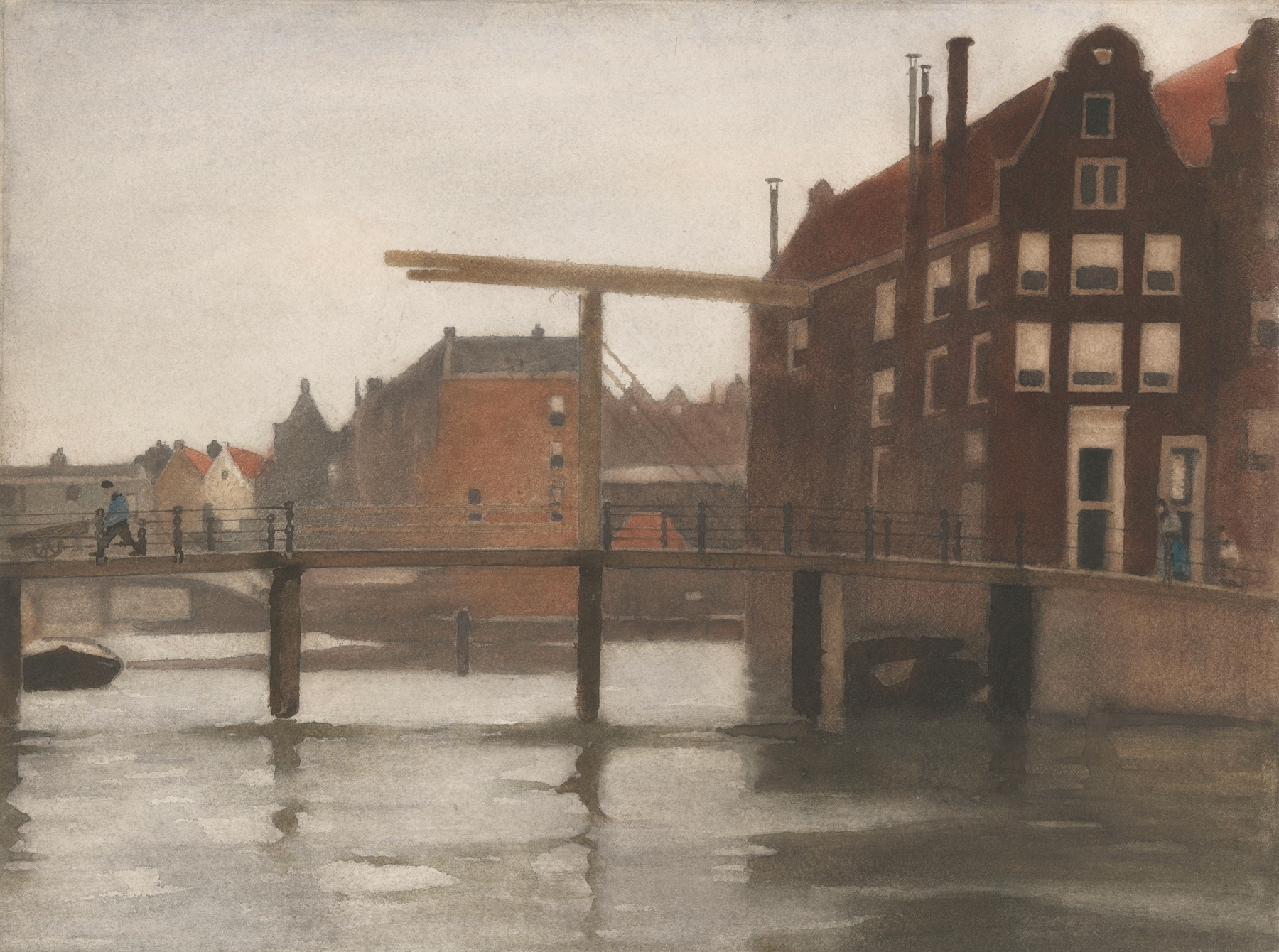
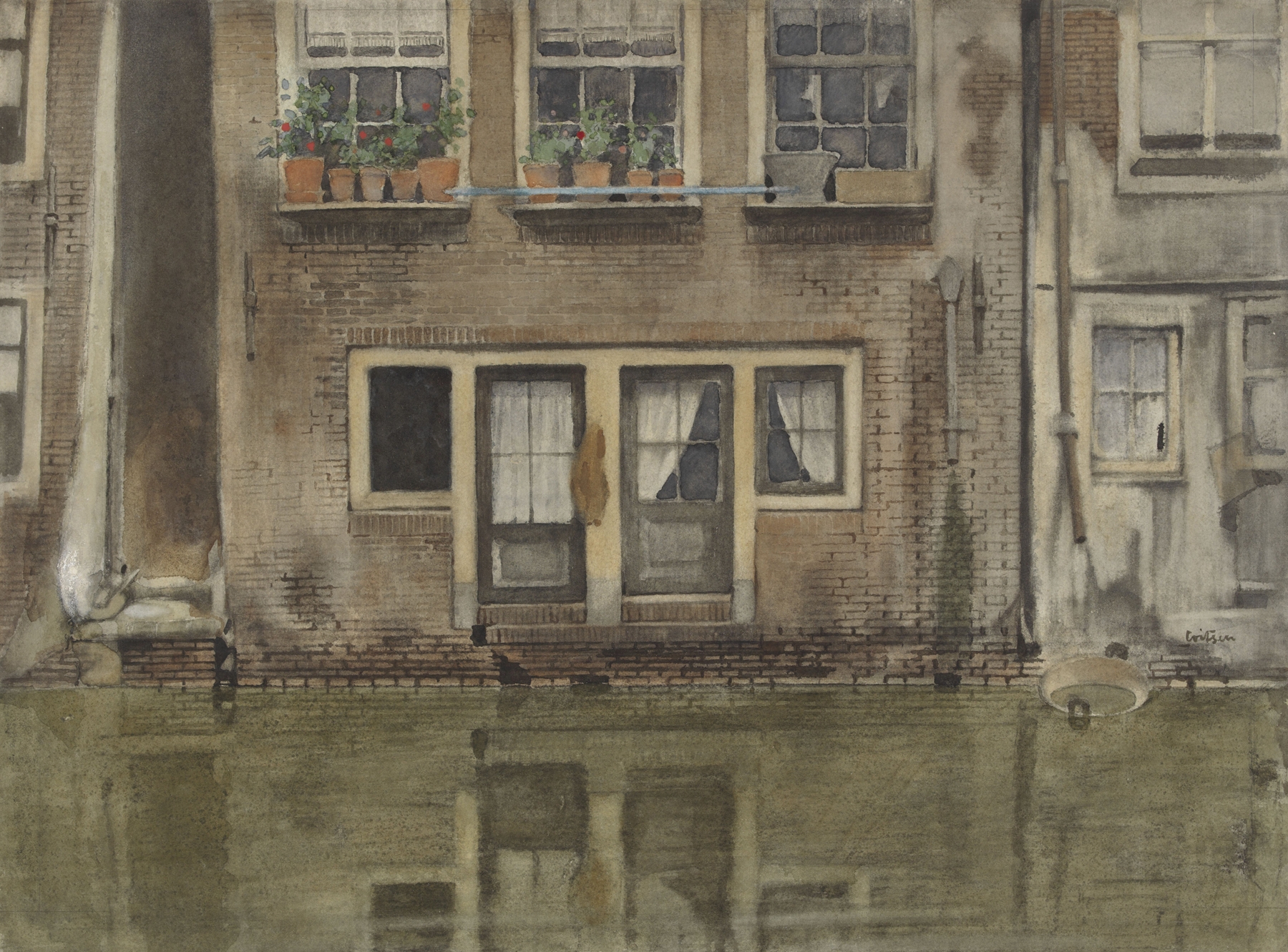
“To paint is to remember what time wants us to forget.” In the stillness of a moment, faith is found in the fleeting beauty of life’s passing scenes. The brush strokes become a testament to the resilience of memory, capturing the essence of what remains amidst the bustling change of time. Look to the left at the tranquil waters of the Amsterdam canal, where the soft reflections dance playfully with the buildings above. The muted palette of blues and earthy browns invites you to linger, while the delicate lines of the warehouses create a sense of harmony and balance.
Notice how the light bathes the scene in a warm embrace, illuminating the intricacies of the architecture and the subtle ripples in the water, drawing the viewer into a tranquil reverie. As you delve deeper into the composition, consider the juxtaposition of the robust structures against the ephemeral quality of the water. Each warehouse stands as a monument to human endeavor, yet their reflections remind us of the transient nature of existence. The quietude of the scene evokes a sense of faith in enduring beauty, while the gentle brushwork whispers tales of history and time slipping away.
This delicate balance between permanence and impermanence encapsulates the emotional tension inherent in city life. During the years between 1885 and 1922, the artist found inspiration in the changing landscape of Amsterdam, a city rich with stories and enduring architecture. Witsen was navigating the complexities of his own life, marked by personal loss and artistic discovery, as he embraced a modernist approach while remaining deeply connected to traditional forms. This period was pivotal in the evolution of Dutch art, as it bridged the divide between the historical and the contemporary, allowing Witsen to capture the essence of his surroundings with profound sensitivity.