Huizen aan een gracht te Amsterdam — History & Analysis
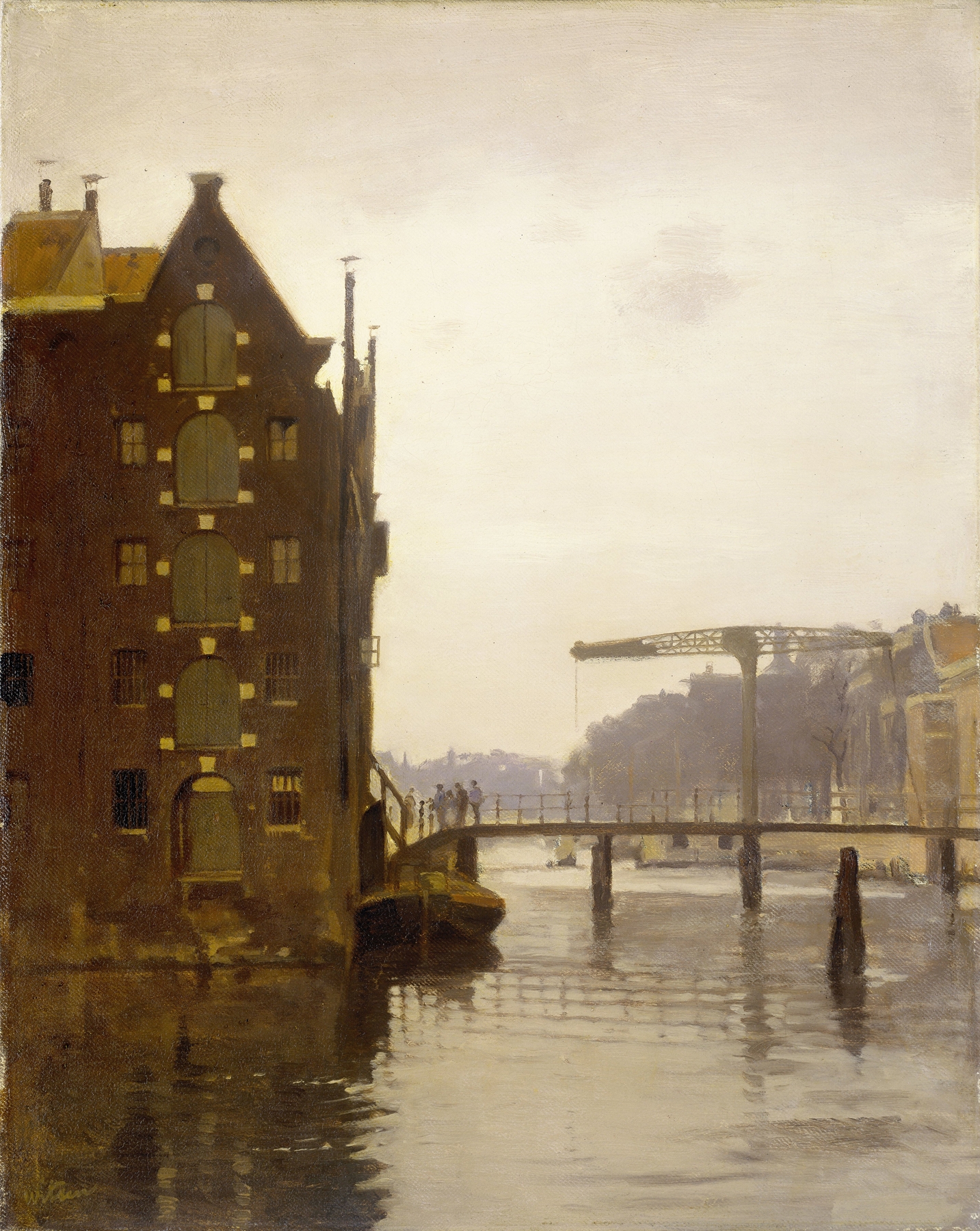
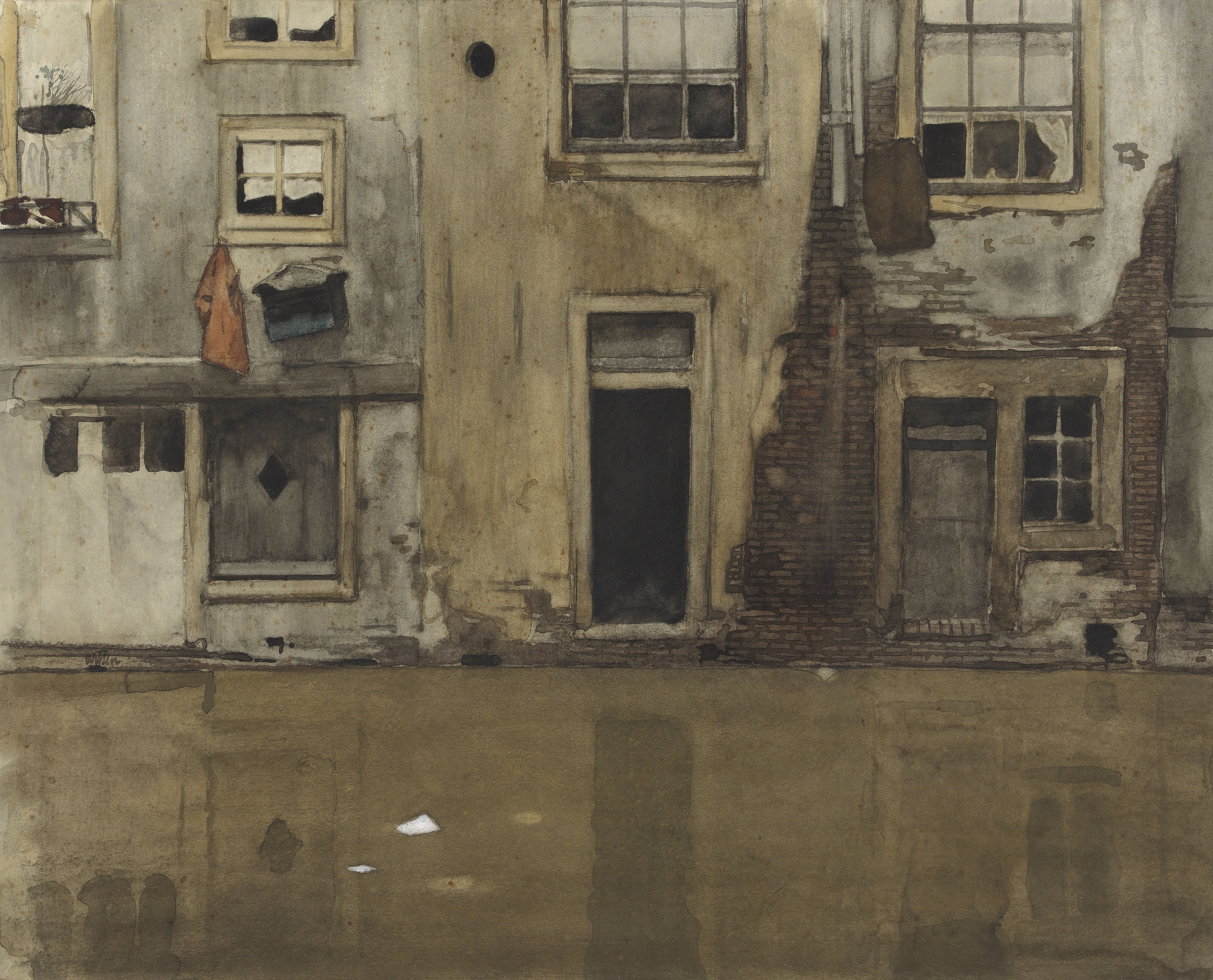
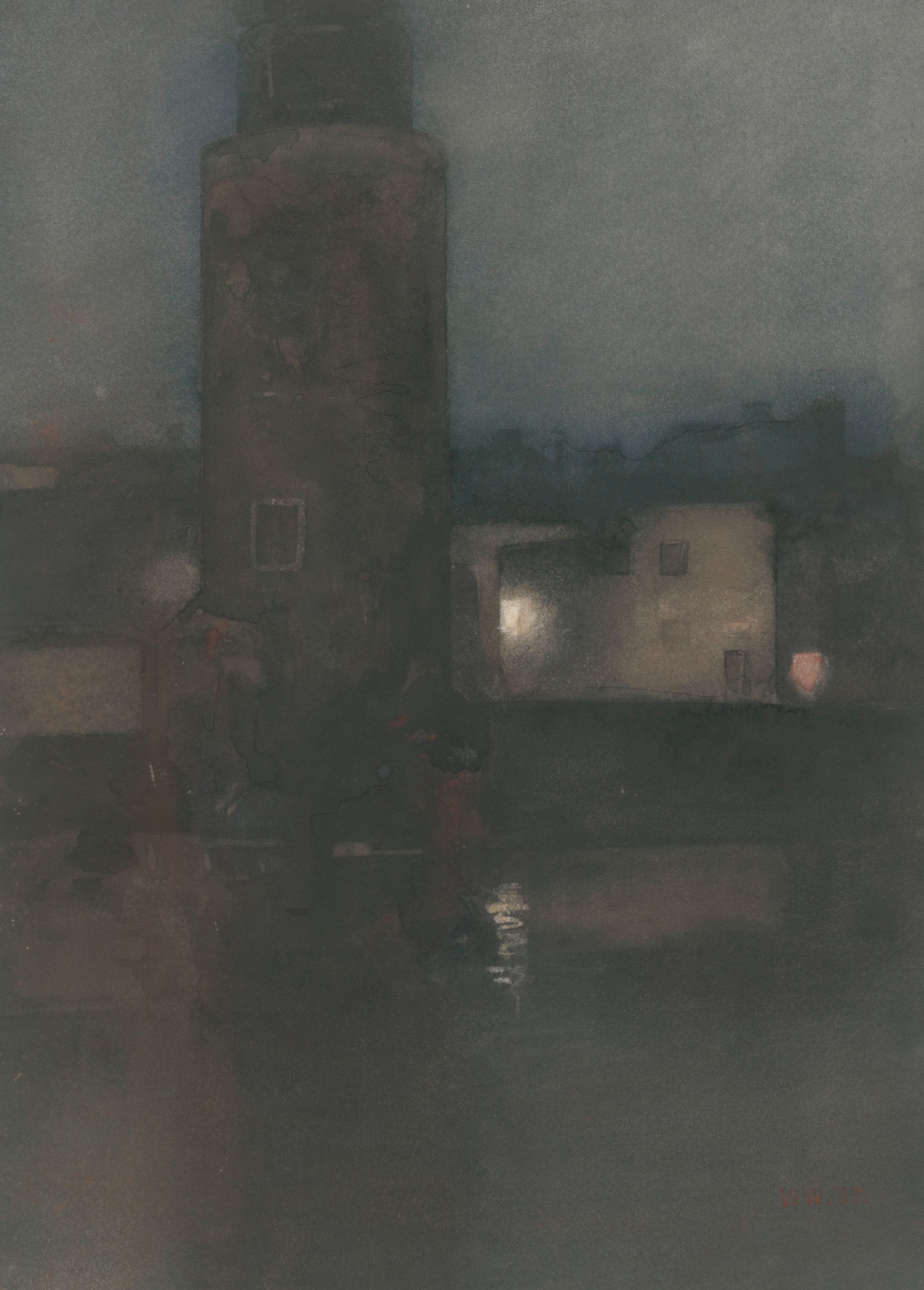
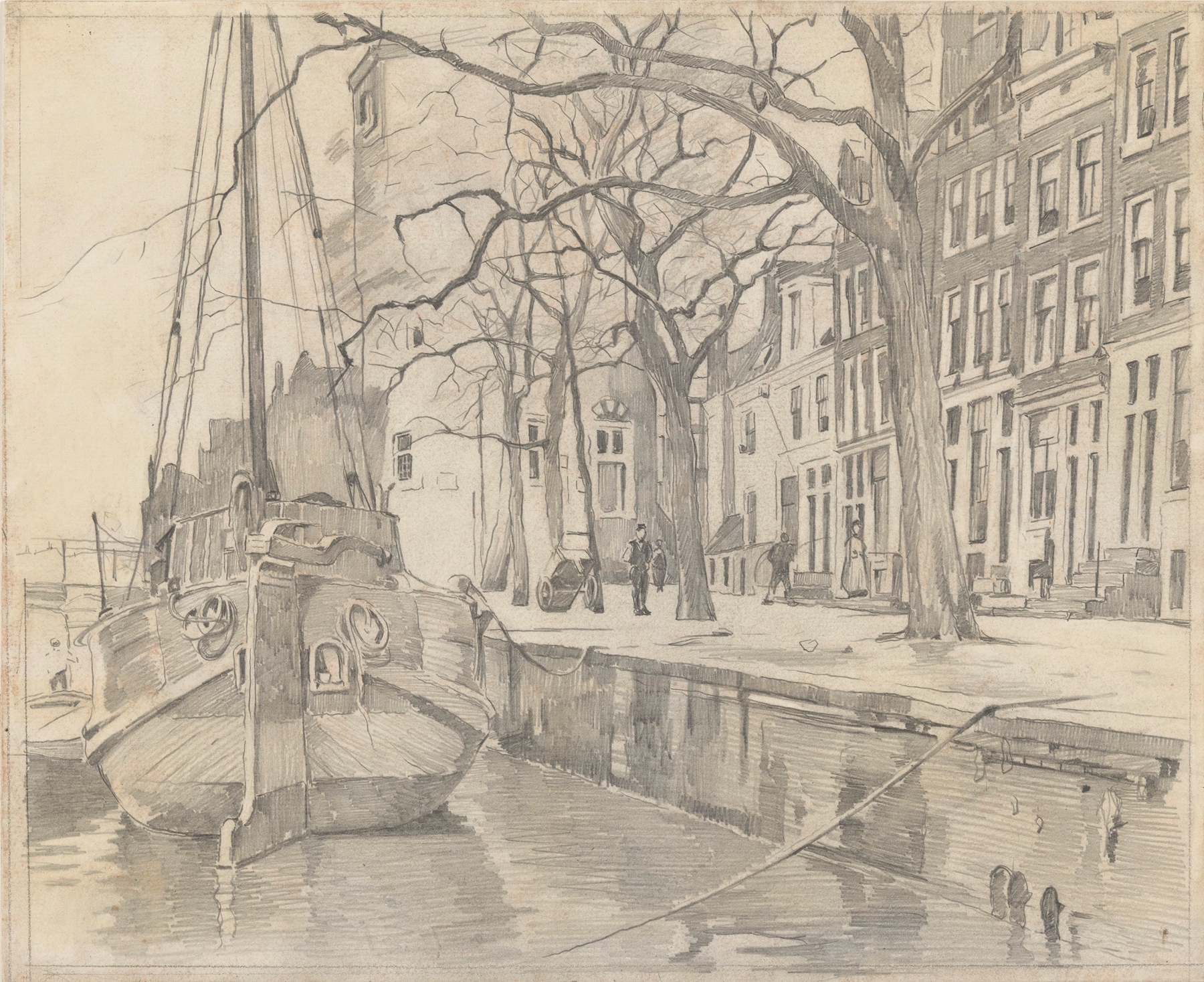
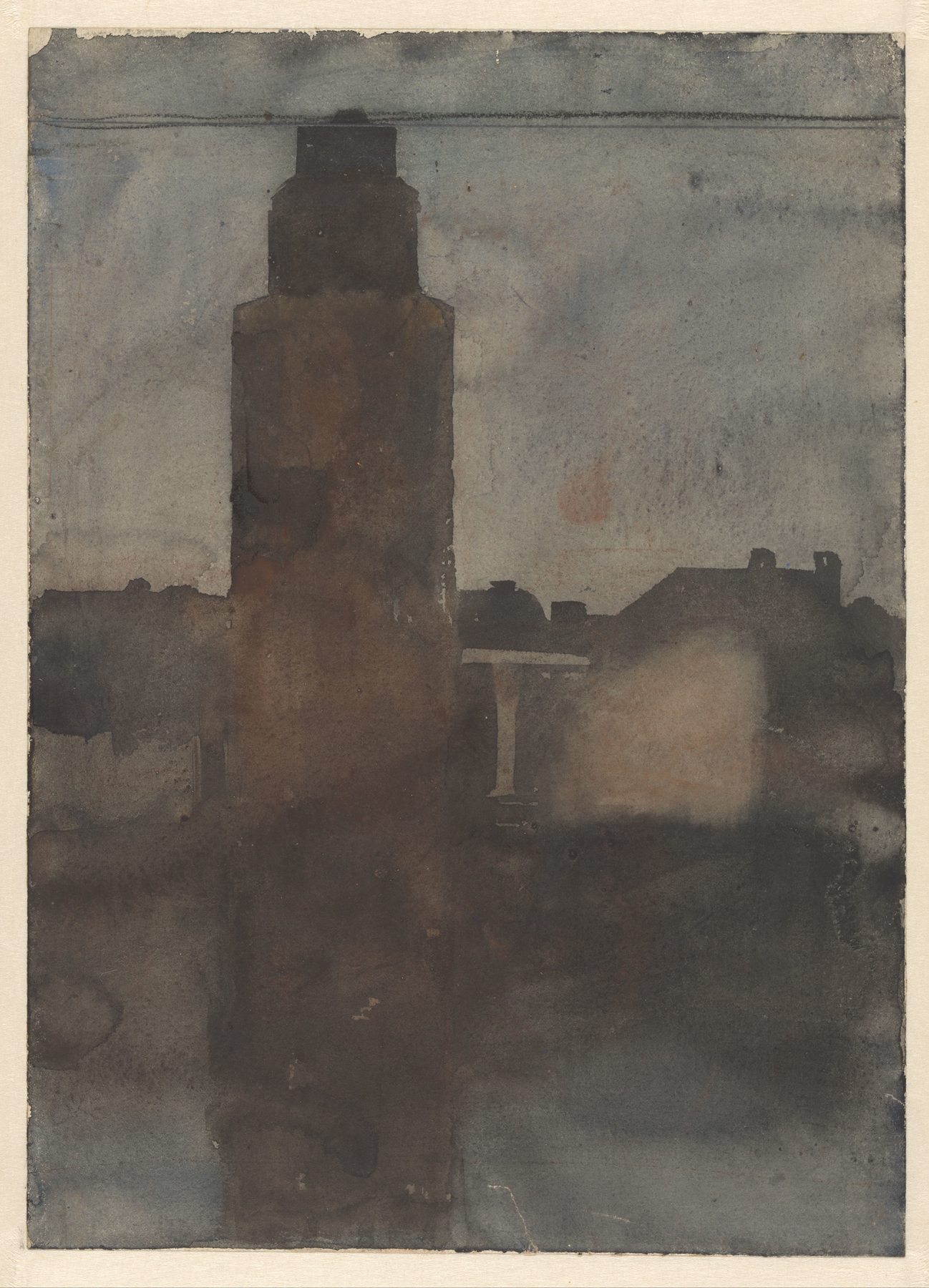
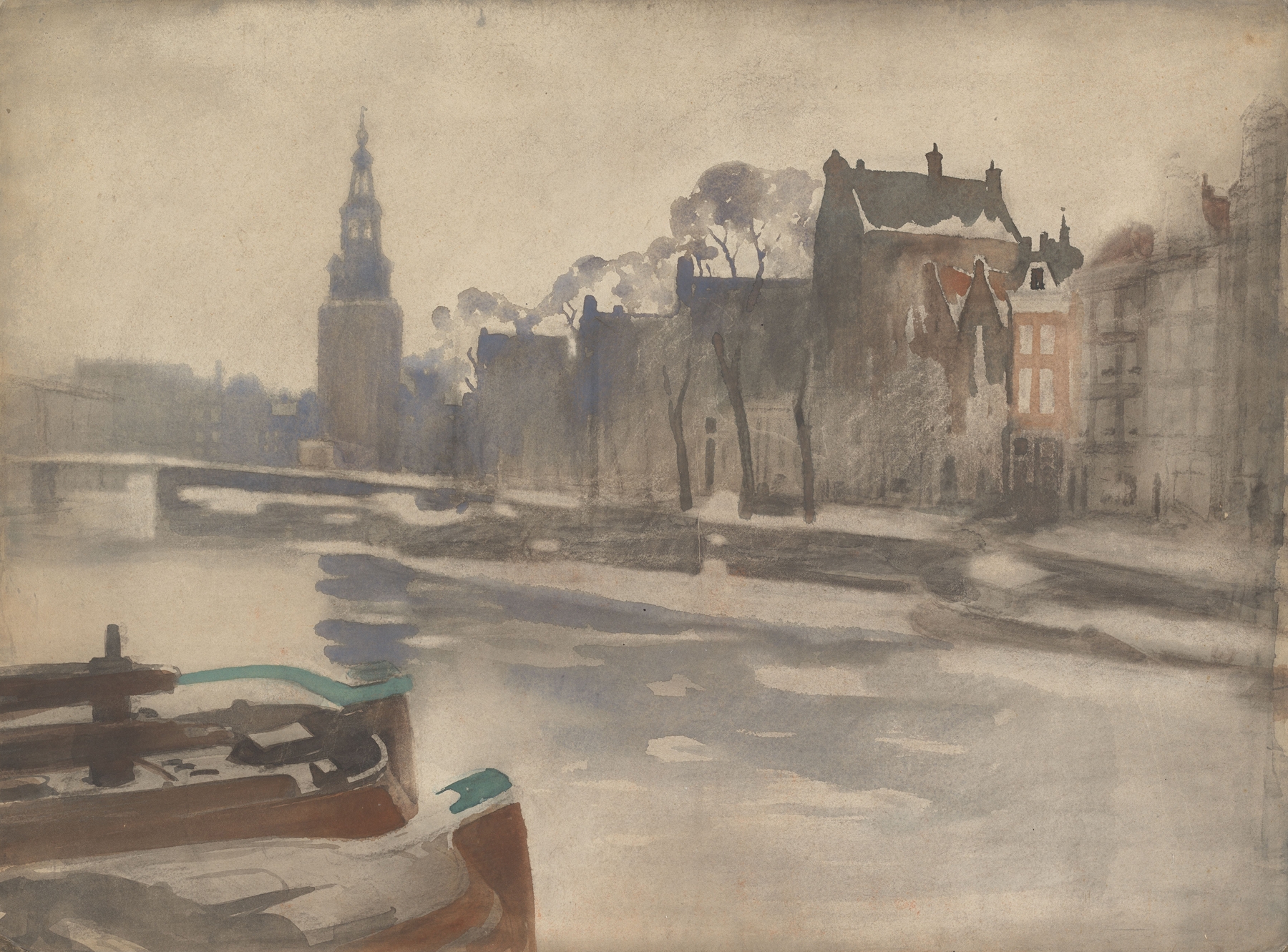
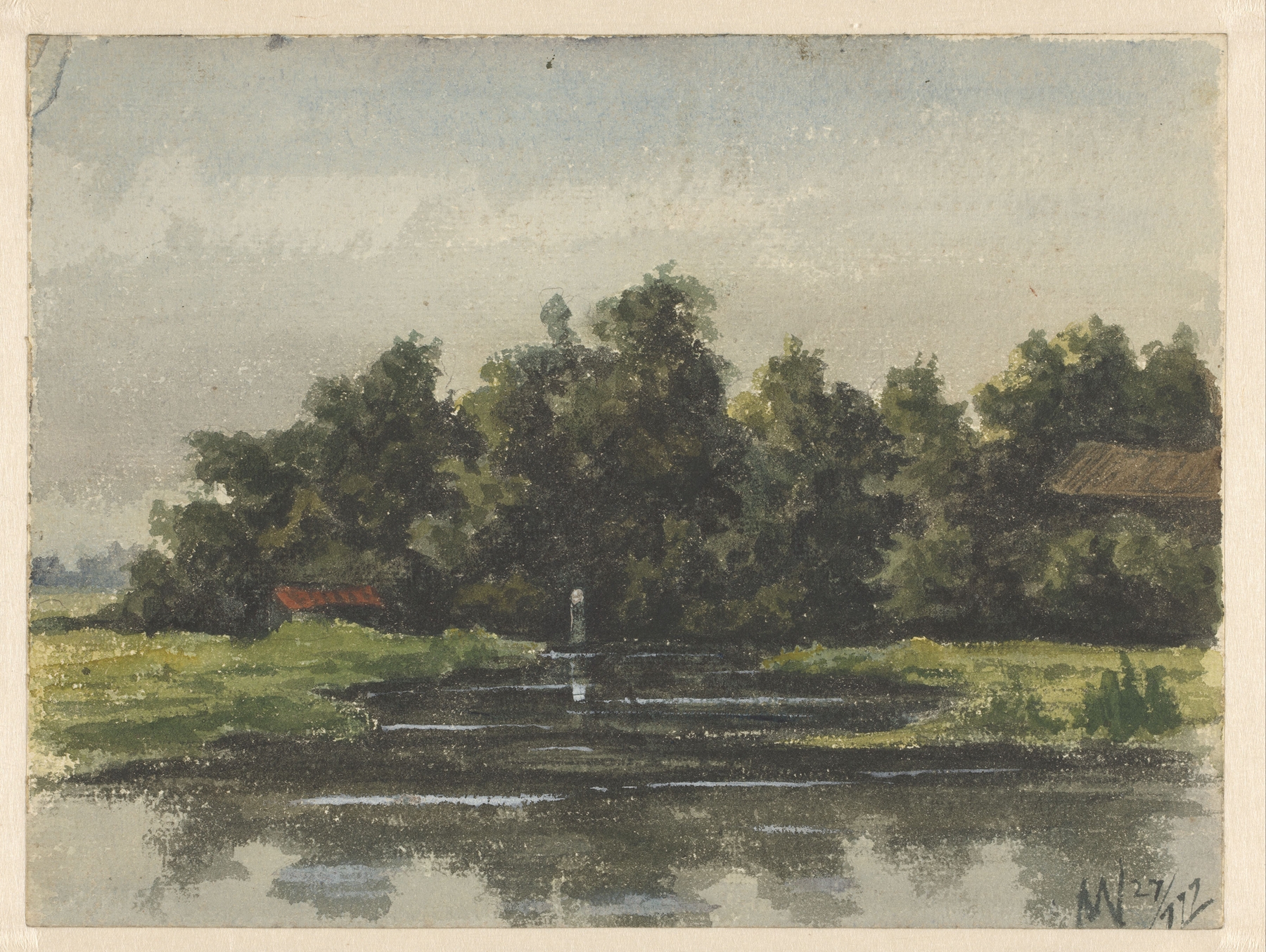
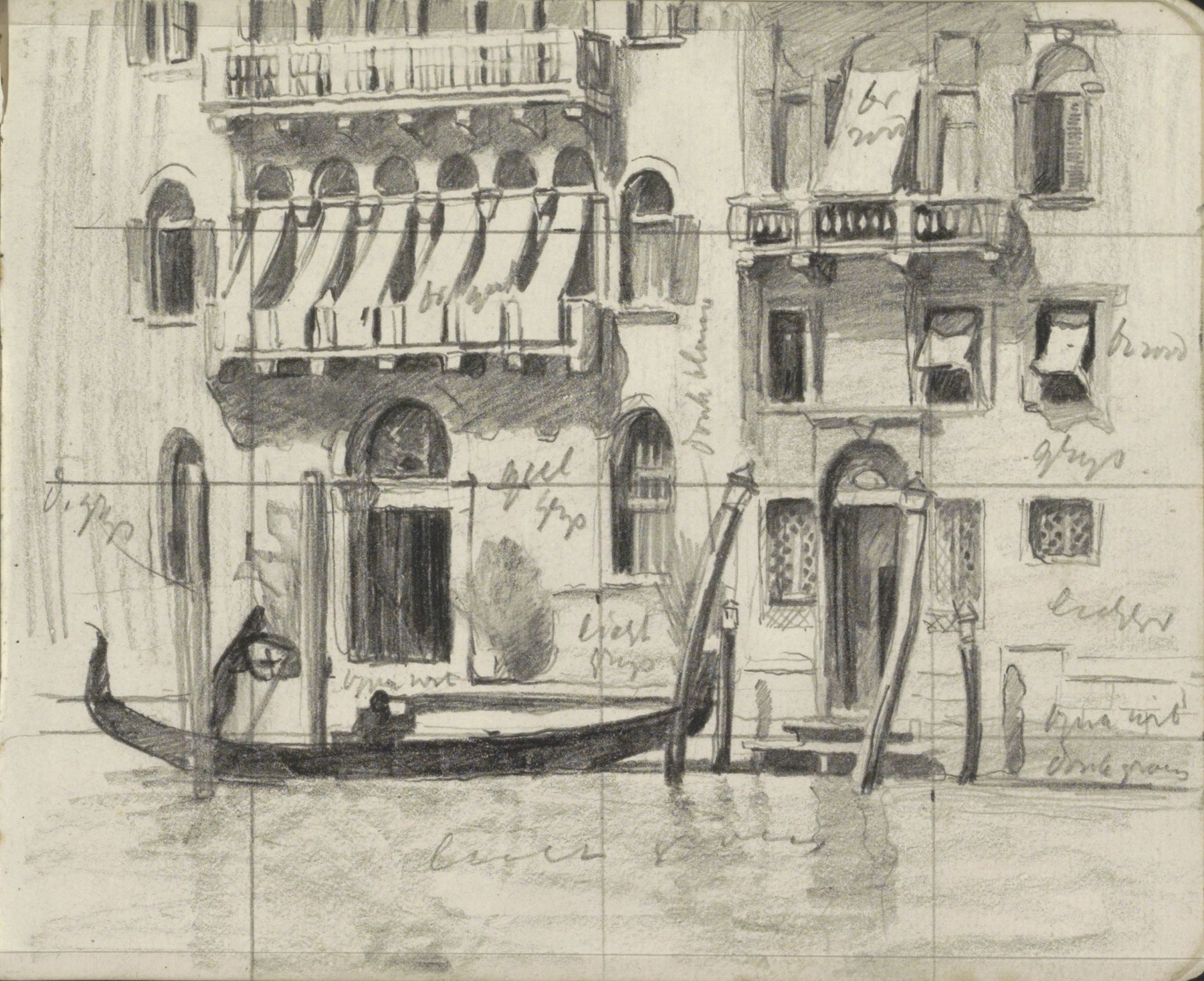
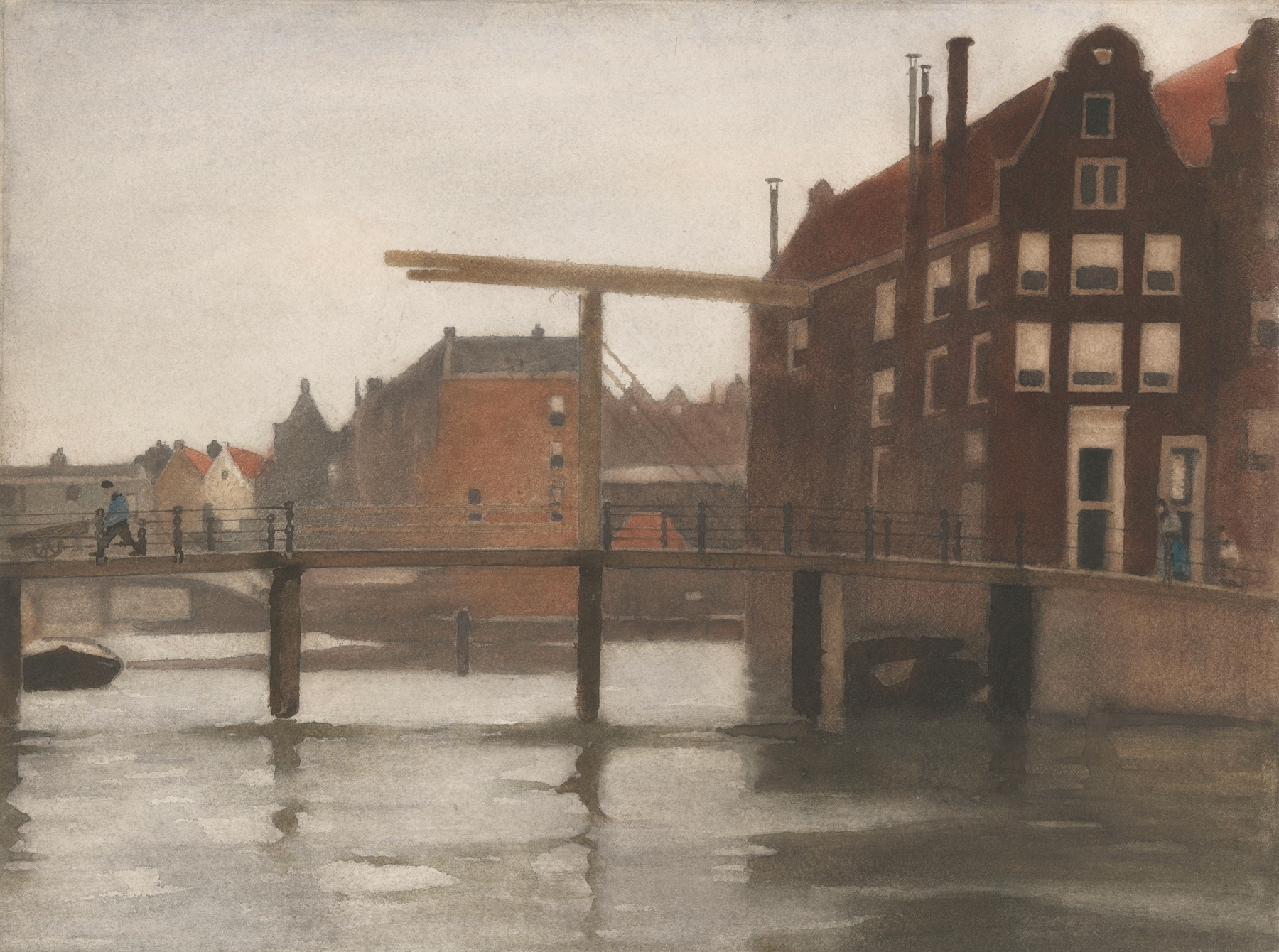
What if silence could speak through light? In Huizen aan een gracht te Amsterdam, that whispered dialogue unfolds along the tranquil canals of the city, an ethereal conversation captured in paint. Look to the center, where the water's surface shimmers with reflections of quaint, gabled houses. The play of light dances across the canvas, illuminating the delicate details of the architecture while casting a serene, almost haunting atmosphere.
Notice how the subtle palette of blues and greens creates a sense of calm, inviting the viewer to linger in the stillness of the scene. Beneath the quiet beauty lies a tension between movement and stillness. The ripples in the water suggest a gentle breeze, while the rigid lines of the buildings contrast with the fluidity of nature. This juxtaposition evokes a contemplative mood, hinting at the stories that flow through the canals, carrying whispers of the lives lived within those walls.
The painter's brush captures not just the physicality of the scene, but also the emotional weight of solitude and connection. Willem Witsen created this work during a period of great change in the Netherlands, between 1870 and 1923. He was influenced by the Impressionist movement, which sought to capture fleeting moments and the effects of light in everyday life. As he painted in Amsterdam, Witsen was both a participant in and an observer of the burgeoning artistic community, navigating personal challenges, including his health, while contributing to the rich tapestry of Dutch art.