Vaartgezicht — History & Analysis
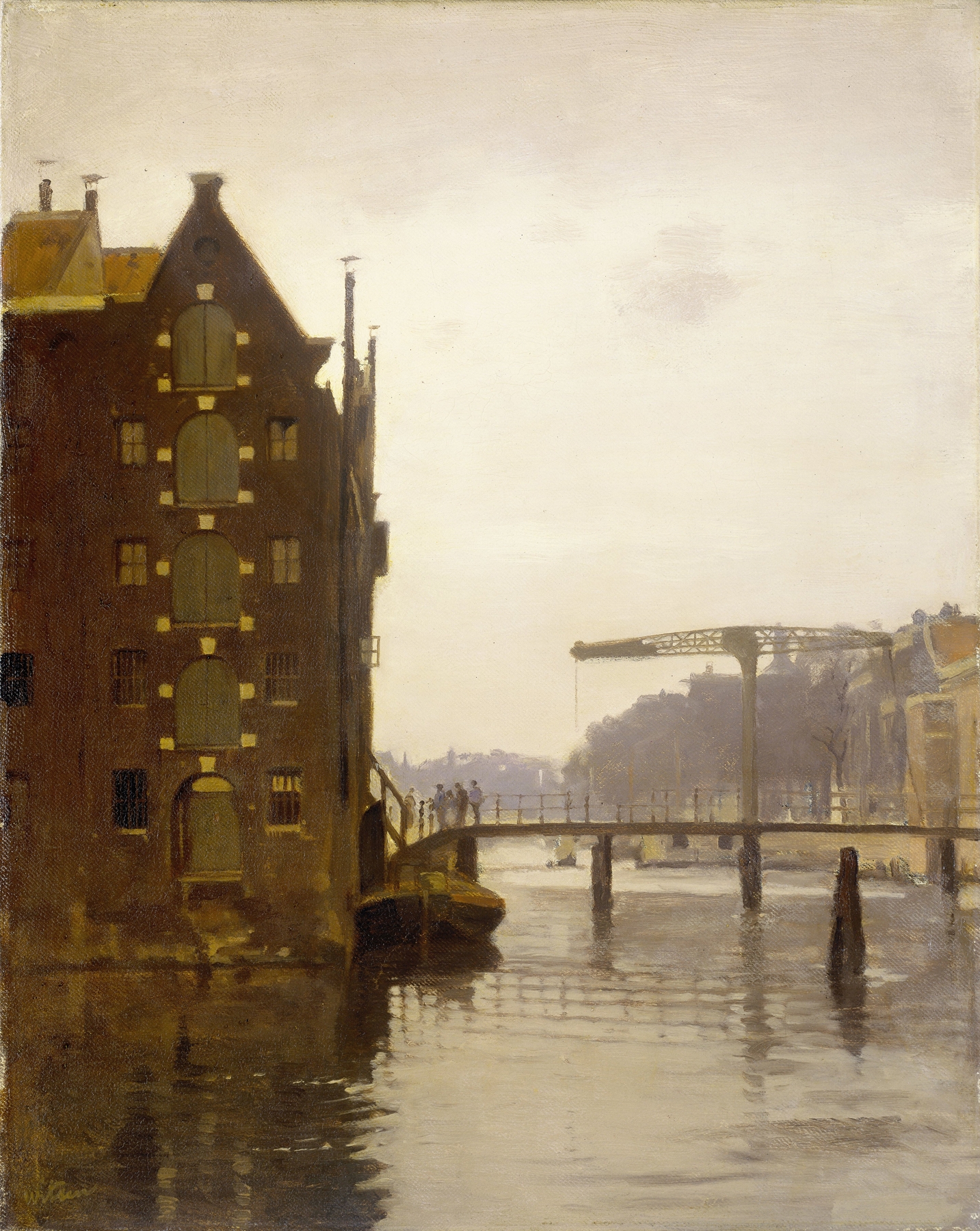
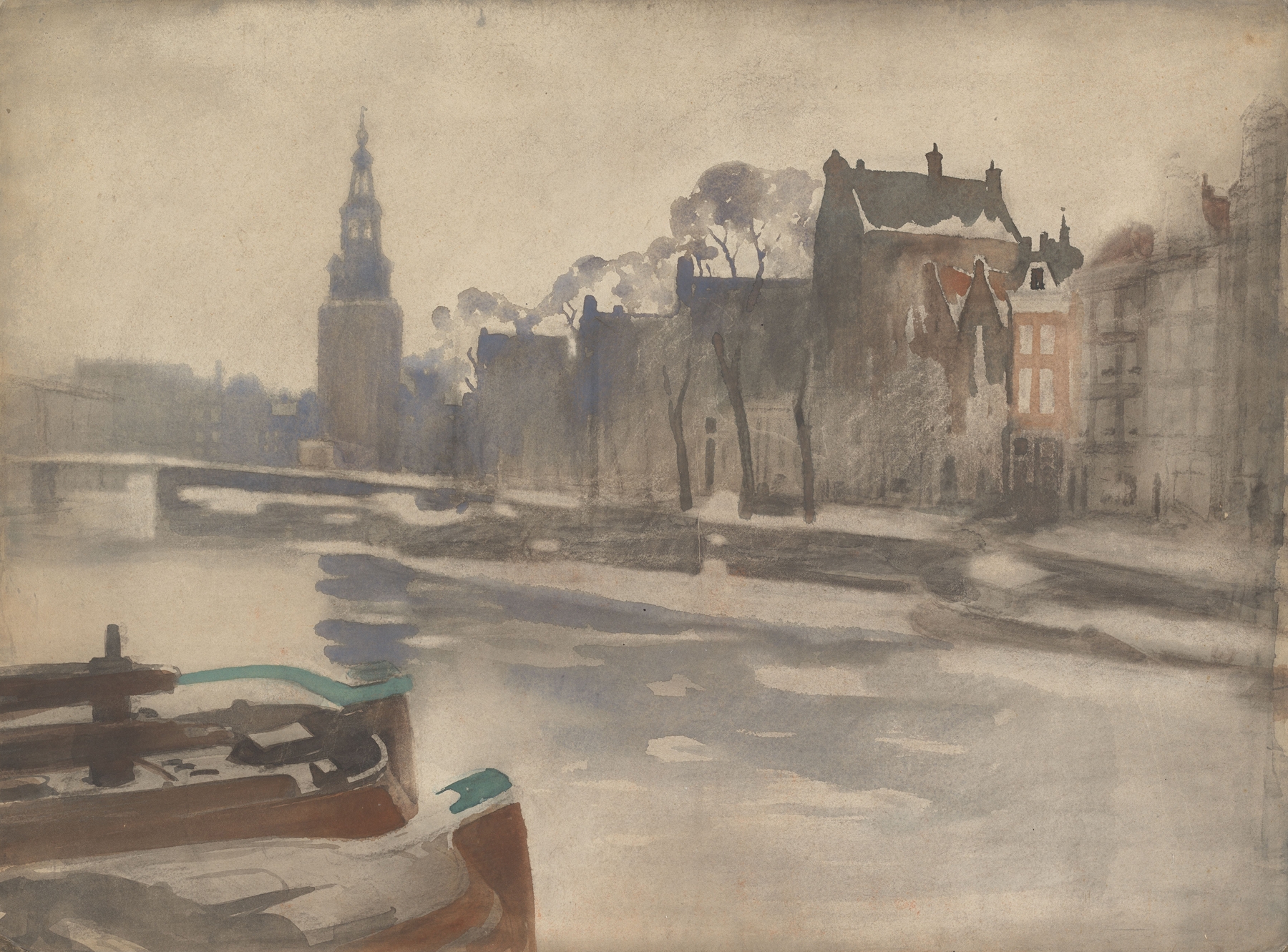
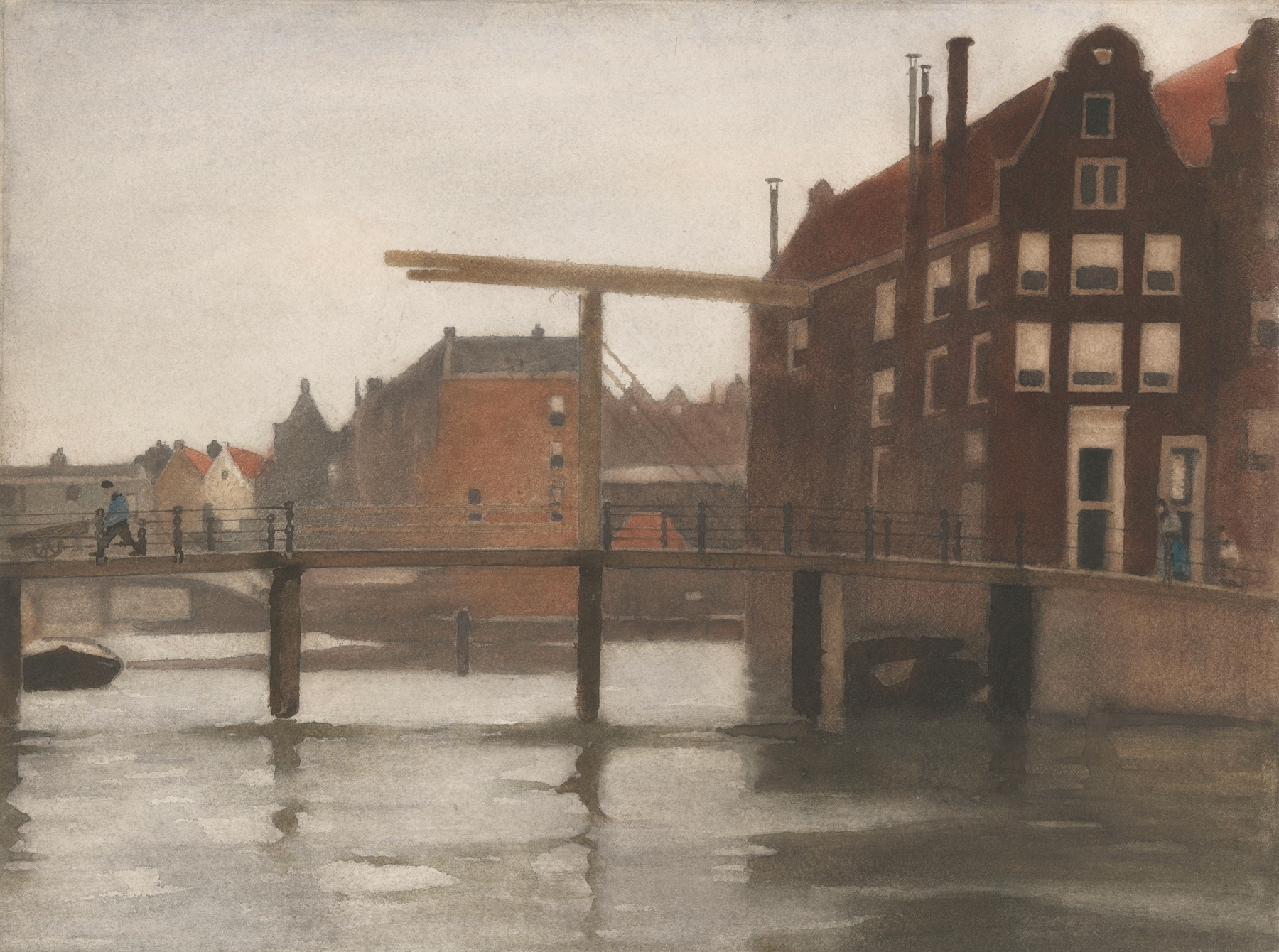
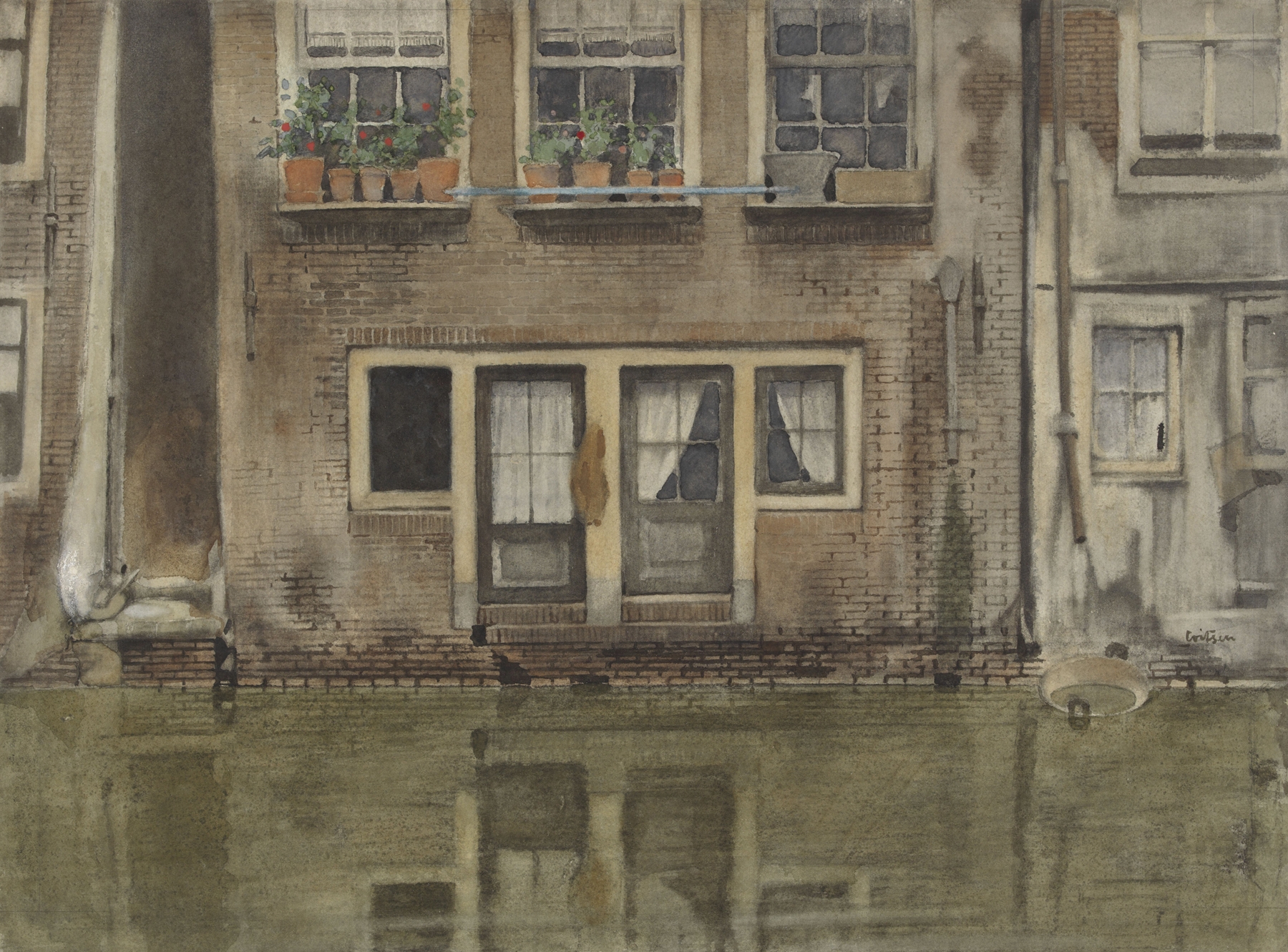
“The canvas doesn’t lie — it simply waits.” It captures the essence of nostalgia, a longing for moments we can never reclaim, and yet feel tethered to through art. Look to the foreground where the gentle ripples of the water cradle the reflection of a solitary figure. The muted blues and greens create an atmosphere of calm, inviting the viewer to linger. Witsen’s brushwork, expressive yet restrained, guides your eye along the serene canal, where the delicate interplay of light and shadow dances across the surface, creating a feeling of timelessness.
Notice how the soft, muted palette evokes a sense of yearning, holding memories that blend seamlessly with the present. In the distance, the outline of a quaint structure emerges, symbolizing both familiarity and the passage of time. The solitary figure stands in contemplation, embodying a mix of hope and melancholy. Here, in this quiet moment, Witsen captures not just the physical landscape, but the emotional landscape of memory itself—an invitation to reflect on what has come before and what has been lost.
Willem Witsen painted Vaartgezicht in 1897 while living in Amsterdam, at a time when the city was experiencing significant changes due to industrialization. This period marked a transition in art as well, as artists began to explore personal expression and emotional depth, breaking free from strict realism. Amidst societal shifts, Witsen found solace in the tranquil beauty of his surroundings, translating nostalgia into a visual language that resonates even today.