De Montelbaanstoren te Amsterdam bij nacht — History & Analysis
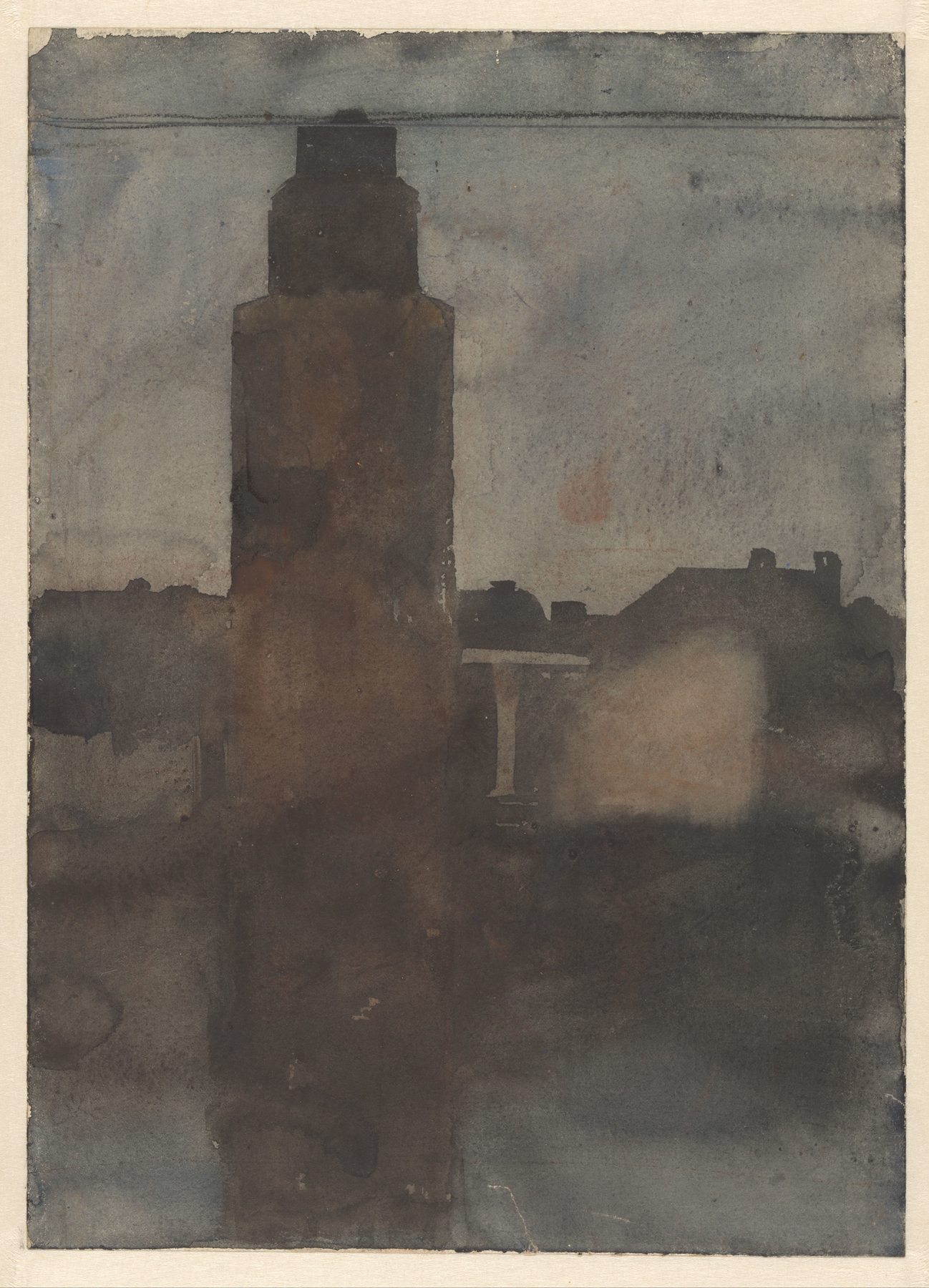
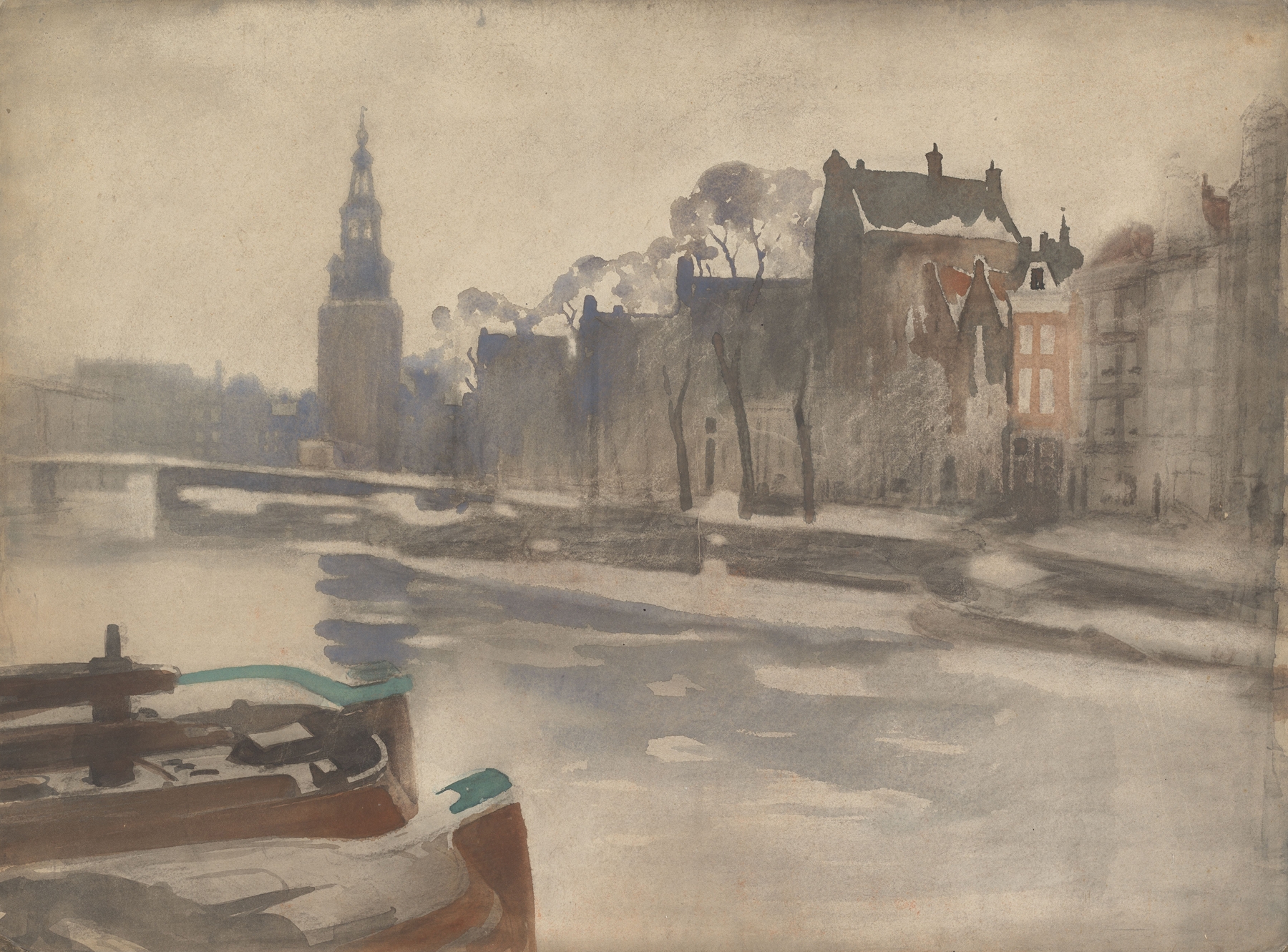
Could a single brushstroke hold eternity? In De Montelbaanstoren te Amsterdam bij nacht, the canvas breathes life into a moment where time seems suspended, inviting contemplation of the ephemeral and the eternal. Focus first on the rich deep blues that envelop the scene, drawing your eyes to the Montelbaan Tower, a sentinel of history. The tower, illuminated by a warm glow, stands in stark contrast against the darkened water, its reflection shimmering like a dream on the surface below.
Notice how Witsen masterfully captures the play of light, where soft yellows and greens flirt with shadows, creating an atmospheric interplay that beckons you to linger in this serene, nocturnal embrace. Beneath the tranquil exterior lies a tension between stillness and movement, as if the city itself is holding its breath. The quiet waters cradle the reflection of the tower, reinforcing the notion of duality—what is real versus what is imagined. There’s an unspoken dialogue in the interplay of light and darkness; the luminous tower seems to whisper secrets of time gone by, while the night casts a veil over the city’s hustle, hinting at the stories hidden in shadow.
Witsen painted this work in 1887 during a period of rich artistic exploration in Amsterdam, where he found inspiration from both Impressionism and the Symbolist movement. At this time, he was forging his path in the art world, deeply influenced by the nocturnal scenes around him, reflecting a moment when the urban landscape and personal expression were interwoven. His commitment to capturing fleeting experiences became a hallmark of his oeuvre, marking a pivotal point in his artistic journey.