Der Schönbrunner Schlosspark — History & Analysis
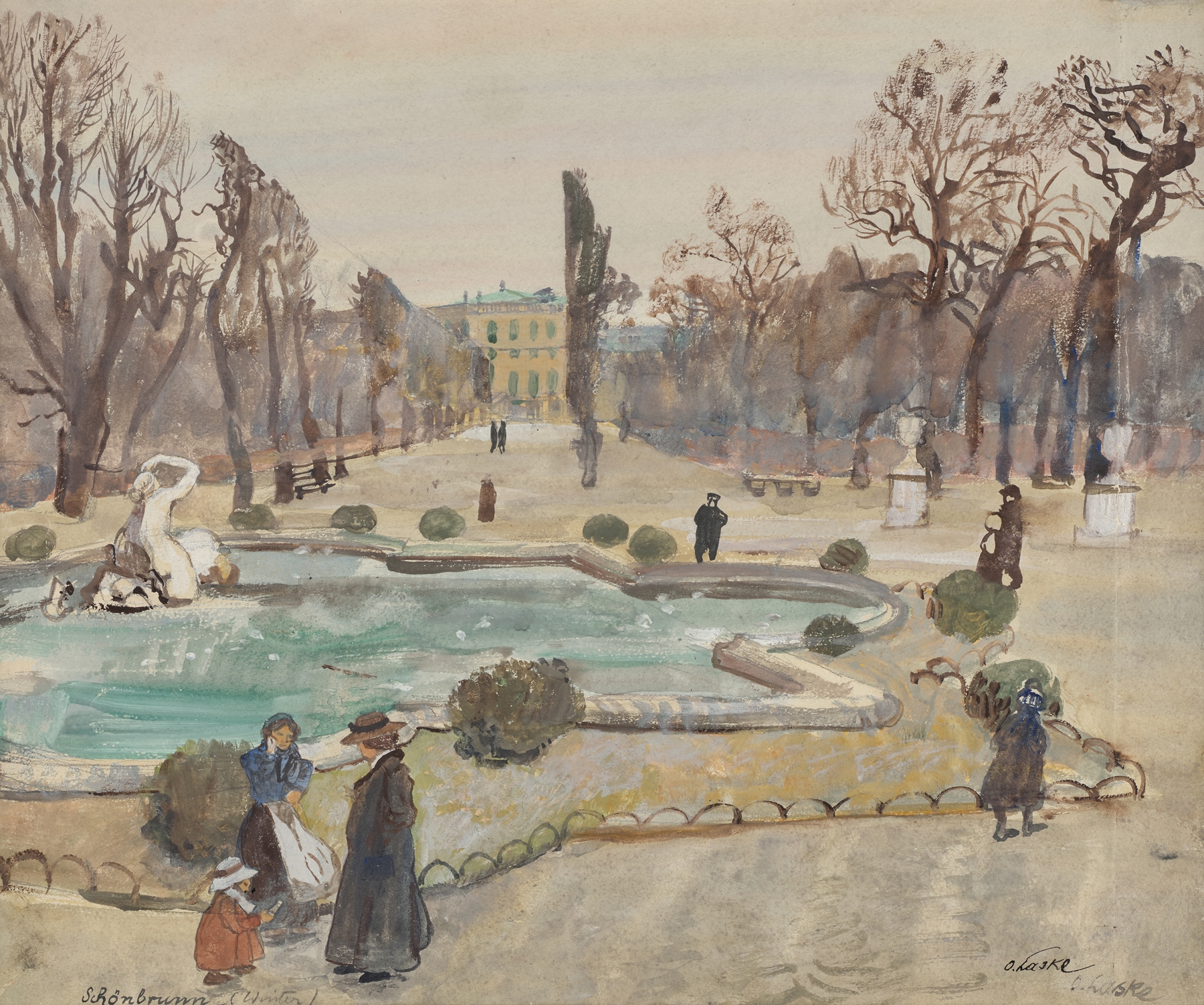
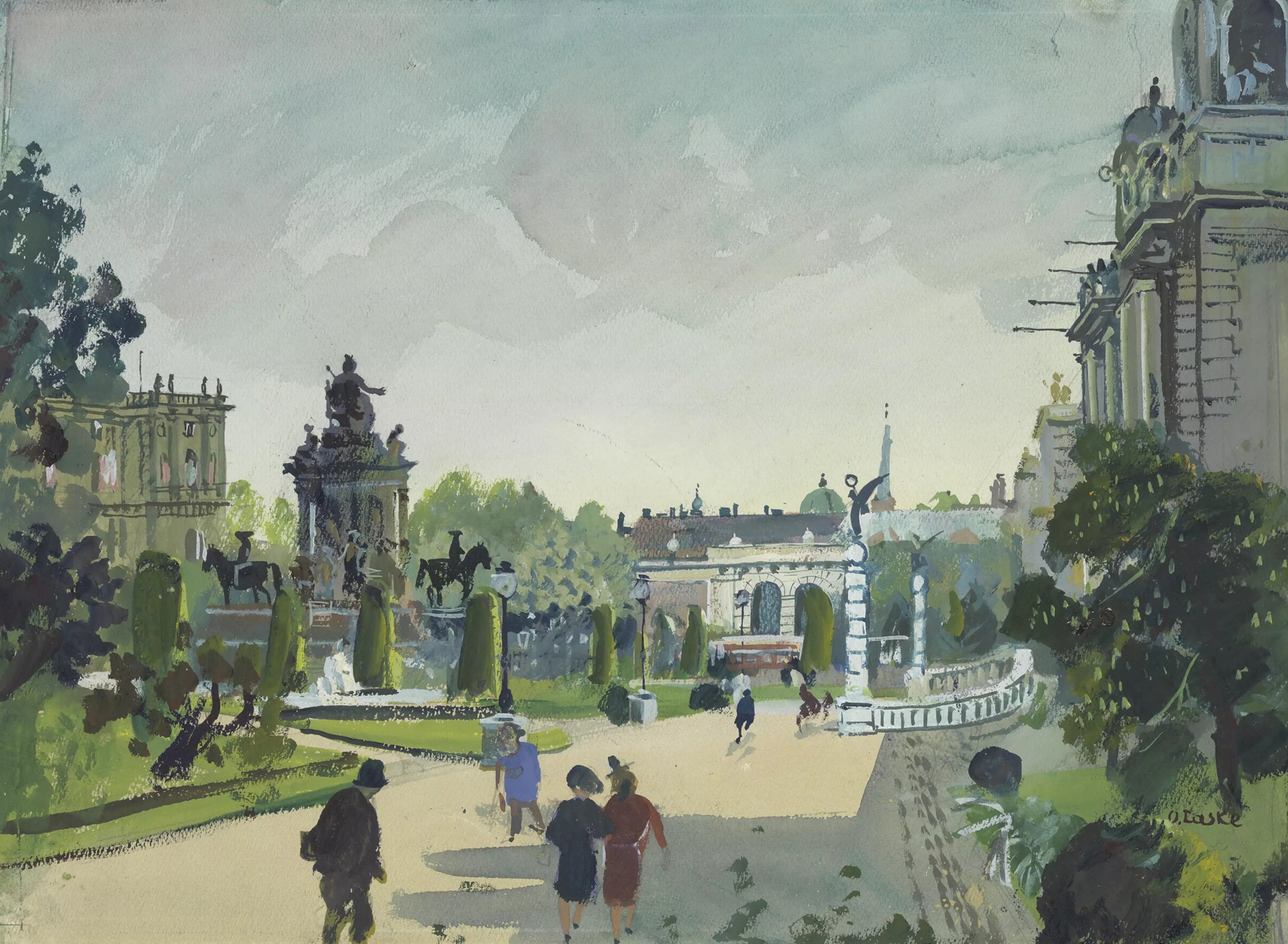
“Sometimes beauty is just pain, disguised in gold.” The delicate balance between splendor and sorrow often unveils the true essence of our destinies, a sentiment that resonates deeply in the heart of nature’s embrace. As you survey the composition, focus first on the sweeping expanse of the park, where lush greenery breathes life into the canvas. The vivid brushstrokes create a tapestry of verdant hues that dance under a golden sun, illuminating the pathways that lead toward the grand architecture of Schönbrunn Palace. Notice how the light filters through the leaves, casting playful shadows that invite one to wander deeper into this idyllic scene, while the meticulous detailing of the flowers adds a whisper of exuberance amidst the serene backdrop.
Yet, amid the beauty lies an undercurrent of longing. The sprawling pathways, while inviting, hint at journeys not taken; the vibrant flowers bloom with an intensity that masks the fragility of life. The juxtaposition of the palace's grandeur with the untamed vibrancy of nature suggests a tension between human ambition and the innate wildness of the world, echoing the pursuit of happiness that often leads us down paths of both fulfillment and despair.
Oskar Laske painted Der Schönbrunner Schlosspark in 1942, during a tumultuous period marked by the shadows of World War II. Living in Vienna, he faced the challenges of a changing artistic landscape, grappling with the implications of modernity while holding onto the traditional beauty of his surroundings. This work reflects not only the charm of the park but also a deeper commentary on the conflicting realities of his time, intertwining the allure of nature with the weight of destiny.