Der Vesuv — History & Analysis
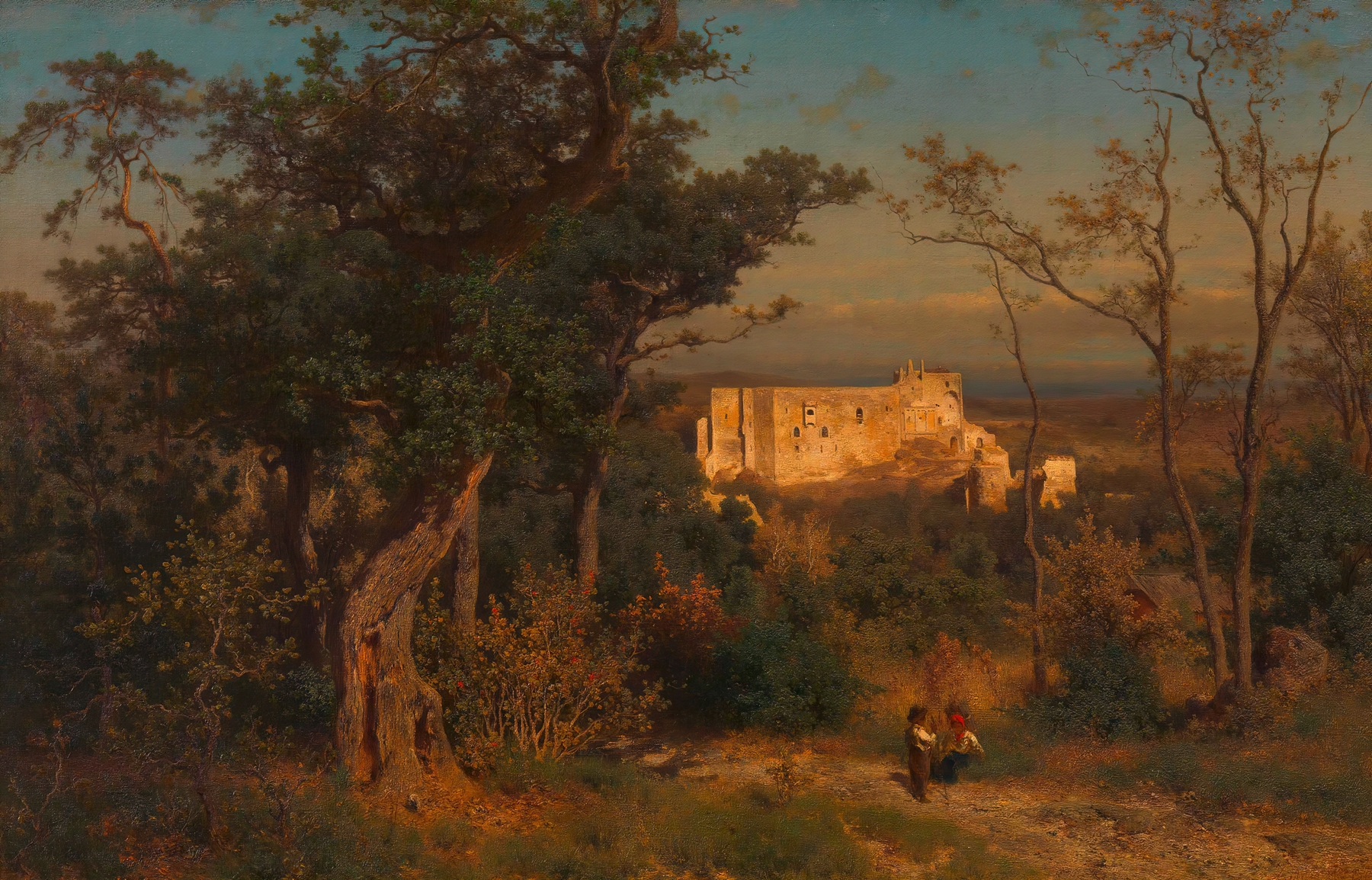
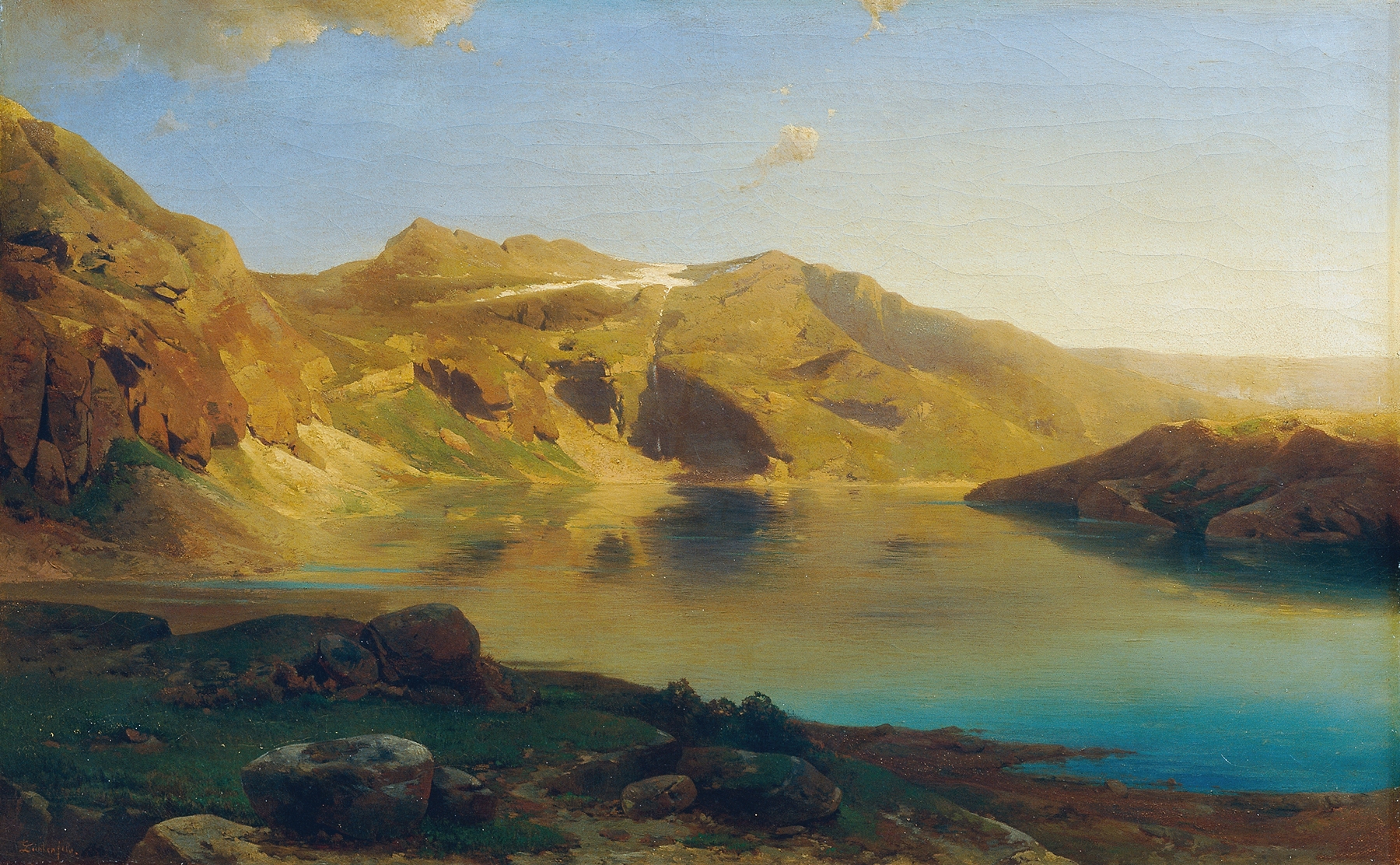
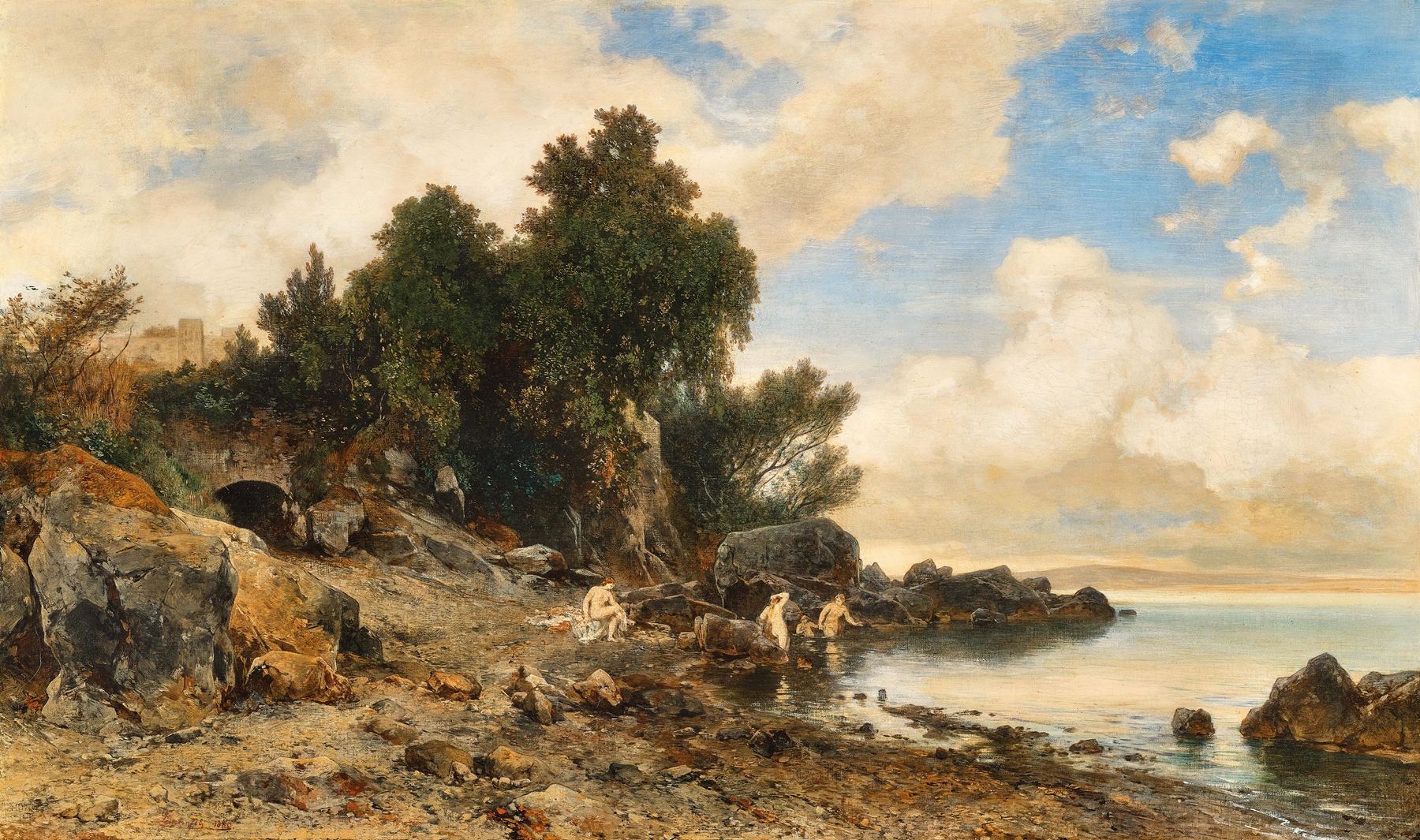
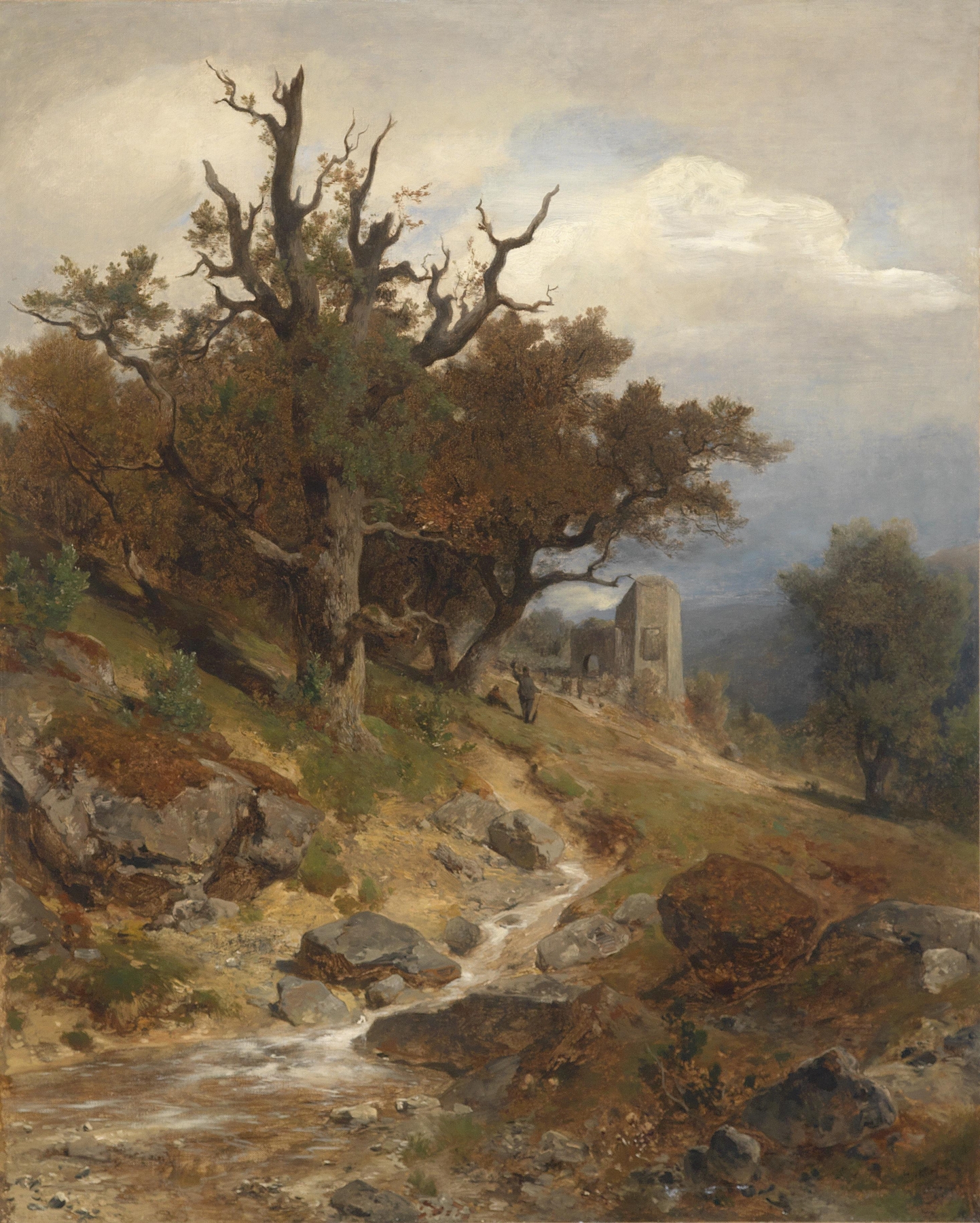
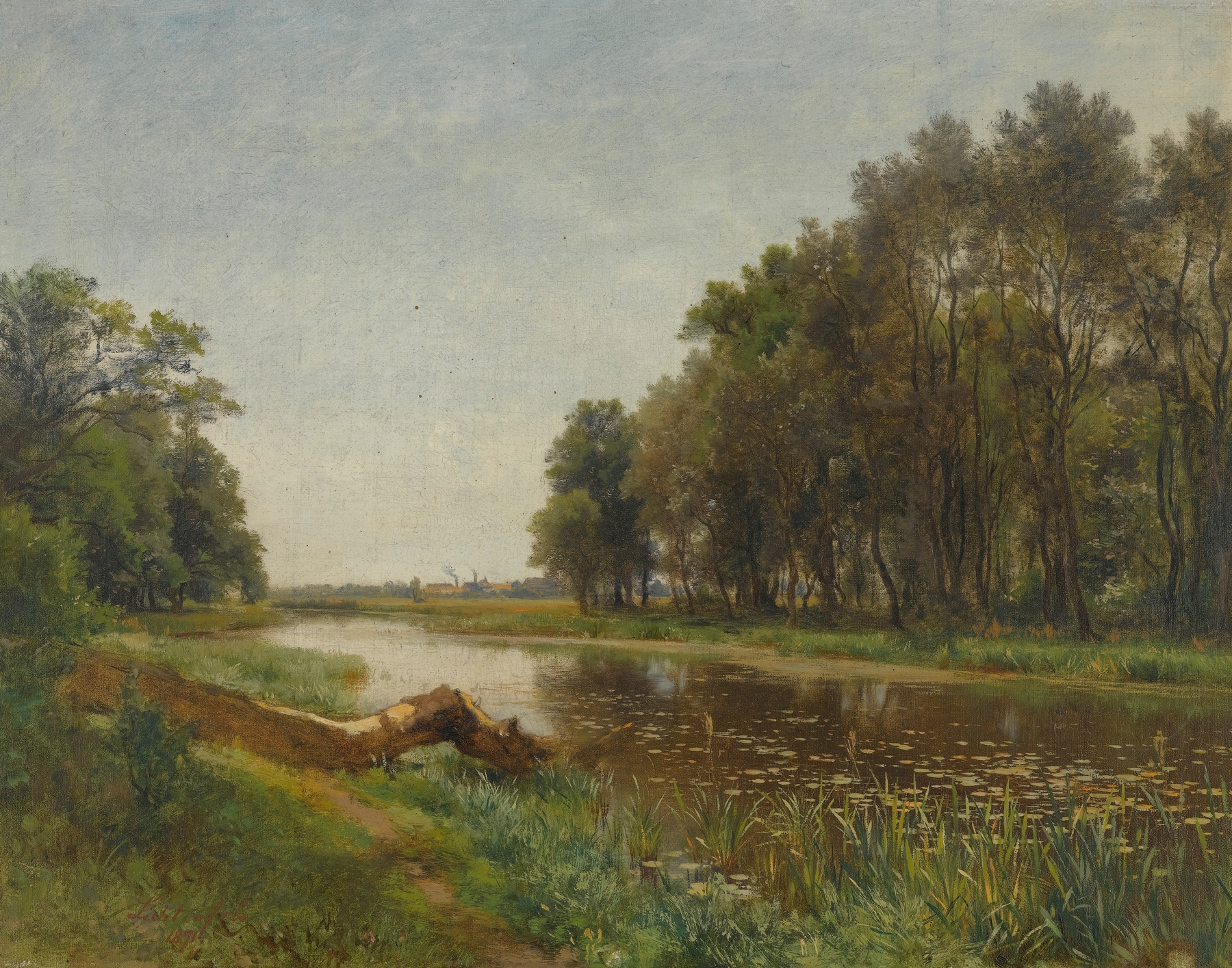
Where does light end, and longing begin? This question echoes in the undulating landscape captured within the canvas, where the formidable silhouette of Vesuvius looms over the serene bay, inviting contemplation and desire. Focus on the gentle ripples of the water, where sunlight dances, drawing your gaze towards the horizon. The artist employs a delicate palette of blues and greens, interspersed with the warm, glowing hues of the sky, creating a harmonious interplay of color.
Notice how Vesuvius stands resolute yet enigmatic, its peak kissed by soft clouds, contrasting with the tranquil scene below. The composition unfolds layers of depth, from the vibrant foreground flora to the distant mountains, each brushstroke revealing a masterful command of light and shadow. Hidden within the landscape lies a poignant tension between the serene beauty of nature and the ominous presence of the volcano. The tranquil bay reflects a yearning for peace, while the mountain evokes a sense of foreboding, suggesting the duality of existence — a longing for safety amidst the ever-present threat of nature’s wrath.
The colors, bright yet tempered, mirror the complexity of human desire, drawing the viewer into a contemplative dialogue with the artwork. In 1881, the artist was in Vienna, drawing inspiration from the Romantic movement's fascination with nature and emotion. This piece emerged during a time when landscapes were celebrated for their ability to evoke profound feelings and reflections on the sublime. In a world rapidly changing with industrialization, the allure of Vesuvius represents both beauty and the inexorable force of nature, encapsulating a moment when art served as a bridge between longing and reality.