The March-Au Near Lundenburg — History & Analysis
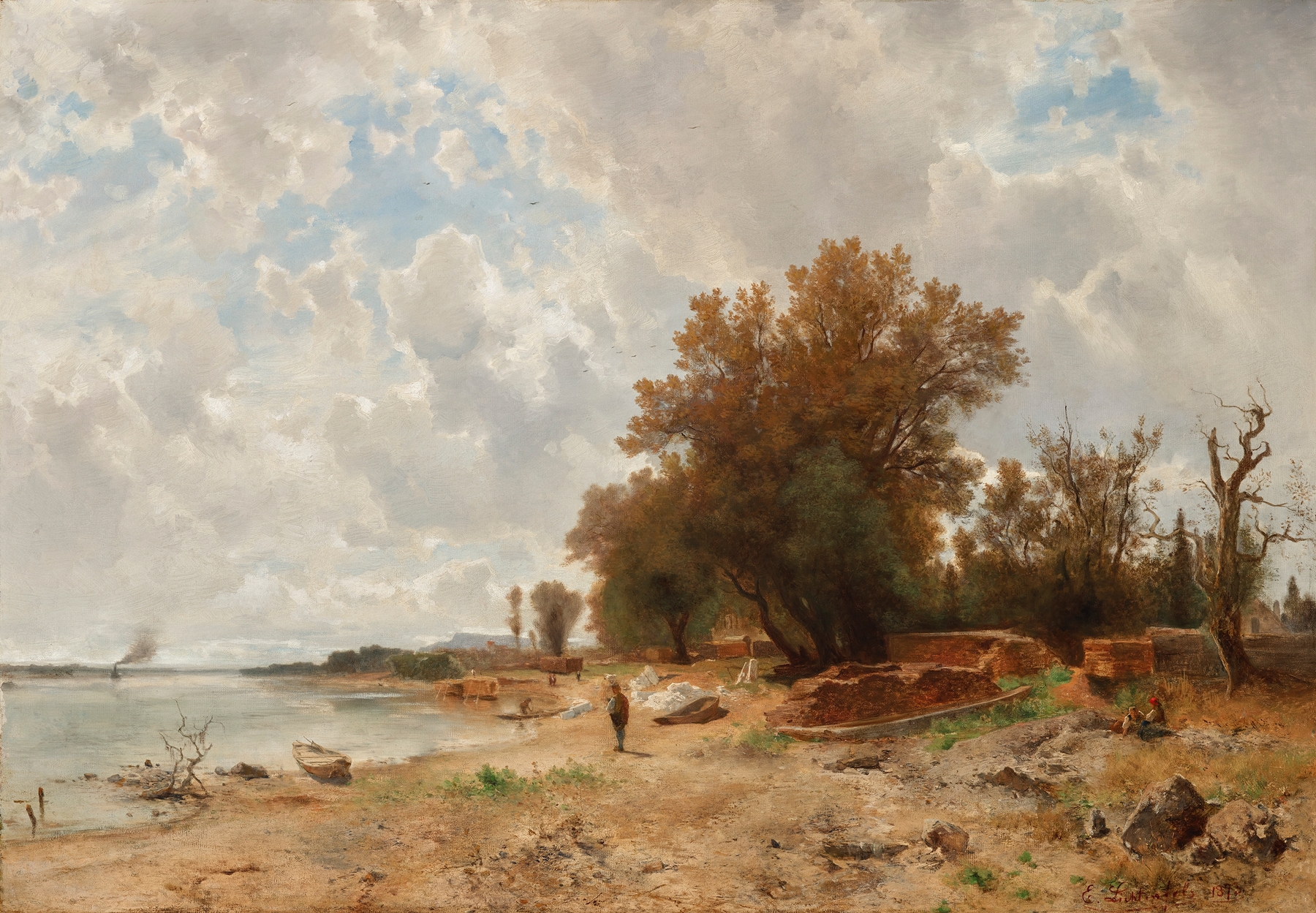
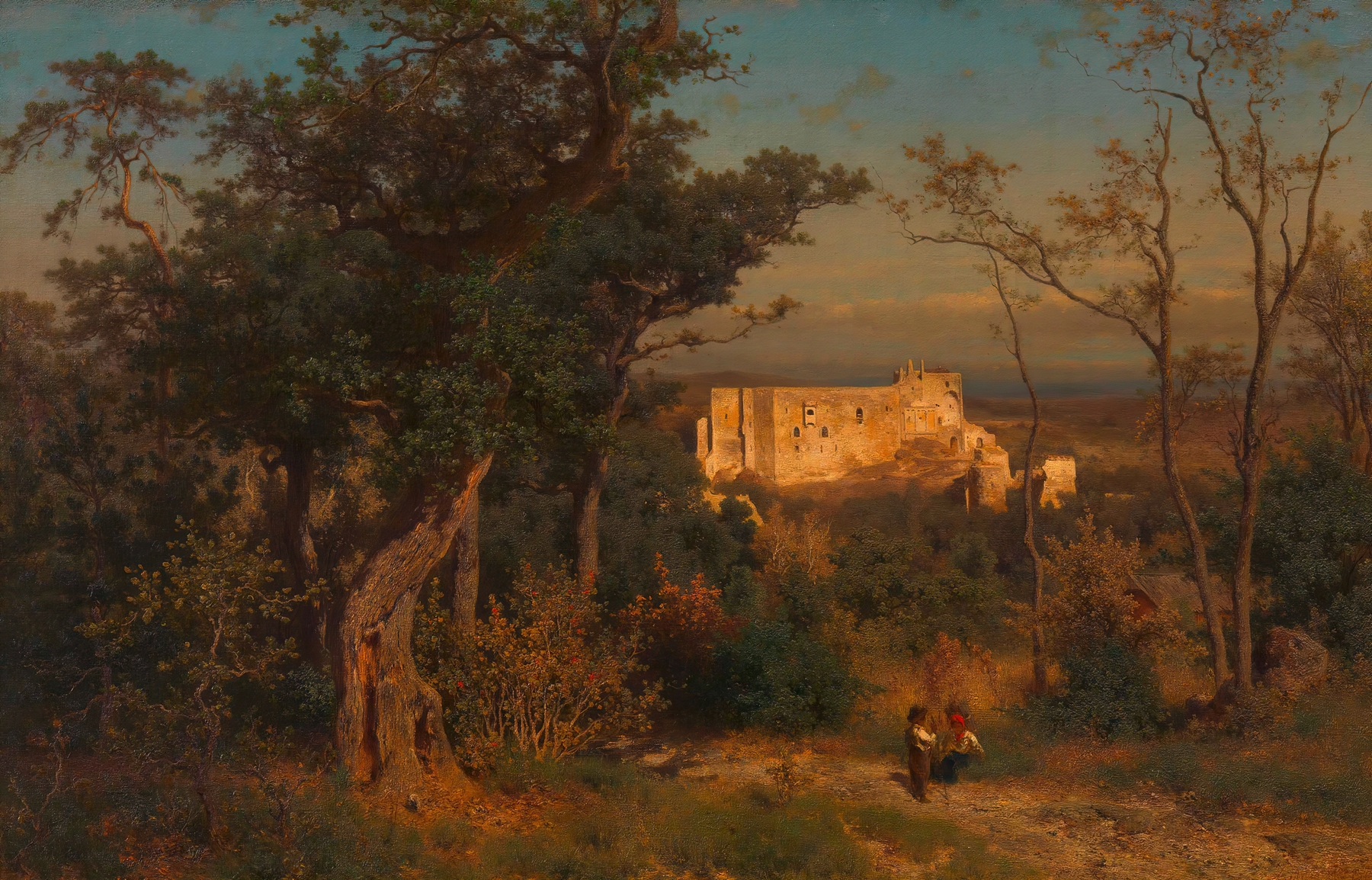
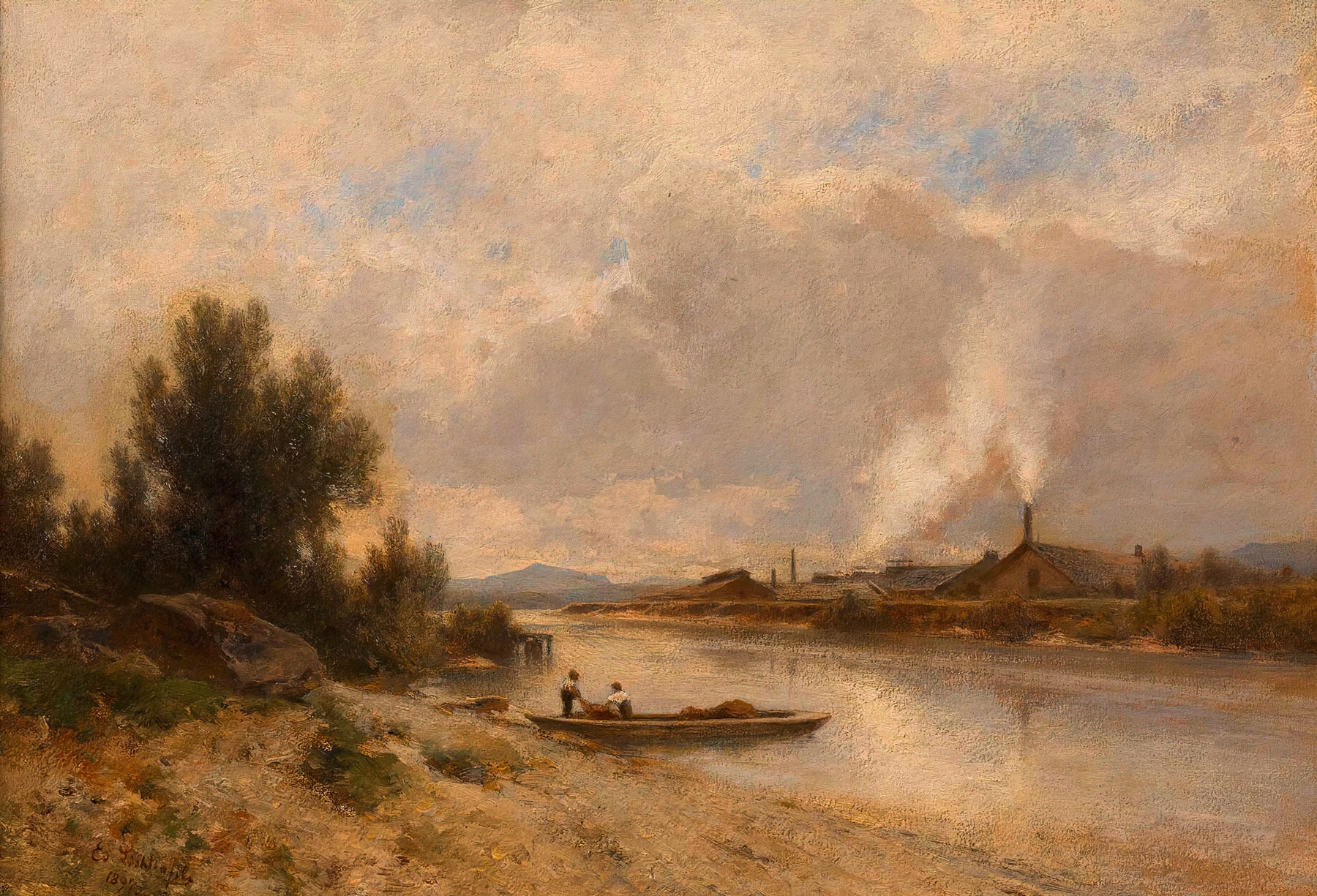
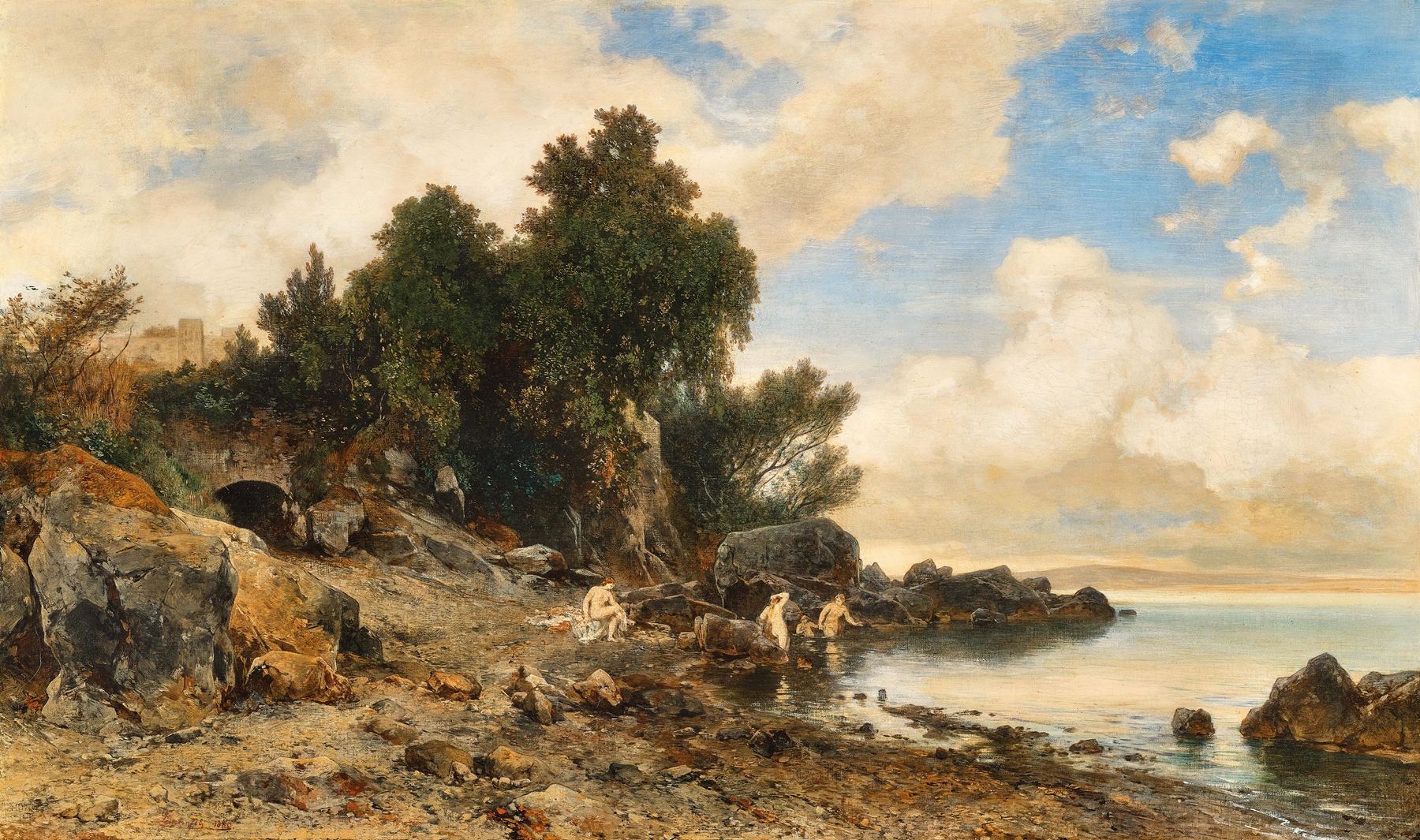
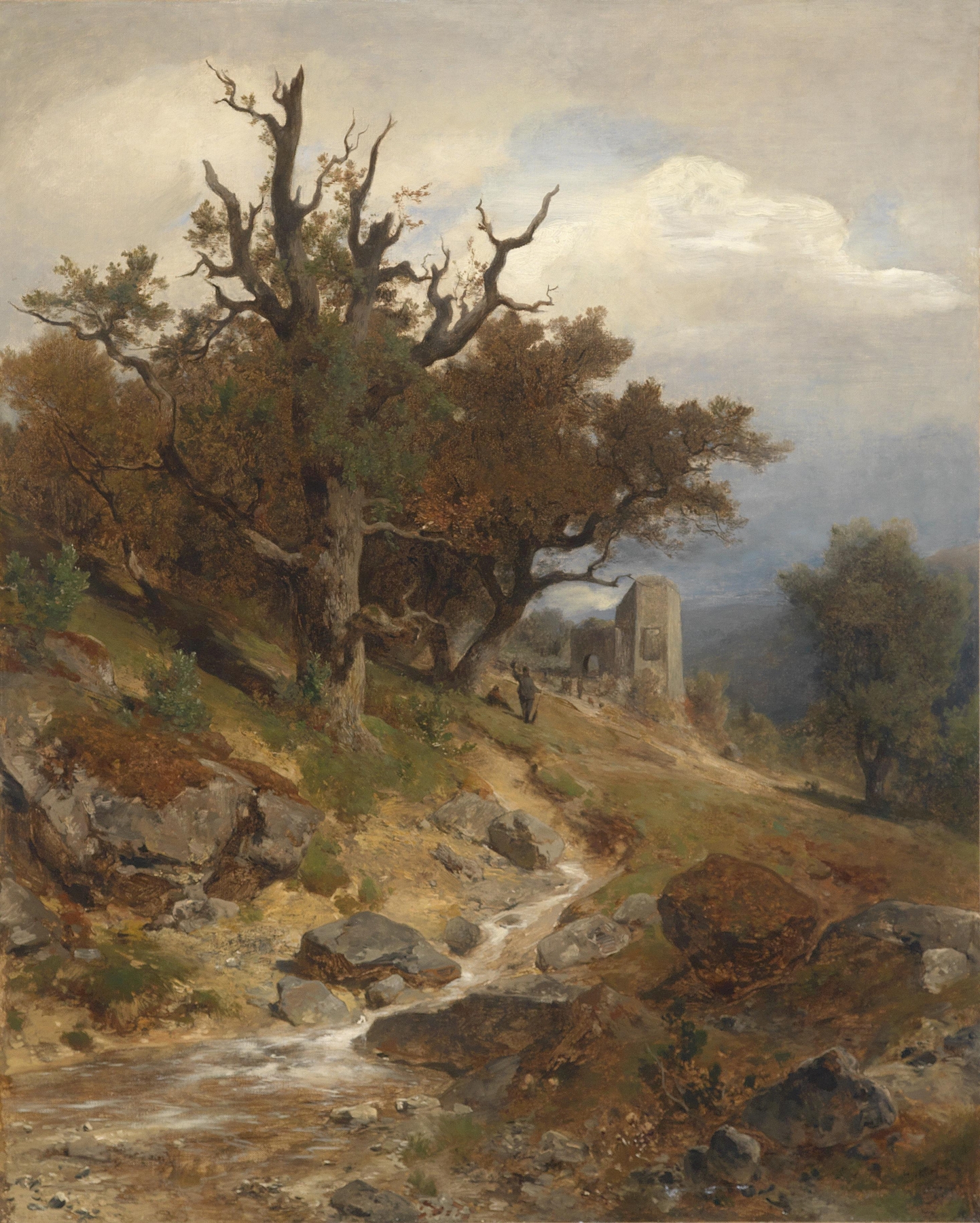
“Between color and silence, truth hides.” Time, in its relentless passage, is both the artist’s greatest ally and dire adversary, weaving moments into an eternal tapestry. Focus on the horizon, where a delicate haze softly mingles with the muted palette of greens and browns. The way the light creeps in from above, illuminating the path ahead, invites you to journey through the scene. Notice how the brushstrokes blend seamlessly, creating a sense of motion where the trees sway gently, as if whispering secrets of days gone by.
Each stroke feels intentional, a testament to the patience and precision of the painter. Hidden beneath the surface, the painting echoes themes of transience and unyielding nature. The juxtaposition of vibrant life and the somber tranquility of the landscape speaks to the duality of existence—where joy and sorrow coexist harmoniously. The winding path, flanked by robust trees, symbolizes the journey of life, suggesting that every turn brings both uncertainty and discovery.
The subtle play of light and shadow enhances this narrative, as if time itself ebbs and flows over the canvas. In the early 1870s, the artist was deeply influenced by the burgeoning Realist movement and the changing landscapes of a post-war Europe. Painted near Lundenburg, Austria, during a period of personal and societal transformation, The March-Au Near Lundenburg reflects the artist's exploration of natural beauty and the passage of time against the backdrop of a rapidly evolving world.