Meeresufer vor der istrischen Küste — History & Analysis
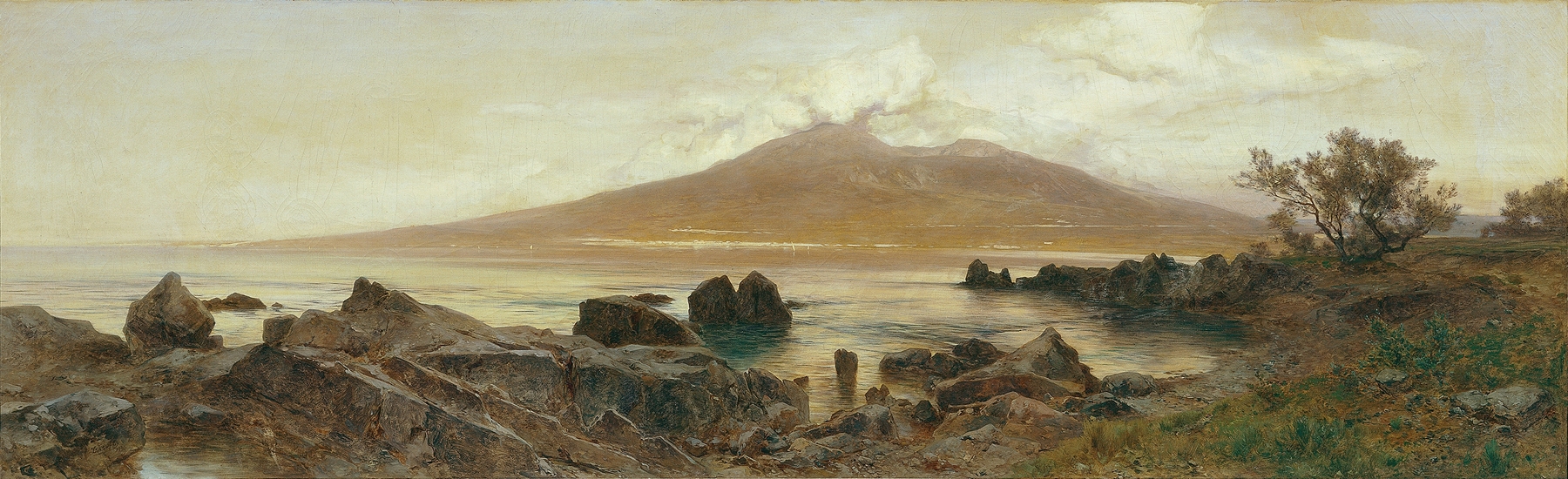
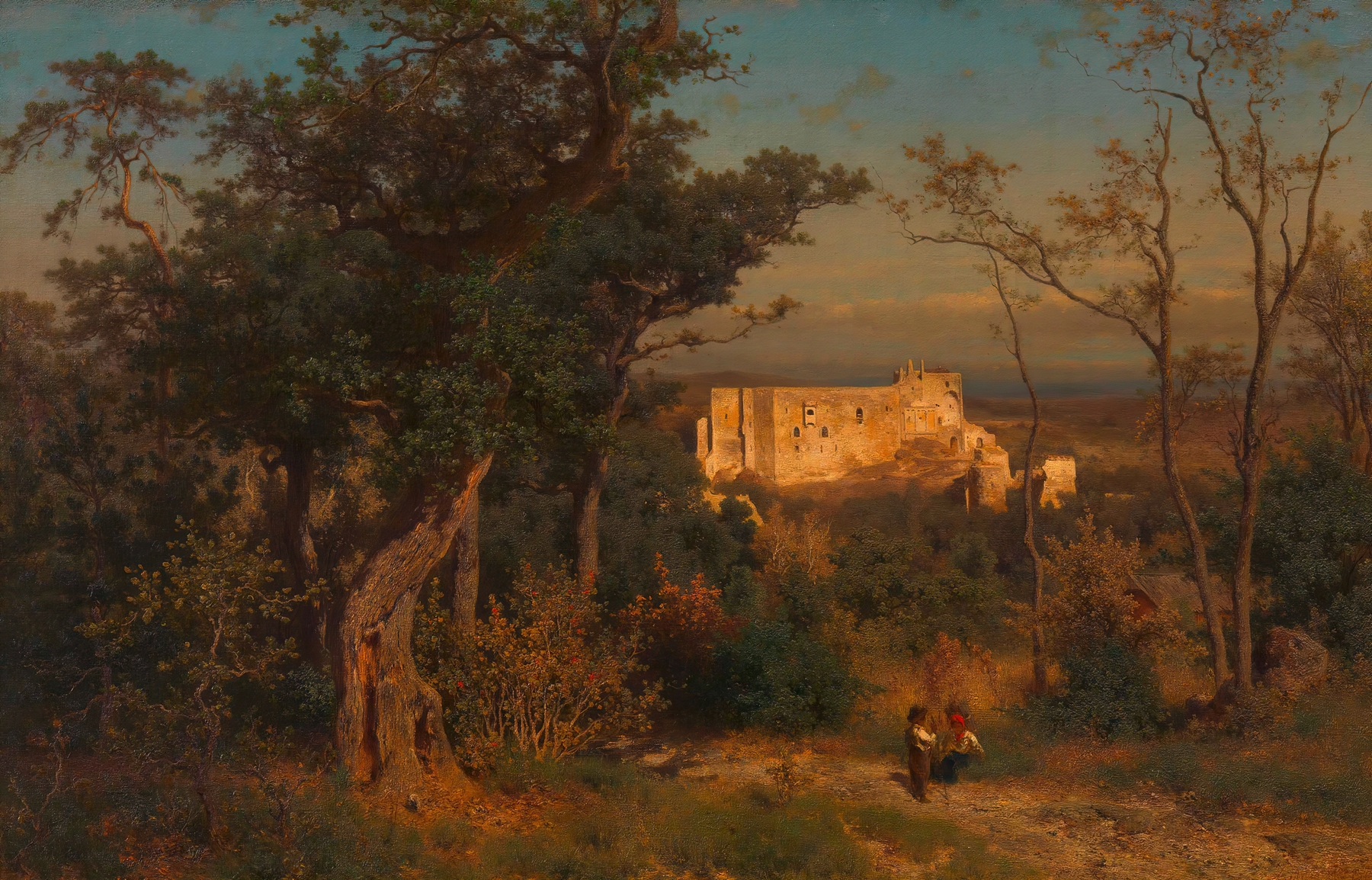
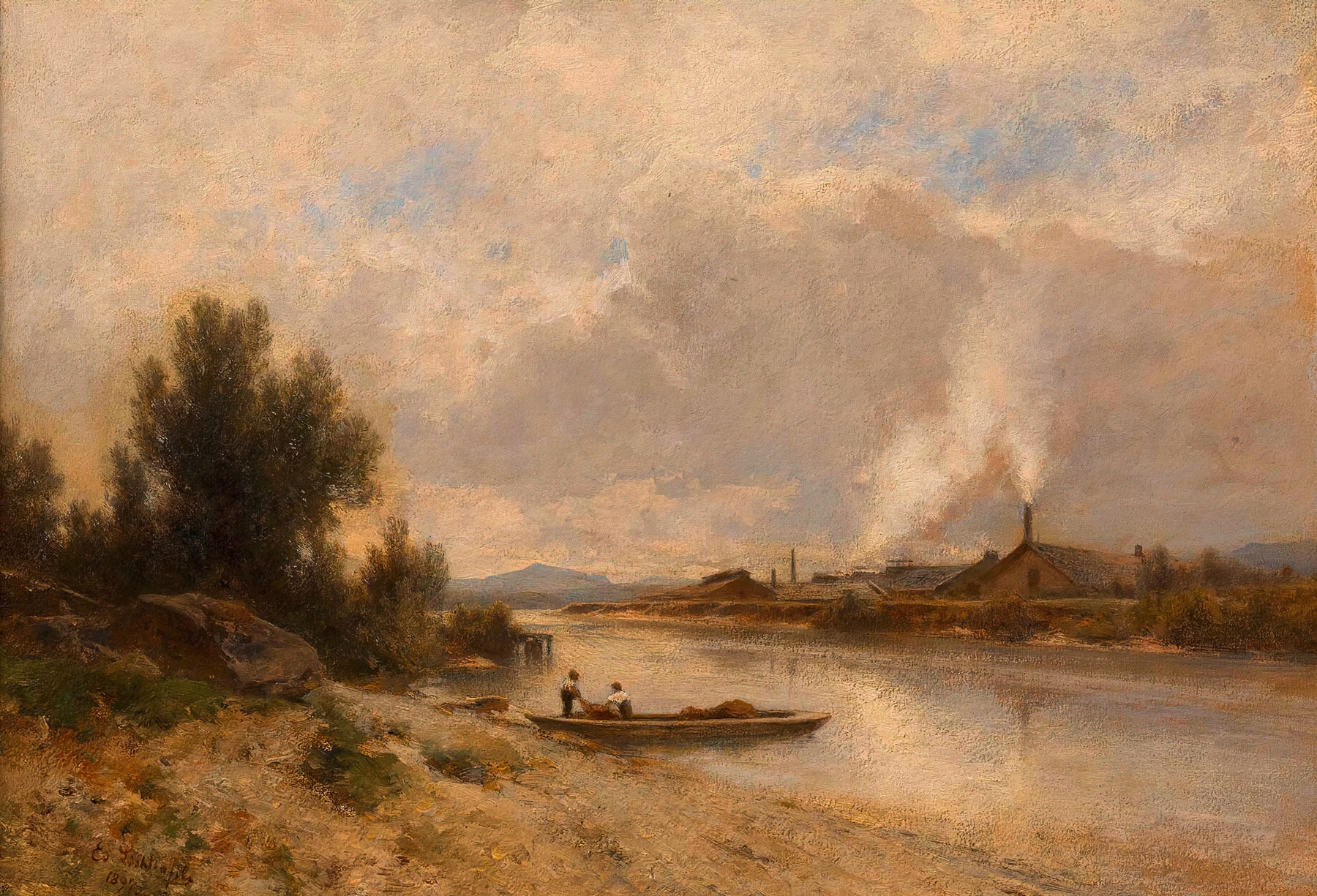
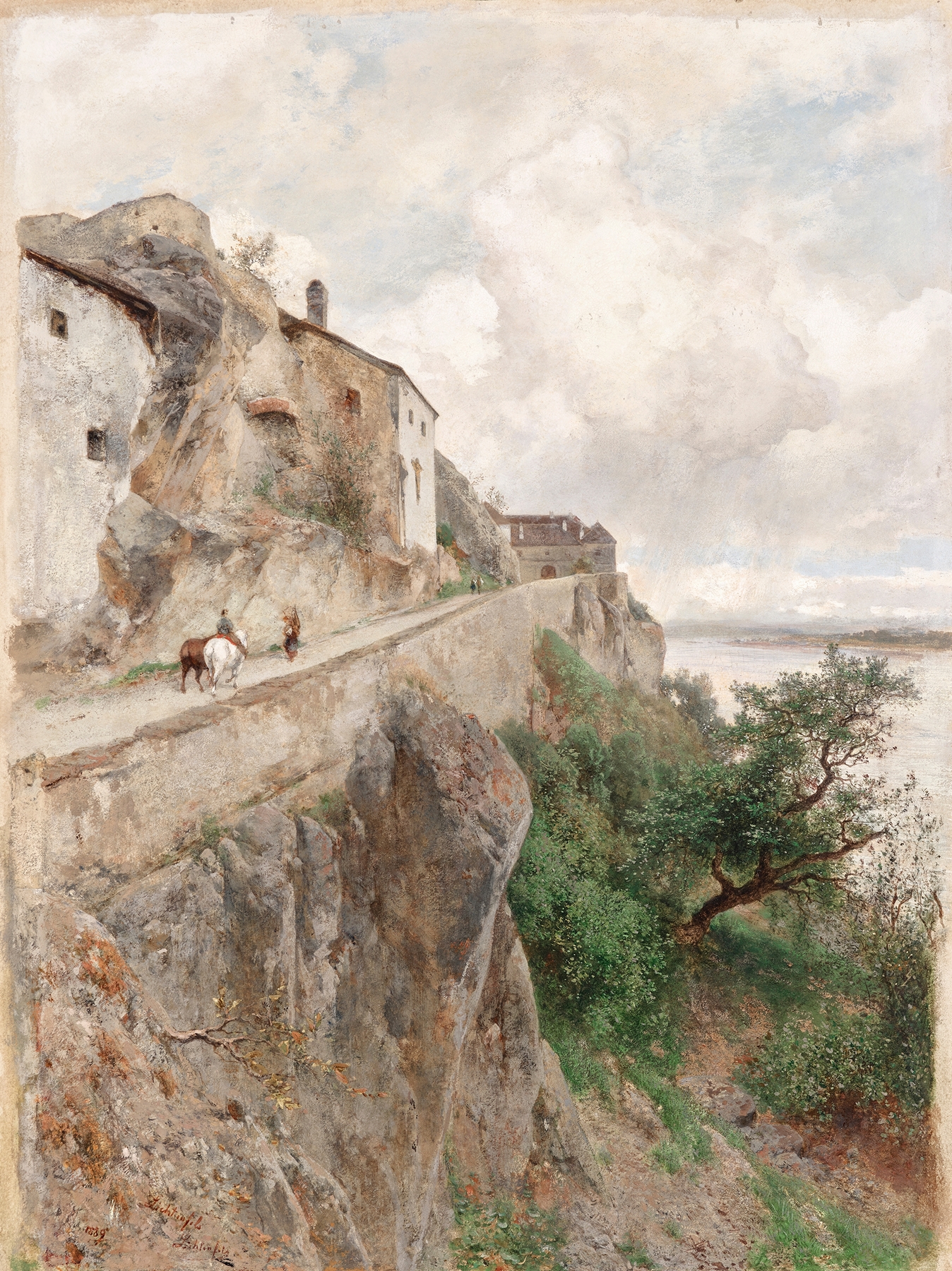
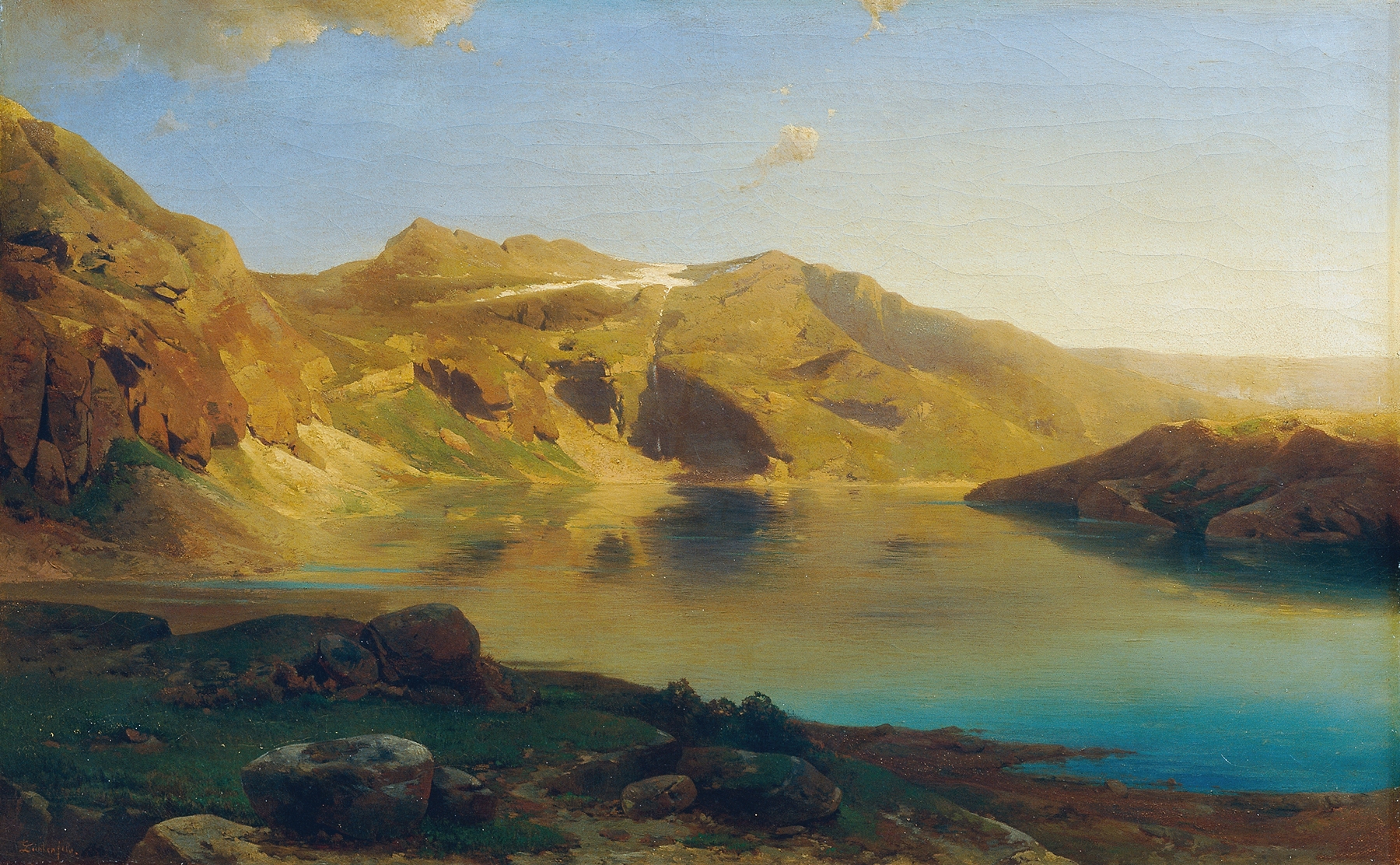
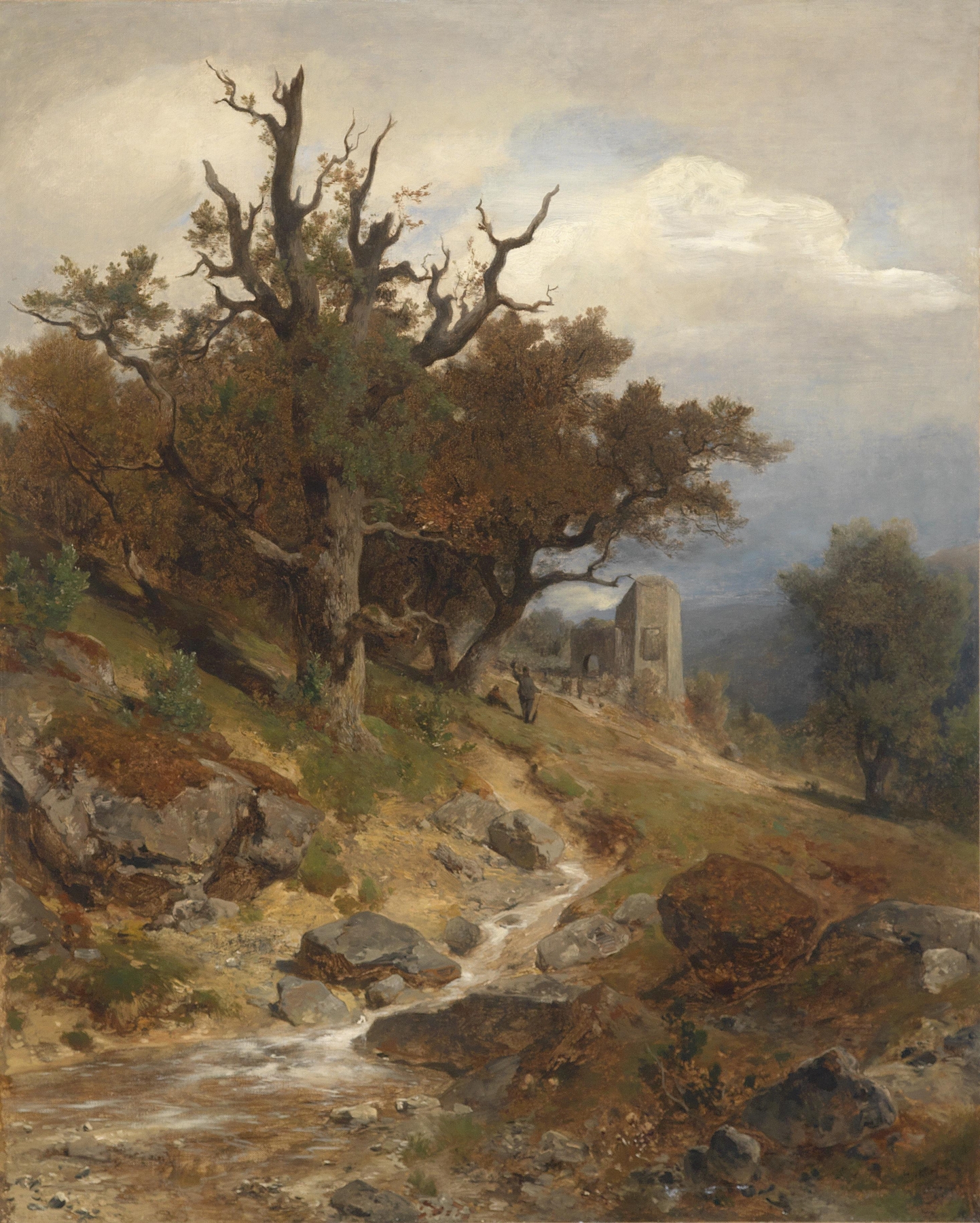
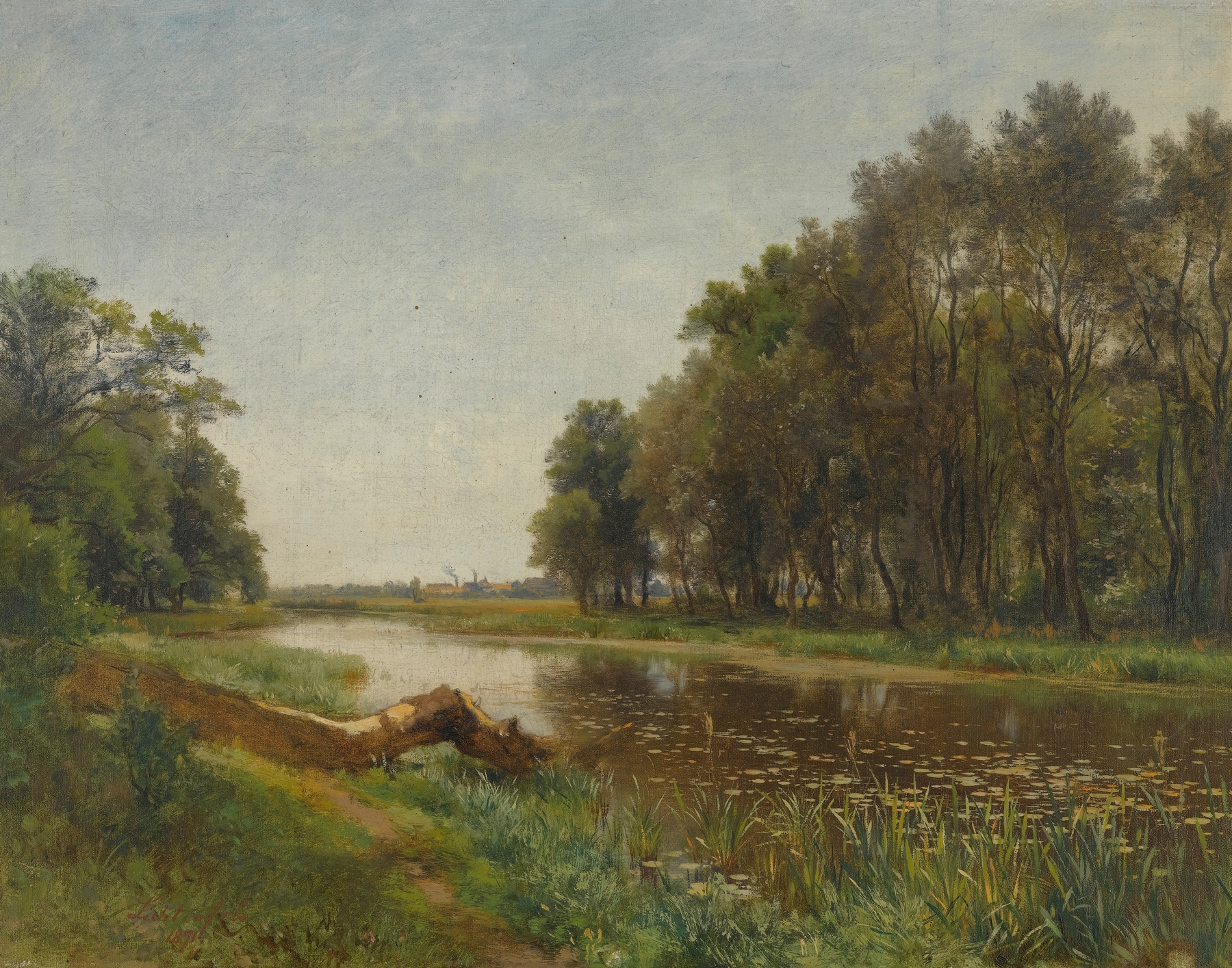
Can beauty exist without sorrow? In Meeresufer vor der istrischen Küste, the tranquil seaside landscape evokes an emotional tension that transcends mere observation, inviting introspection into the depths of human experience. Look to the left, where gentle waves kiss the sandy shore, their rhythmic dance captured with delicate brushstrokes. The light filters through soft clouds, illuminating the scene with a palette of serene blues and warm earth tones.
Notice how the horizon blurs at the convergence of sea and sky, creating a sense of infinite space that draws the eye into the depths of the painting, inviting contemplation on the relationship between land and water. Yet, beyond the tranquil beauty lies an underlying narrative of solitude. The solitary figure by the water's edge suggests a moment of reflection, perhaps grappling with the intersection of personal sorrow and the vastness of nature. The contrasting textures between the smoothness of the water and the roughness of the rocky shore evoke a visceral tension, symbolizing the dualities of life—serenity entwined with the pain of existence.
Eduard Peithner von Lichtenfels created this piece in 1890 while living in Germany during a time of artistic transition. The late 19th century was marked by movements such as Impressionism, which sought to capture fleeting moments of beauty. At this juncture, Peithner was exploring his own artistic voice, embracing the beauty of the natural world while reflecting the complexities of human emotion through his landscapes.