Dürnstein – Am Weg zum Schloss — History & Analysis
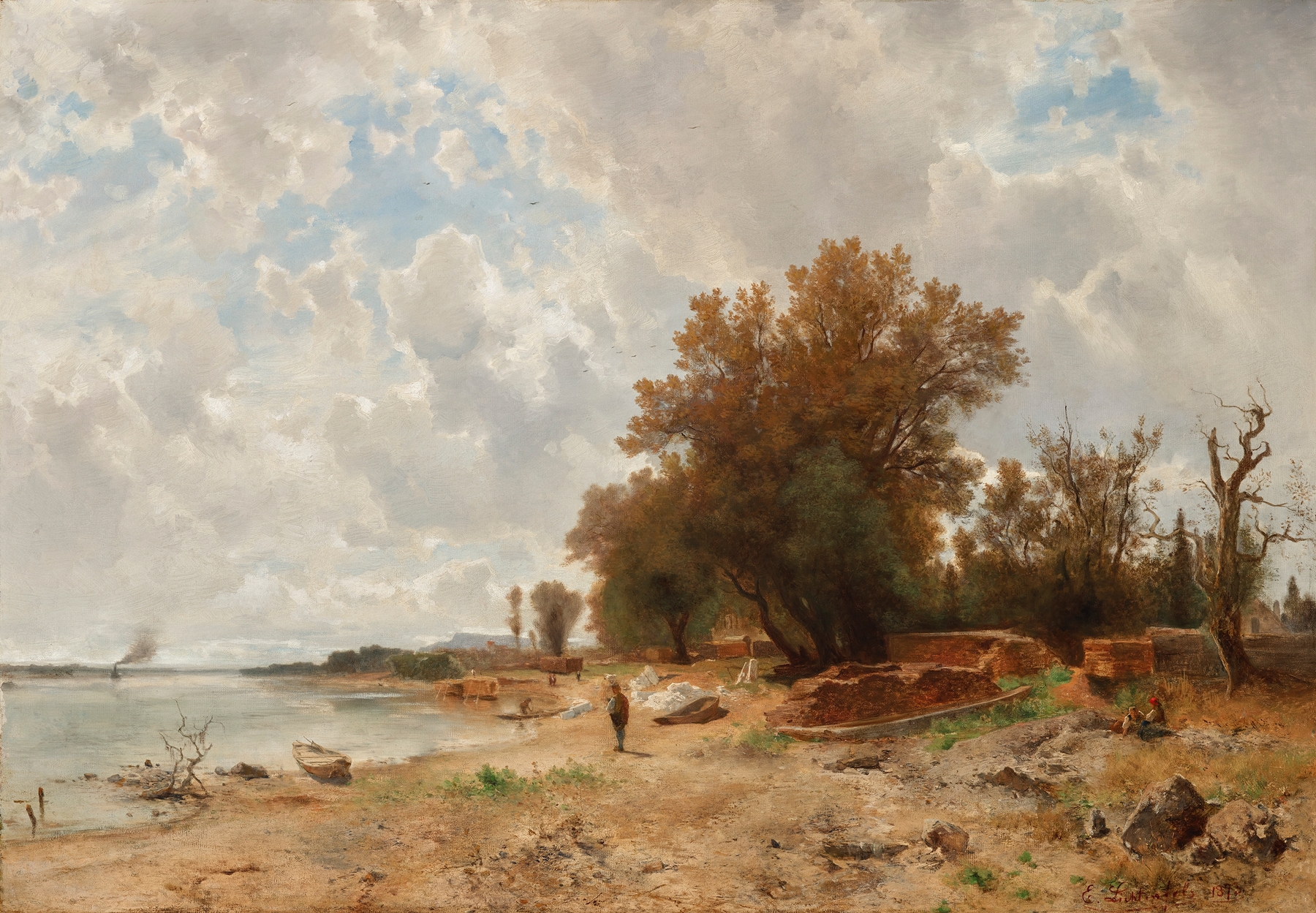
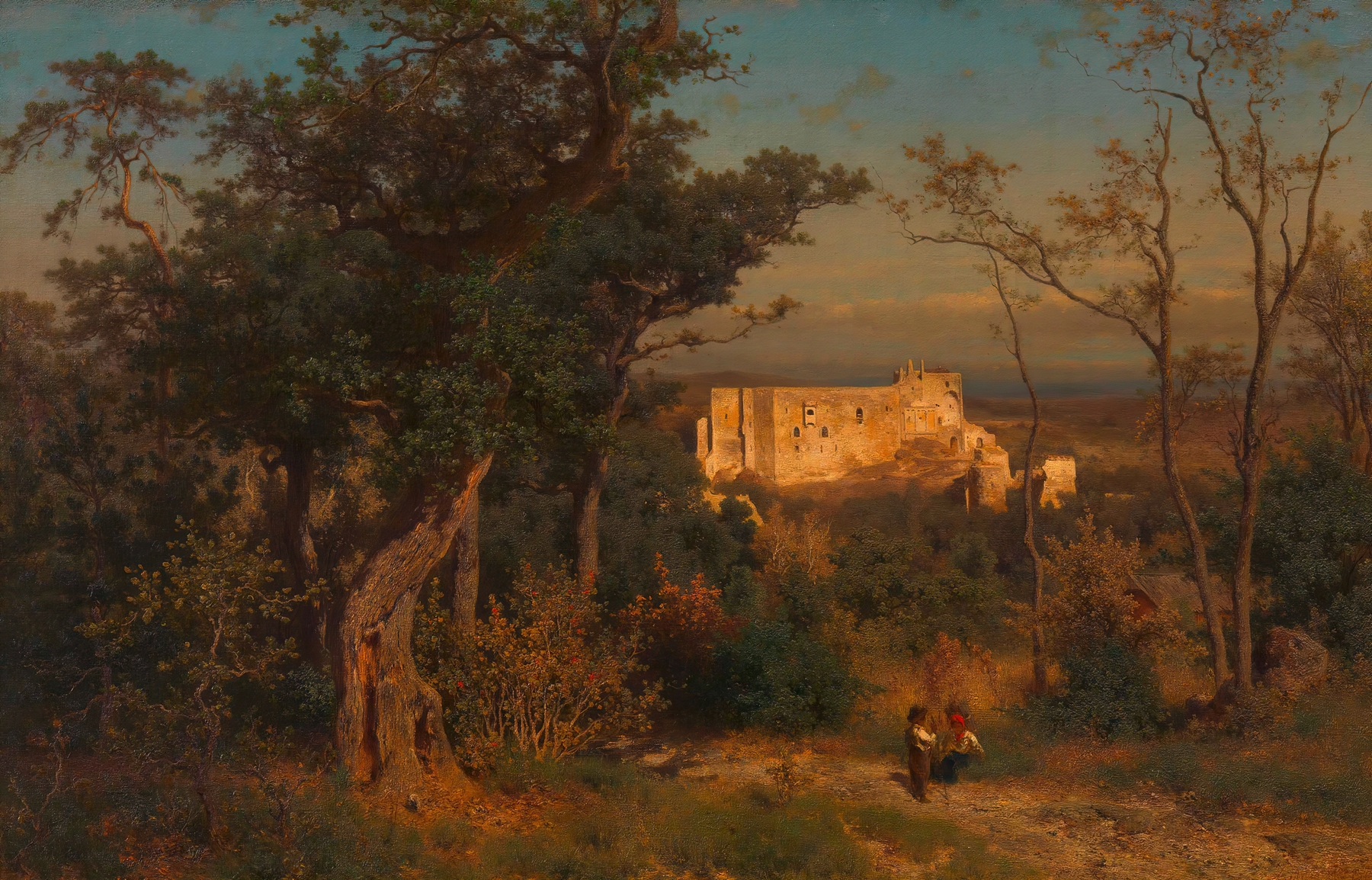
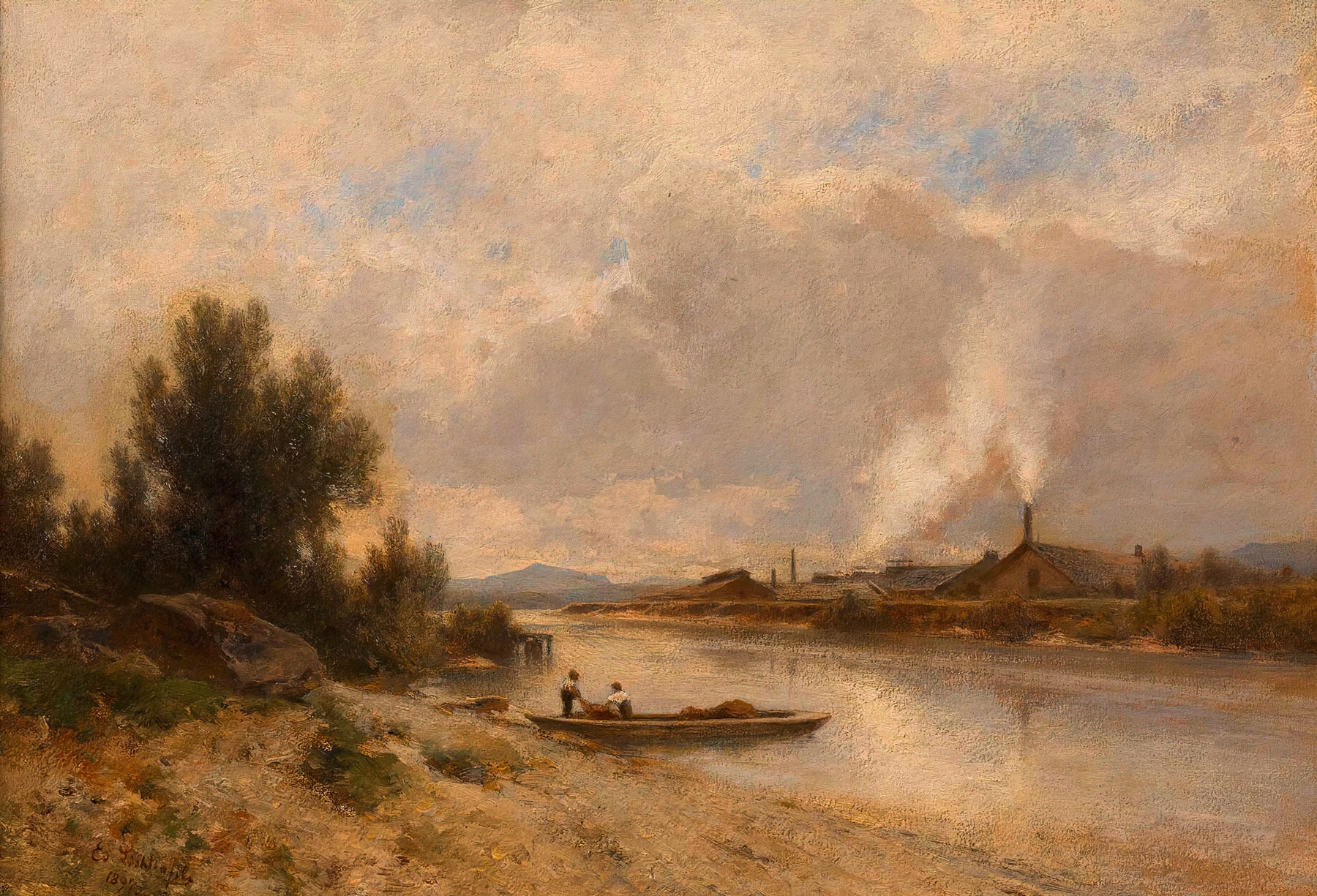
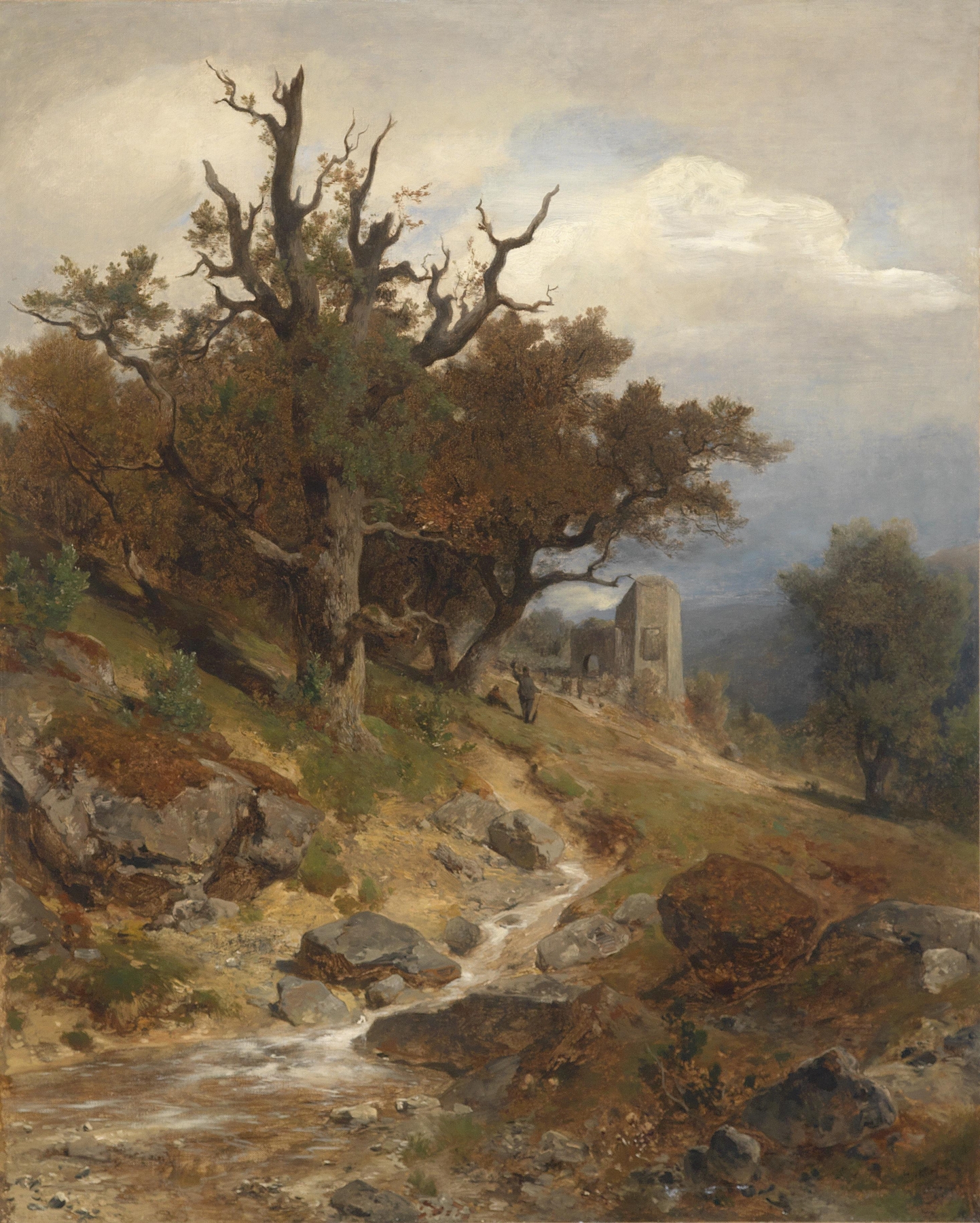
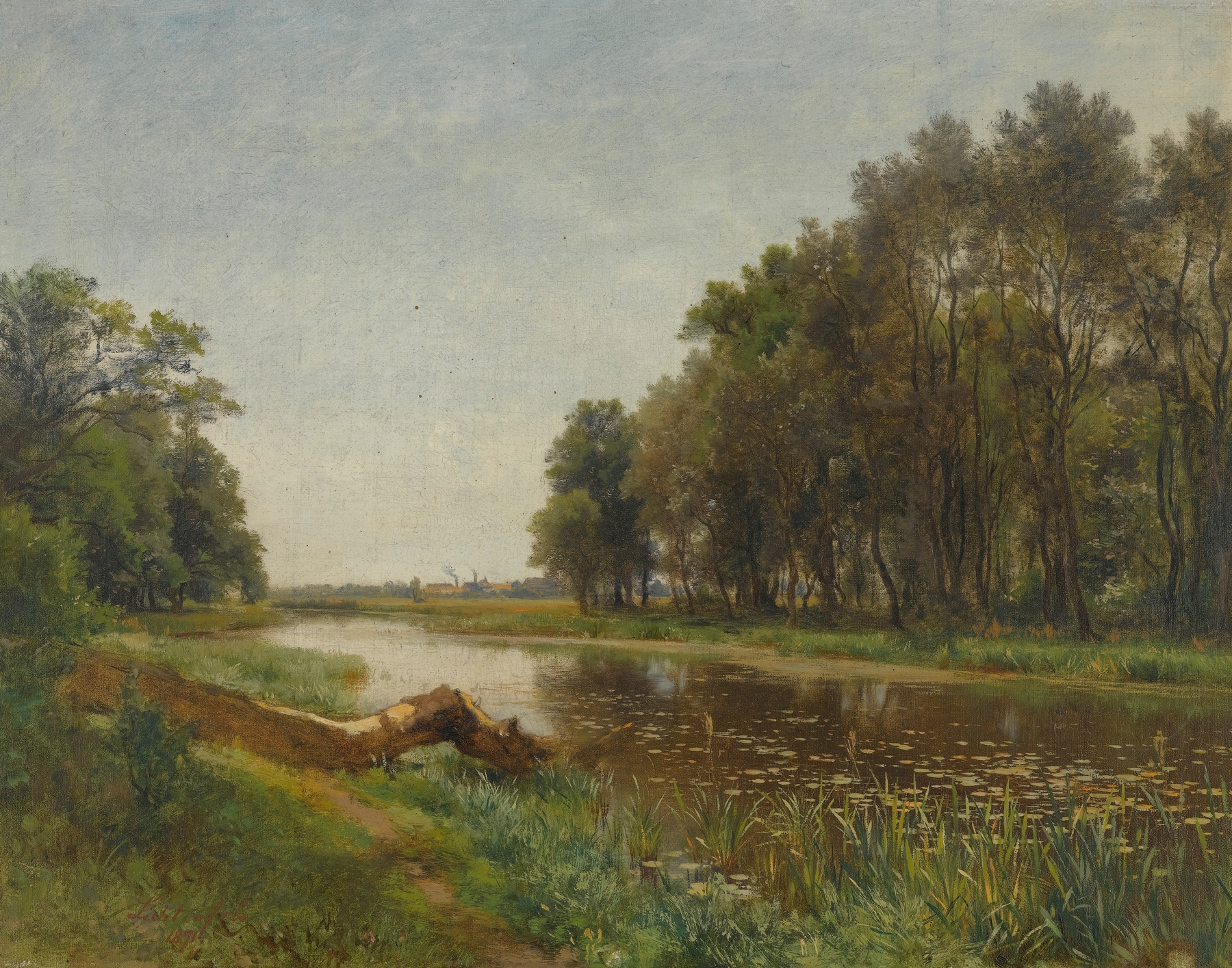
Could beauty survive in a century of chaos? In the work created in 1889, the artist captures a moment that feels both delicate and enduring, revealing the power of art to transcend turbulent times. Look to the left at the winding path that lures the eye toward the distant castle, where the ochre hues of a setting sun bathe the scene in a golden embrace. Notice how the soft brushstrokes capture the texture of the trees, their leaves whispering secrets of the past, while the tranquil river mirrors the fiery sky above.
This careful composition guides the viewer’s gaze, reflecting a harmonious balance between nature and architecture, an ever-present contrast that evokes a sense of nostalgia. Yet, beneath the surface of this idyllic setting lies an undercurrent of obsession, as if the artist is fixated on capturing not just a place, but a moment suspended in time. The vibrant colors juxtaposed against shadowy outlines suggest an emotional tension between fleeting beauty and the inevitability of decay. This duality transforms the landscape into a metaphor for existence, inviting contemplation of what is cherished amidst the chaos engulfing the world.
Eduard Peithner von Lichtenfels painted this piece during a time when Europe was grappling with rapid industrialization and political turmoil. Living in Vienna, he sought solace in the pastoral beauty of the Austrian countryside, reflecting a longing for serenity in the midst of societal upheaval. As artists began to embrace modernism, this work serves as a poignant reminder of the timeless allure of nature, even as the world around it shifted dramatically.