Die Blumenterrasse im Wannseegarten nach Nordwesten — History & Analysis
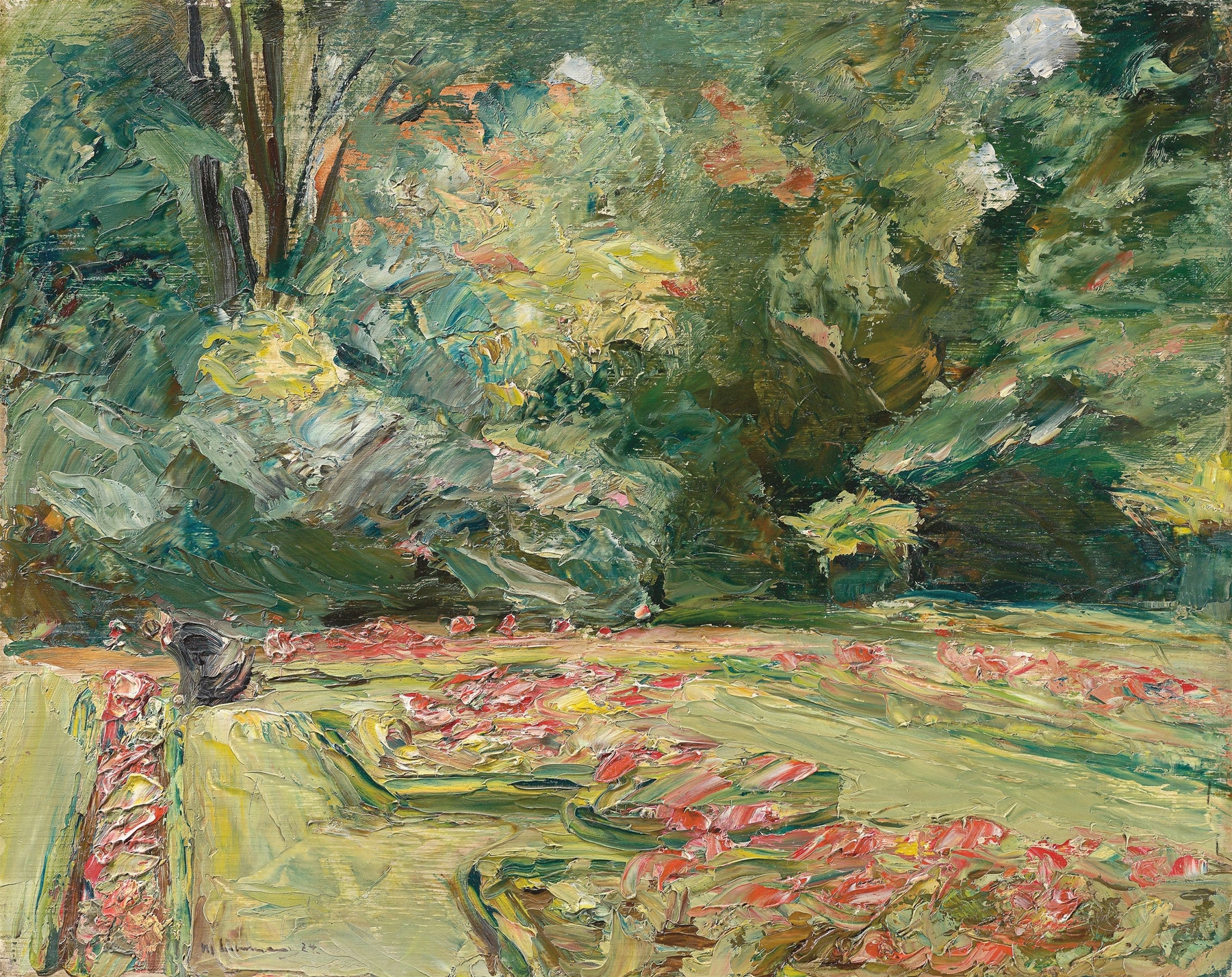
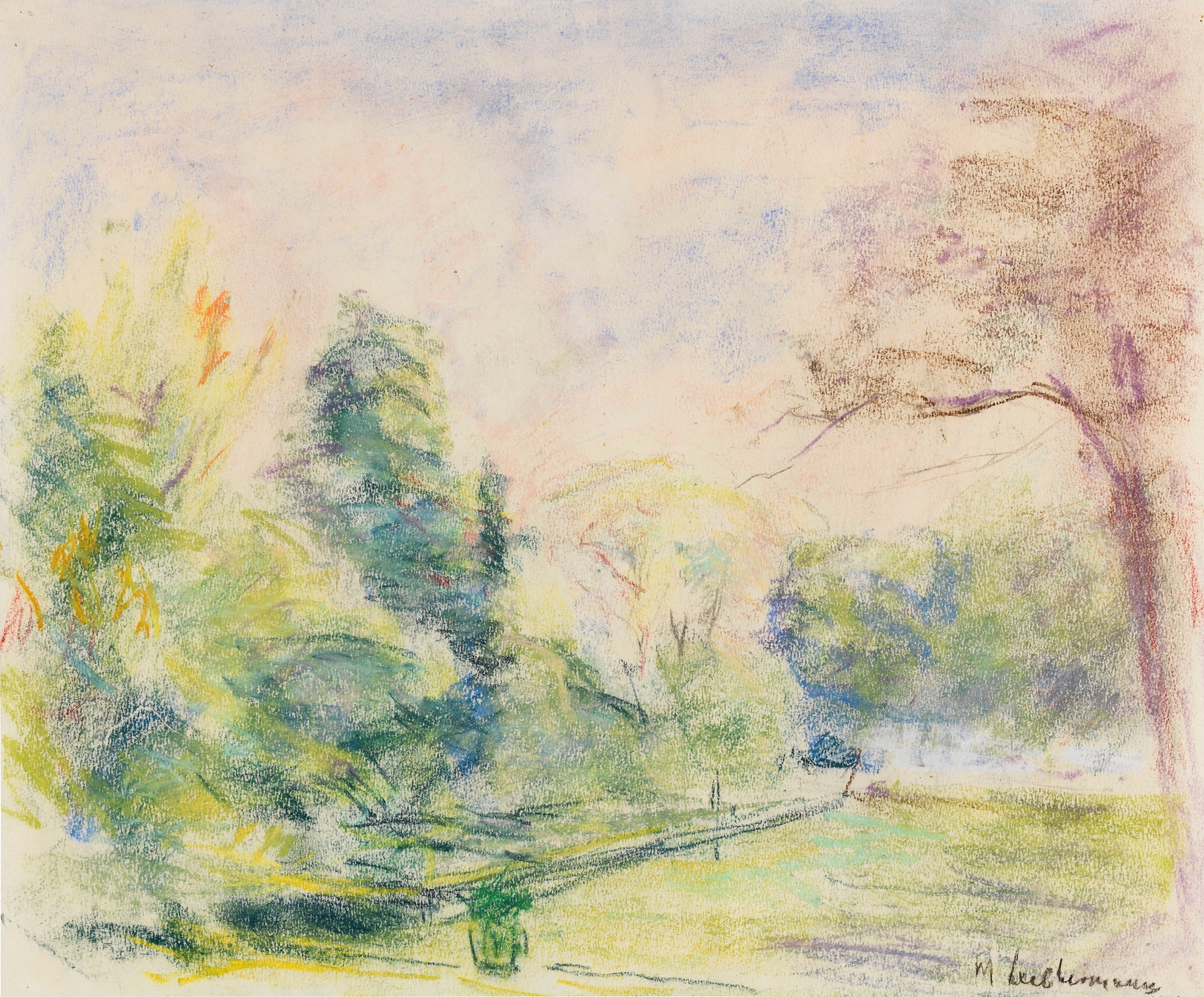
“Under the brush, chaos becomes grace.” In Die Blumenterrasse im Wannseegarten nach Nordwesten, fragility meets vibrant life, reminding us that beauty often emerges from fleeting moments. Focus first on the blossoming flowers that burst forth in vivid colors, cascading down the terrace. The artist employs a masterful interplay of light and shadow, as sunlight filters through the petals, illuminating their delicate forms. Notice how the rich greens of the foliage cradle the blooms, creating a lush backdrop that enhances their softness and warmth.
Each brushstroke conveys the tender impermanence of the scene, inviting the viewer to appreciate the transitory nature of beauty. Beneath this vibrant exterior lies a deeper meditation on fragility and resilience. The juxtaposition of the firmly anchored terrace against the ephemeral blooms speaks to the tension between stability and change. The splashes of color evoke joy, yet there’s an underlying melancholy, hinting at the inevitable decay of life’s vibrancy.
Observing the flowers, one can sense a whisper of nostalgia, a reminder of moments that are precious yet fleeting. In 1927, when this work was created, Max Liebermann was deeply immersed in the art scene of Weimar Germany, reflecting the tumultuous socio-political climate of the time. Having established himself as one of the leading figures of Impressionism in Germany, he sought solace in the beauty of nature, capturing the essence of everyday life. This painting is a testament to his unwavering commitment to portraying the ephemeral, a theme that resonated with the turbulence around him.