Die Schlacht bei Hochkirch — History & Analysis
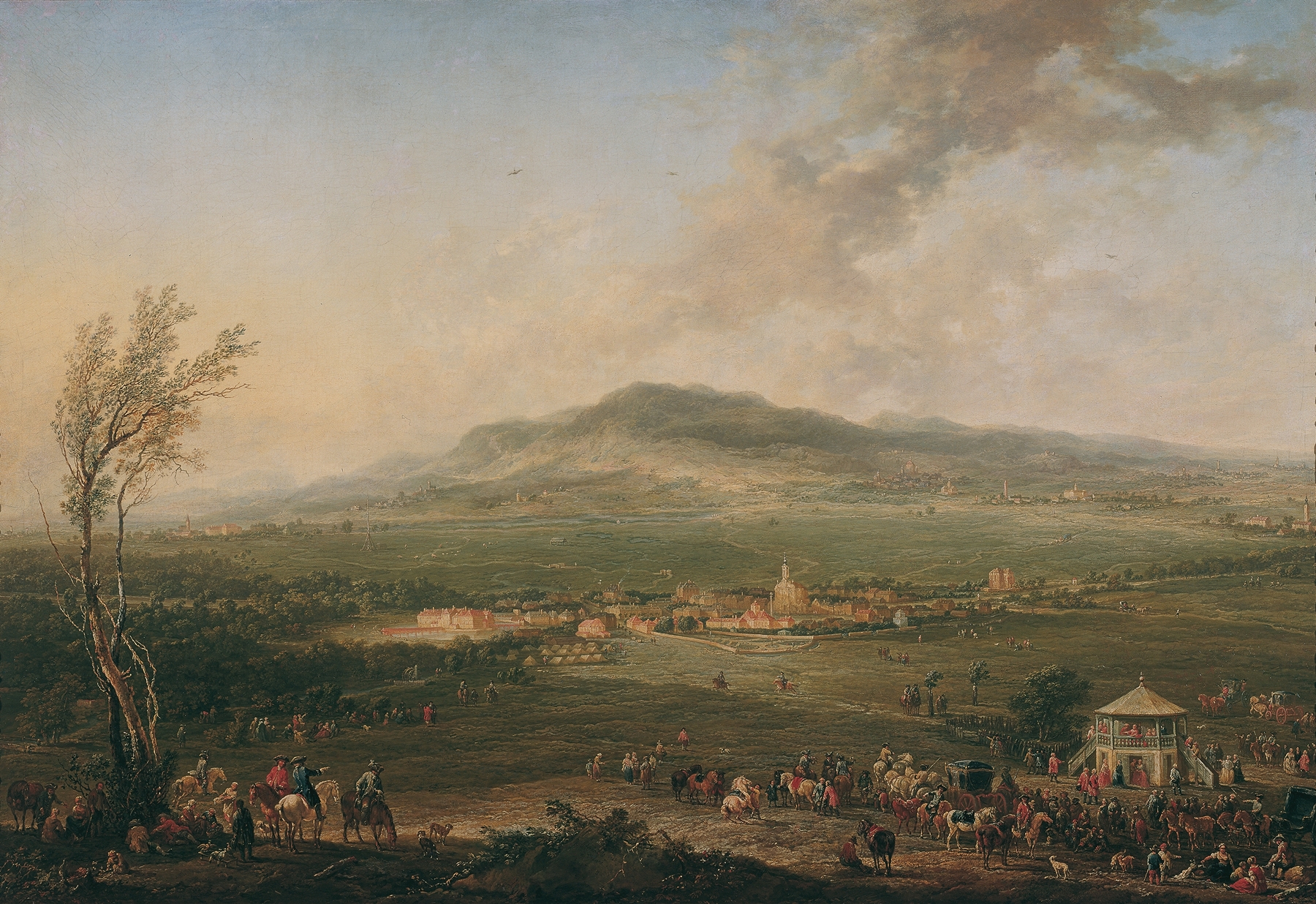
Where does light end, and longing begin? In Die Schlacht bei Hochkirch, the answer lies in the interplay of hope and despair amidst the chaos of war. Look to the center of the canvas where the tumultuous clash of soldiers unfolds. The vivid reds and deep blues of their uniforms clash with the muted earth tones of the landscape, creating a frenetic energy that pulls the eye in every direction.
Notice how the bright, almost blinding light of the sun pours down onto the battlefield, illuminating the figures in striking detail while casting long shadows that hint at the inevitable loss. The artist’s brushstrokes convey movement and urgency, encapsulating both the intensity of the moment and the weight of fate hanging in the balance. As you delve deeper into the composition, consider the juxtaposition of the soldiers’ fervor against the haunting silence of their surroundings. A fallen warrior lies in the foreground, his body draped in shadows yet illuminated by the harsh light, symbolizing the fragility of life amidst the ferocity of conflict.
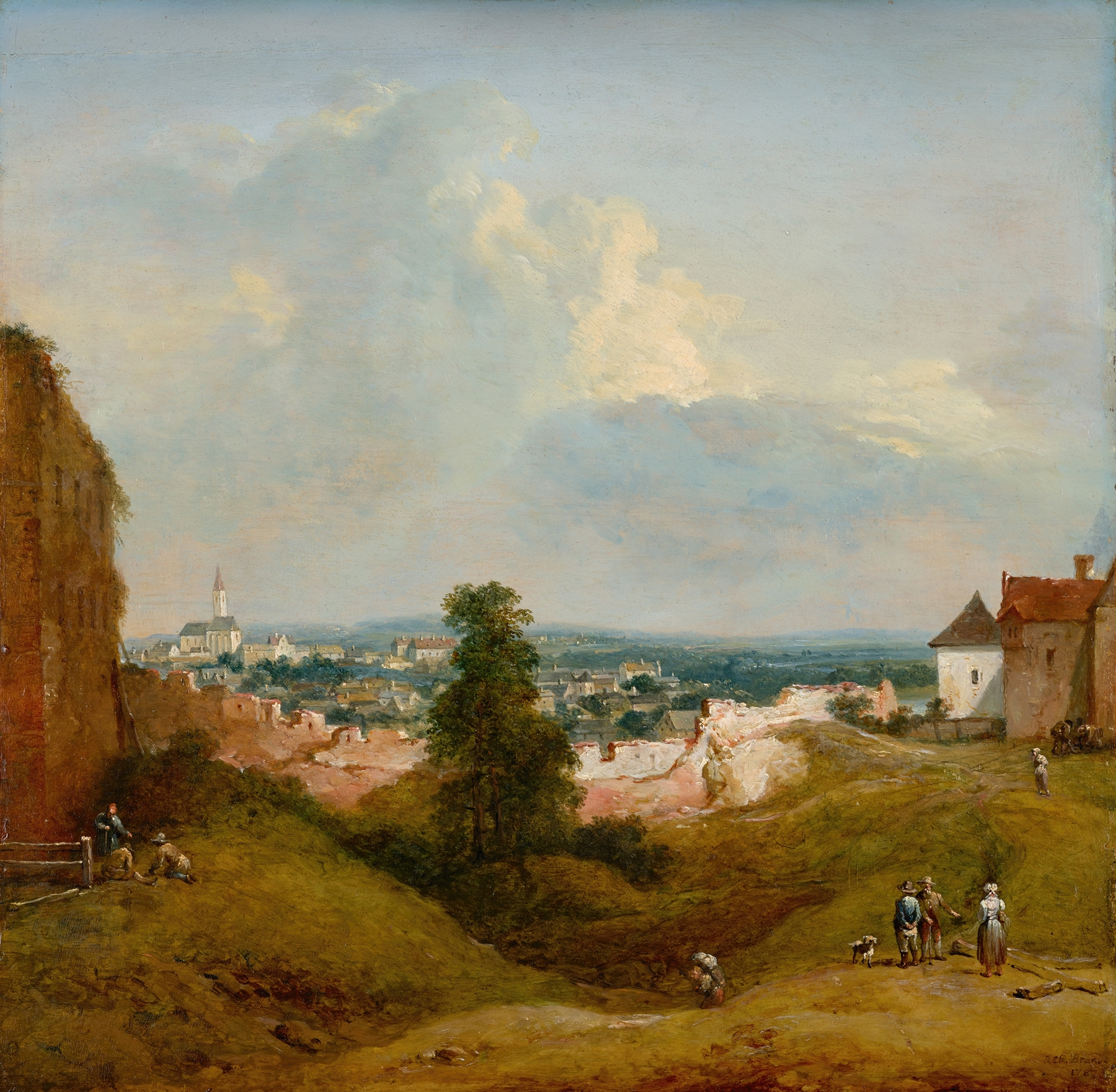
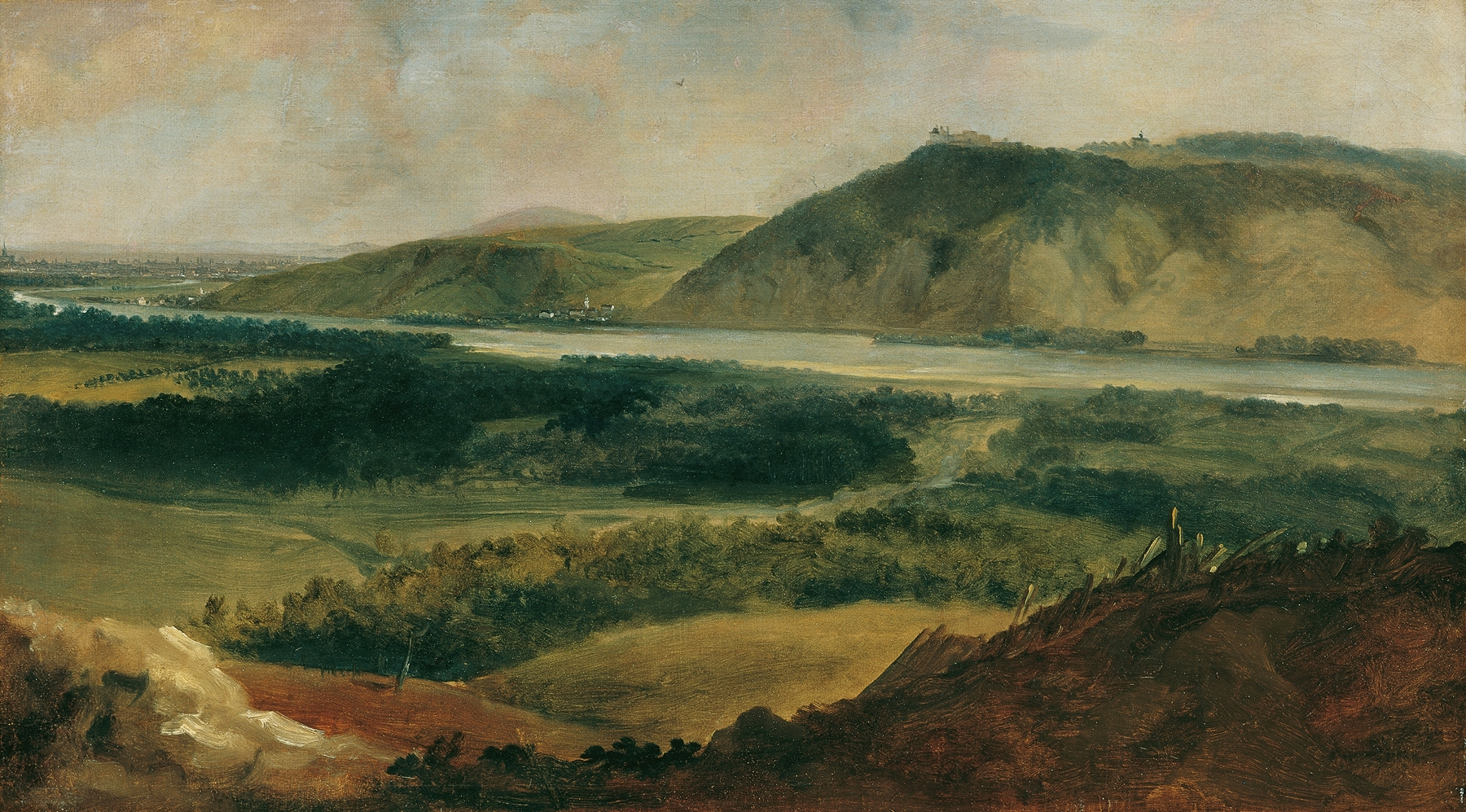
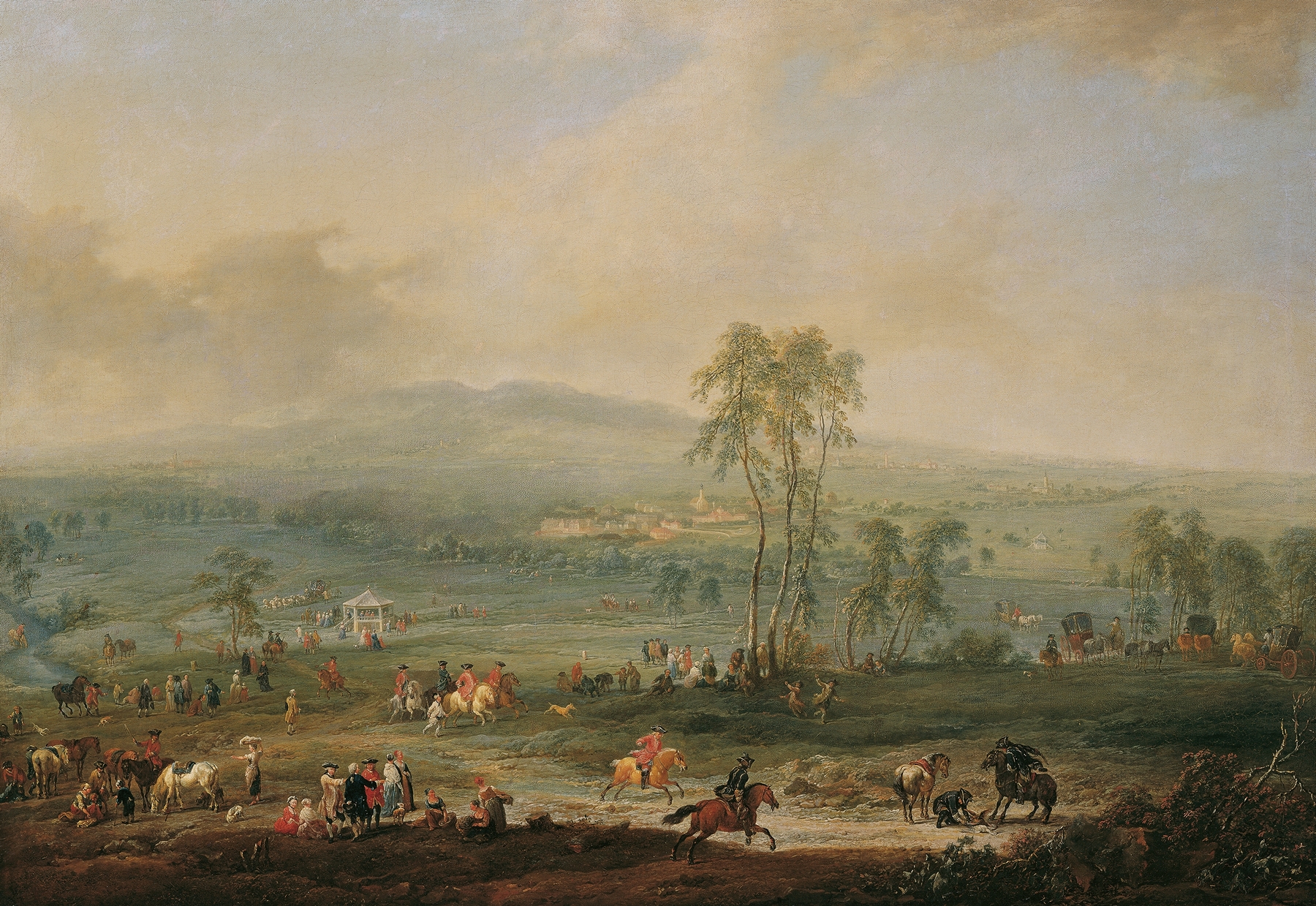
The distant hills, bathed in a soft haze, reflect the pain of separation and longing for peace, reminding viewers of the human cost of war, and evoking a profound sense of faith that peace might one day triumph over violence. Johann Christian Brand painted this work in 1769 during a period of political upheaval in Europe, as the Seven Years' War drew to a close. Living in Dresden, he was influenced by the Enlightenment, a time when artists began to explore themes of heroism and the moral implications of warfare. This painting stands as a testament not only to Brand's artistic skill but also to the complex emotions that accompany historical events, capturing a pivotal moment in time where faith in a better future flickers amidst the chaos of battle.