Laxenburg von der Schneiderau gegen Guntramsdorf und Mödling — History & Analysis
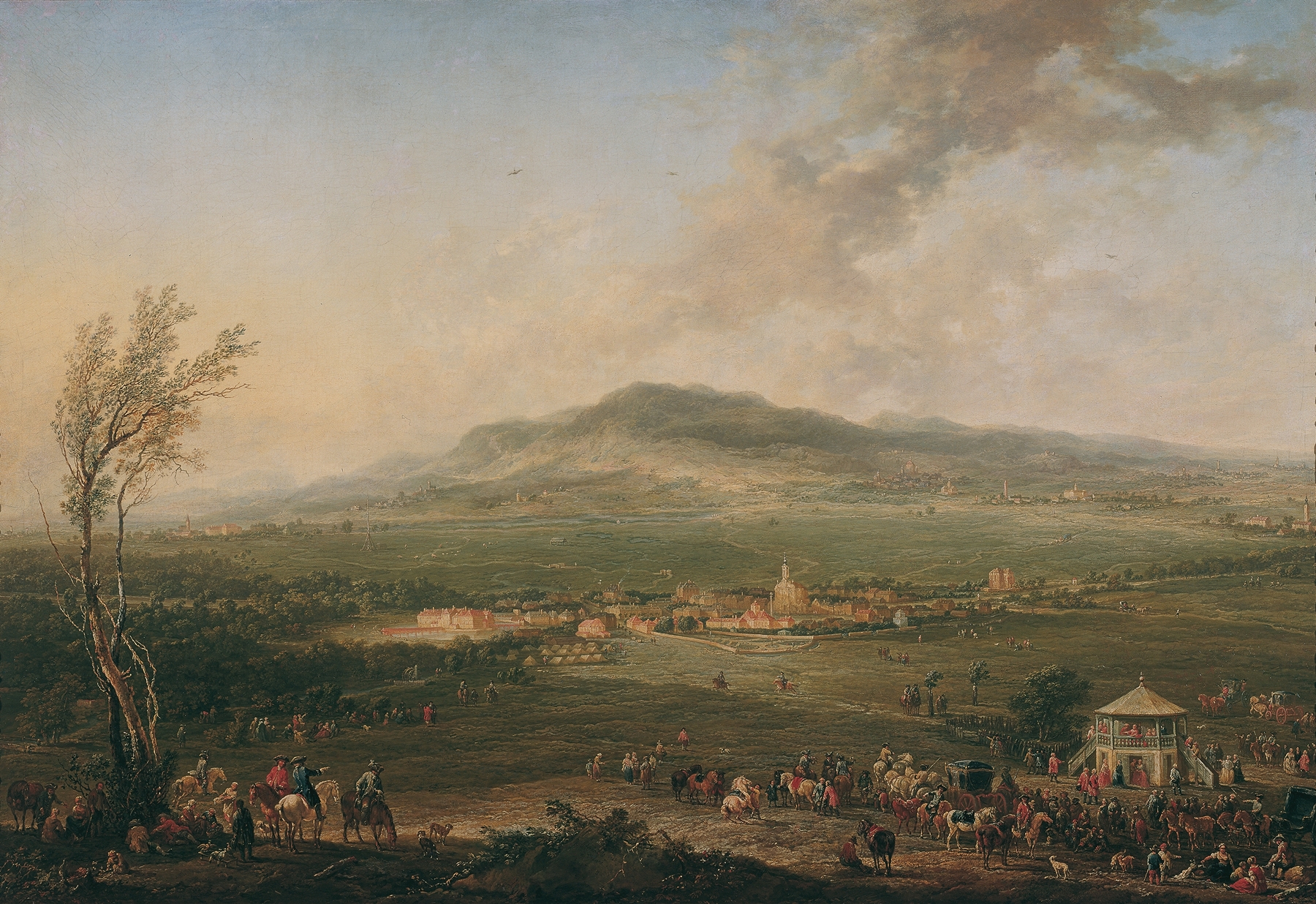
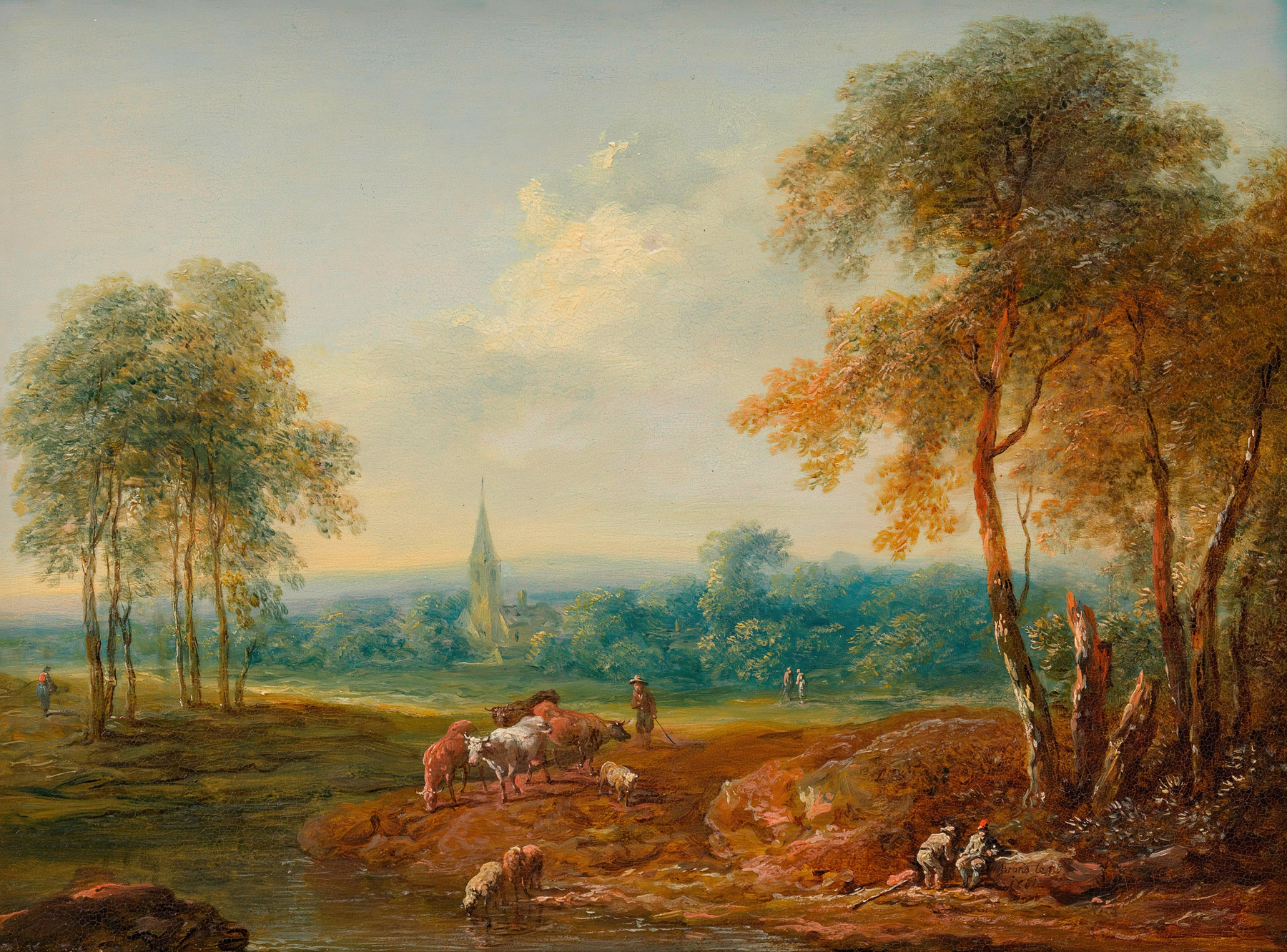
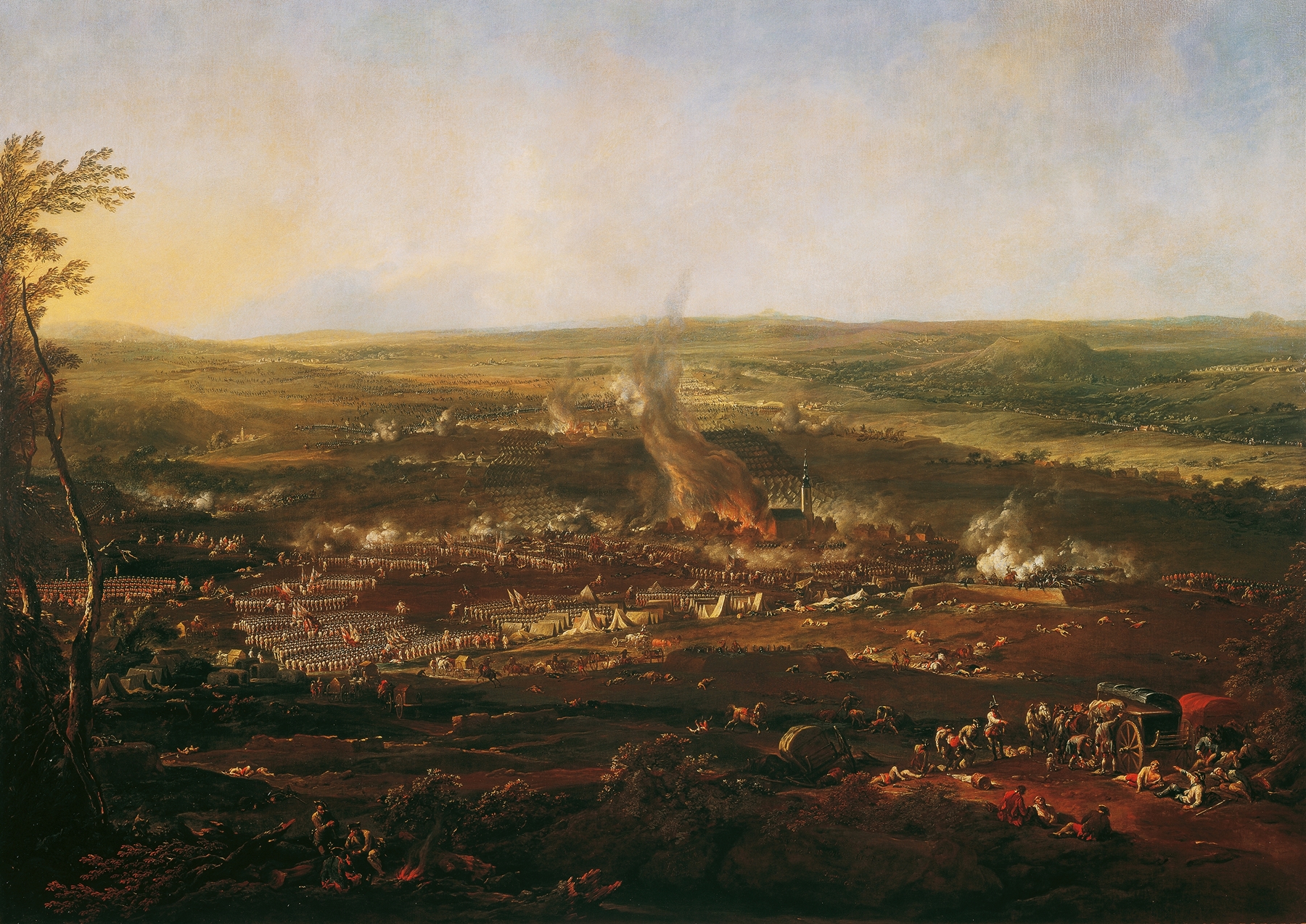
“Between color and silence, truth hides.” In art, the duality of vibrant hues and hushed tones speaks to the essence of rebirth, inviting contemplation and renewal. Look closely at the horizon where the soft blues of the sky meet the lush greens of the landscape. The delicate brushwork captures rolling hills, while gentle strokes depict the serenity that envelops the small villages below. Notice how the light dances across the painting, creating a radiant interplay of shadows and highlights that breathe life into every element, from the distant mountains to the foreground foliage.
In this scene, contrasts emerge; the vibrant vitality of nature juxtaposes the stillness of human presence. The quaint buildings, though painted with subtlety, signify human endeavor amidst an expansive, untamed landscape. This harmony between man and nature suggests a cycle of rebirth, hinting at the resilience of life in a world often shaped by the passage of time.
Created in 1759, this piece reflects Johann Christian Brand's dedication to capturing the serene beauty of the Austrian countryside. At this time, Brand was establishing himself in Vienna, amidst a flourishing landscape of art that embraced both realism and the picturesque. The Enlightenment was changing perspectives, and art was increasingly seen as a means to explore nature, offering a new lens through which to understand humanity's place within it.