Donaulandschaft, vom Bisamberg aus gesehen — History & Analysis
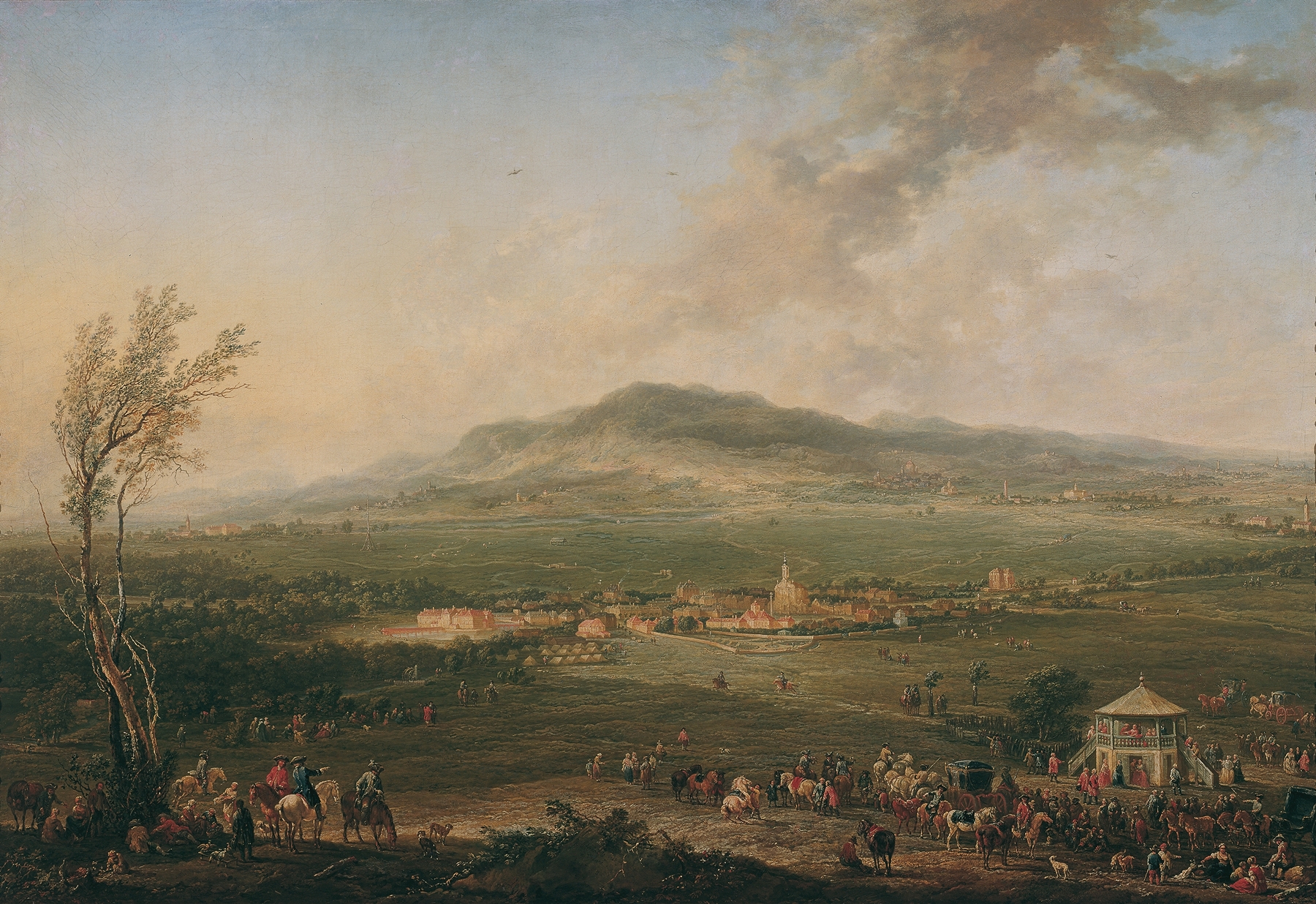
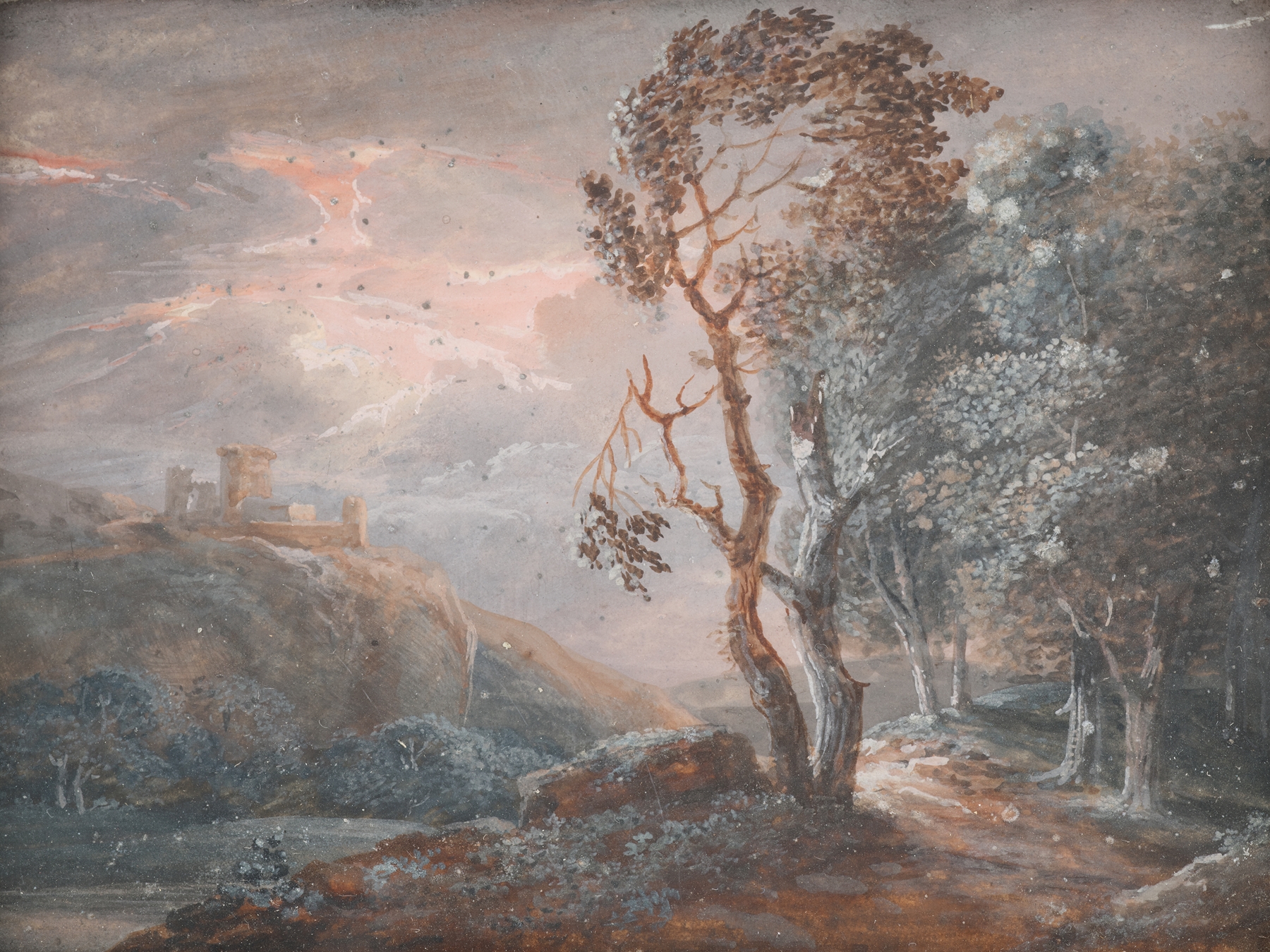
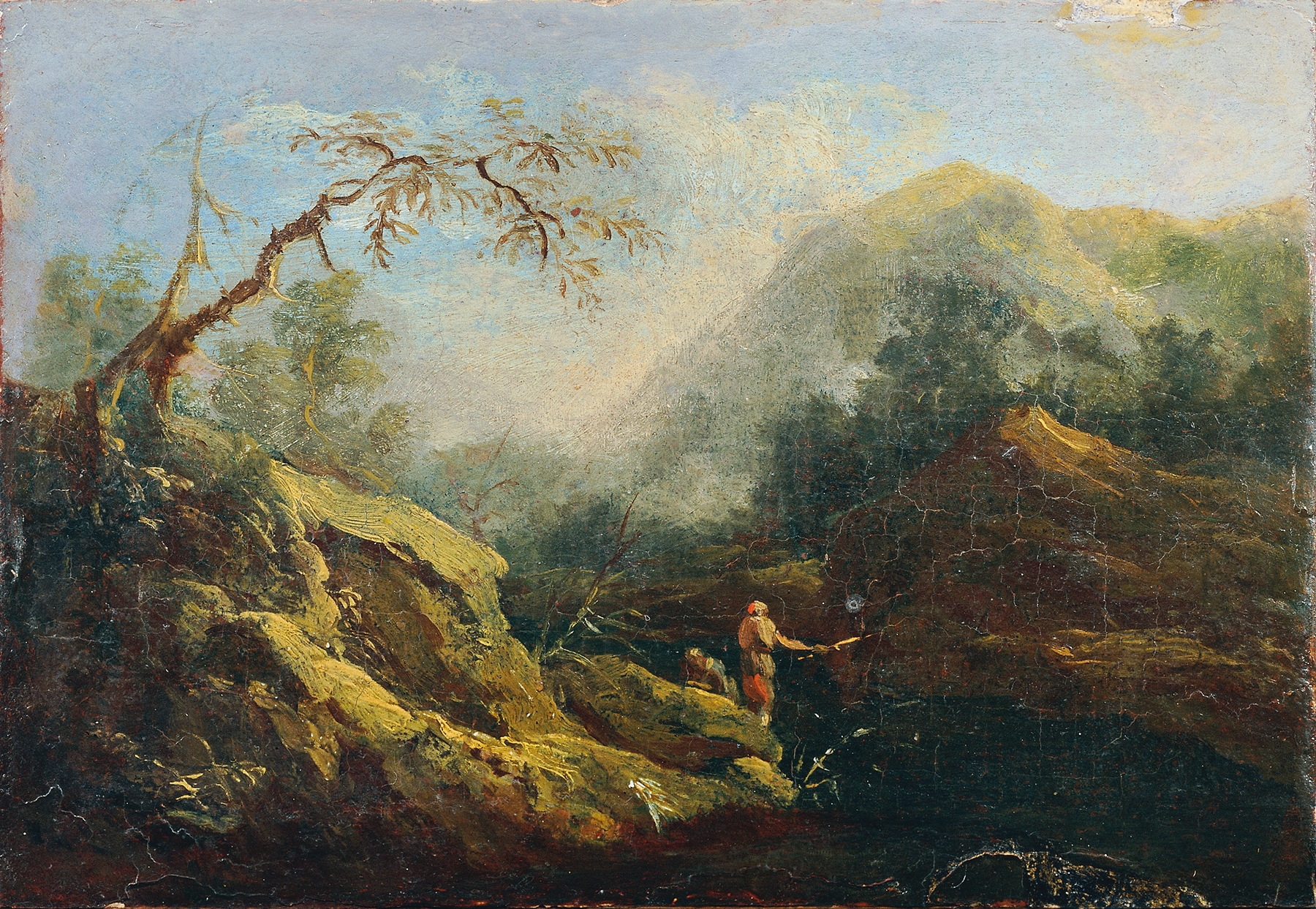
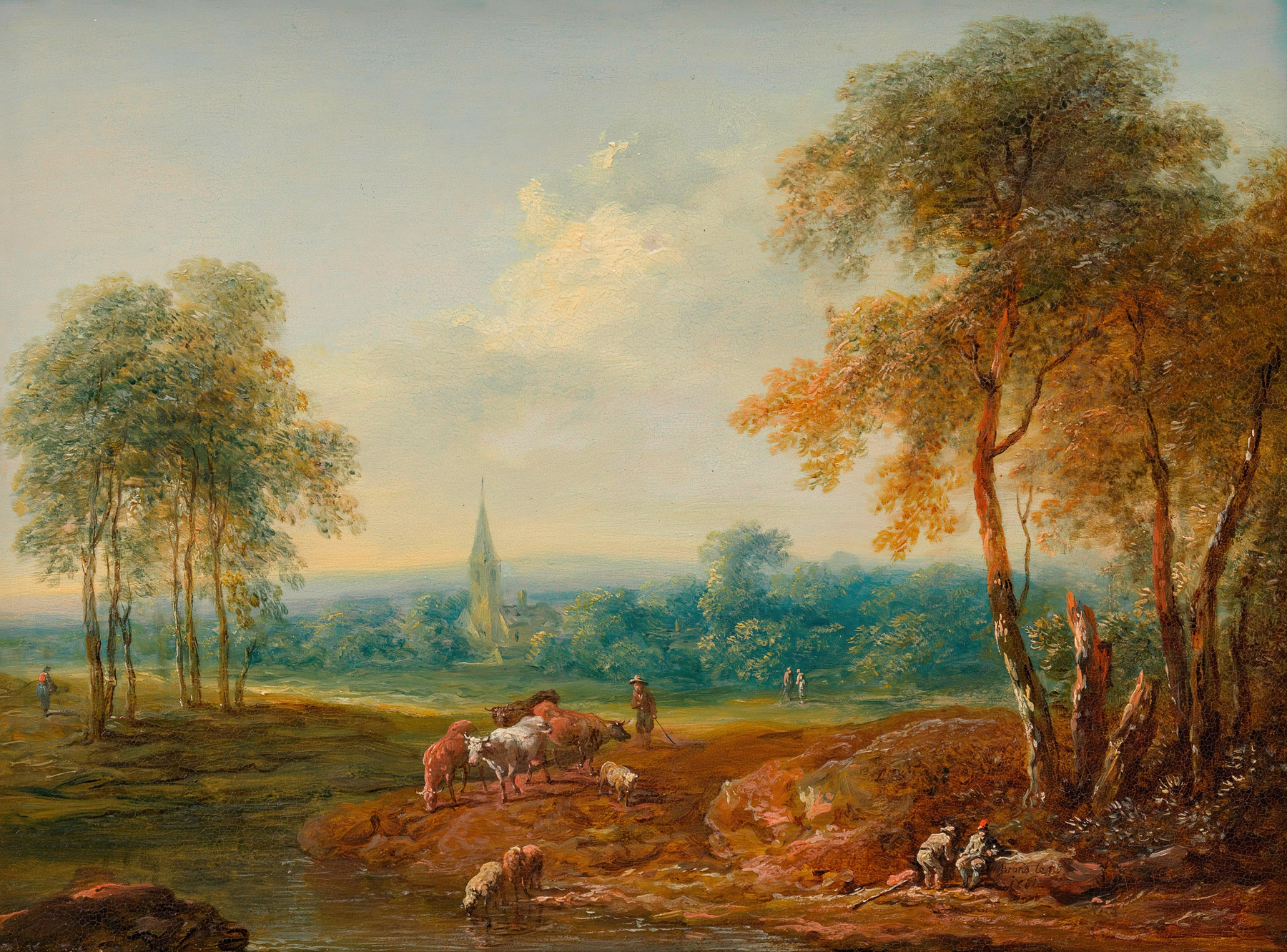
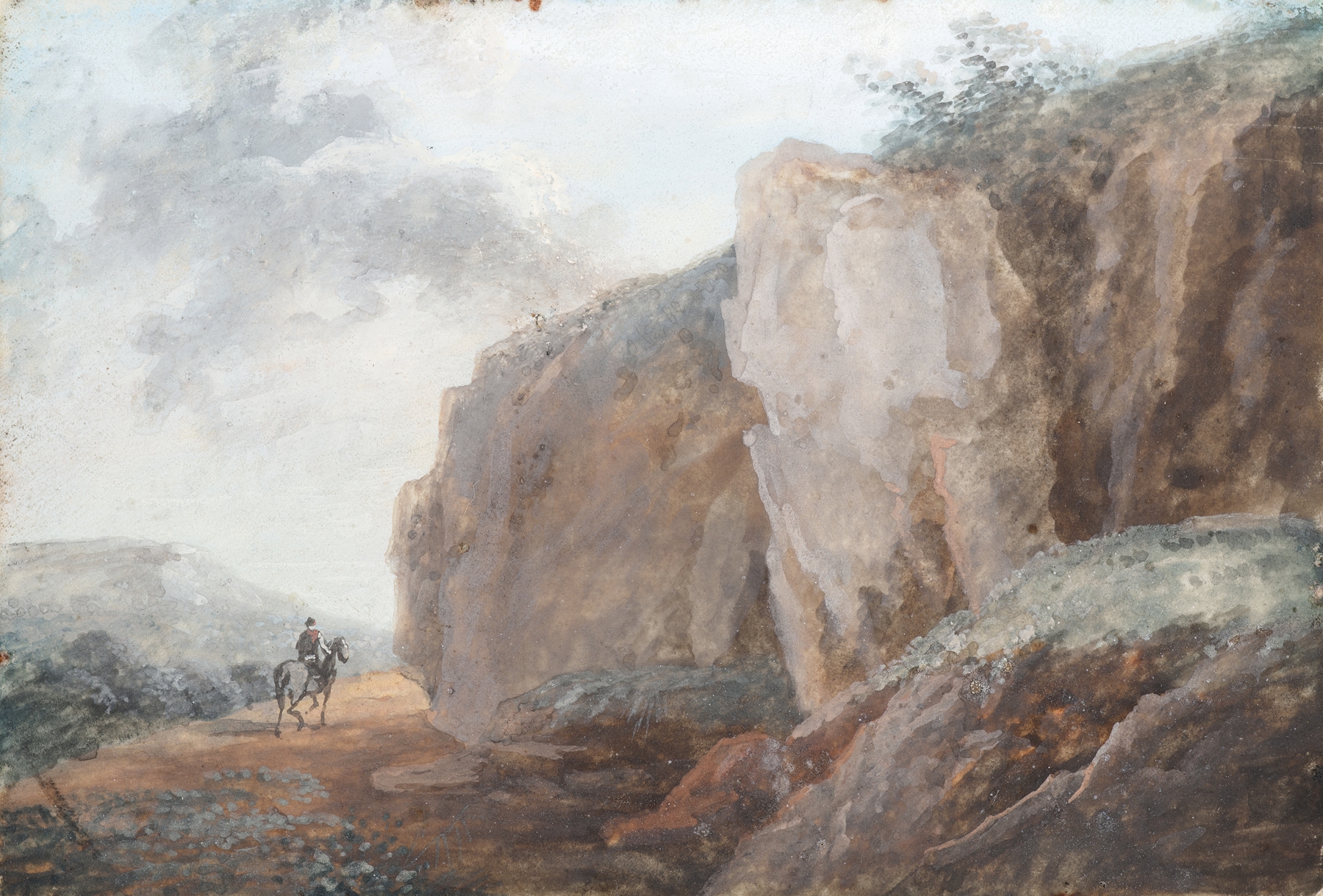
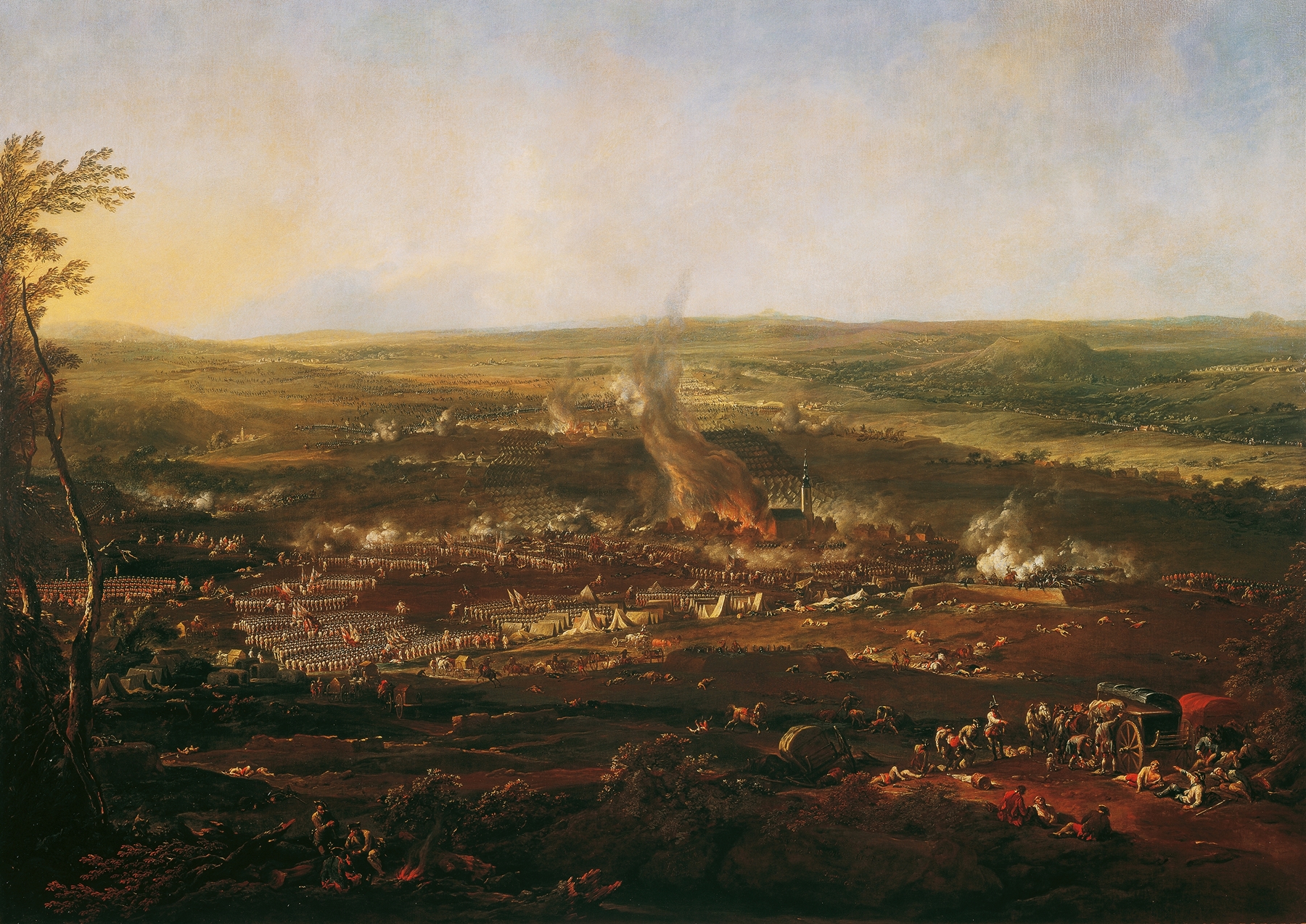
“Between color and silence, truth hides.” In the stillness of a moment, transformation reveals itself, cloaked in hues of nature's palette. Look to the horizon where the Danube meanders, capturing the eye with its serene flow. The gentle undulations of the landscape are defined by soft strokes of green and blue, inviting the viewer to explore the intricate interplay of light and shadow. Notice how the sun bathes the undulating hills in a warm glow, illuminating the trees that frame the river, their rich textures contrasting with the smoothness of the water.
Each brushstroke works in harmony, creating a sense of both depth and tranquility. Exploring the edges, you'll find a delicate balance between the vibrant colors of the fields and the muted tones of the distant mountains. This contrast speaks to the duality of the landscape—life thriving in the foreground while the distant peaks stand impervious, untouched by time. The inclusion of the Bisamberg in the foreground anchors the composition, embodying the potential for transformation as it emerges from the earth, guiding the viewer’s gaze towards the flowing river that transforms the land.
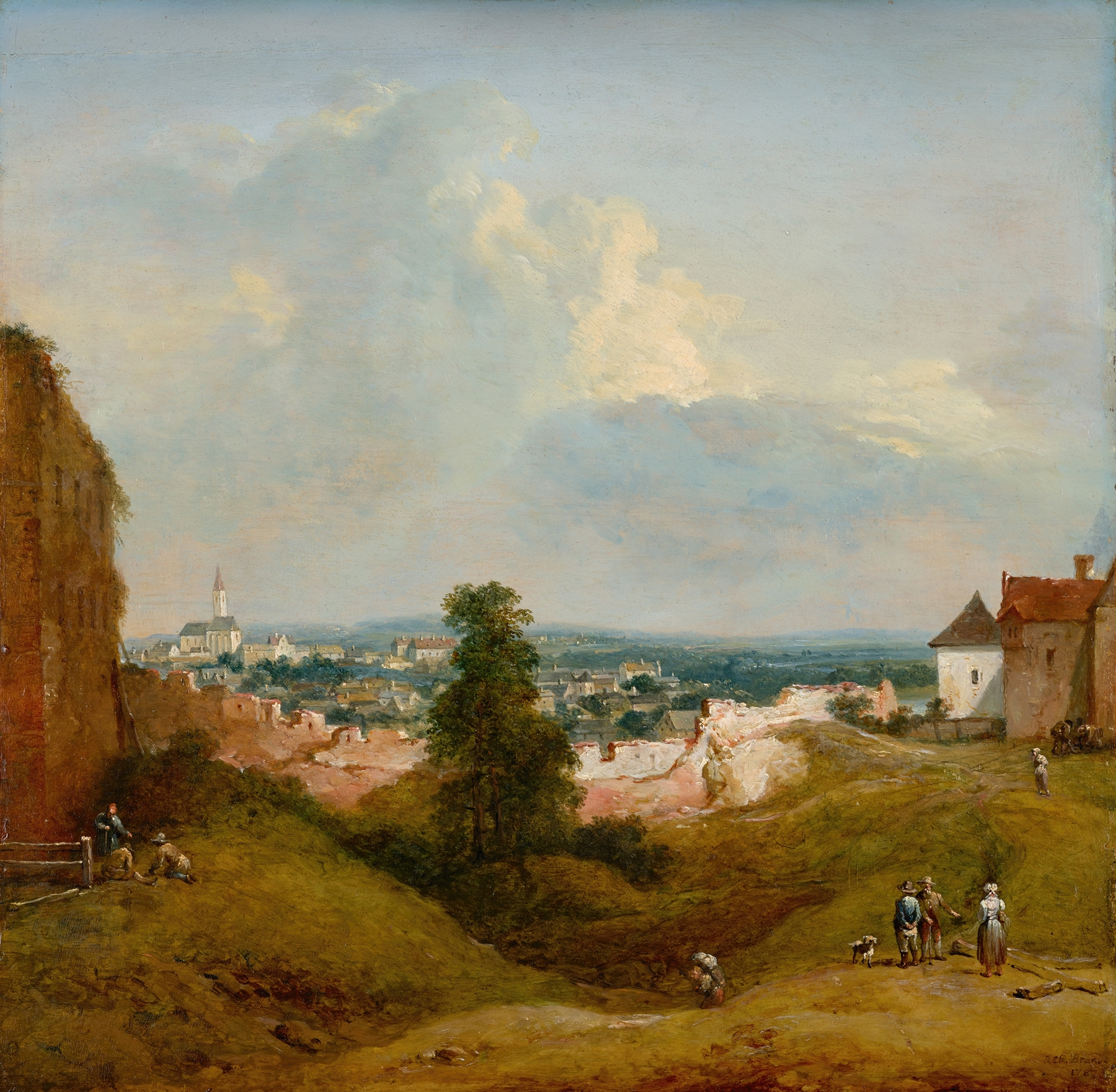
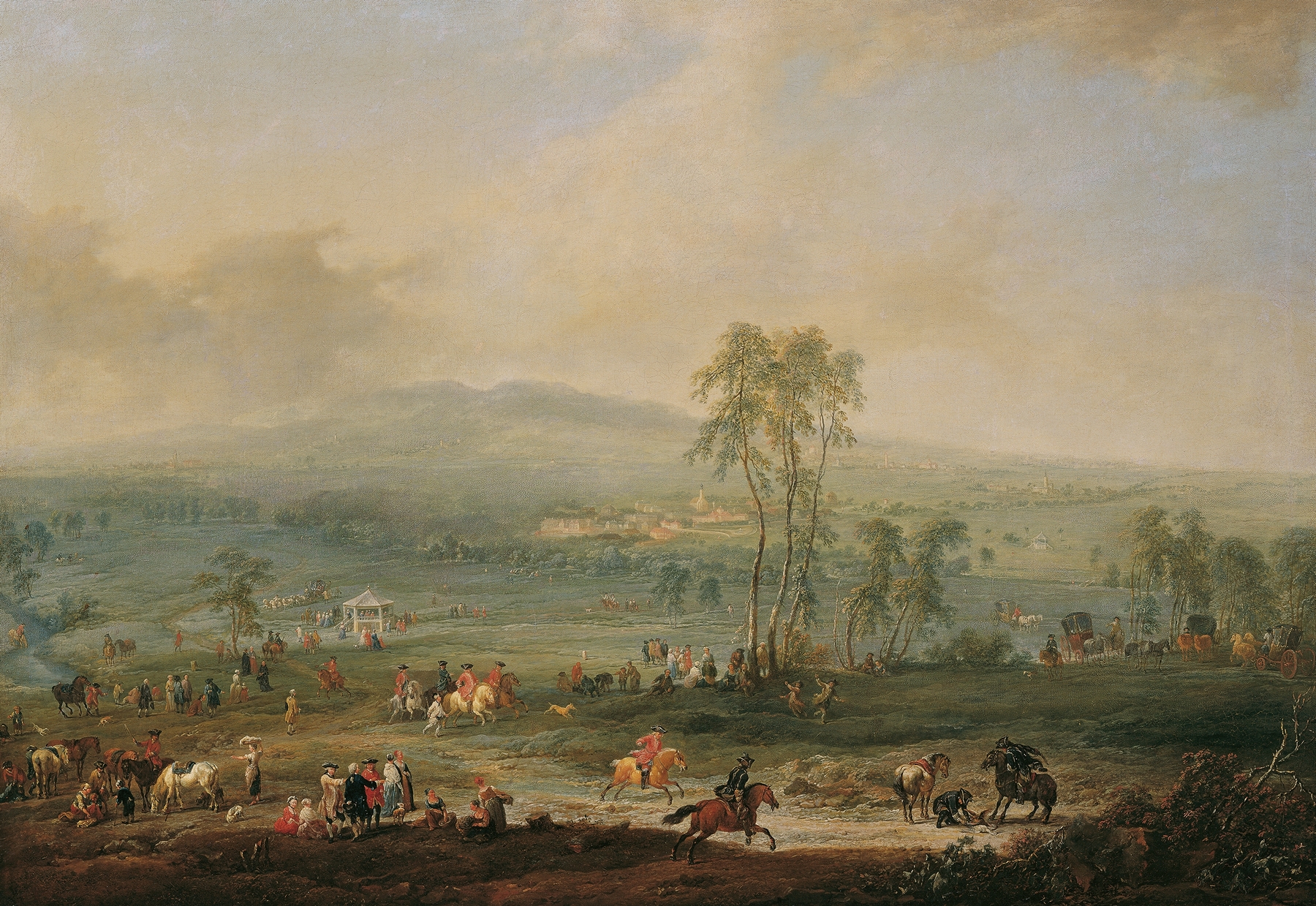
In 1790, Johann Christian Brand painted this landscape while living in Vienna, a city flourishing with artistic developments in the late 18th century. The era was marked by growing appreciation for natural beauty and the sublime, reflecting a shift in artistic focus from human subjects to the environment itself. This painting exemplifies the Romantic movement's burgeoning ethos, capturing the essence of serene transformation inherent in nature and its ever-changing landscapes.