Laxenburg vom Lusthaus auf der Hanawiese gegen Mödling — History & Analysis
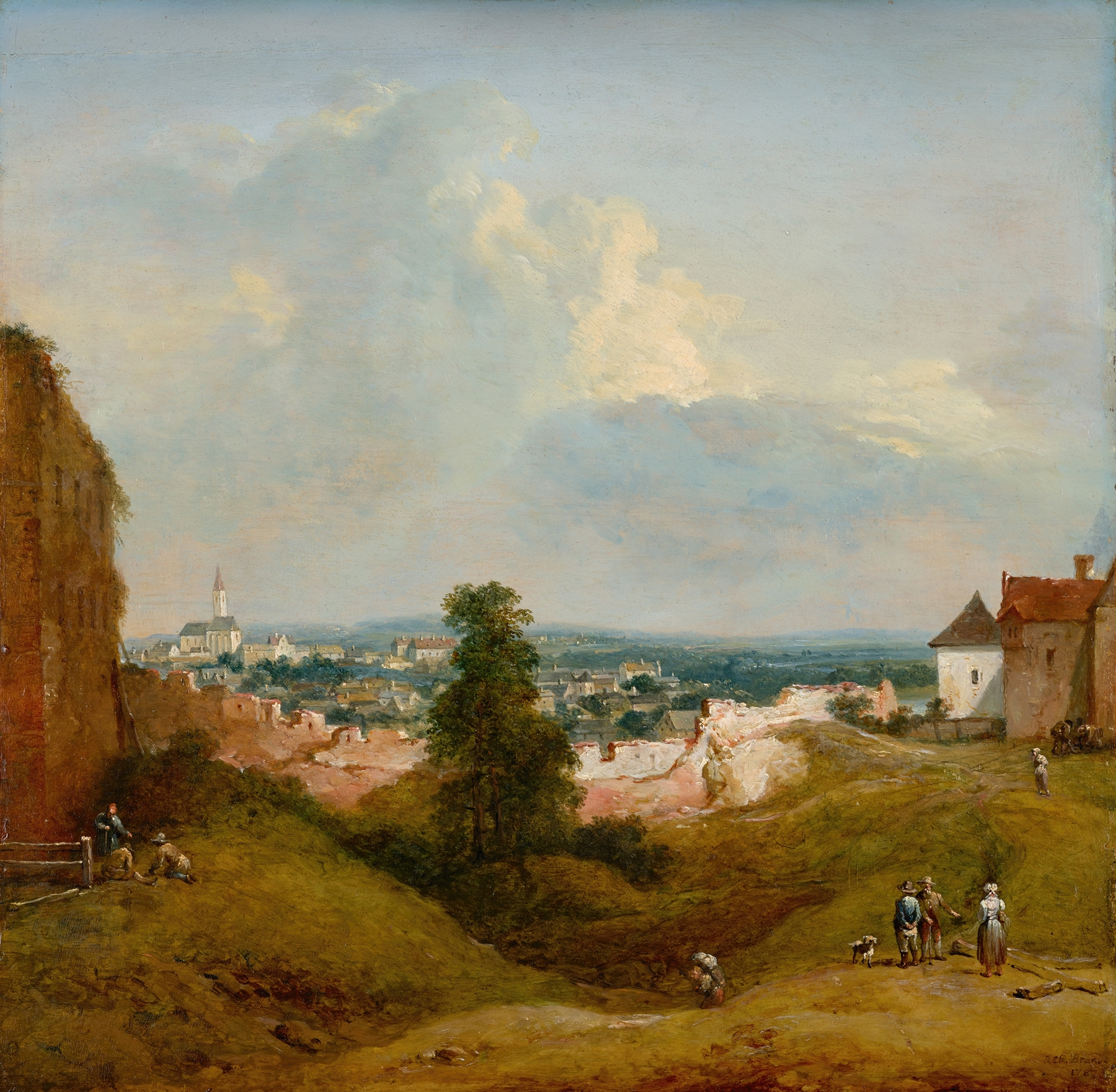
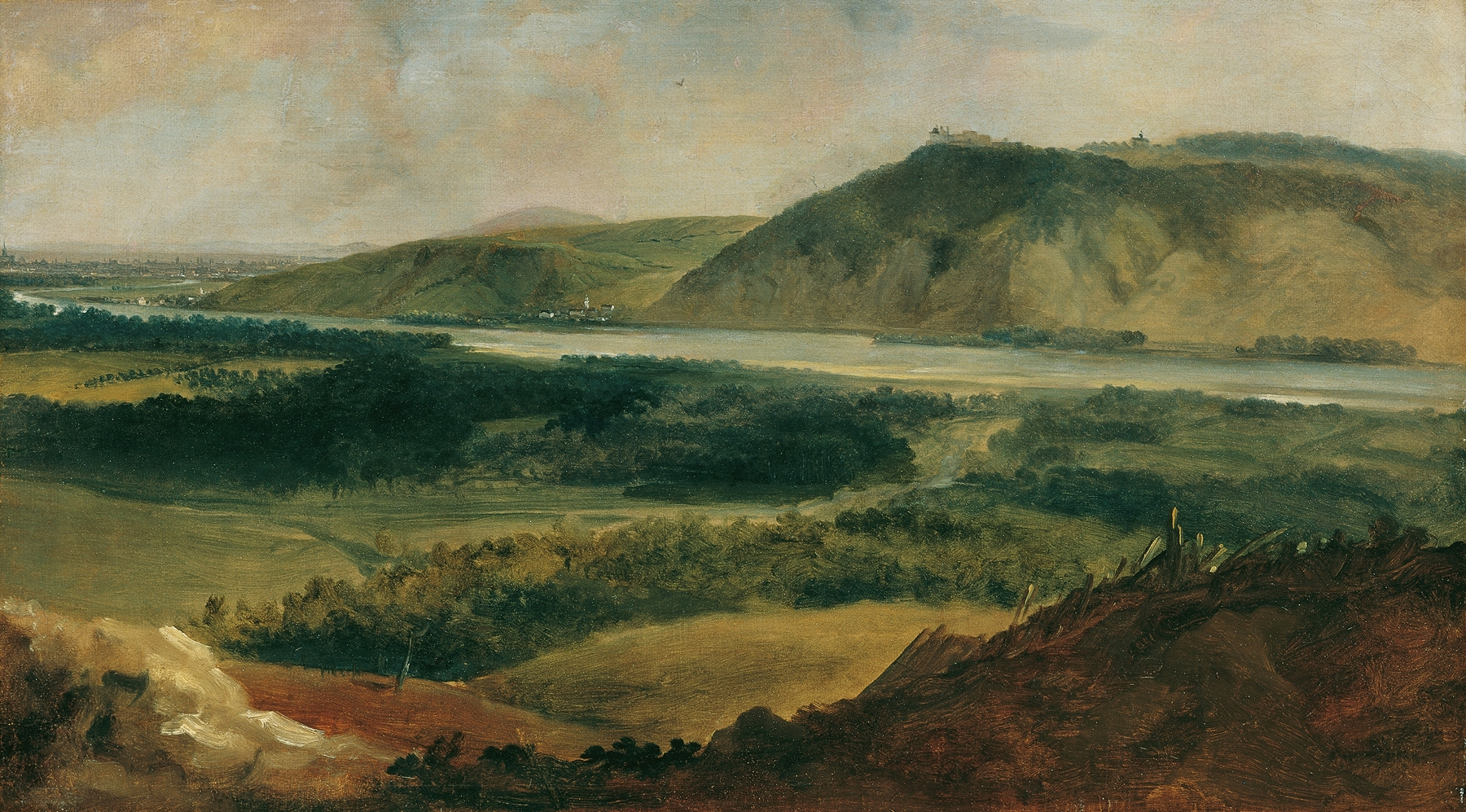
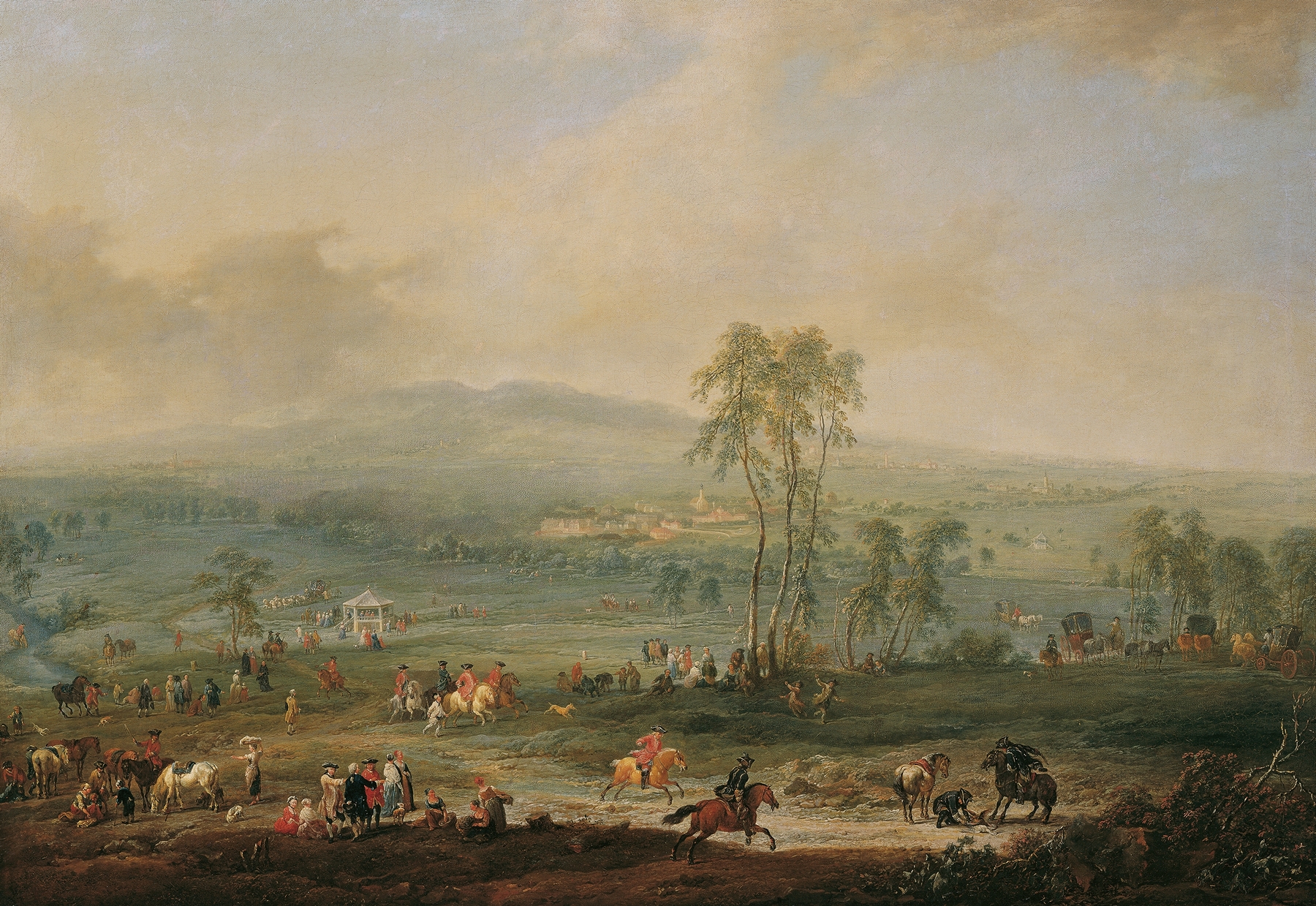
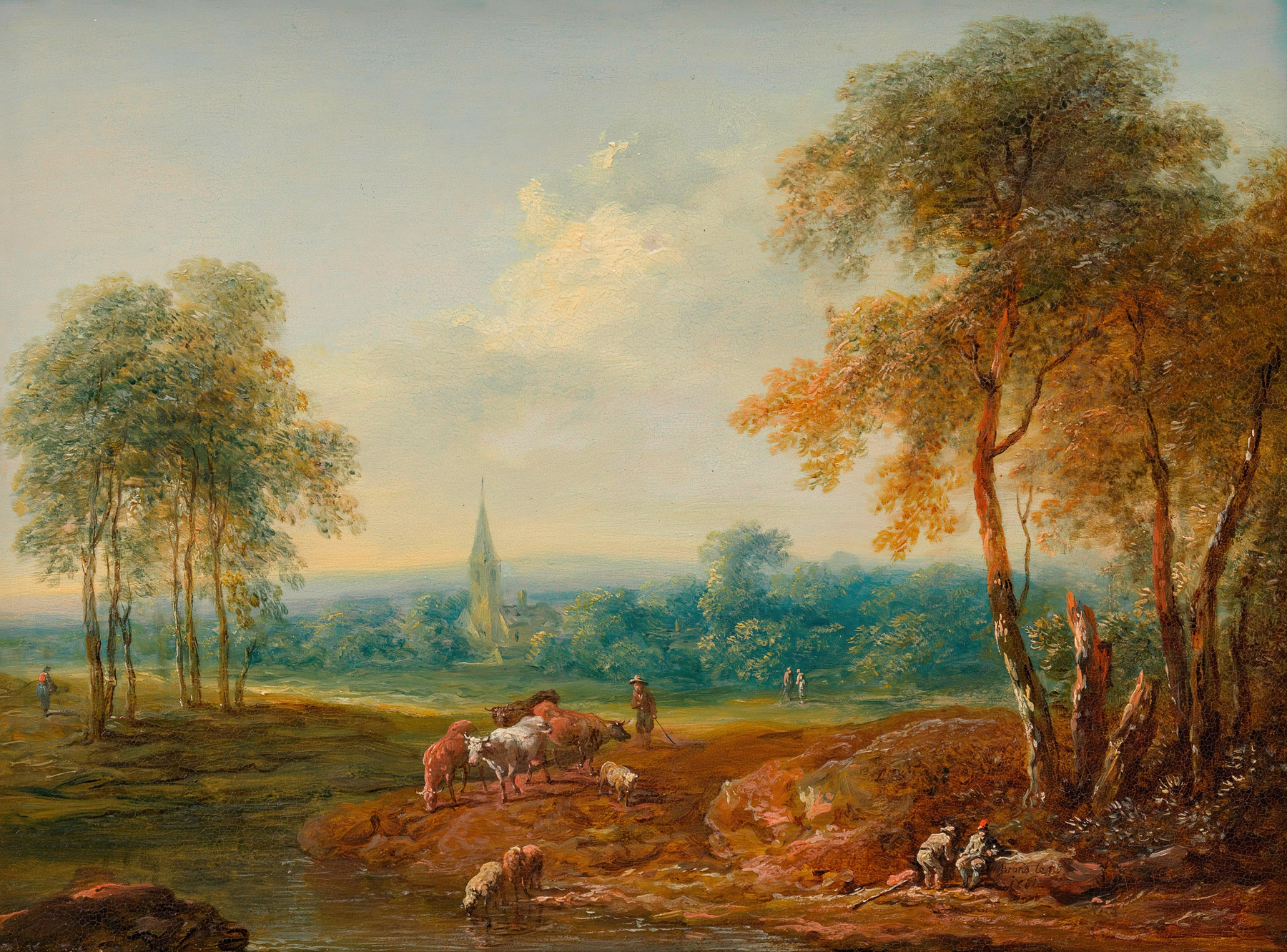
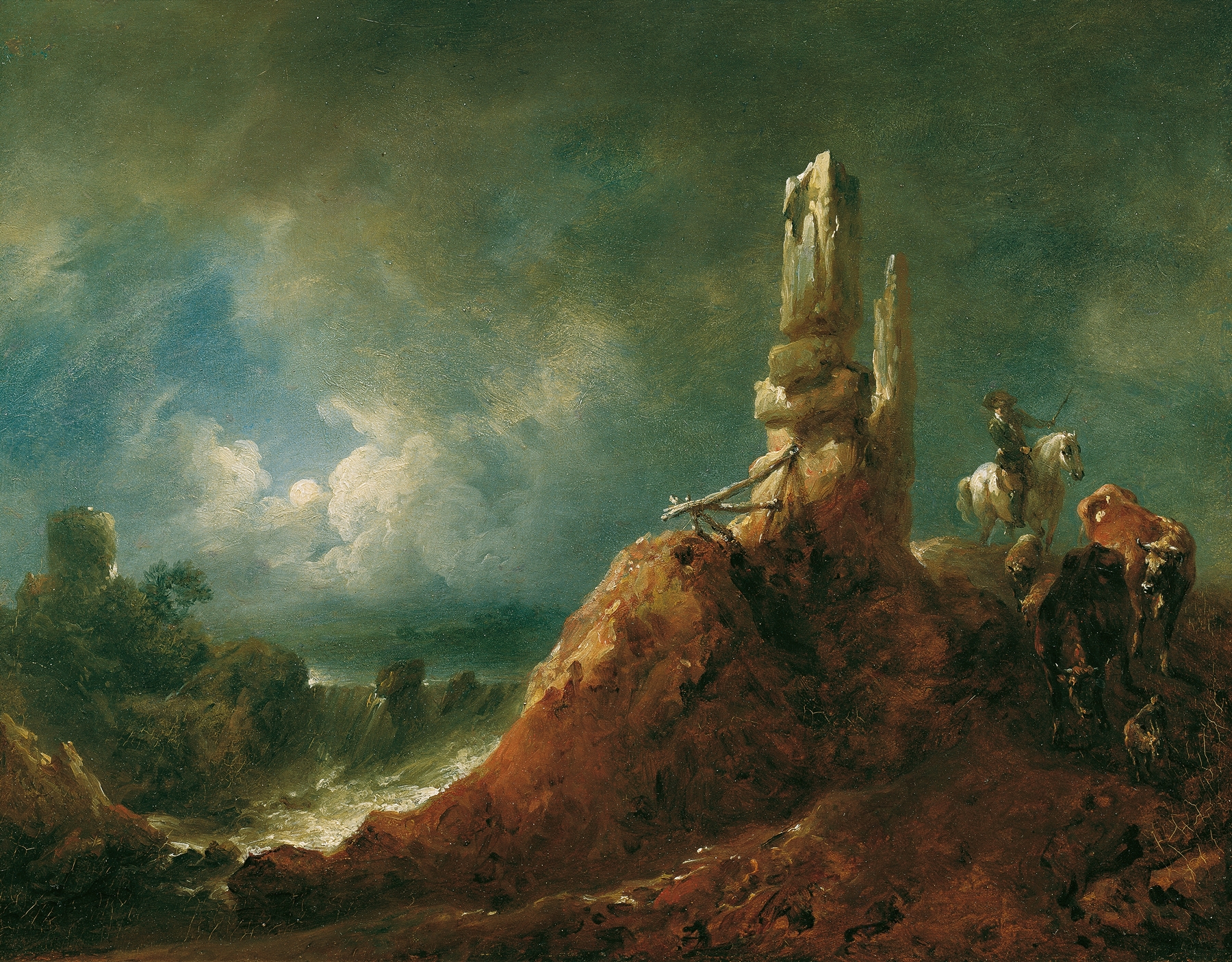
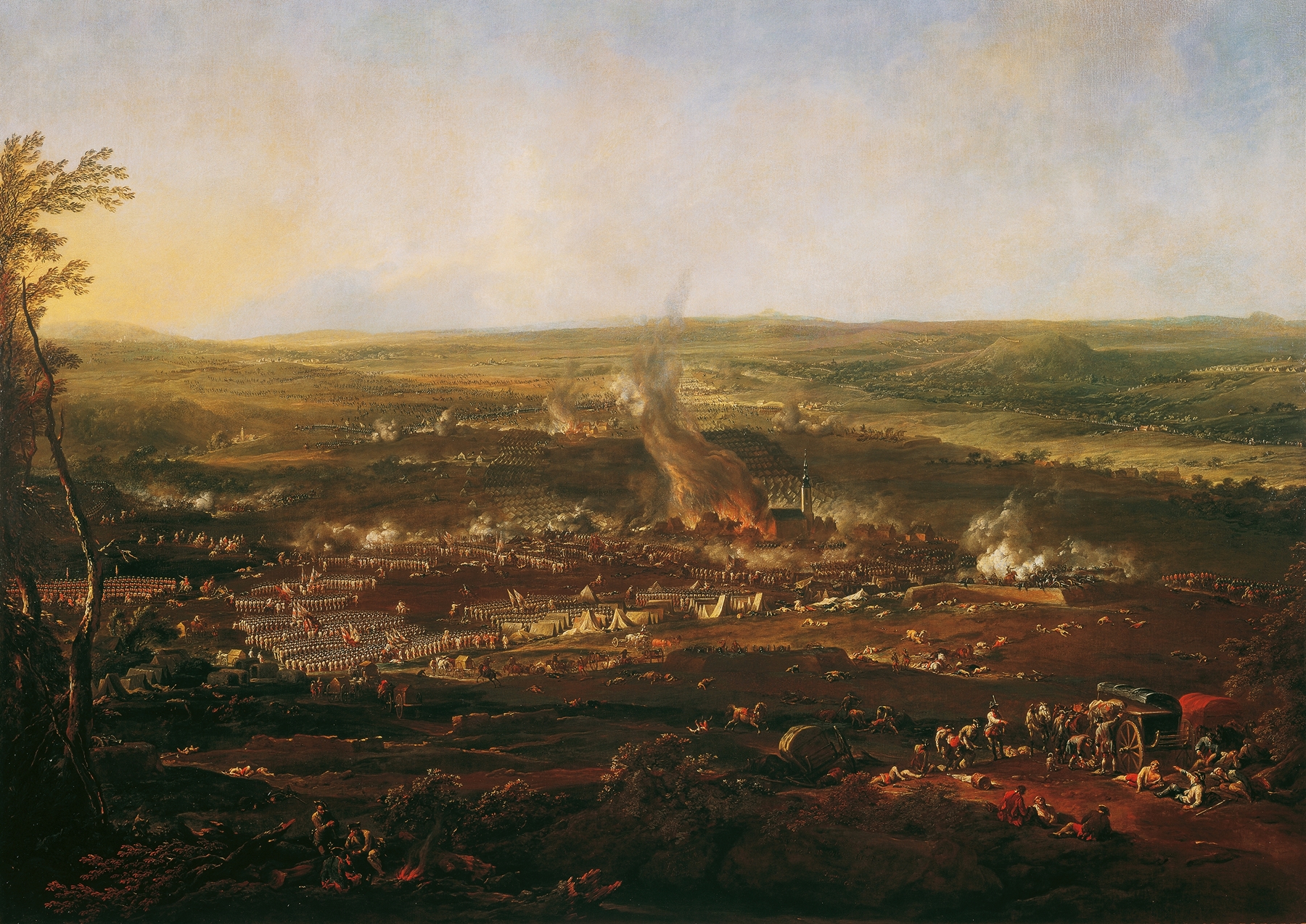
Did the painter know this moment would outlive them? Captured against the backdrop of rolling hills and a tranquil sky, the scene invites the viewer into a realm of timeless beauty, where nature meets the elegance of human creation. Look closely at the lush greens that blanket the landscape, with shades of emerald and olive swirling together in a harmonious dance. The village of Mödling is nestled in the distance, its quaint architecture seamlessly integrated into the natural setting. Notice how the light falls gently upon the lustrous waters of the lake, creating a shimmering pathway that draws your eye toward the horizon.
The soft clouds overhead, brushed with hints of lavender, bring an ethereal quality to the sky, enhancing the idyllic atmosphere. Beneath this picturesque surface lies a tension between nature's grandeur and human fragility. The meticulous detail in the foliage suggests both reverence for the land and a sense of transience—an invitation to appreciate the beauty that may soon fade. The juxtaposition of the stillness of the water with the distant movement of clouds hints at the passage of time, a reminder of life's impermanence.
In this moment, the viewer grapples with awe as they confront the sublime tragedy of existence. Johann Christian Brand created this tranquil vista in 1758, during a time when the Rococo style was flourishing in Europe. Working in Vienna and its surroundings, he was influenced by the Romantic ideals that celebrated nature’s beauty and serenity. The prevailing artistic focus on landscapes during this period allowed him to explore and reflect on the relationship between humanity and the natural world, a theme that resonates deeply within this work.