Landschaft mit Ruine und Reiter bei Mondschein — History & Analysis
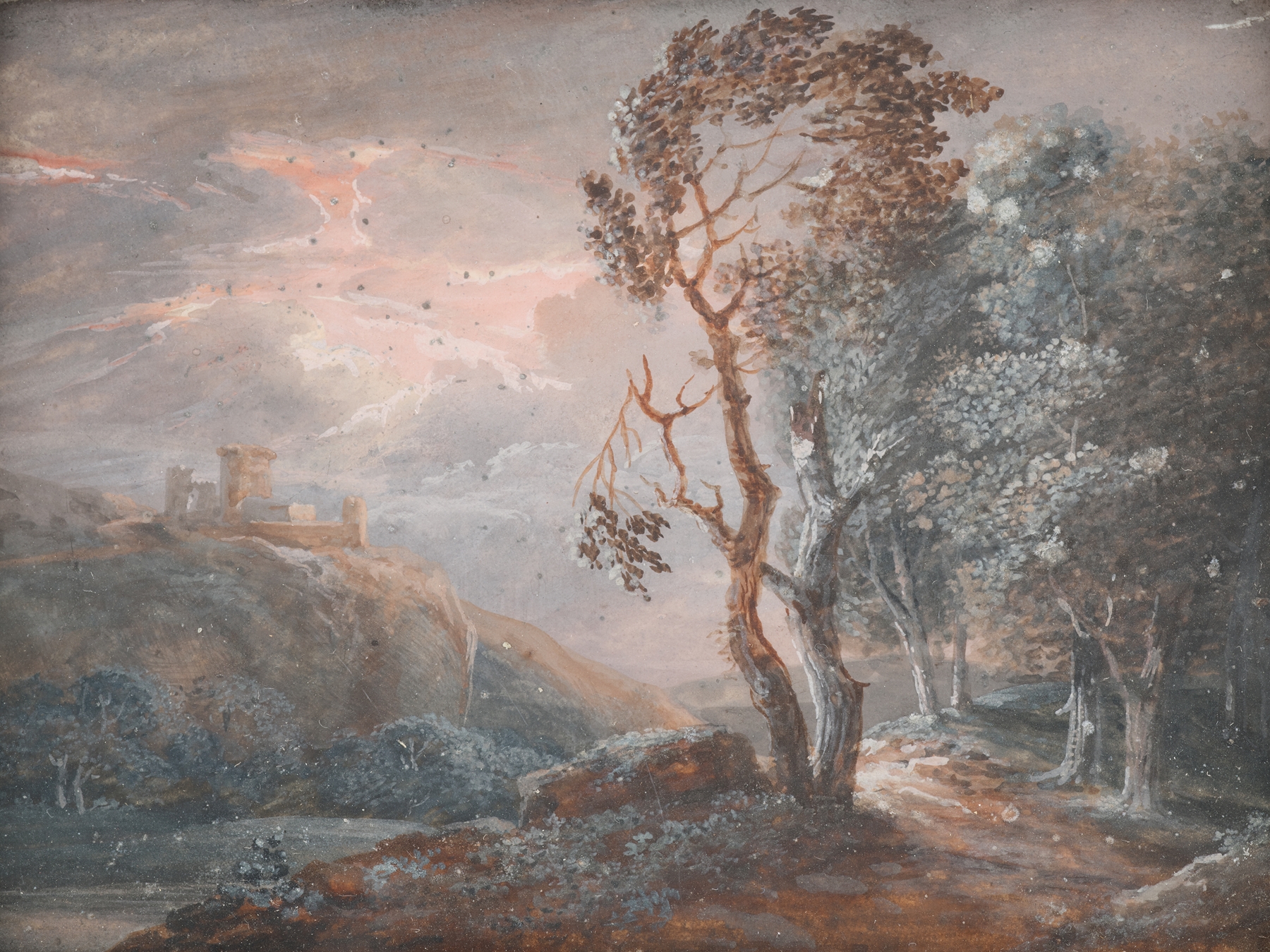
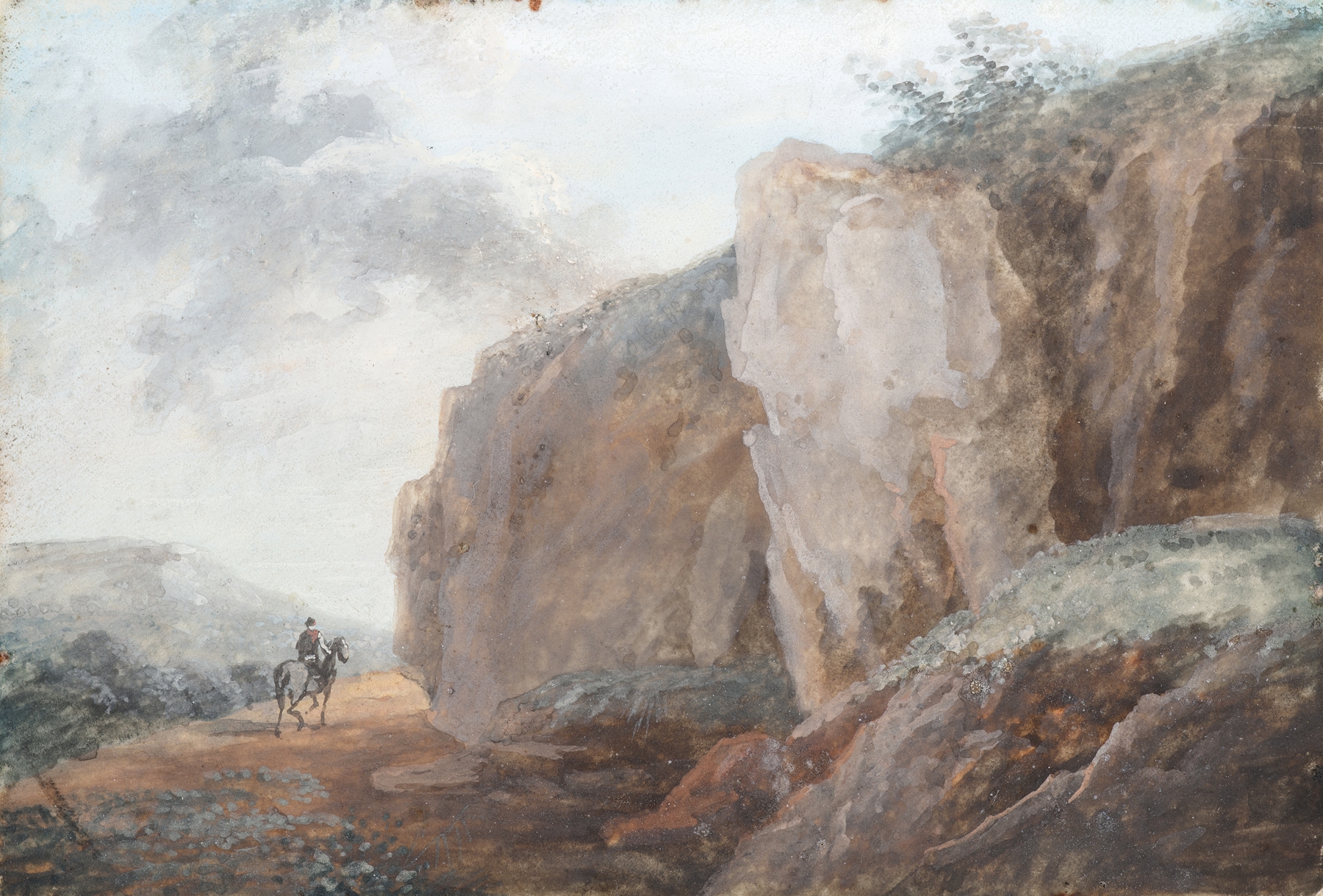
When did color learn to lie? In the hushed glow of moonlight, the boundaries between reality and imagination blur, beckoning us into a realm of ecstasy where shadows dance and secrets linger. Look to the foreground, where the solitary rider, shrouded in twilight, elegantly melds with the contours of a ruined edifice. The gentle strokes of muted greens and blues create a tranquil atmosphere, while the silvery sheen of moonlight casts ethereal highlights on the crumbling stones.
Notice how the artist employs chiaroscuro to emphasize the interplay of light and shadow, inviting the viewer to explore the depths of this dreamlike landscape. As you delve deeper, consider the juxtaposition of the rider’s isolation against the grandeur of the ruins, evoking a tension between solitude and history. The whisper of the night sky, punctuated by the luminous moon, suggests both serenity and longing, while the fading structure serves as a silent witness to the passage of time, embodying the triumphs and tragedies of those who once roamed its halls.
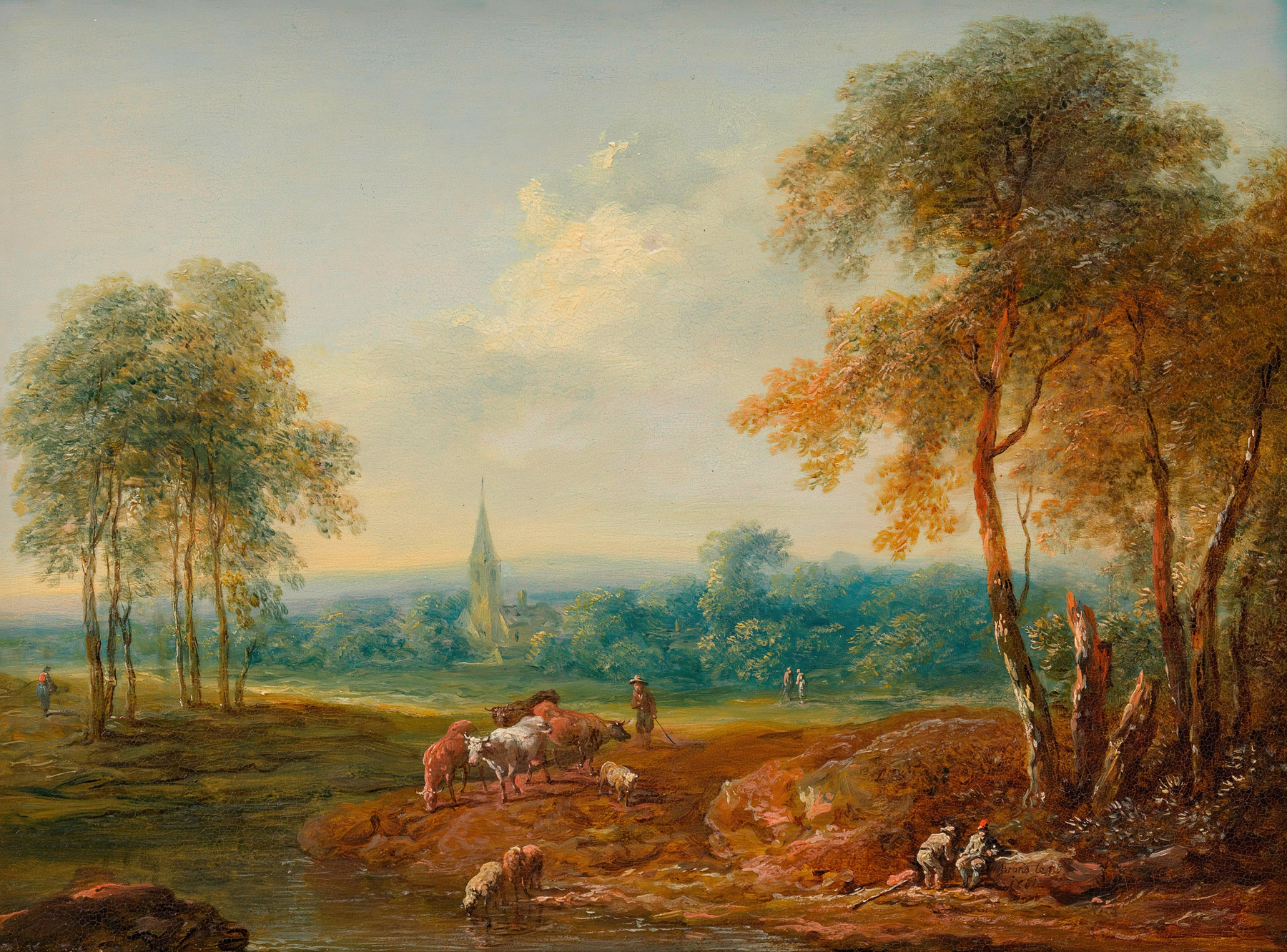
Each brushstroke resonates with an emotional depth that transcends mere representation, inviting contemplation on our own fleeting existence. In 1771, Johann Christian Brand was working in Germany, a time when the Romantic movement was beginning to take shape, emphasizing nature’s sublime beauty and the human spirit’s connection to it. Amidst the shifting tides of artistic expression, he sought to evoke complex emotions through landscapes that transcended the physical realm, capturing both the beauty and melancholy inherent in nature’s embrace.