Landschaft mit Kuhherde — History & Analysis
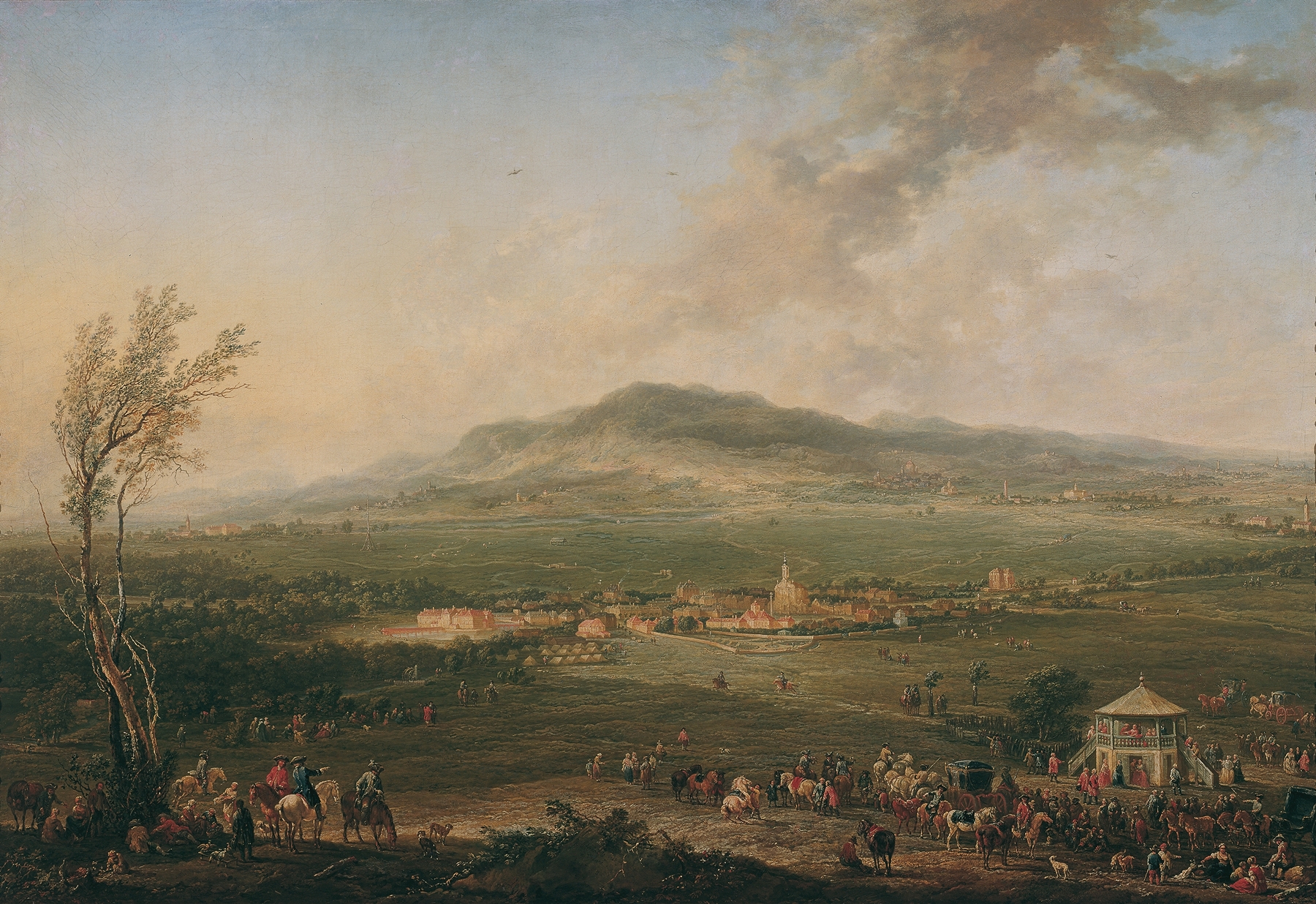
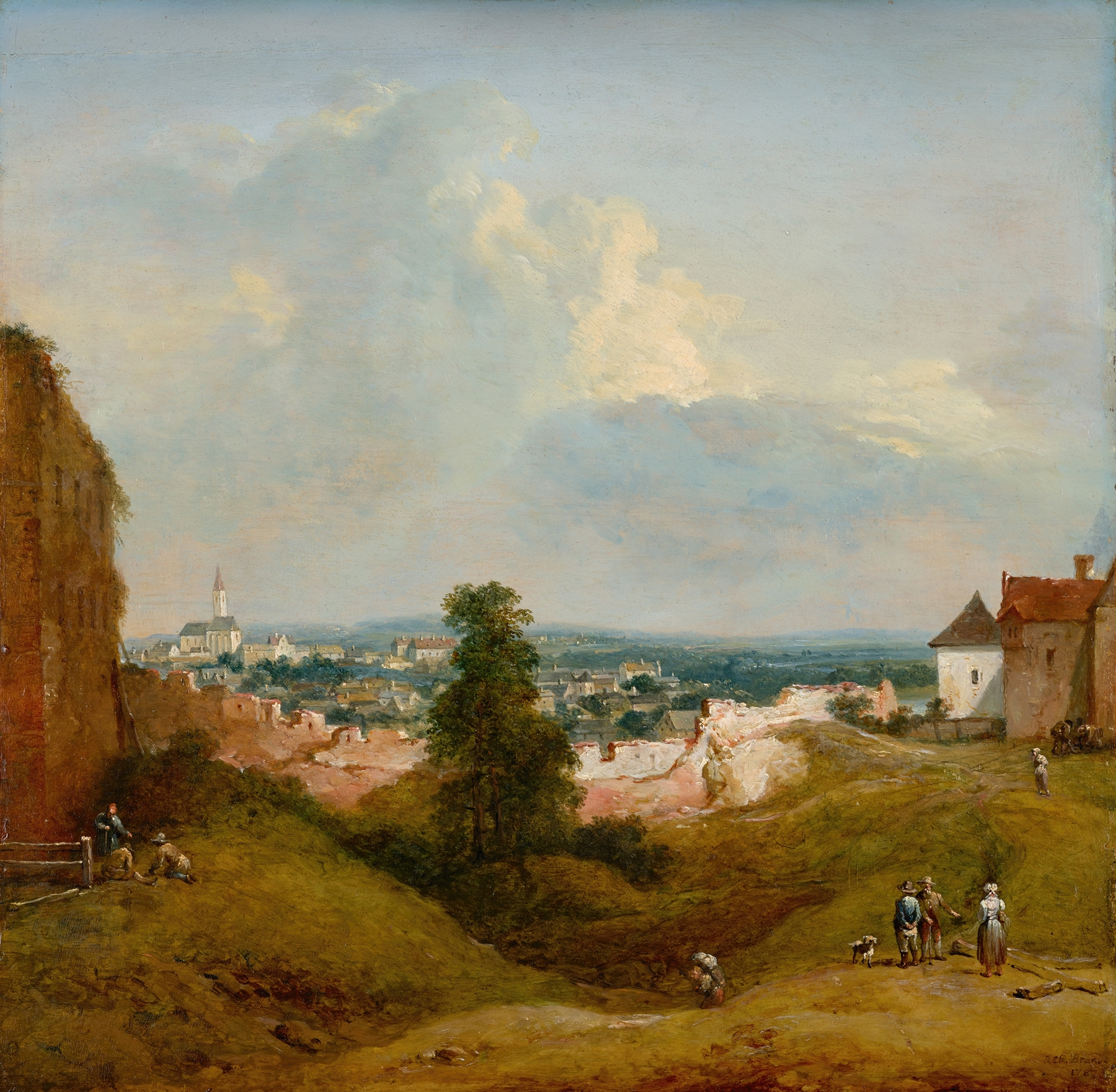
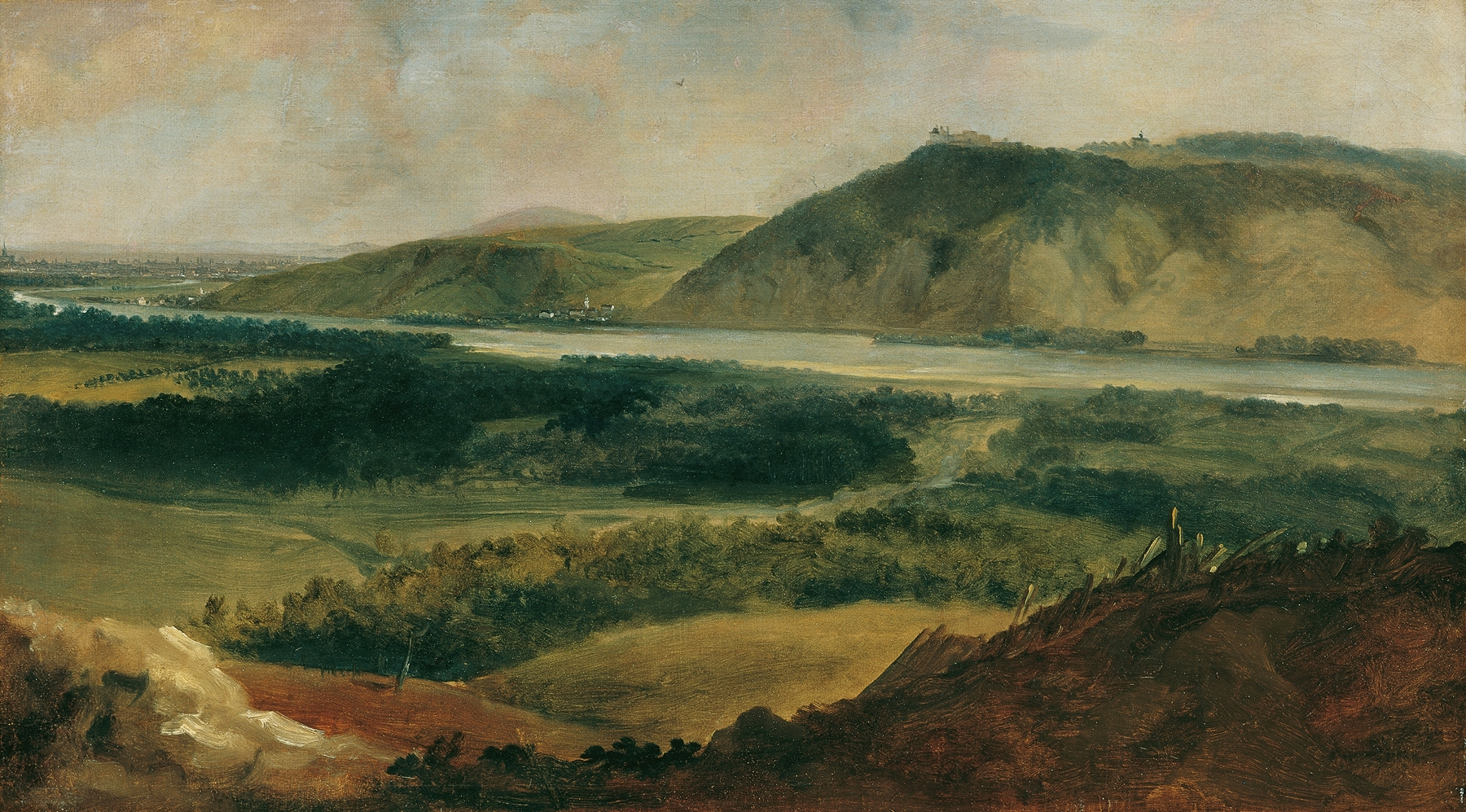
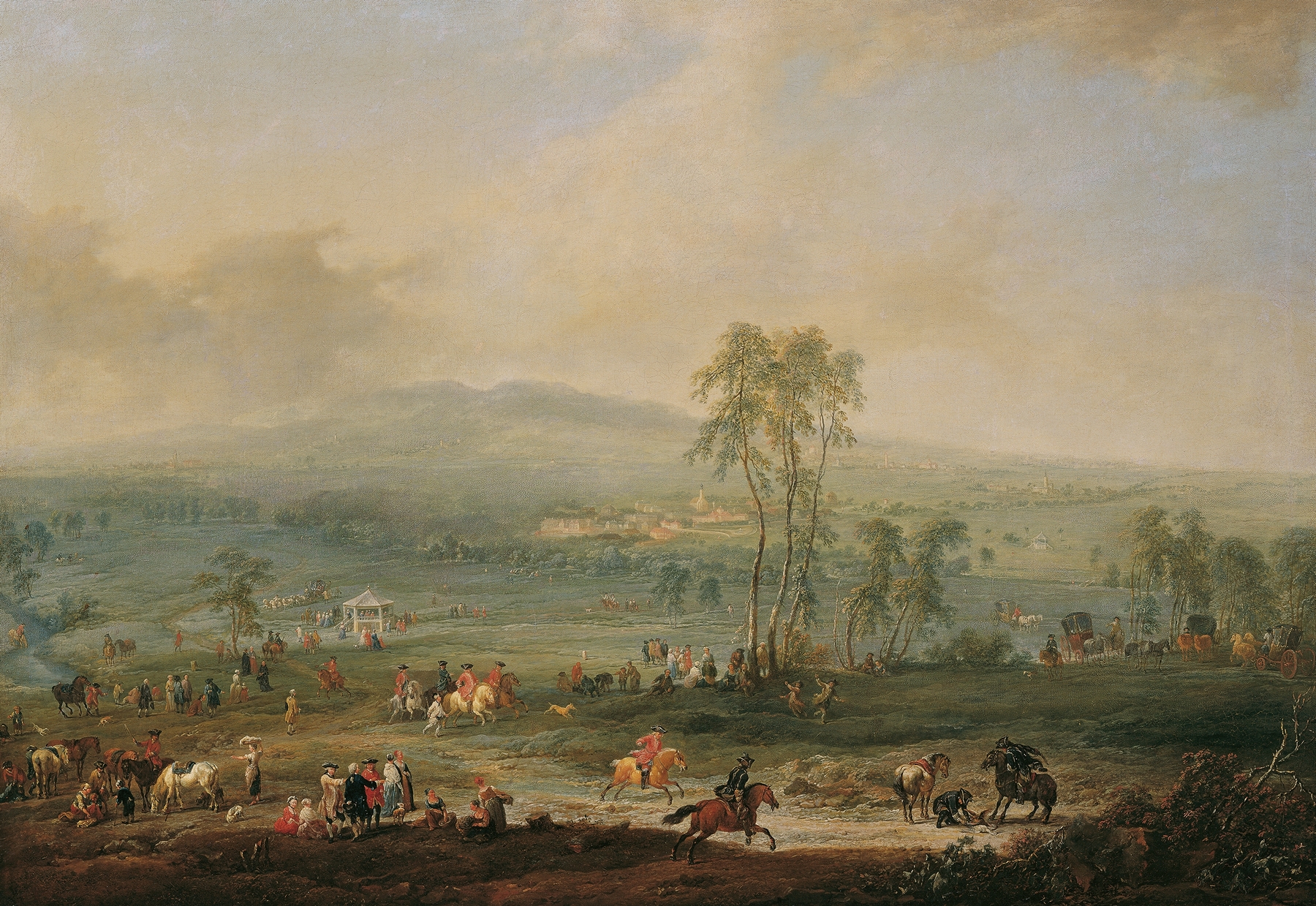
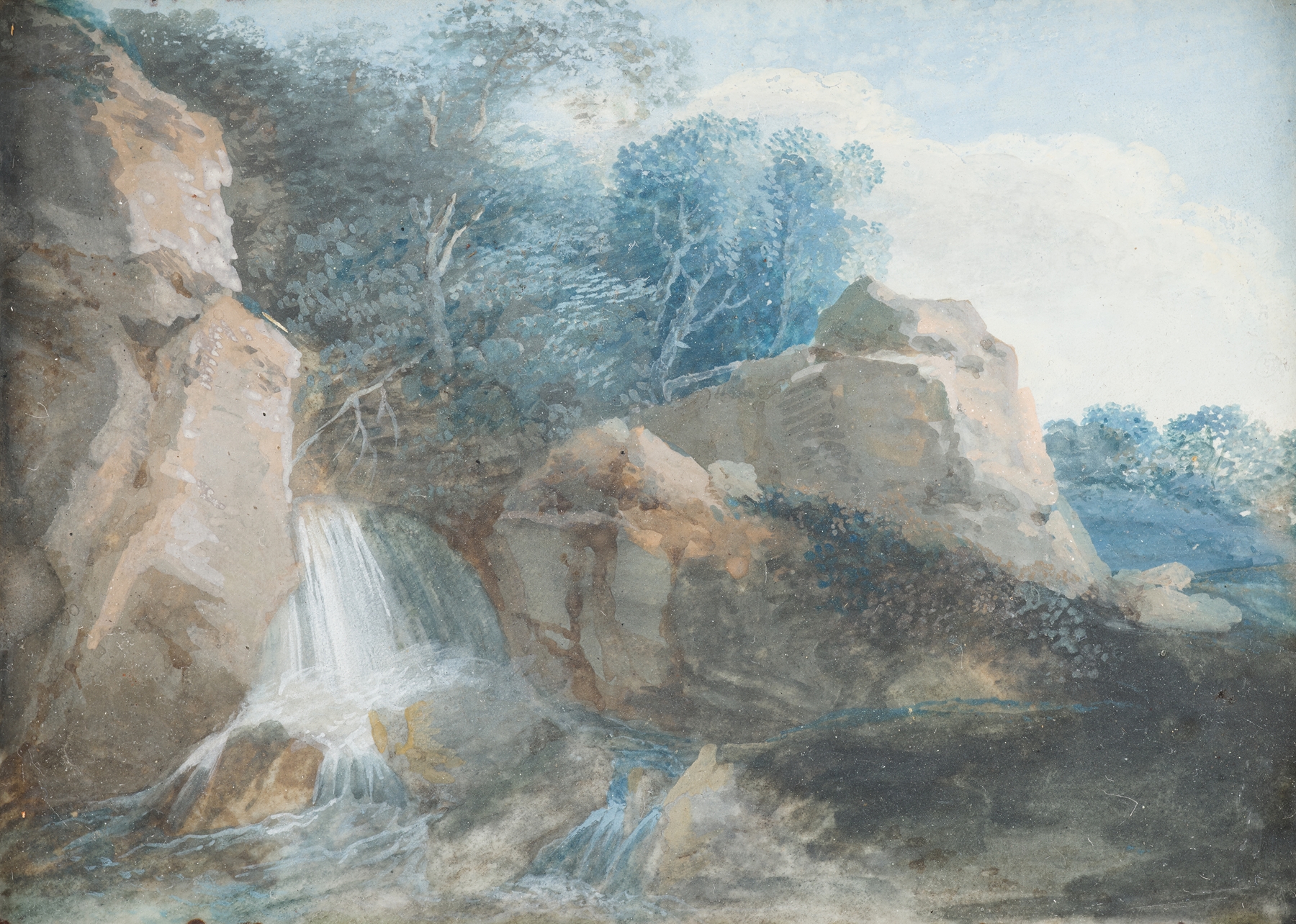
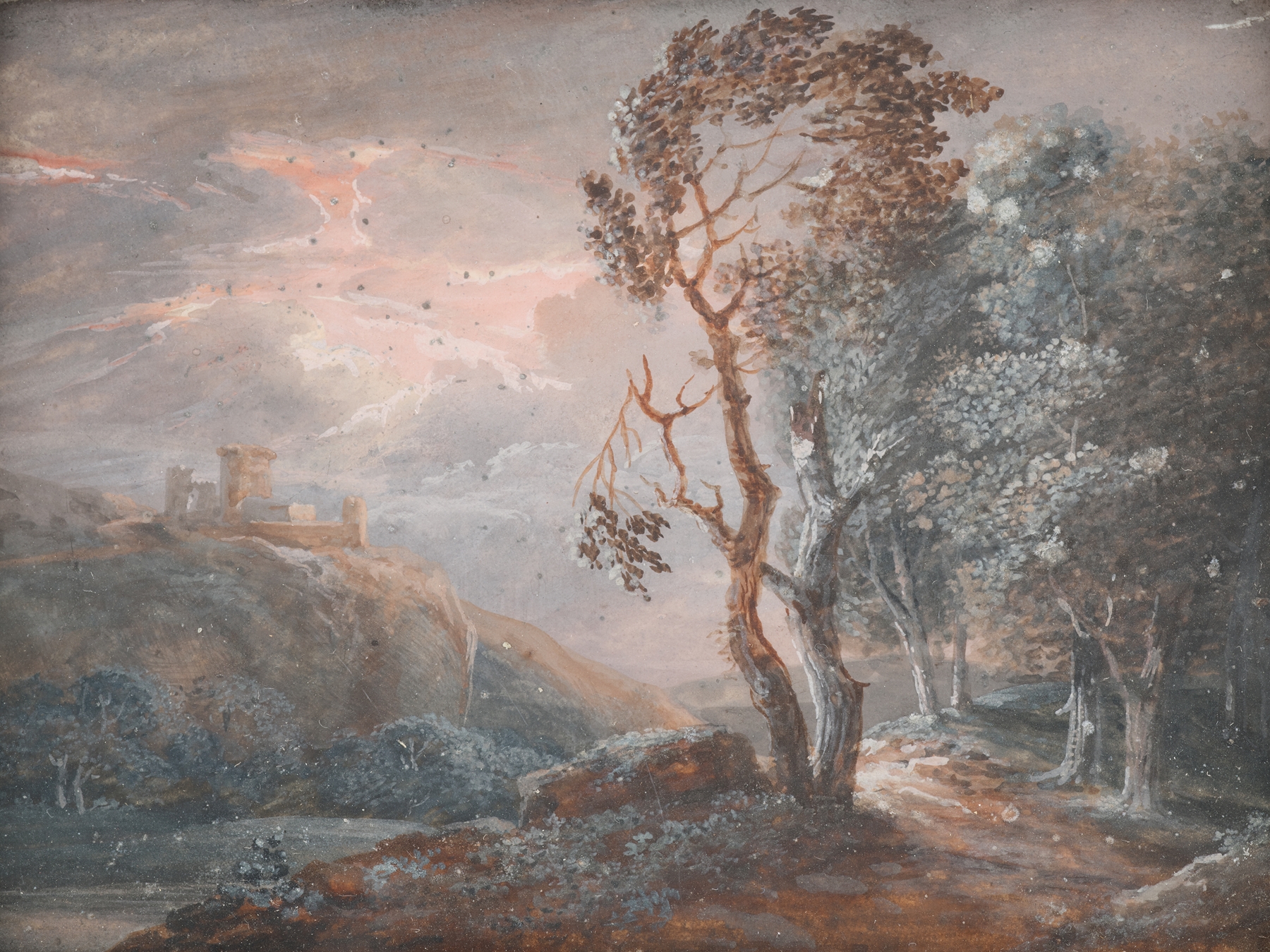
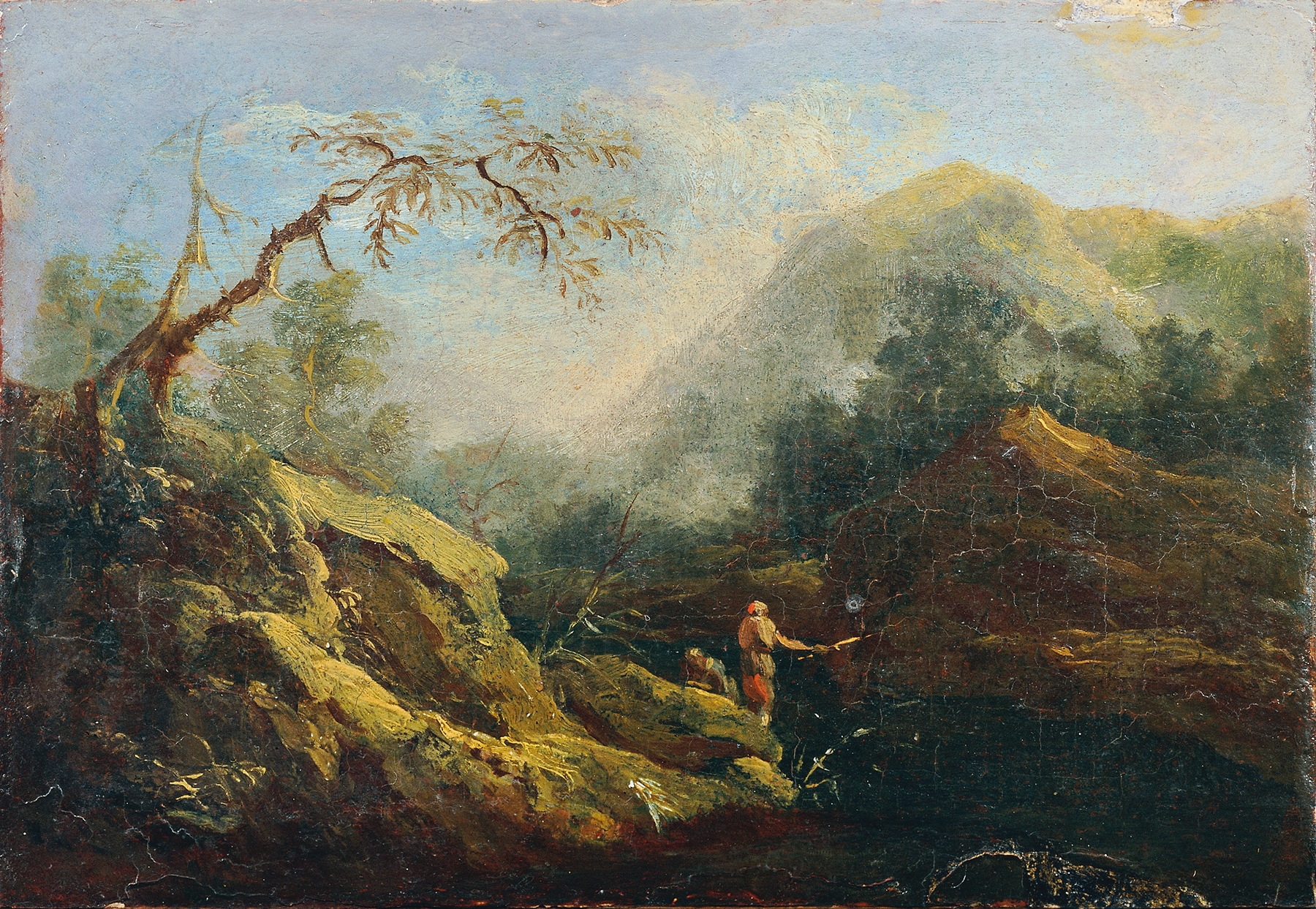
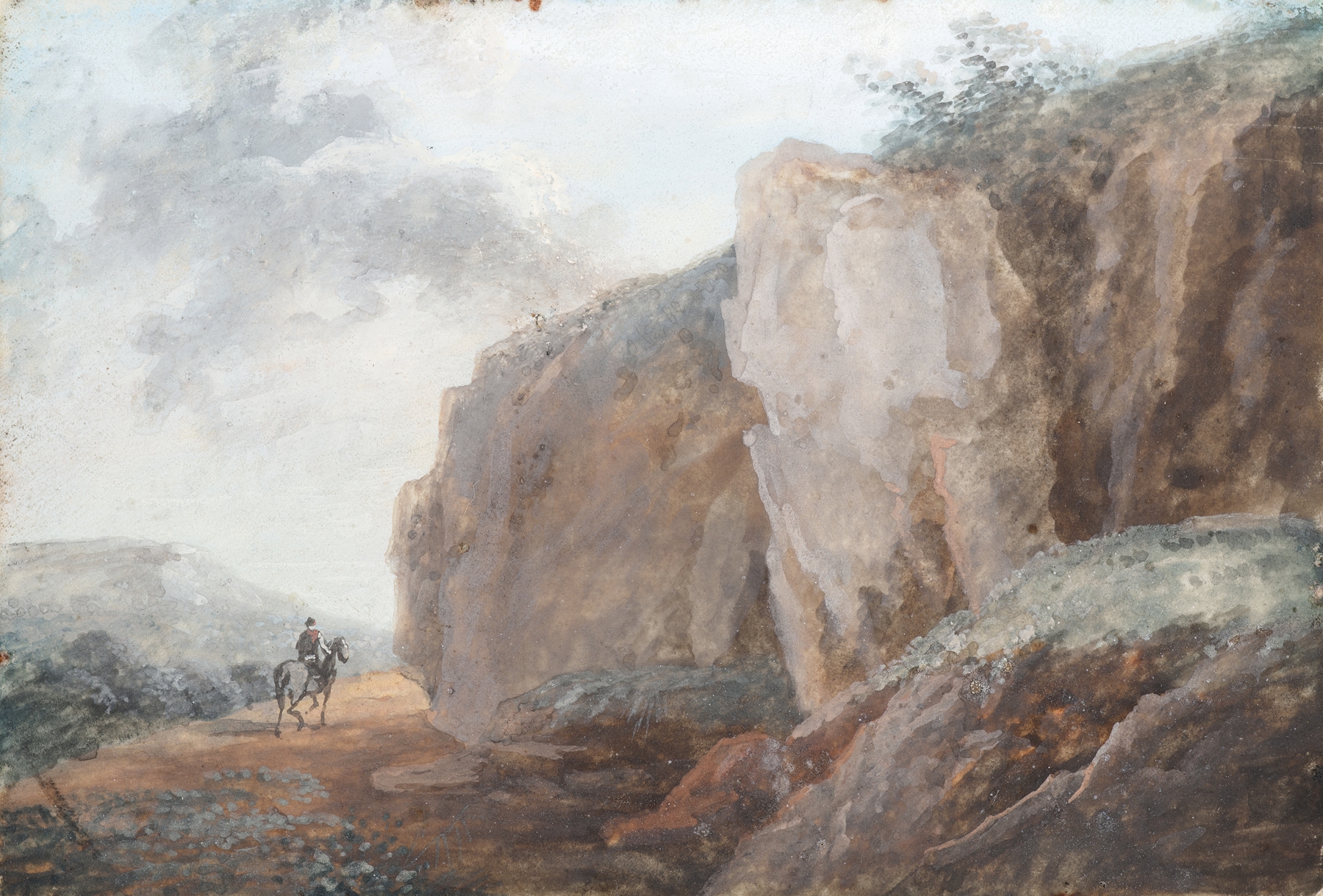
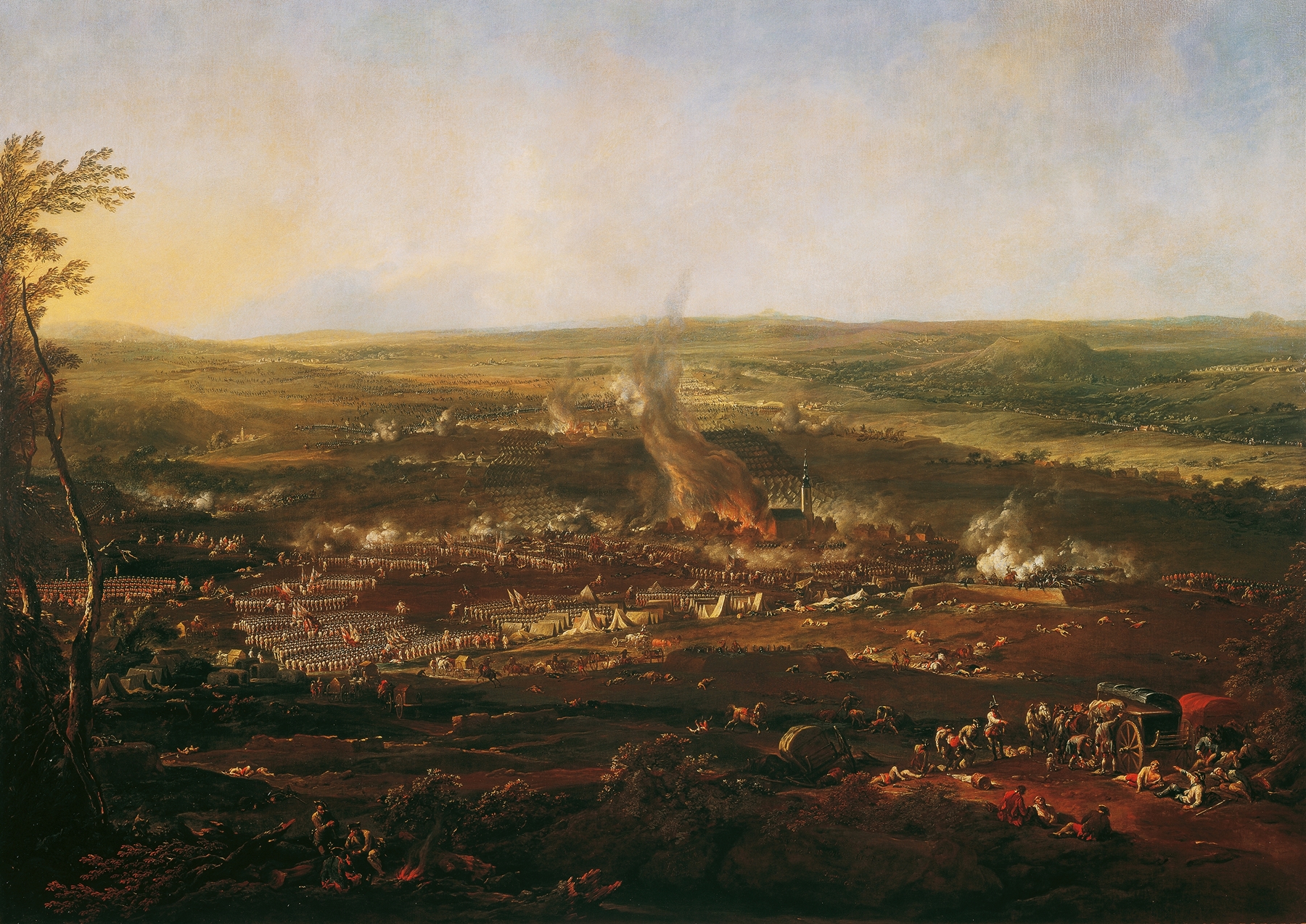
“Every brushstroke is a heartbeat remembered.” In Landschaft mit Kuhherde, a serene pastoral expanse unfolds, inviting contemplation of the simple yet profound relationship between nature and livestock. Look to the left at the gentle curves of the rolling hills, where vivid greens seamlessly blend with the soft blues of the sky. The cows, rendered with meticulous detail, lead your gaze into the composition, their presence grounding the scene. Notice how warm sunlight bathes the landscape, casting intricate shadows that dance lightly across the ground, enhancing the tranquil ambiance.
The artist’s deft use of color enhances the harmony, drawing out an emotional resonance that speaks to the viewer’s own connections to the countryside. The contrasting textures of the cows' coats against the smooth grass reveal a deeper metaphor for coexistence; each element in the painting lives in a delicate balance. The shadows suggest the passage of time, evoking nostalgia for agrarian simplicity and the beauty of rural life.
This captivating moment hints at the transient nature of pastoral existence, inviting a reflection on the changing landscapes of both nature and human experience. In 1761, Johann Christian Brand painted this work during a period of artistic transition in Germany, marked by a burgeoning appreciation for the Romantic ideals of nature and emotion. Living in a time when the Enlightenment was influencing European art, he crafted this piece as part of a broader movement towards depicting everyday life with sincerity and depth, embracing a growing fascination with the pastoral and idyllic.