Die Wannseebrücke — History & Analysis
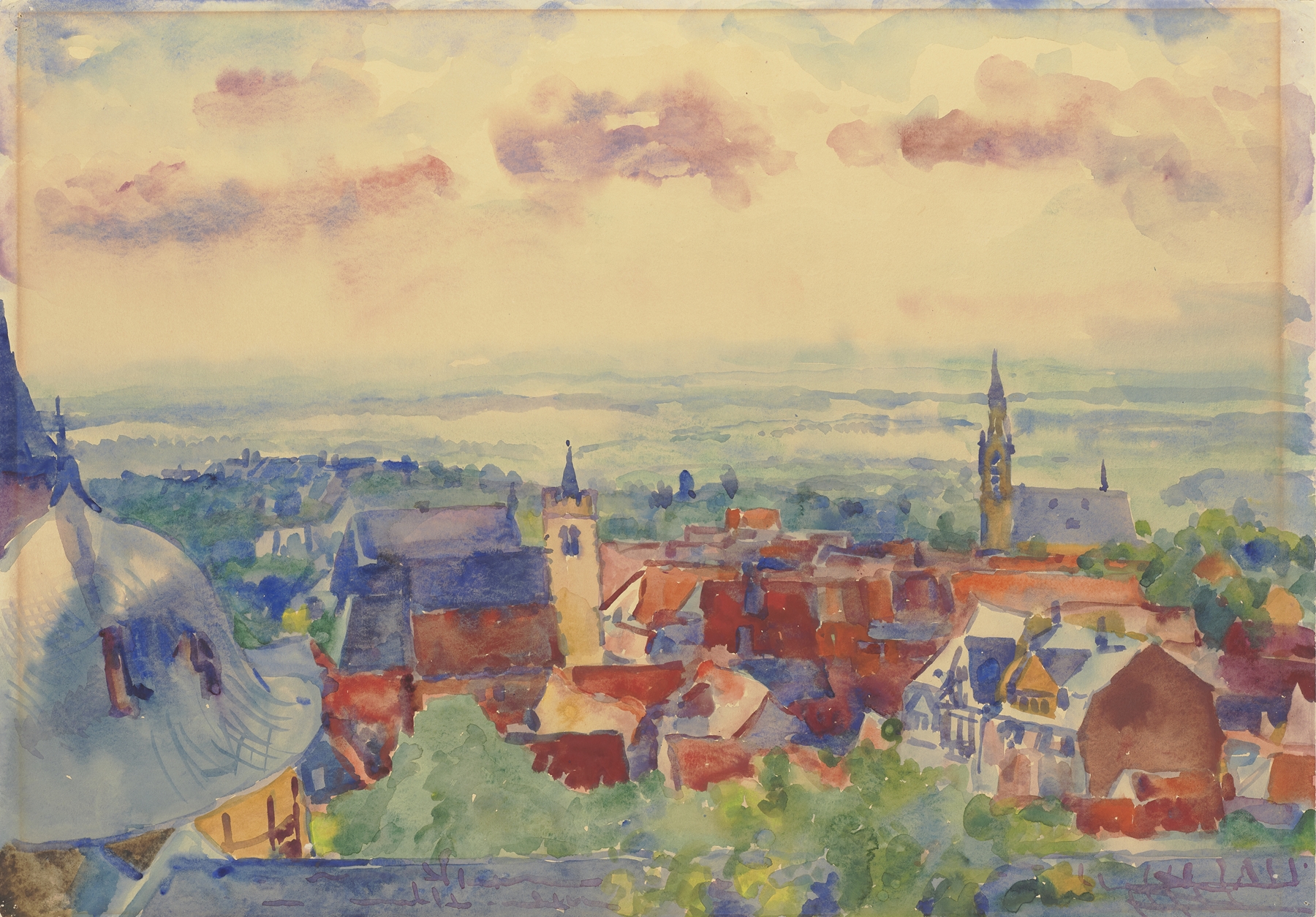
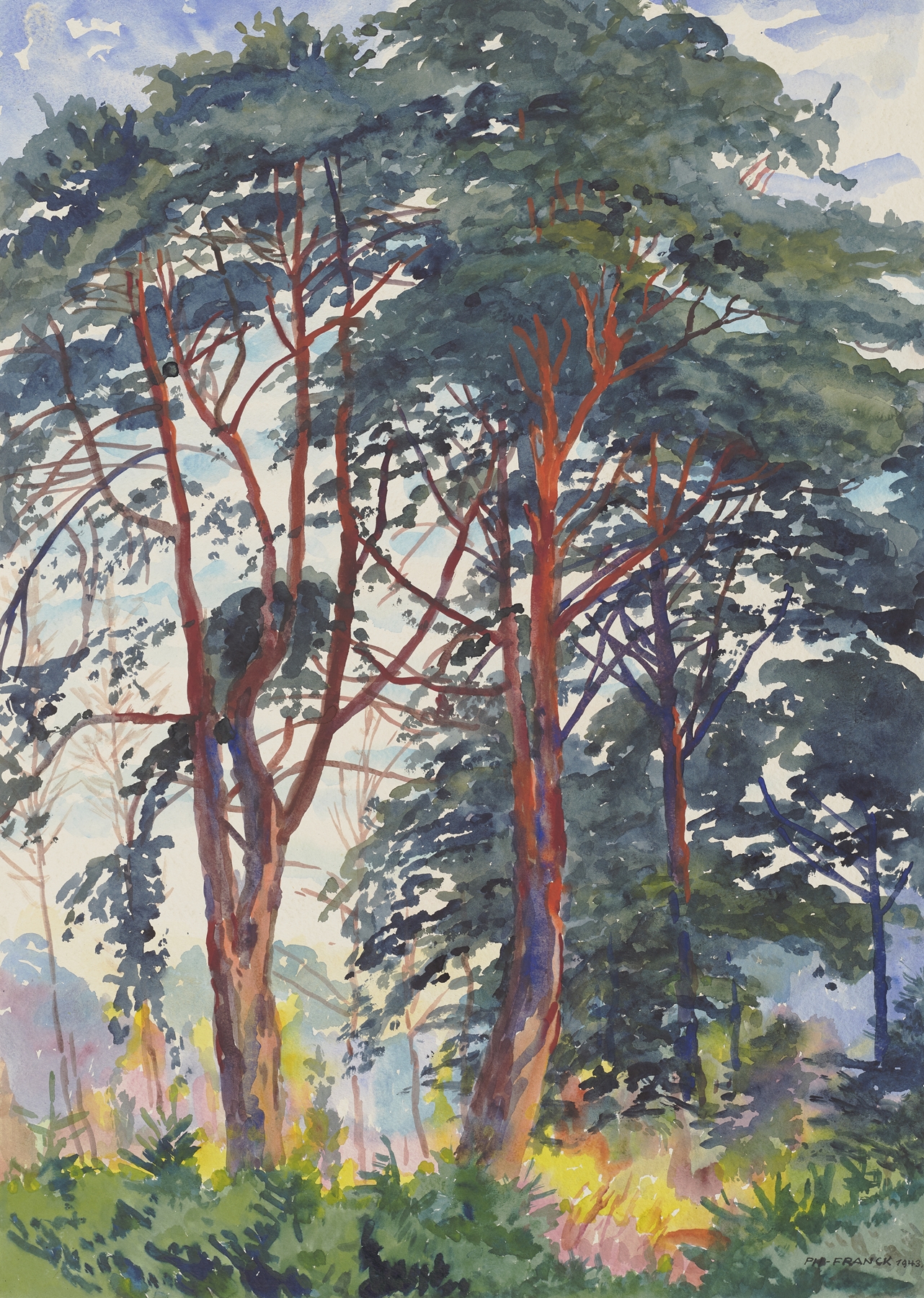
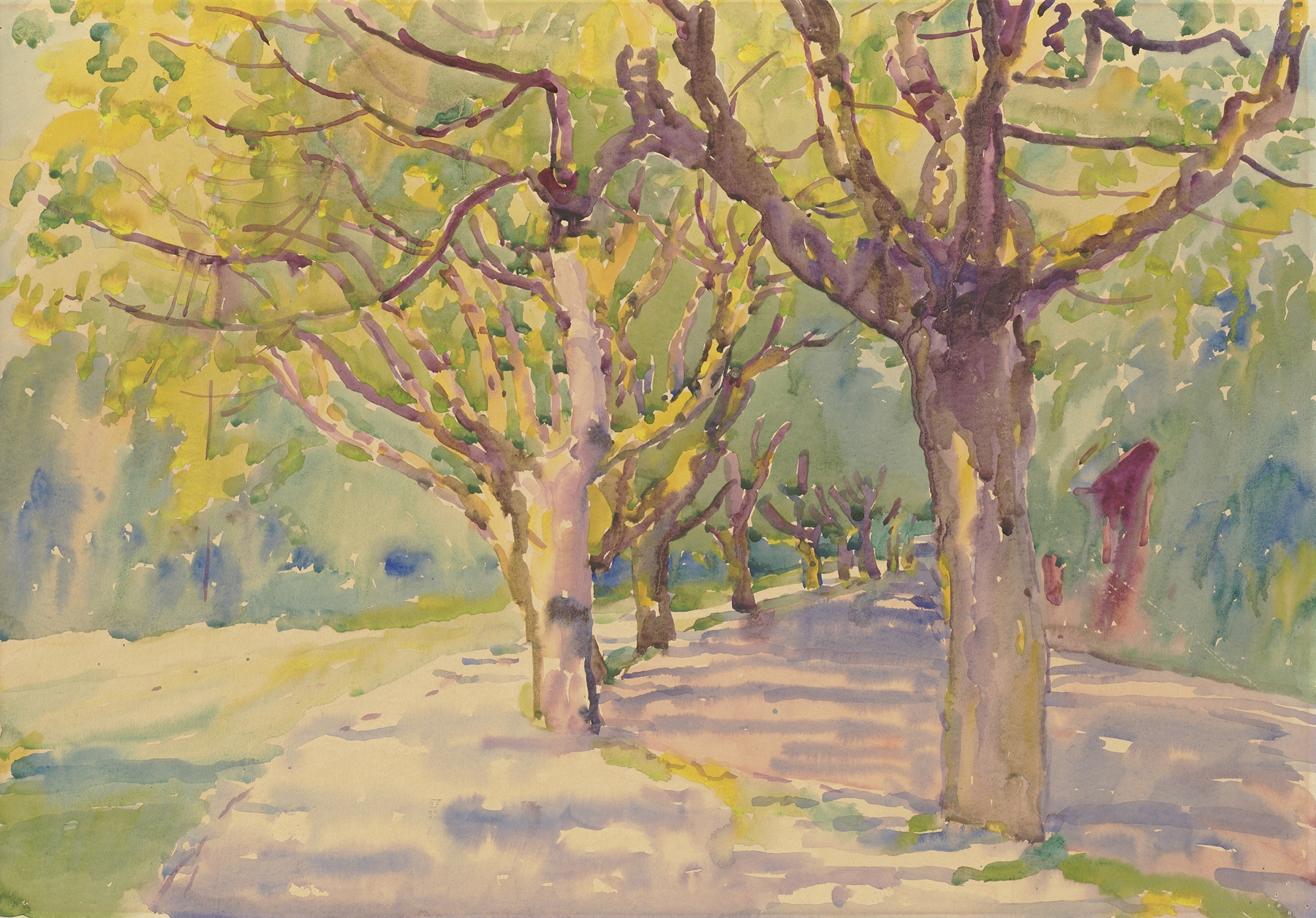
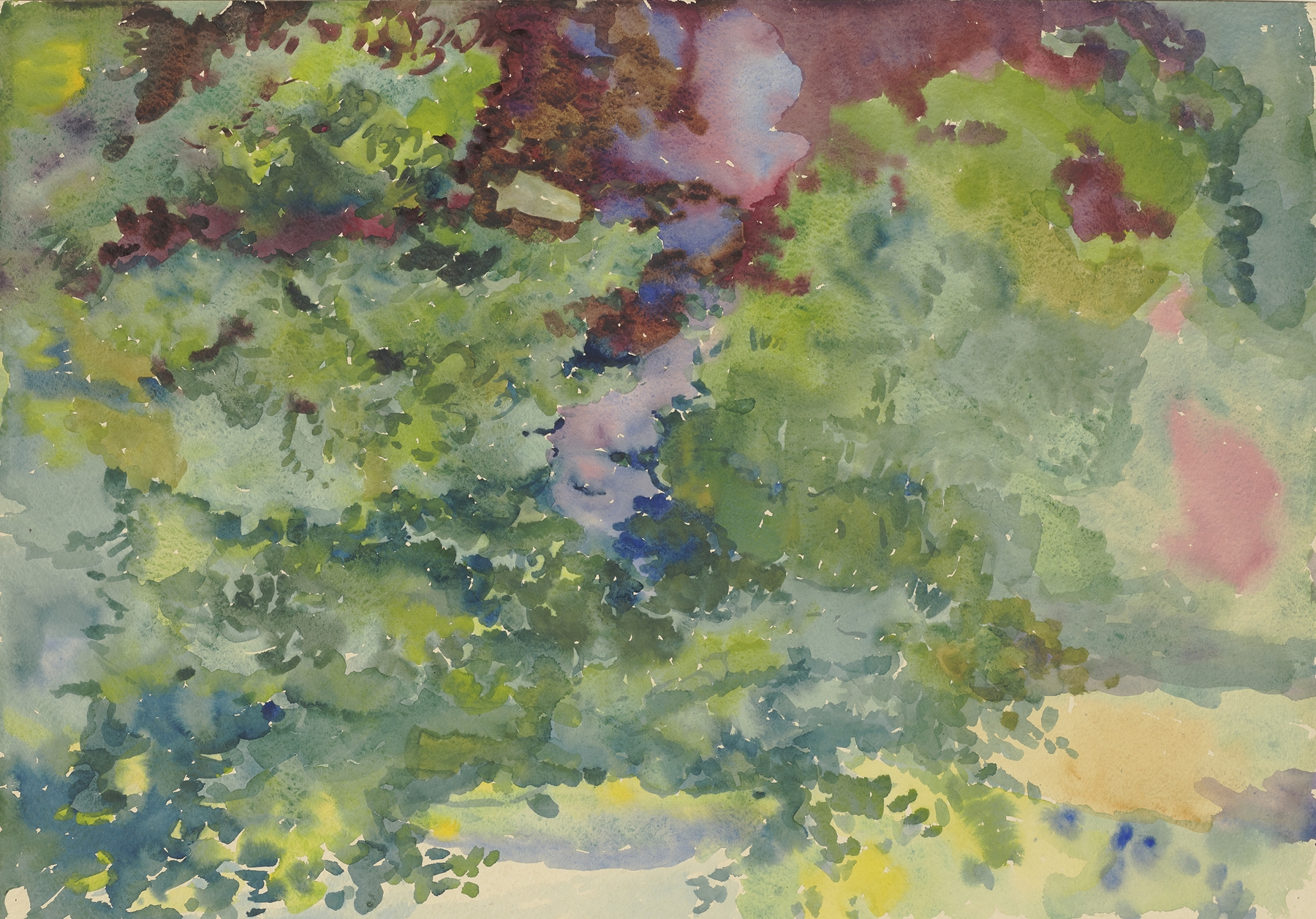
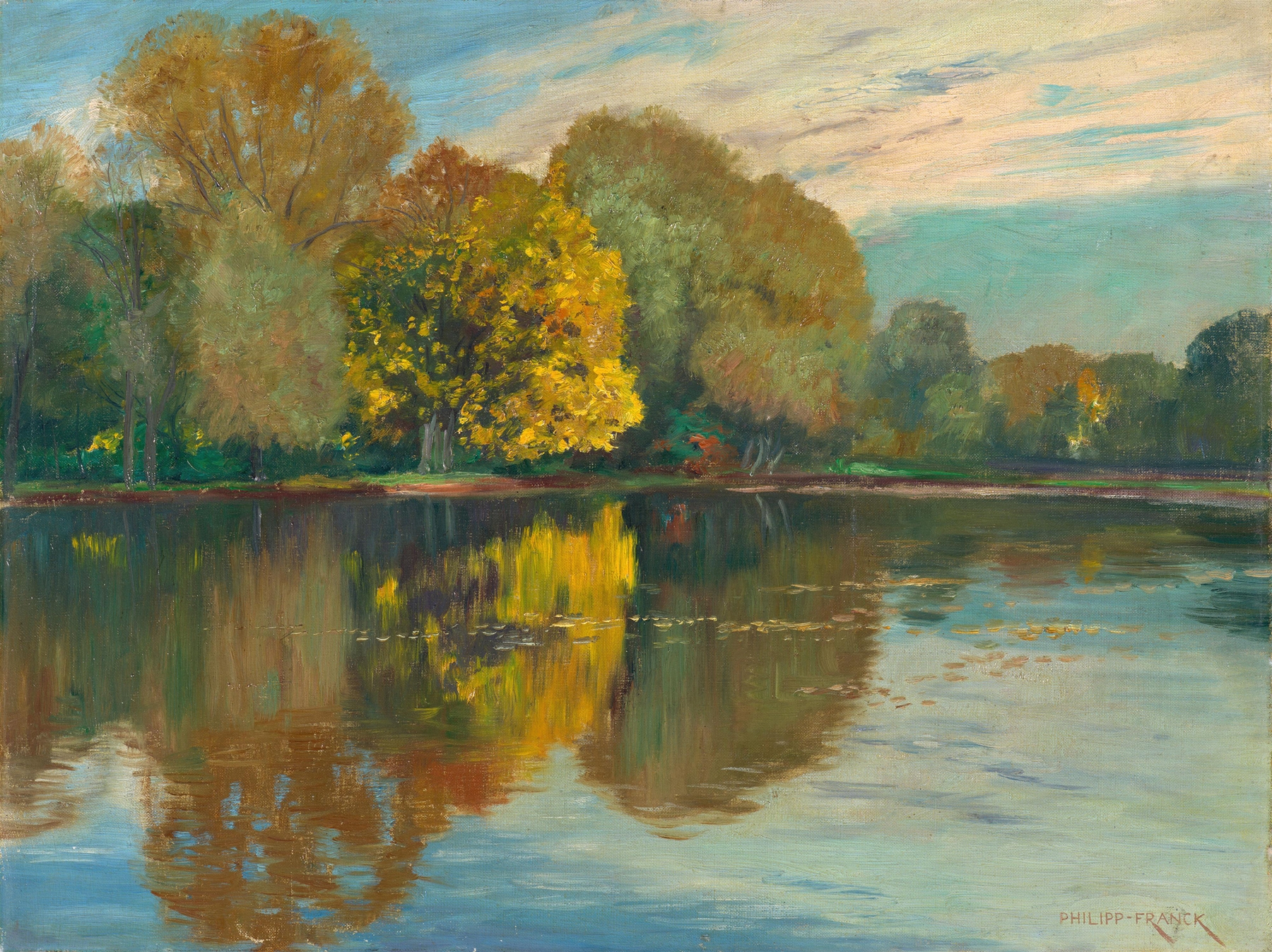
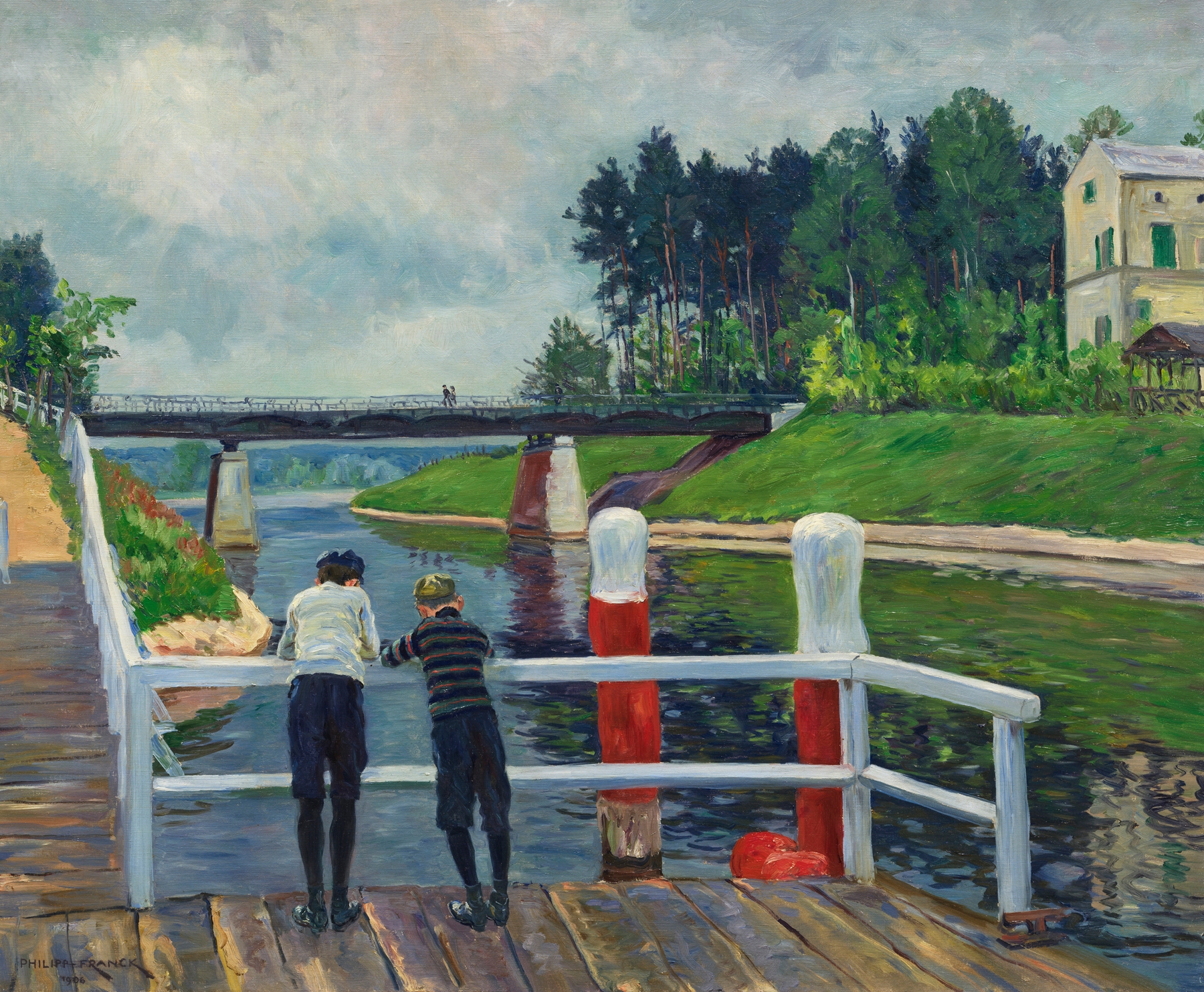
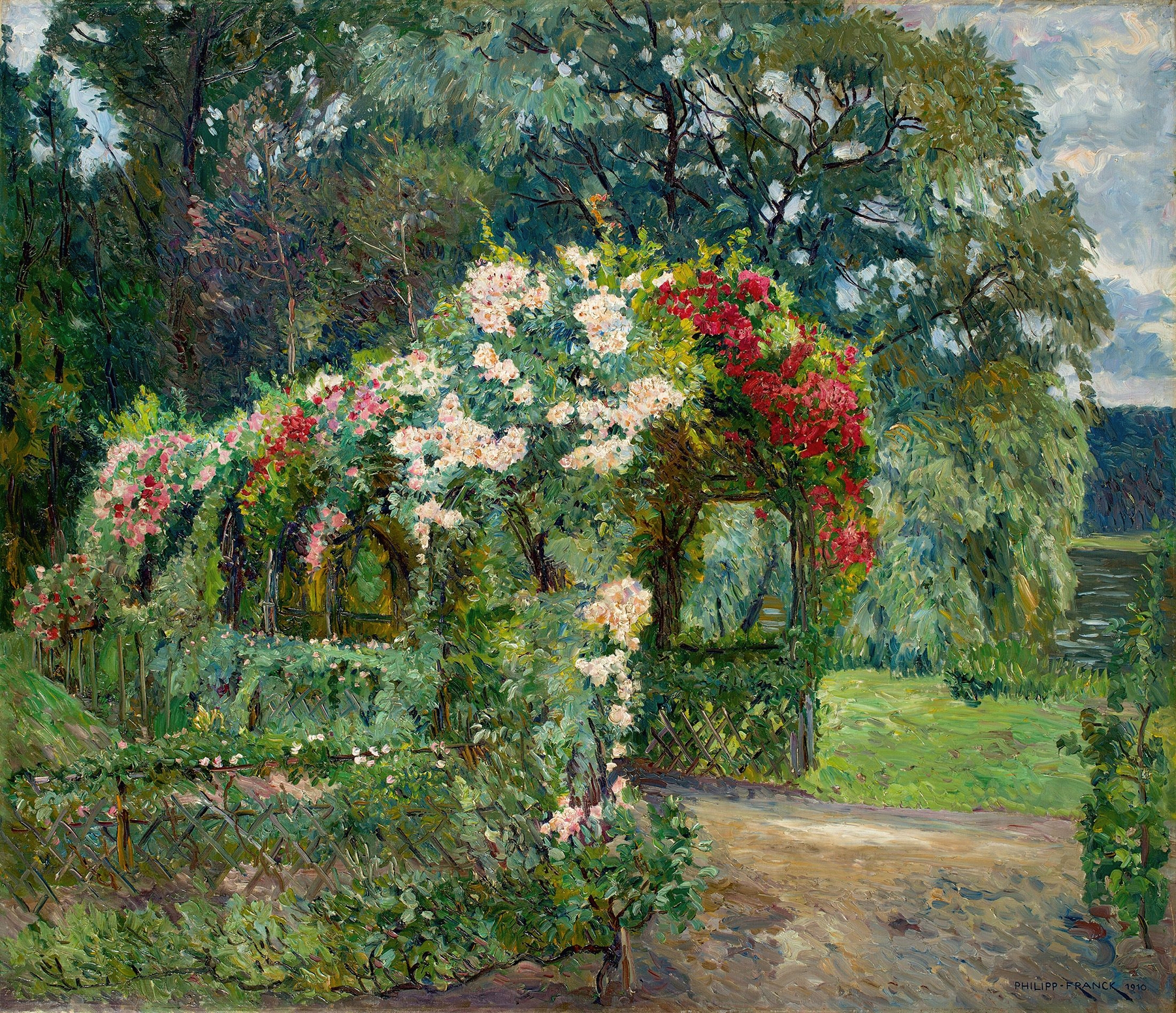
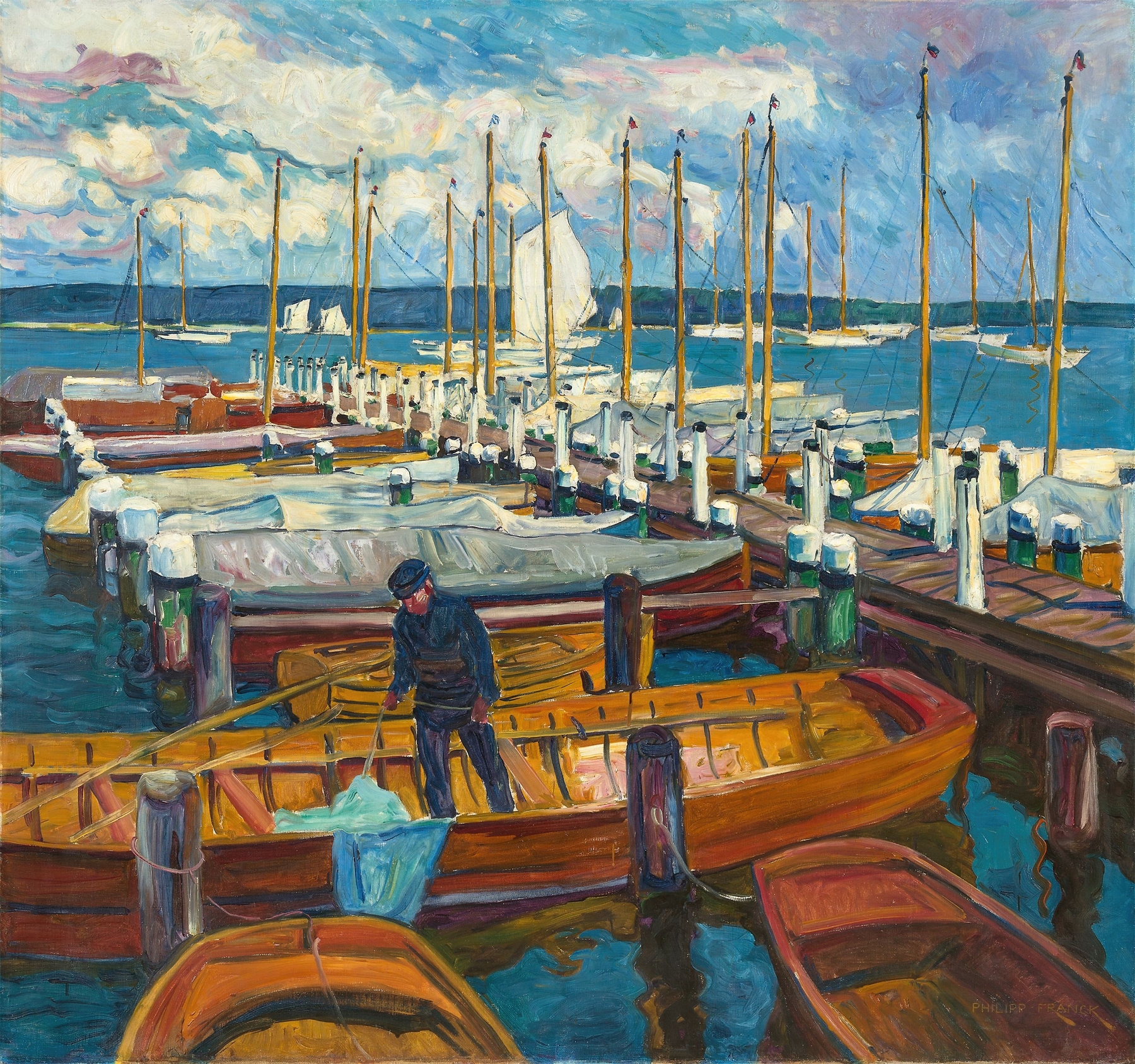
Is this a mirror — or a memory? The canvas invites us to confront time itself, where the present blurs into echoes of the past and visions of the future. Look to the left, where vibrant blues and greens jostle for dominance, creating a vivid reflection of the Wannsee area’s lushness. The bridge stands poised above the water, its arches elegantly framing the scene, guiding the eye across a tranquil yet charged surface.
Notice how light dances upon the water, revealing shades of gold where sunbeams kiss the surface, and shadows stretch thoughtfully beneath the bridge, adding depth and intrigue. The composition's balance between stillness and movement encapsulates a moment frozen in time while simultaneously suggesting its ephemeral nature. Yet, within this serene depiction lies a tension between nostalgia and the passage of time. The water acts as a mirror, reflecting not just the physical landscape but also the emotional weight of a world caught in transition.
The bridge, a man-made structure, stands in contrast to the natural beauty surrounding it, embodying humanity's struggle to coexist with nature while also hinting at the broader social changes looming on the horizon of the 1920s. Each ripple in the water seems to whisper stories of what was, what is, and what may come. In 1926, Philipp Franck crafted this piece during a period of great change in Germany, as the country was navigating the aftermath of World War I and the burgeoning cultural movements of the Weimar Republic. This was a time marked by artistic experimentation and a re-examination of identity, making the work not only a reflection of its landscape but also a poignant commentary on collective memories and shifting realities in a rapidly evolving society.