Doornenkroning — History & Analysis
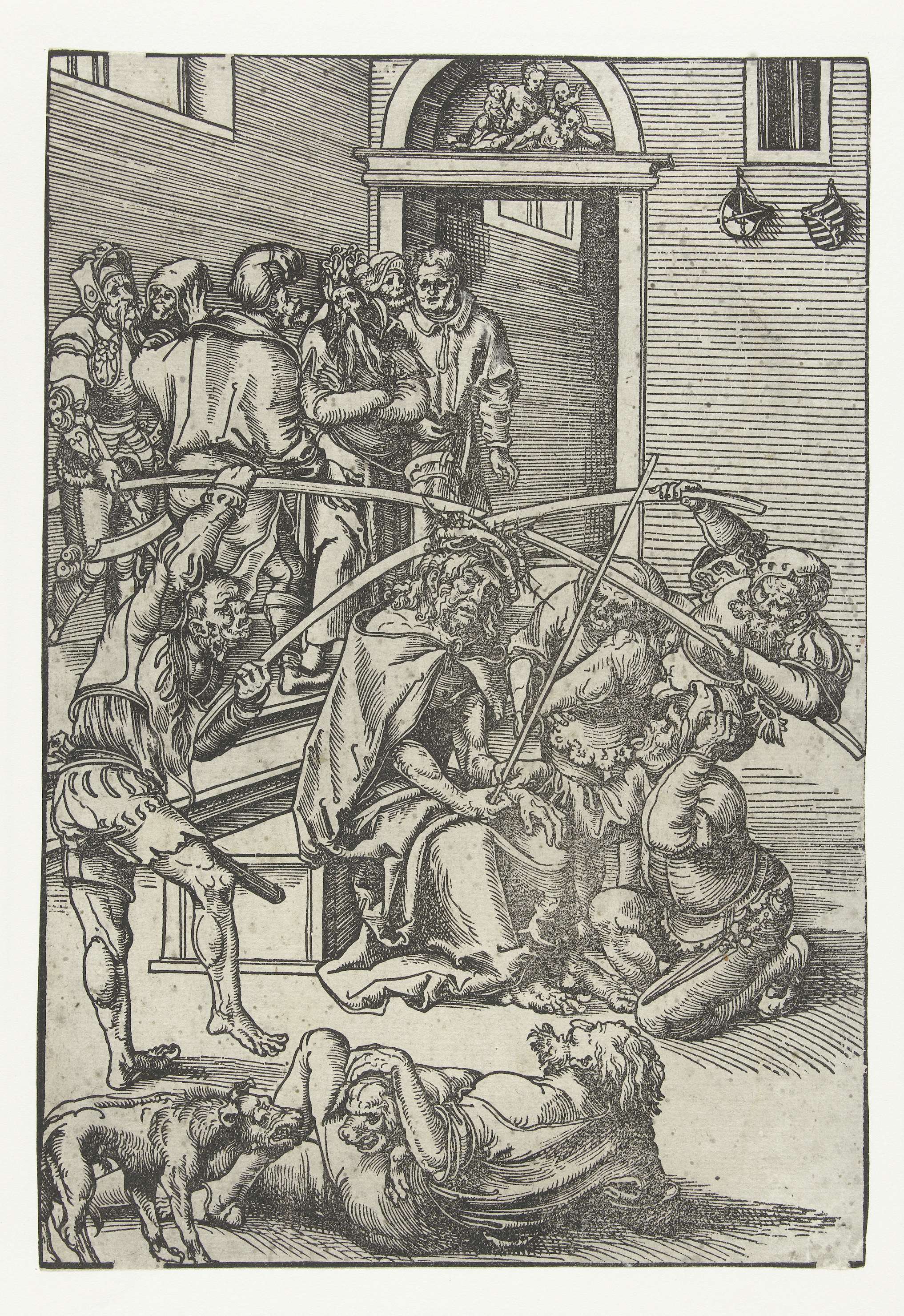
“To paint is to remember what time wants us to forget.” In the luminous embrace of Lucas Cranach's Doornenkroning, the act of rebirth transcends mere representation, inviting us to contemplate the cyclical nature of suffering and renewal. Look to the center of the canvas where the figure of Christ emerges, crowned in thorns. The contrast of deep reds against the soft golden hues creates a visceral tension, pulling your gaze into the heart of his suffering. The meticulous detailing of the thorns, each thorny spike threatening yet integral to the garland, emphasizes the weight of sacrifice, while the surrounding figures stand in muted reverence, their colors a palette of somber respect and awe.
The background fades softly, allowing the viewer to focus solely on this poignant moment. Hidden within this vivid portrayal lie layers of meaning. The thorns, traditionally symbols of pain, paradoxically herald transformation—Christ's suffering is the gateway to salvation. Notice the delicate interplay between light and shadow; it evokes a sense of ethereal presence, suggesting that there is hope even amidst darkness.
The expressions of the figures, a mixture of sorrow and solemn acceptance, reflect the tension between despair and divine promise, encapsulating the very essence of rebirth. Created in 1509, during a period of burgeoning humanism and religious transformation, the painting marks a significant moment in Cranach's career. Working in Wittenberg, a hub of Reformation thought, he engaged with themes that resonated deeply with the spiritual and cultural upheaval of his time. Cranach's artistry not only captured the essence of his subjects but also mirrored the shifting paradigms of faith and human experience in an age characterized by conflict and change.