
Rest on the Flight into Egypt — History & Facts
What secret hides in the quiet of the canvas? In Rest on the Flight into Egypt, fragility plays out against a backdrop of serene innocence and hidden strength, inviting viewers to explore the delicate balance between safety and vulnerability. Look to the right at the gentle curve of the Virgin Mary, her face illuminated by a soft, golden glow that seems to cradle her child in a haze of divinity. The subtle blues and greens of the landscape evoke tranquility, while the earthy tones of their garments anchor their figures within the surrounding nature. Notice how the artist’s meticulous brushwork captures not only the texture of fabric but also the warmth of maternal love, contrasting against the cold, stark branches of the tree that loom overhead, suggesting both protection and peril. Beneath the surface, there lies a rich tapestry of emotion.
The child, cradled in his mother's arms, symbolizes hope and innocence, juxtaposed with the perilous journey they are undertaking. The tree, though it provides shelter, also hints at uncertainty, suggesting that the safety of this moment is fleeting. The stillness of the scene belies the chaos that surrounds them, encapsulating the tension between their flight from danger and the sanctuary they momentarily find. Lucas Cranach (I) painted Rest on the Flight into Egypt between 1509 and 1510 during a period of significant artistic exploration in Northern Europe.
Working in Wittenberg, he was influenced by the Reformation, which was reshaping religious art. This piece reflects his innovative approach to composition and emotion, intertwining spiritual themes with human experience, capturing both the fragility of life and the enduring strength of faith.
More Artworks by Lucas Cranach (I)

Portret van Martin Luther als Augustijner monnik
Lucas Cranach (I)
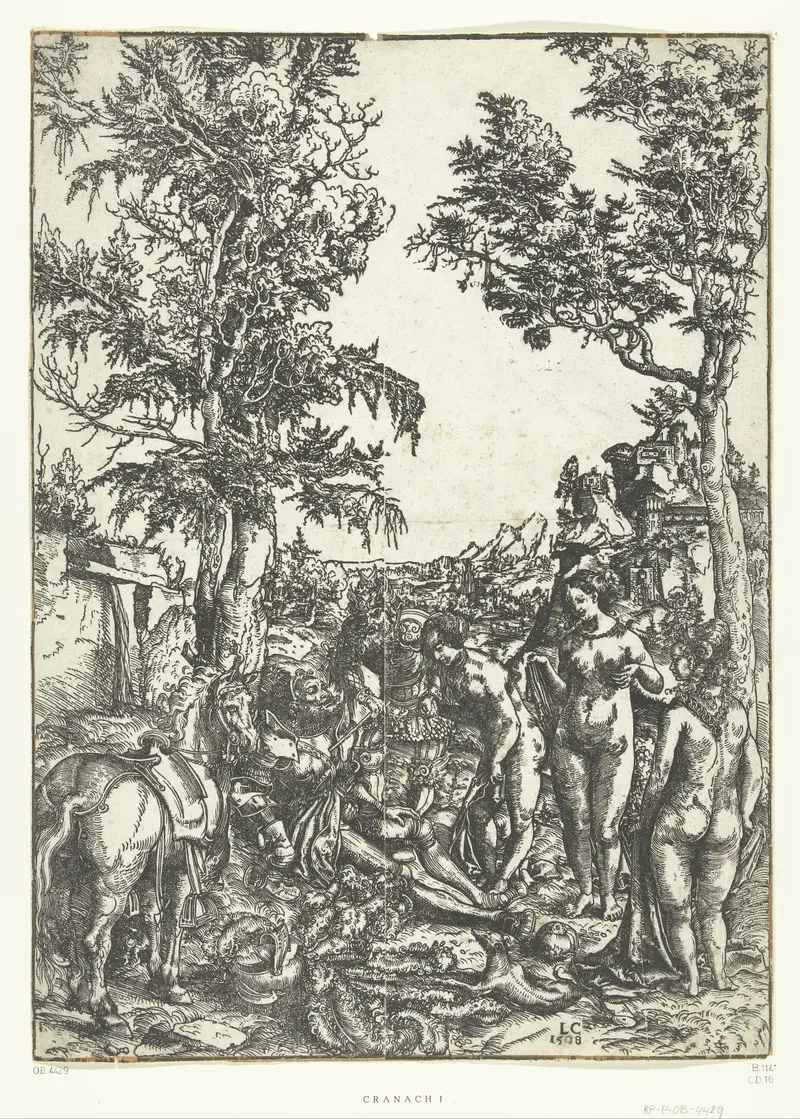
Oordeel van Paris
Lucas Cranach (I)
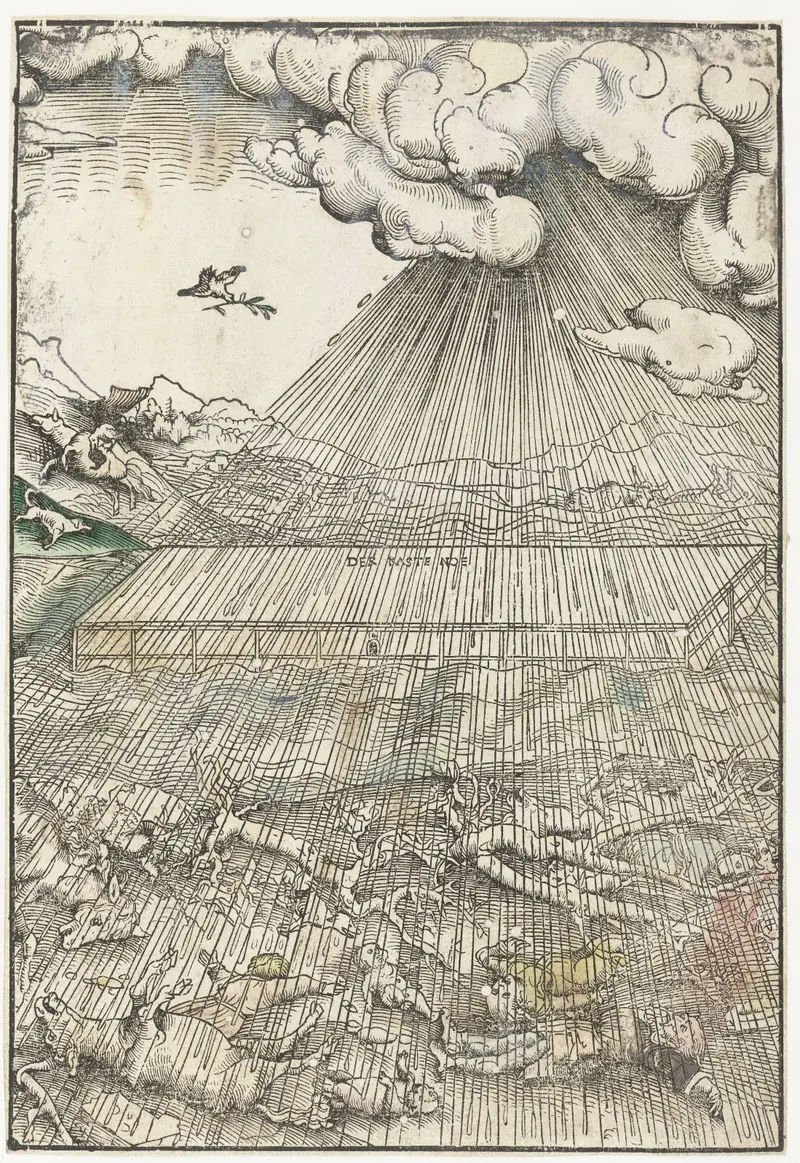
Zondvloed en ark van Noach
Lucas Cranach (I)
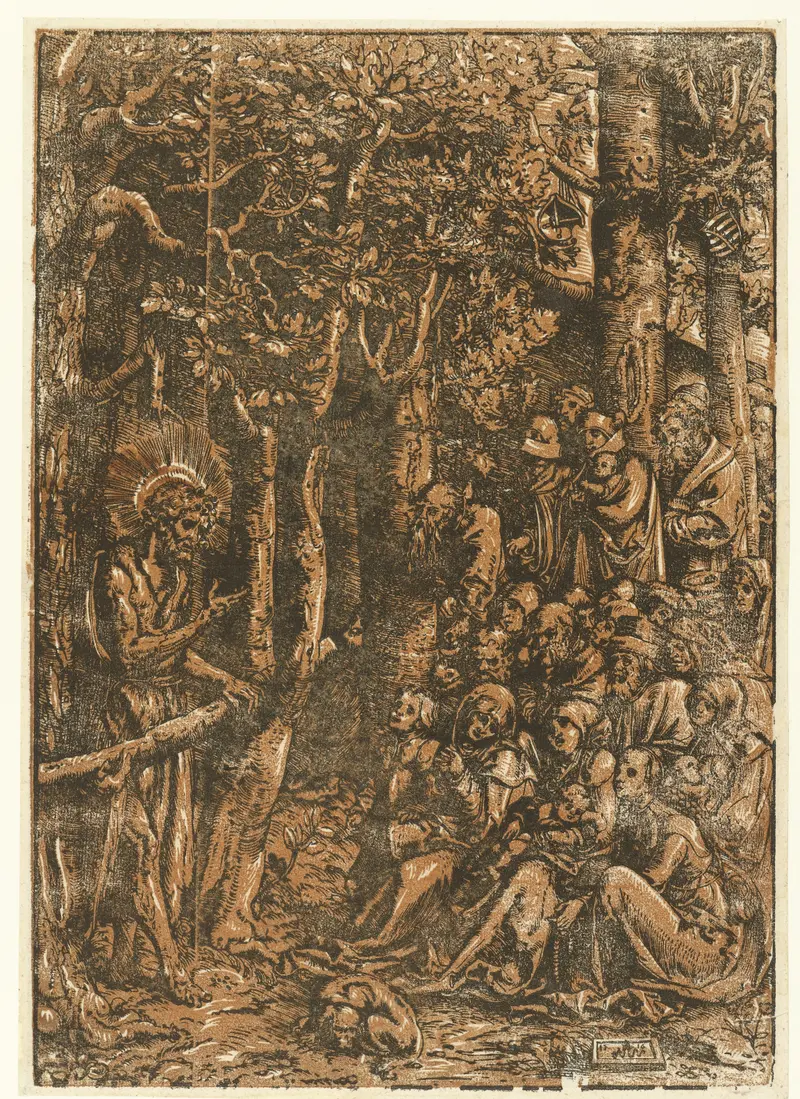
Johannes de Doper predikt tot de mensen
Lucas Cranach (I)
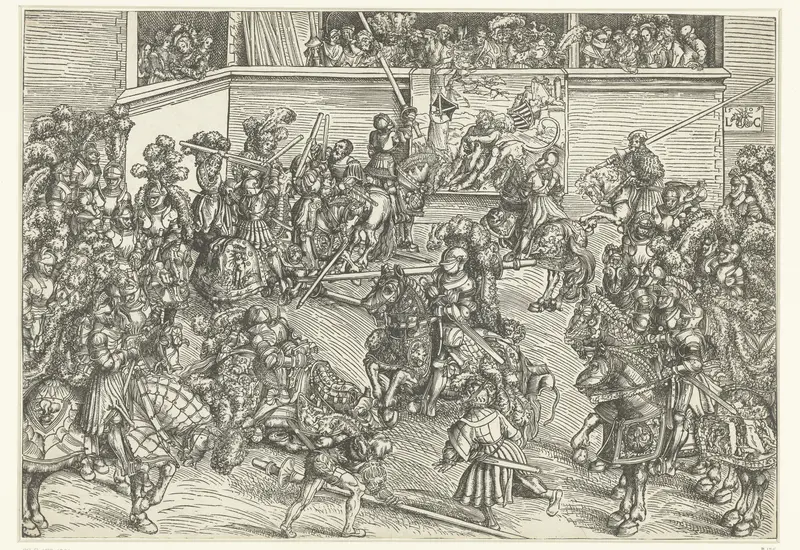
Toernooi van het keurvorstelijk hof van Saksen met wandtapijt Simson doodt de leeuw
Lucas Cranach (I)
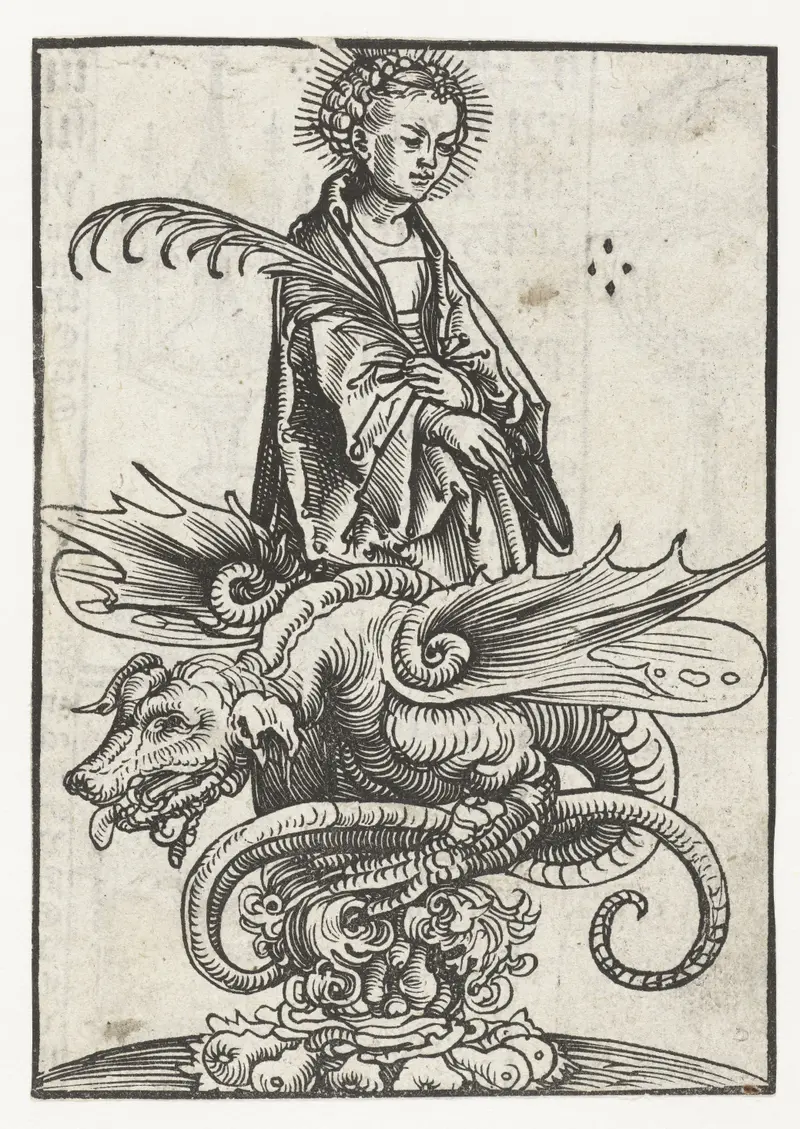
Beeld van heilige Margaretha en draak
Lucas Cranach (I)

Doornenkroning
Lucas Cranach (I)
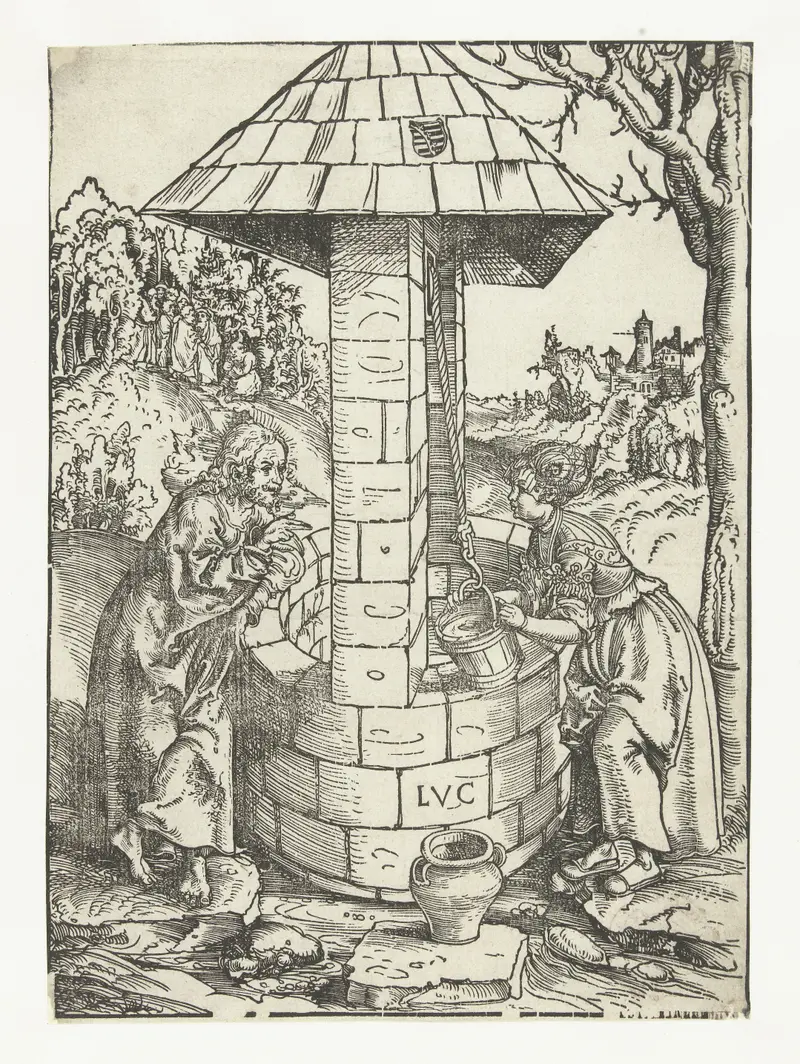
Christus en de Samaritaanse vrouw
Lucas Cranach (I)
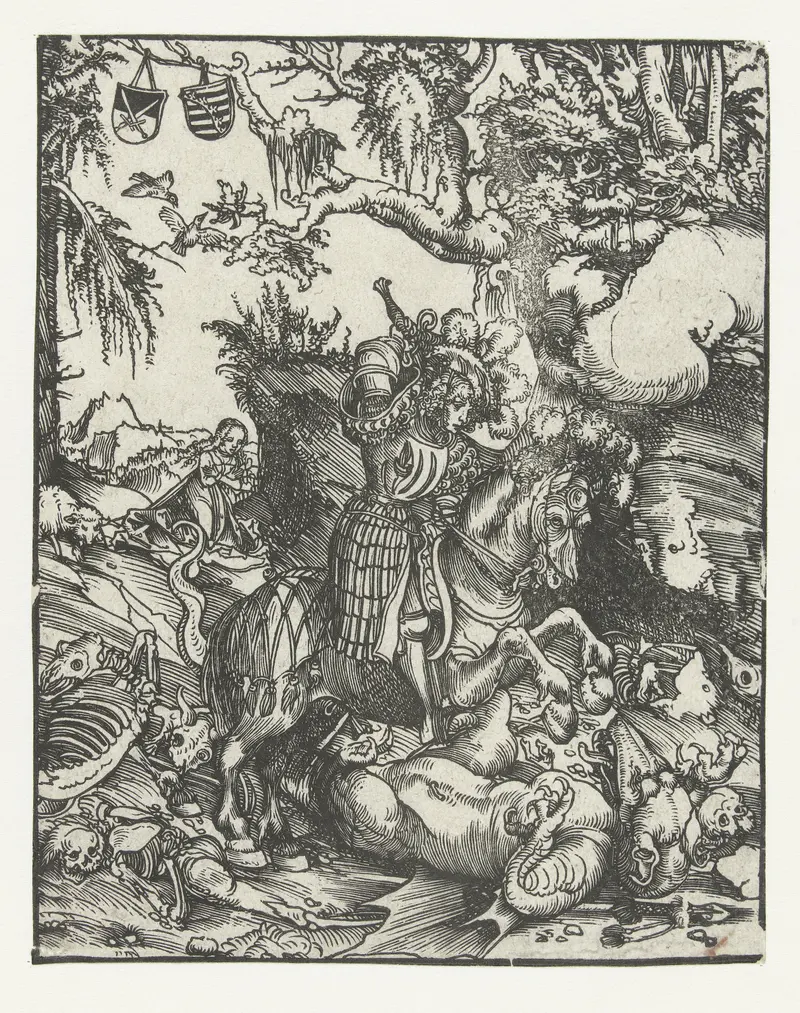
Heilige Joris (Georgius) doodt de draak
Lucas Cranach (I)

Duits toernooi met twee edelmannen als ridders te paard
Lucas Cranach (I)





