Portret van Martin Luther als Augustijner monnik — History & Analysis
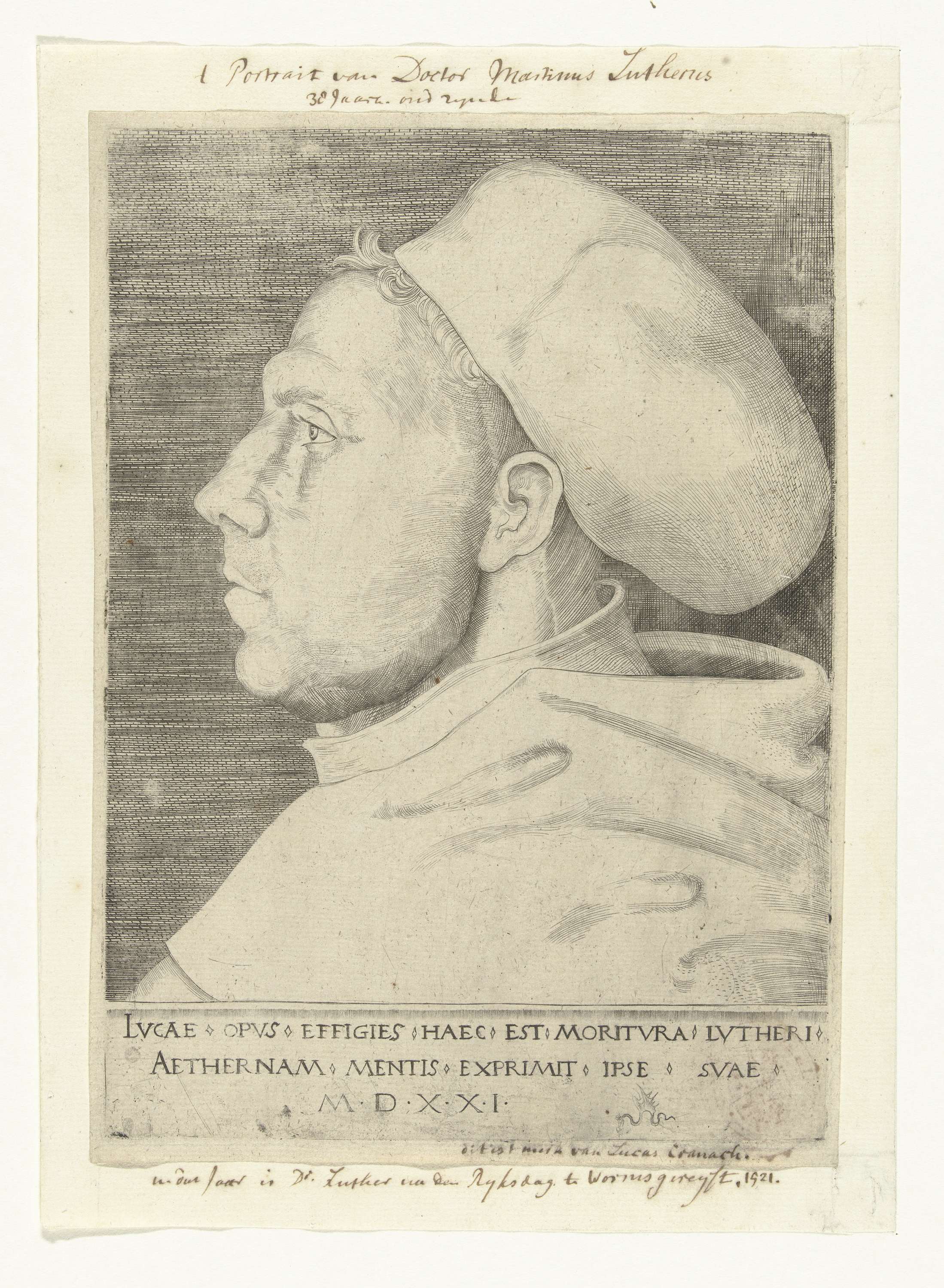
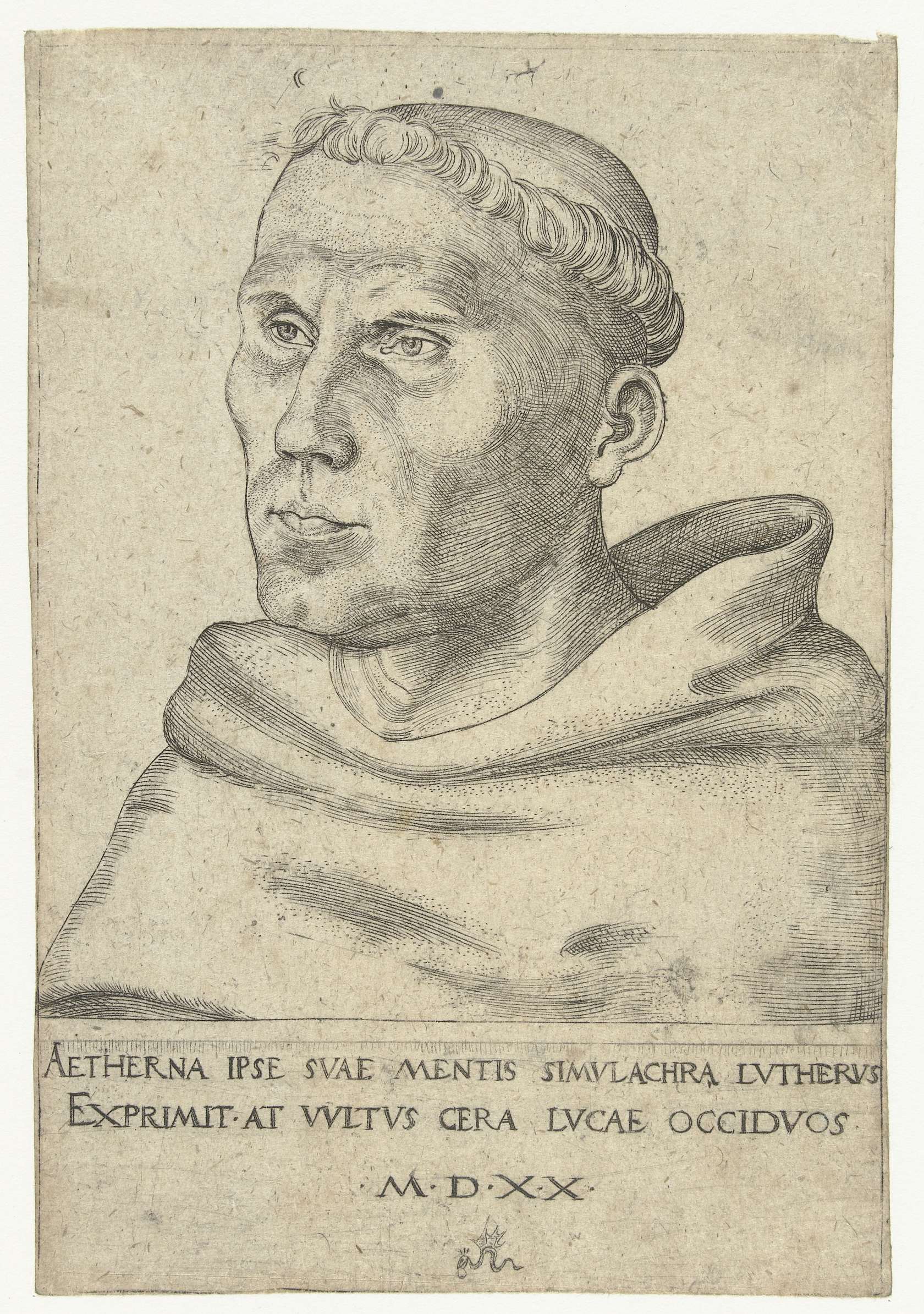
“Art reveals the soul when the world turns away.” In *Portret van Martin Luther als Augustijner monnik*, the yearning for truth and belief radiates from the canvas, urging viewers to contemplate their own convictions in a turbulent era. Look closely at the figure of Martin Luther, standing resolutely against a muted background that allows him to emerge as both a scholar and a reformer. Notice how the soft light illuminates his face, emphasizing the furrowed brow and contemplative gaze that suggest deep introspection. The detailed rendering of his Augustinian monk’s habit, adorned with rich, dark colors, conveys a sense of solemnity and authority, while the careful brushwork captures the texture of fabric, inviting us to feel the weight of his vocation. In this portrait, the interplay of light and shadow evokes an internal struggle—Luther’s quiet strength juxtaposed with the looming shadows of doubt and conflict. The slight tilt of his head suggests a moment of revelation, revealing the tension between his faith and the broader religious upheaval of the time. Each detail, from the wrinkles around his eyes to the folds of his robe, speaks of a man grappling with monumental change, embodying the hopes and fears of a generation yearning for reform in a rigid ecclesiastical world. This work was painted in 1520, during a turbulent period for Lucas Cranach, who was closely associated with the Reformation movement. As Luther’s ideas began to spread, the artist found himself at the intersection of art and theology, using his craft to reflect the transformative spirit of the age. Cranach’s portraits offered not just likenesses, but a visual language for the ideas that would shape the future of Christianity and the role of the individual believer.