Intocht van Christus in Jerusalem — History & Analysis
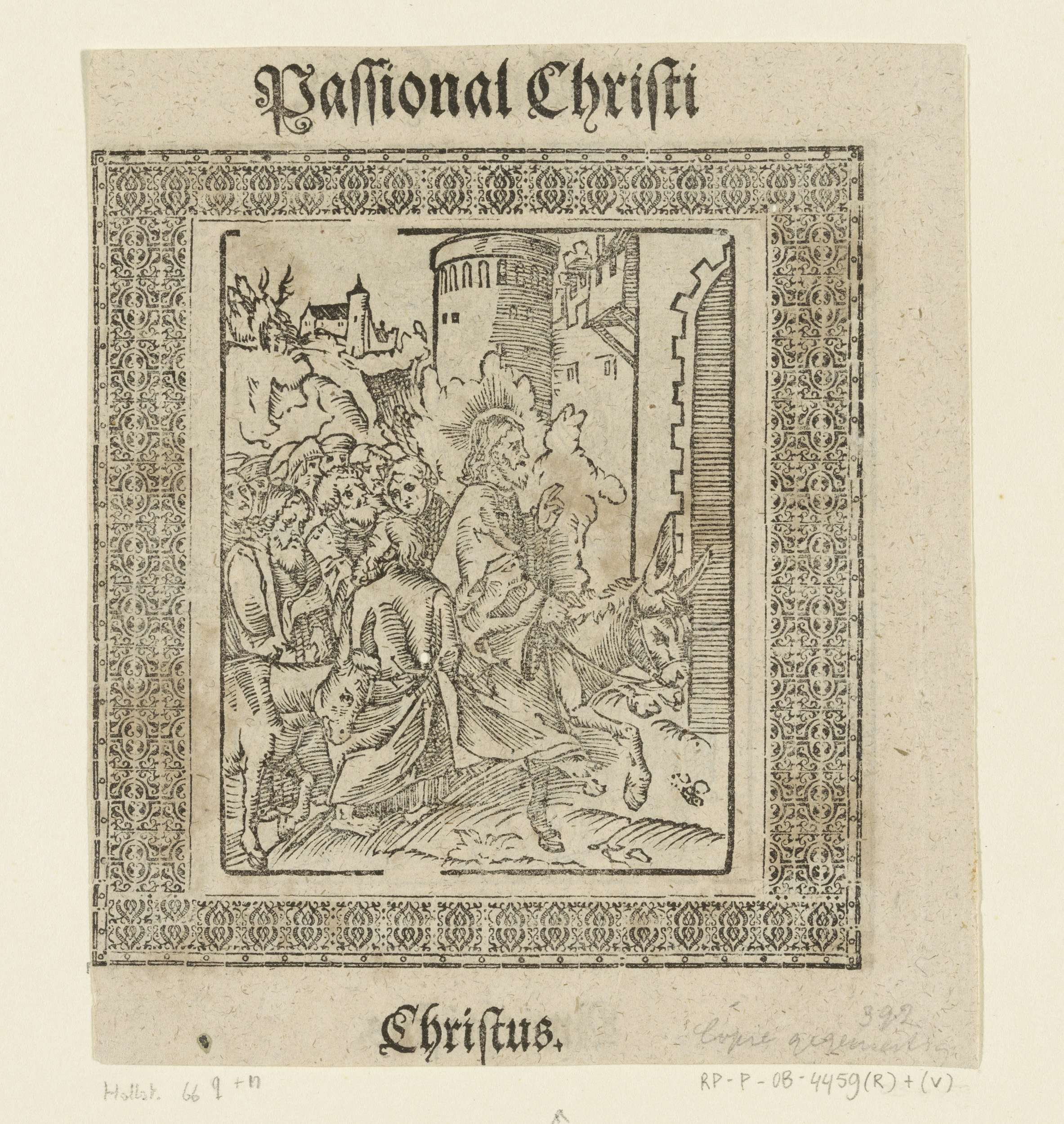
Could a single brushstroke hold eternity? In *Intocht van Christus in Jerusalem*, the weight of balance—between chaos and serenity, devotion and doubt—transcends the confines of the canvas. Look to the center of the composition where Christ, adorned in rich, vibrant robes, commands attention. His presence radiates a profound calm, counterbalancing the animated figures surrounding him. Notice how the light cascades from the left, illuminating his face while casting shadows that deepen the intensity of the crowd’s gestures. The use of color—particularly the earthy tones juxtaposed with the bright reds and blues—enhances the emotional gravitas of the scene, creating a harmonious interplay that invites the viewer to linger. Deeper insights reveal a complex tapestry of emotions woven through the figures' expressions. The exuberance of the crowd is palpable—a mixture of joy, awe, and fervor—but beneath this, one can sense the undercurrents of doubt and foreboding. The juxtaposition of Christ's serene demeanor against the fervent gestures of the throng highlights a tension: faith amidst uncertainty. Each face tells its own story, reflecting hope and trepidation, creating a collective moment that resonates through time. Cranach painted this work between 1521 and 1522 during a period marked by the Reformation’s tumultuous questioning of faith and authority. Working in Wittenberg, he was closely linked to Martin Luther and the ideas of the time, capturing the intersection of spirituality and fervent belief. This scene, a significant biblical event, served as both a reflection of contemporary struggles and a celebration of divine promise, marking an important evolution in the portrayal of religious themes in art.