Christus en de Samaritaanse vrouw — History & Analysis
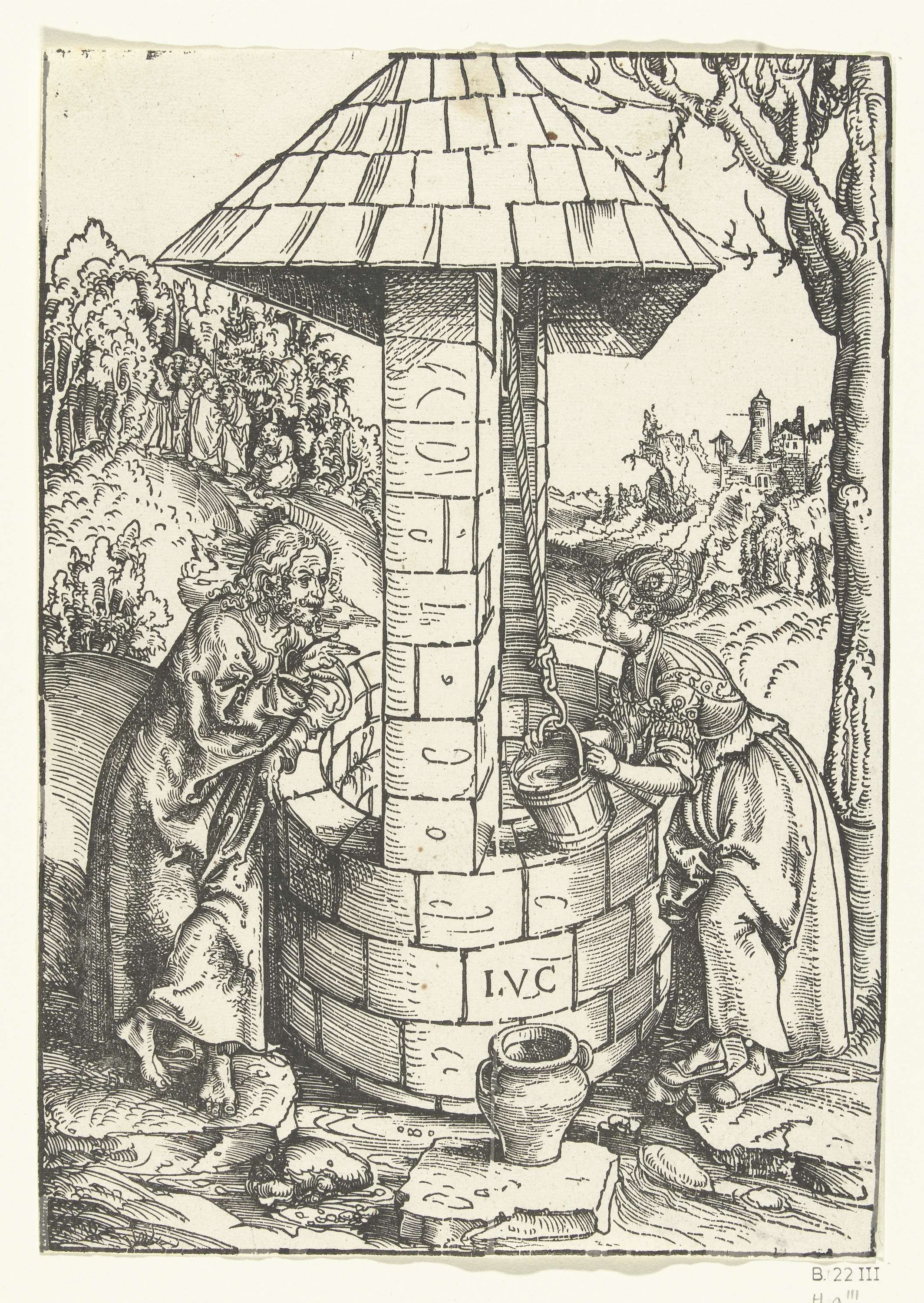
What if silence could speak through light? In the realm of *Christus en de Samaritaanse vrouw*, that silence resonates with an ethereal eloquence, weaving a narrative that transcends the canvas. Look to the center where the two figures stand — Christ, draped in deep, serene reds, and the Samaritan woman, dressed in earthy tones. The contrasting color palette amplifies their emotional states: the vibrant hues of Christ suggest divine presence, while the softer tones of the woman evoke a sense of humility and introspection. Notice how the artist has captured the moment of interaction, with delicate brushwork rendering the gentle gestures and expressions that convey a moment of revelation. Delve deeper into the hidden meanings; the water jug, poised at the woman's side, symbolizes her thirst for both physical and spiritual fulfillment. The interplay of light casts a soft glow upon their faces, creating a visual metaphor for enlightenment. This dialogue is not merely between two figures, but between the realms of humanity and divinity, revealing the essence of compassion and understanding that lies in shared silence. During the time this work was created, Lucas Cranach was rooted in Wittenberg, serving the court of Frederick the Wise. The period was marked by the burgeoning Reformation, where art became a pivotal tool for expressing faith and personal connection to spirituality. Cranach’s choice to depict this biblical encounter reflects the era’s shift towards intimate and personal interpretations of religious themes.