Dorfwinkel mit Bleiche (village corner with bleach) — History & Analysis
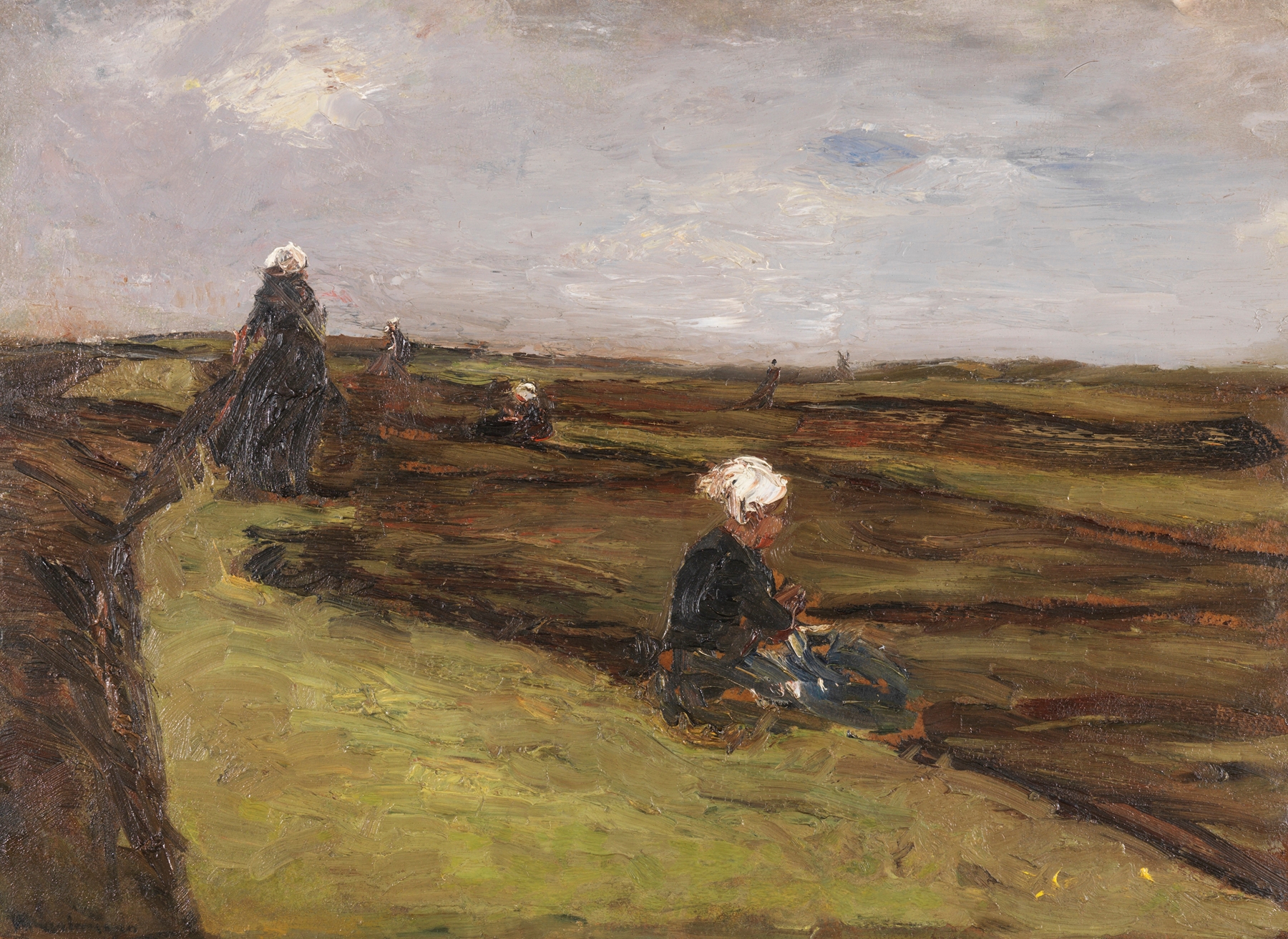
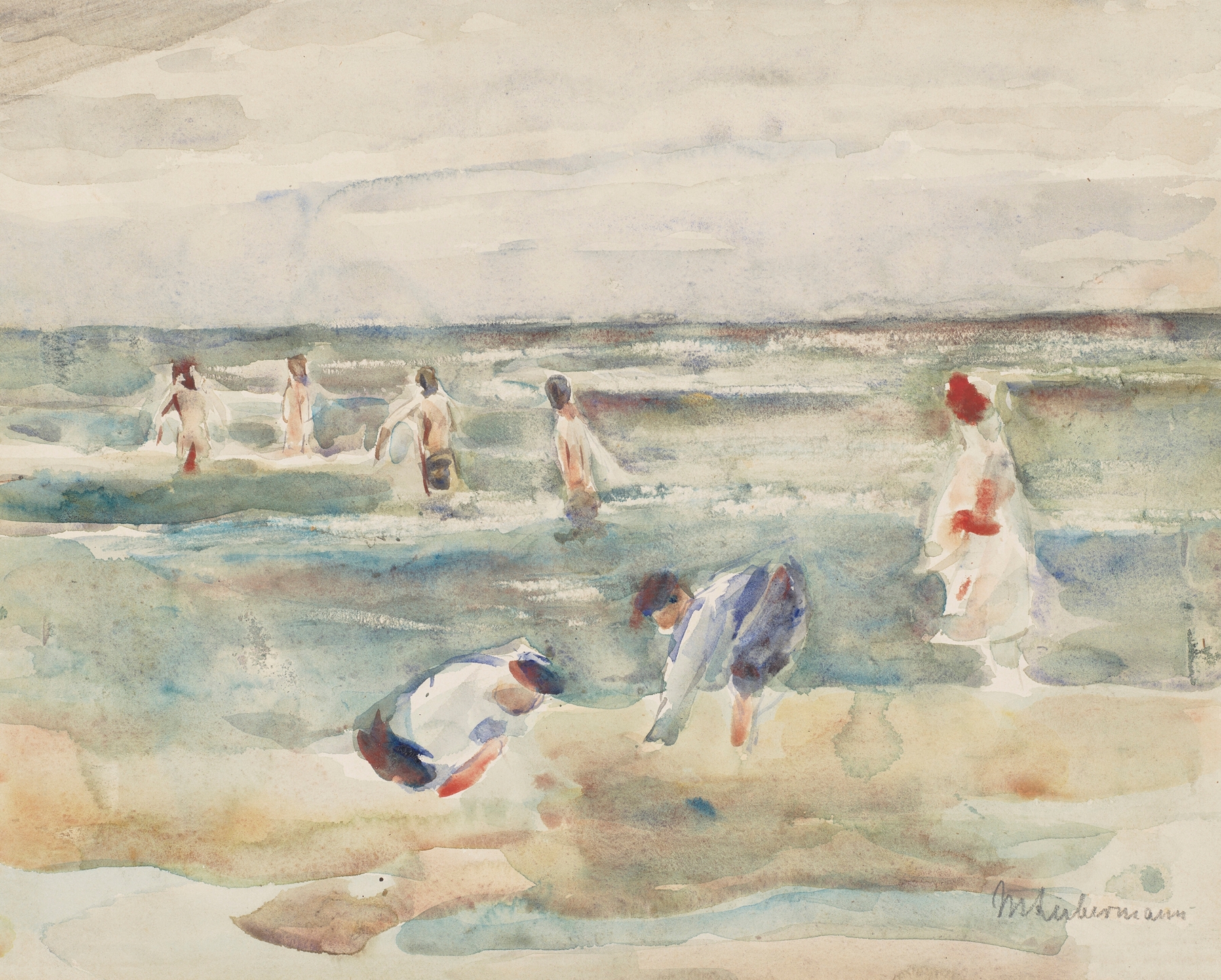
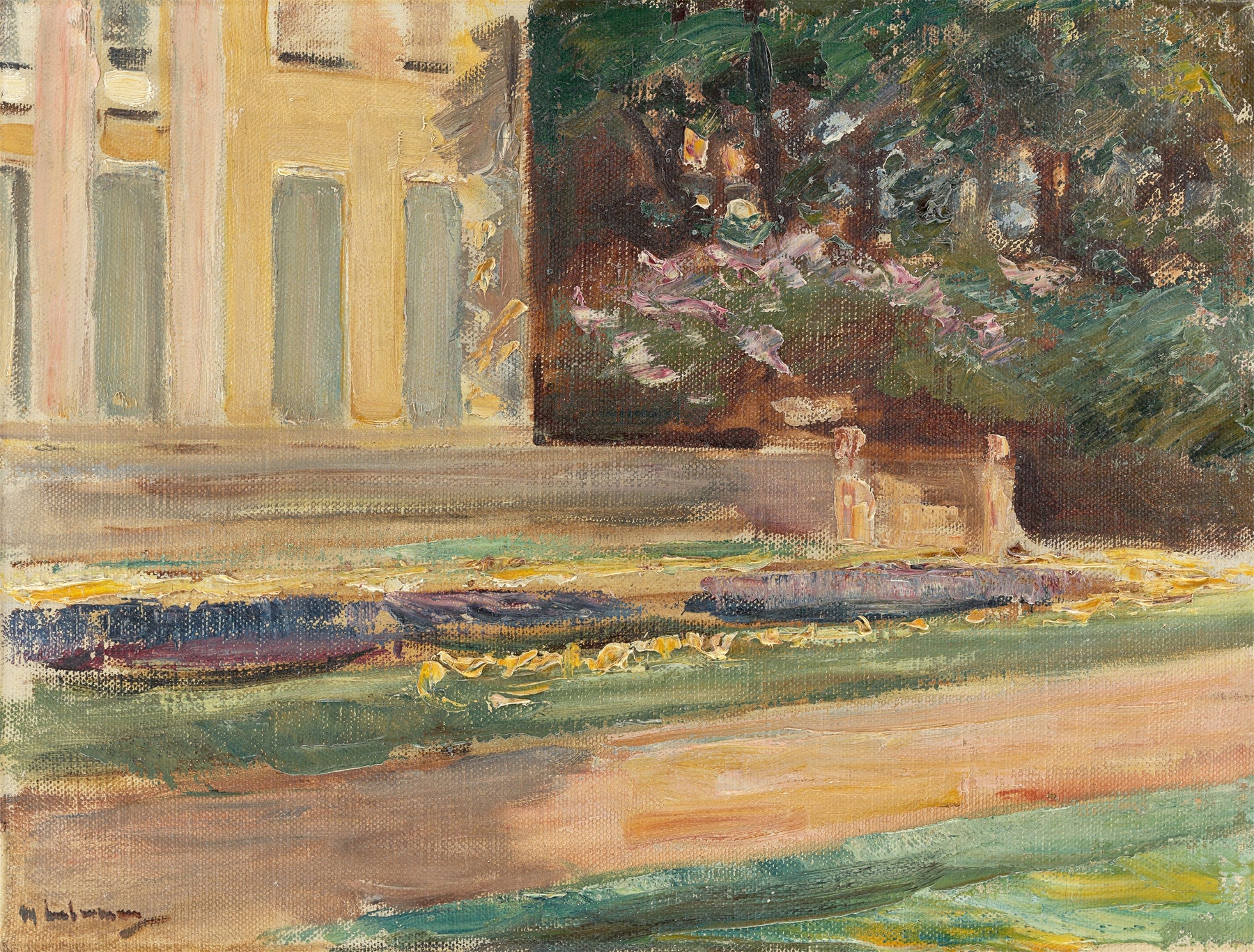
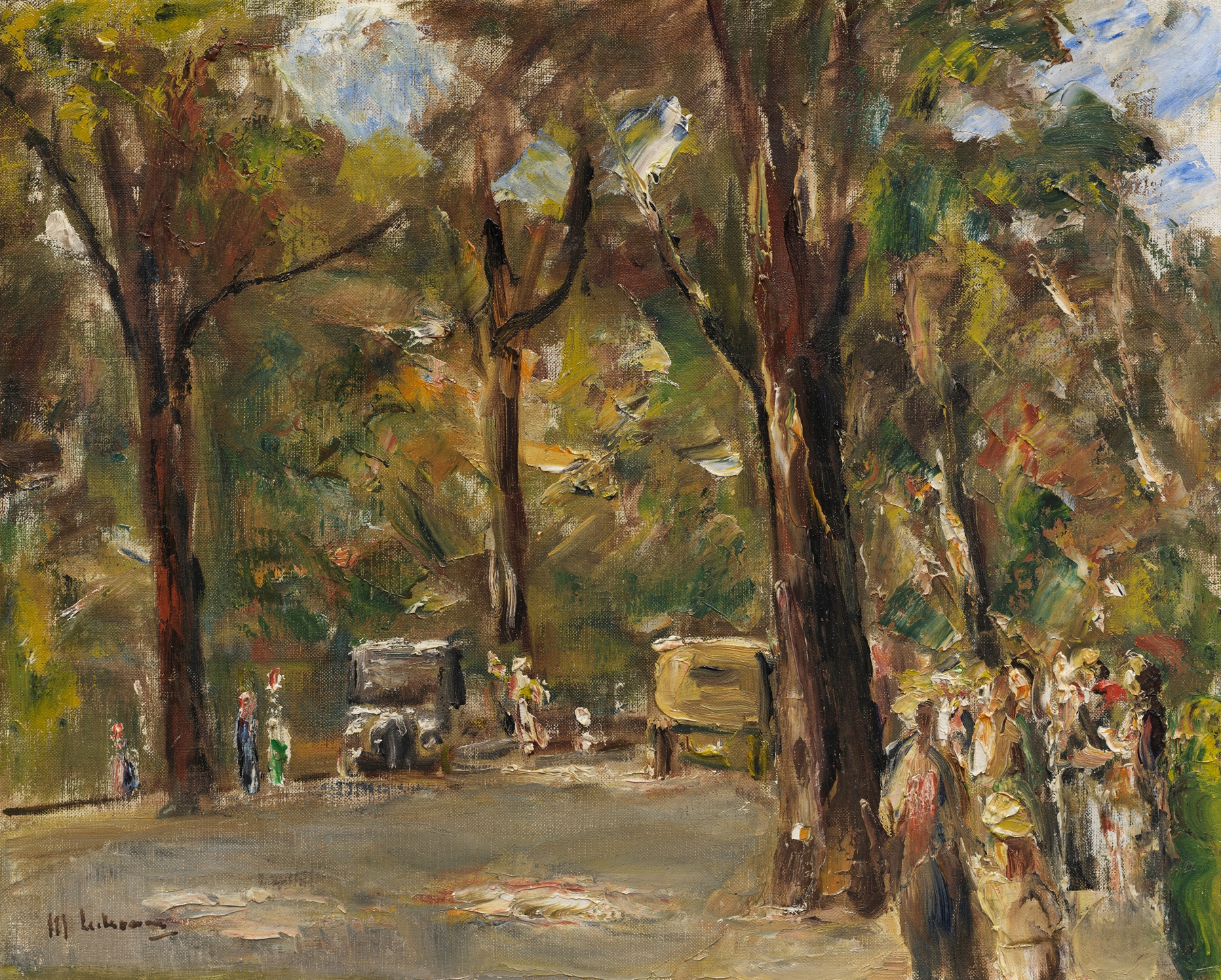
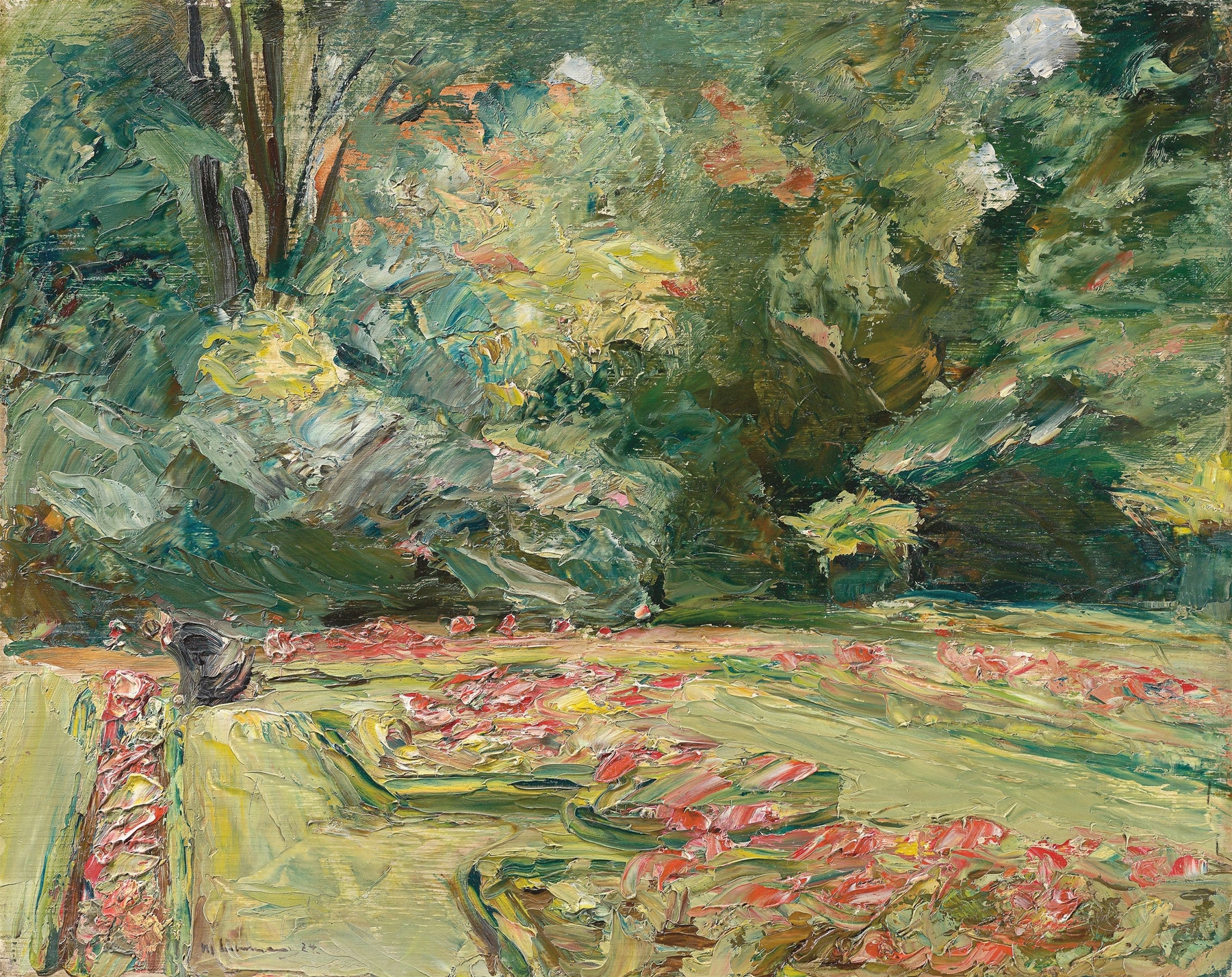
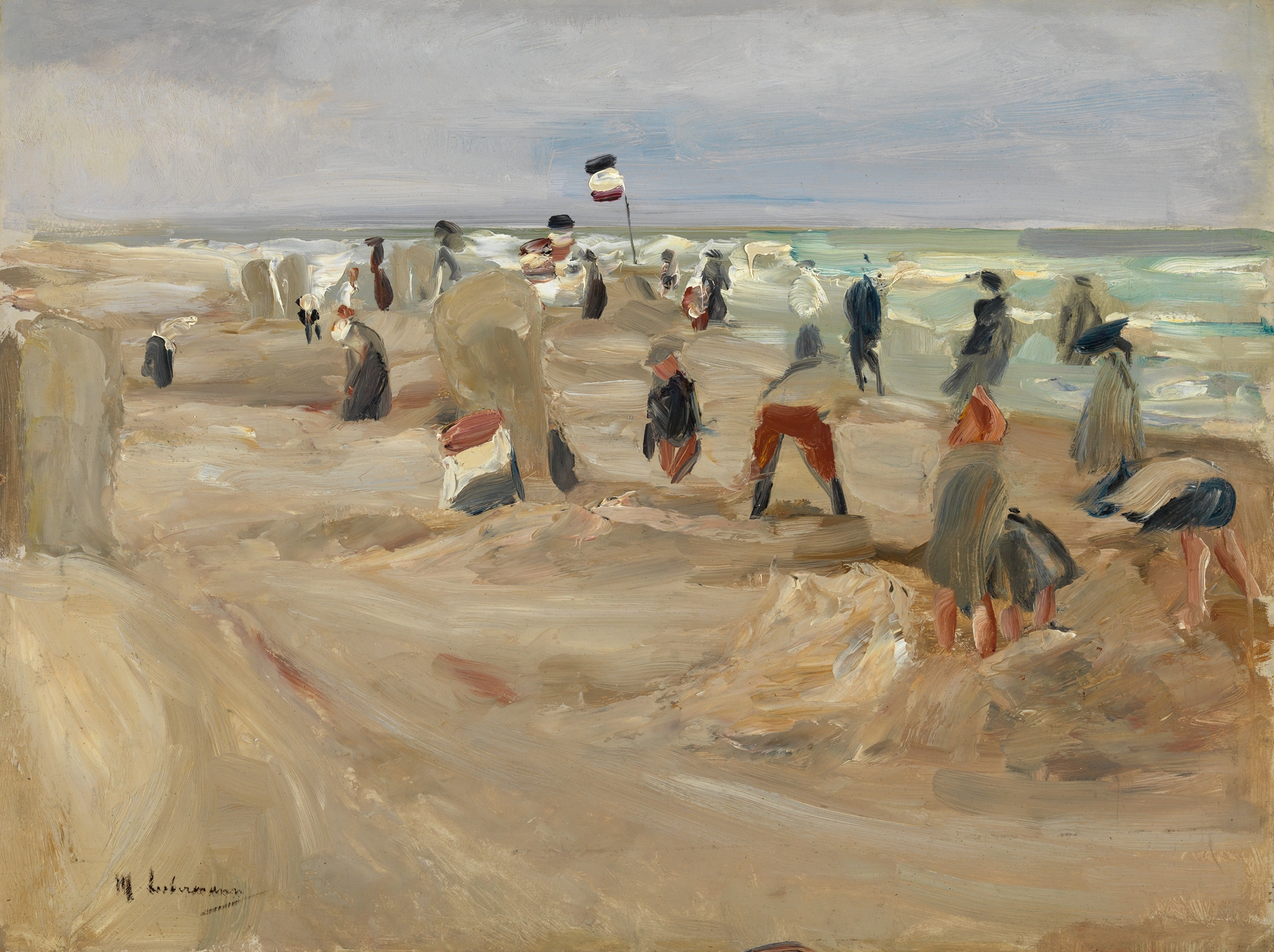
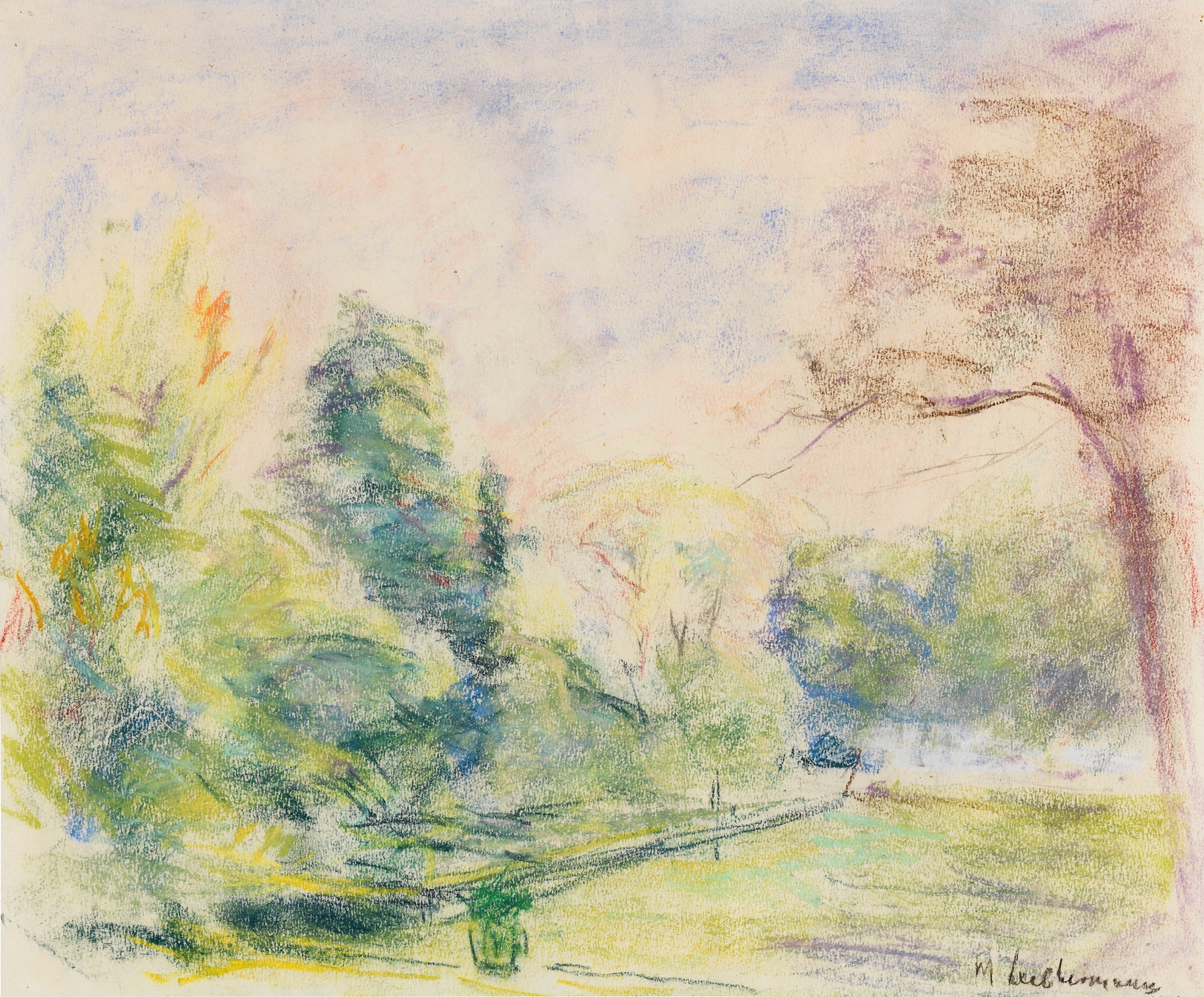
“The canvas doesn’t lie — it simply waits.” In the captured stillness of a village corner, Liebermann presents a moment that both calms and unsettles, revealing an underlying chaos masked by ordinary life. The scene appears serene, yet beneath the surface, tensions of routine and labor pulse with unspoken narratives. Focus on the vibrant interplay of colors—look to the left where sun-drenched fabrics flutter on a line, their vivid hues contrasting against the muted tones of the surrounding structures. Notice how the light falls upon the weathered stone walls, enhancing the textures and contours that define the village’s quiet chaos.
The asymmetry of the composition draws the eye, inviting a deeper exploration of the corners and shadows that cradle this domestic tableau. Upon closer inspection, subtle details emerge that reflect the harmony and discord of everyday existence. The garments, neatly arranged yet flapping in the wind, suggest an interplay between order and disorder, echoing the unpredictability of rural life. The presence of the bleach — a symbol of cleanliness amidst a roughened backdrop — hints at an aspiration for purity that is perpetually challenged by the messiness of reality, embodying the struggle between the idyllic and the mundane.
Max Liebermann painted Dorfwinkel mit Bleiche in 1905 while situated in Germany, a period when Impressionism was influencing artists to capture daily life with fresh perspectives. During this time, he was exploring themes of rural existence, reflecting the changes in society as industrialization encroached on traditional lifestyles. This work stands as a testament to his commitment to portraying the intimate and often chaotic beauty of the ordinary.