Drie Nederlandse oorlogsschepen — History & Analysis
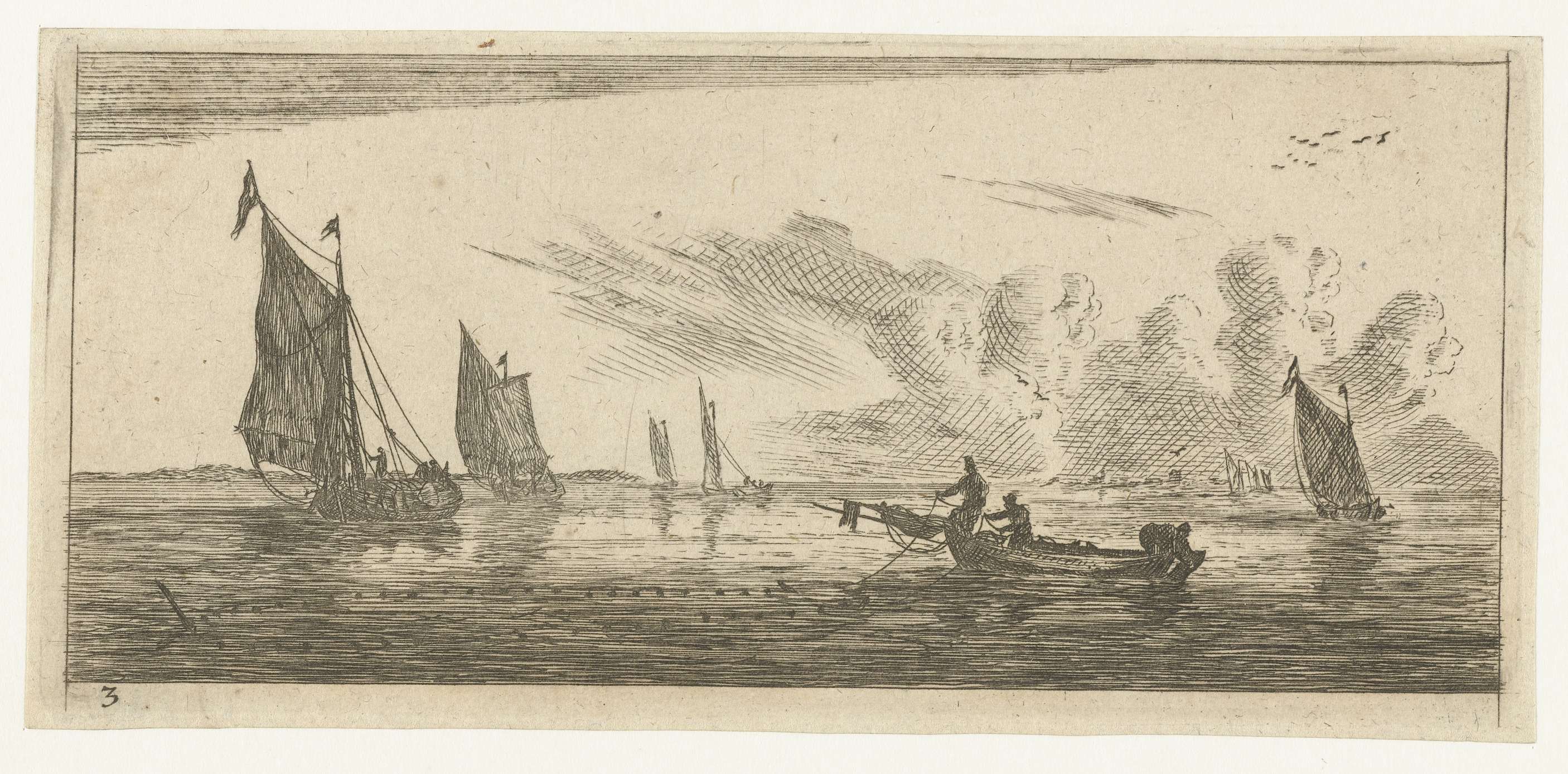
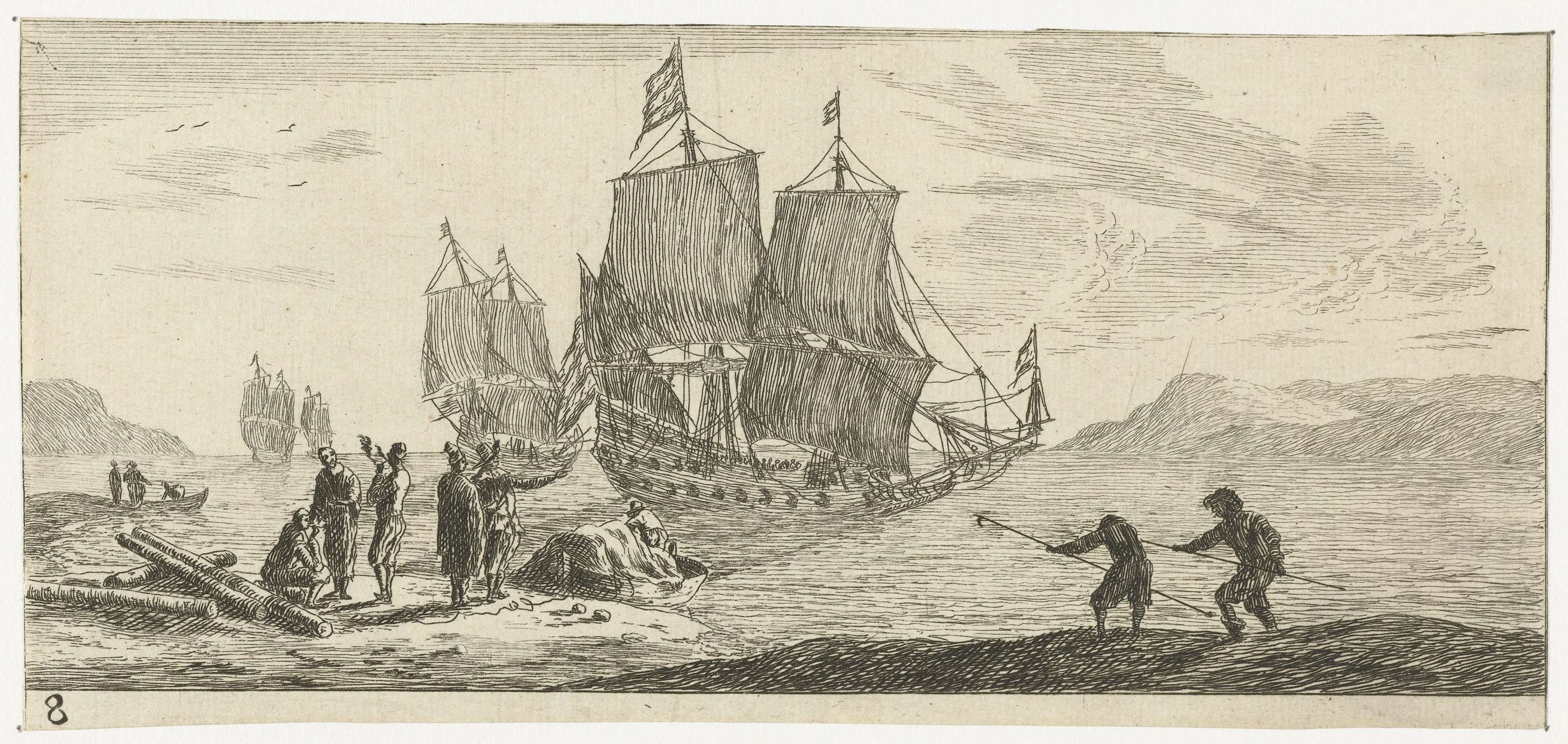
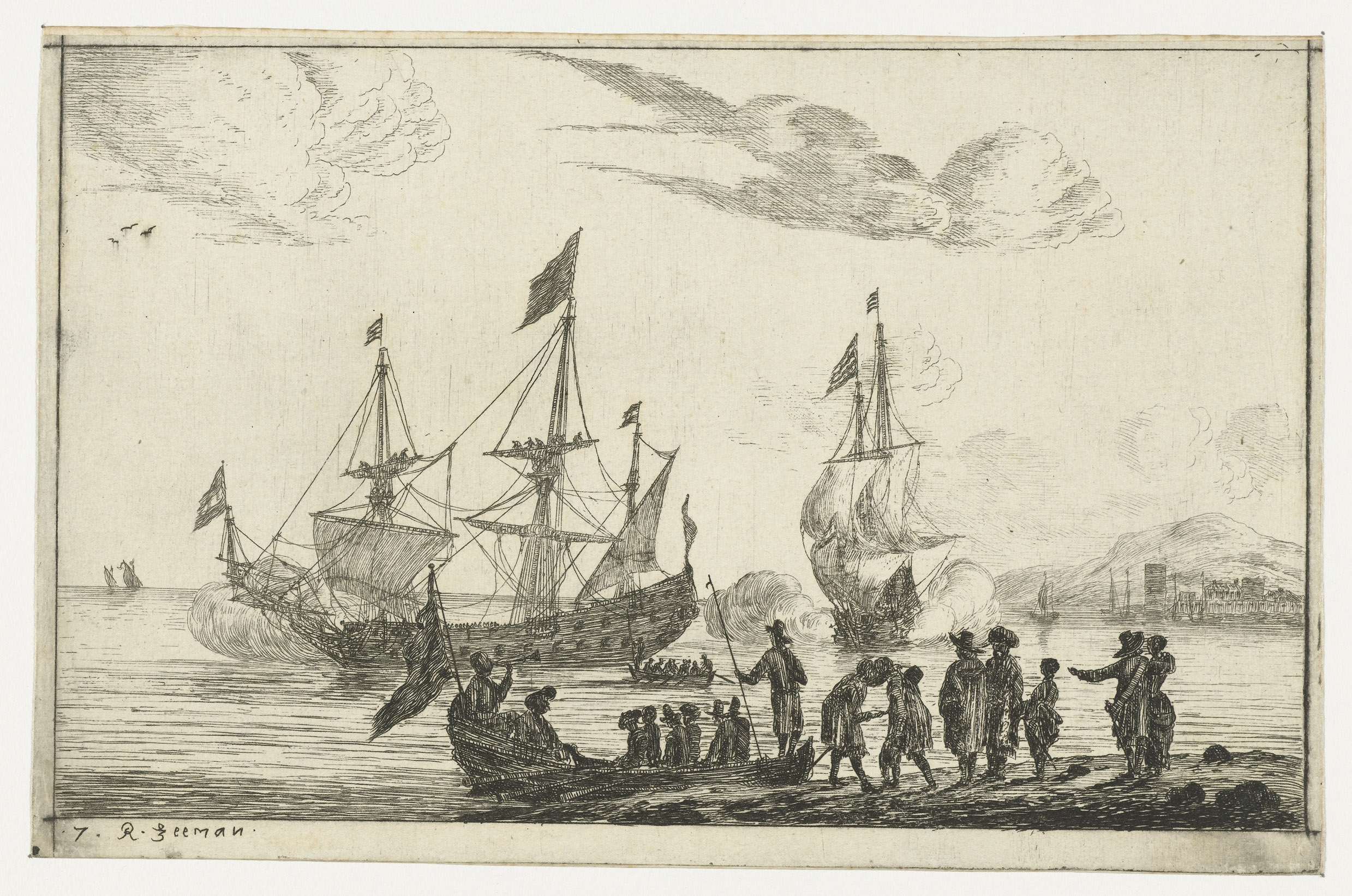
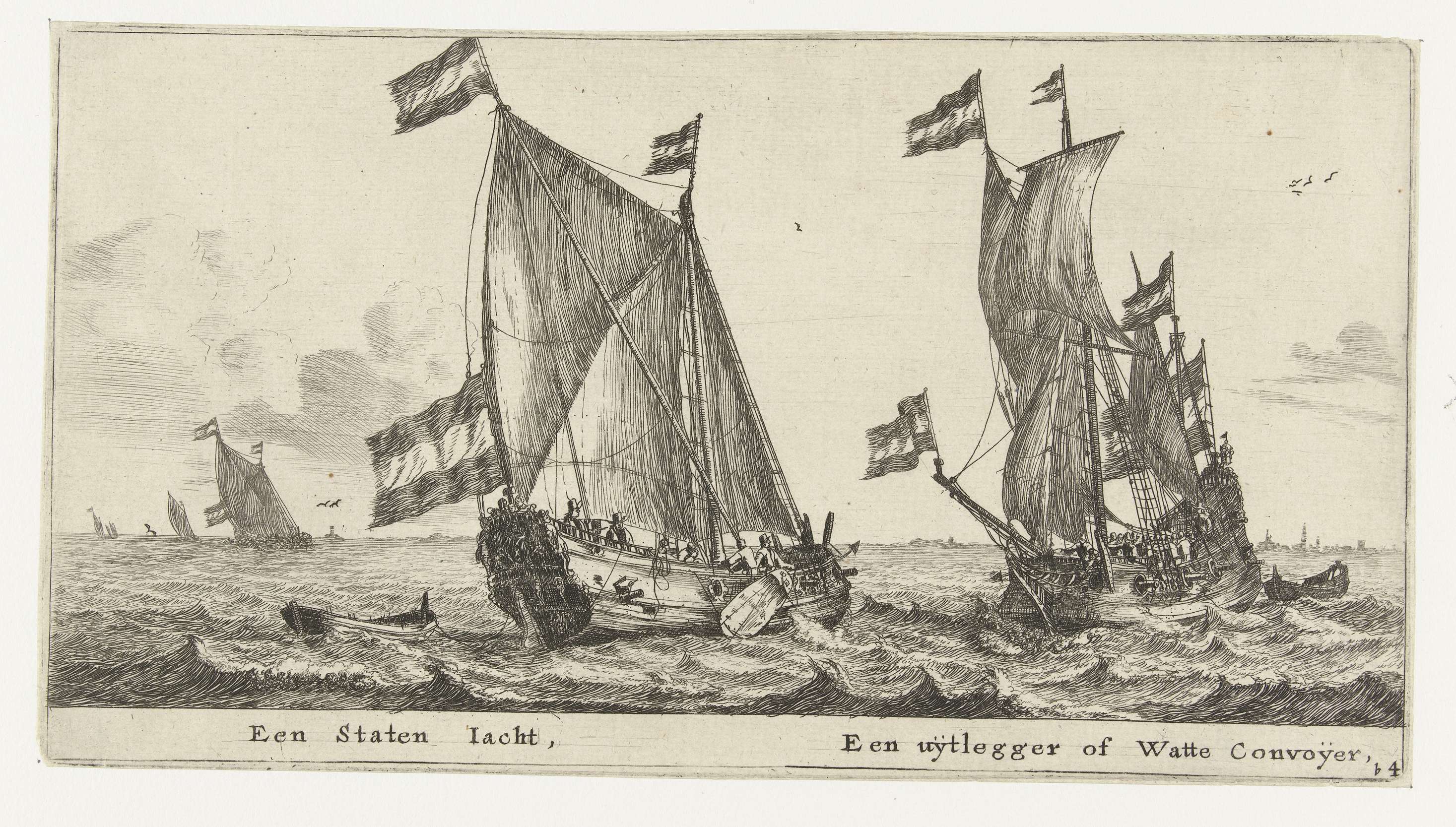
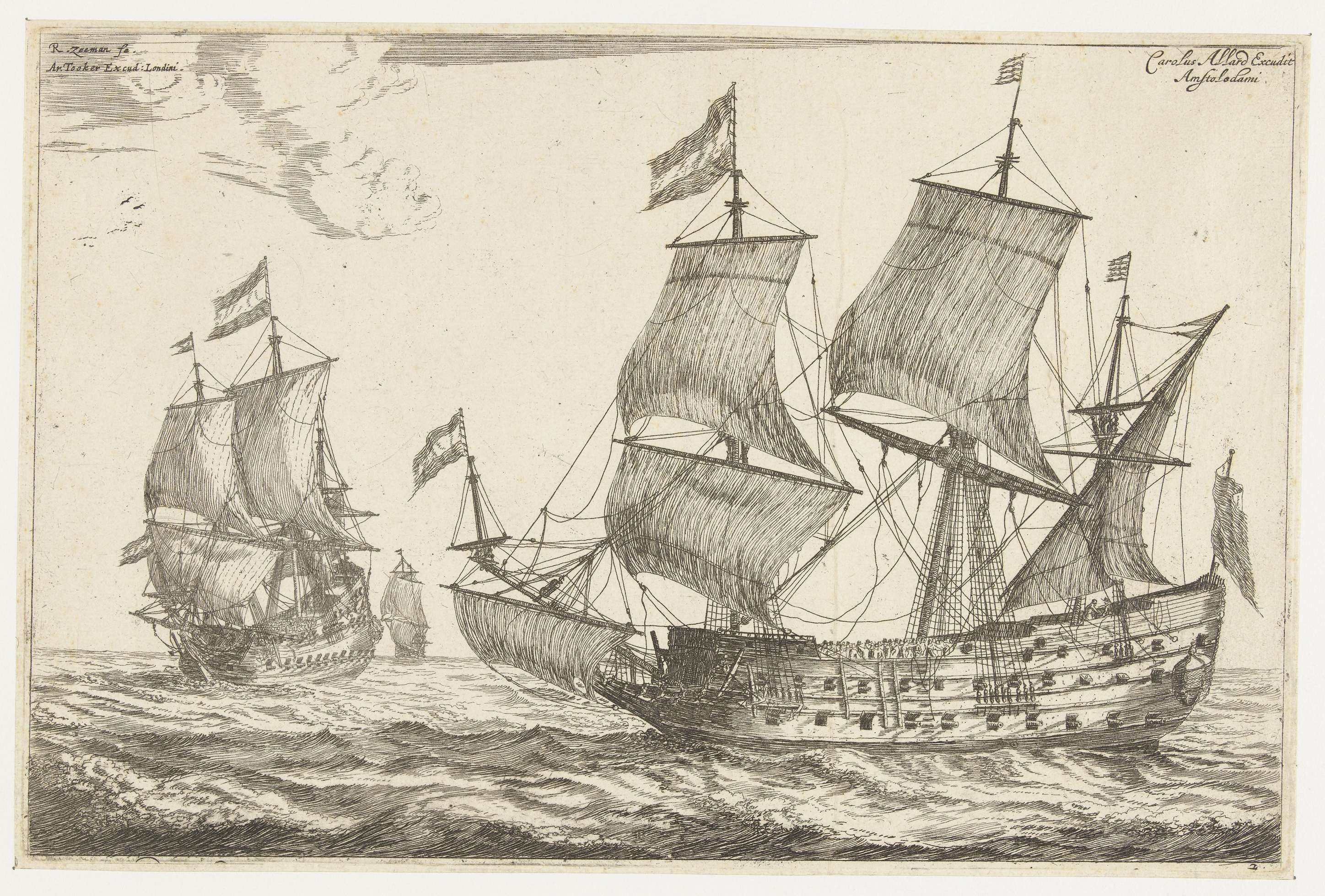
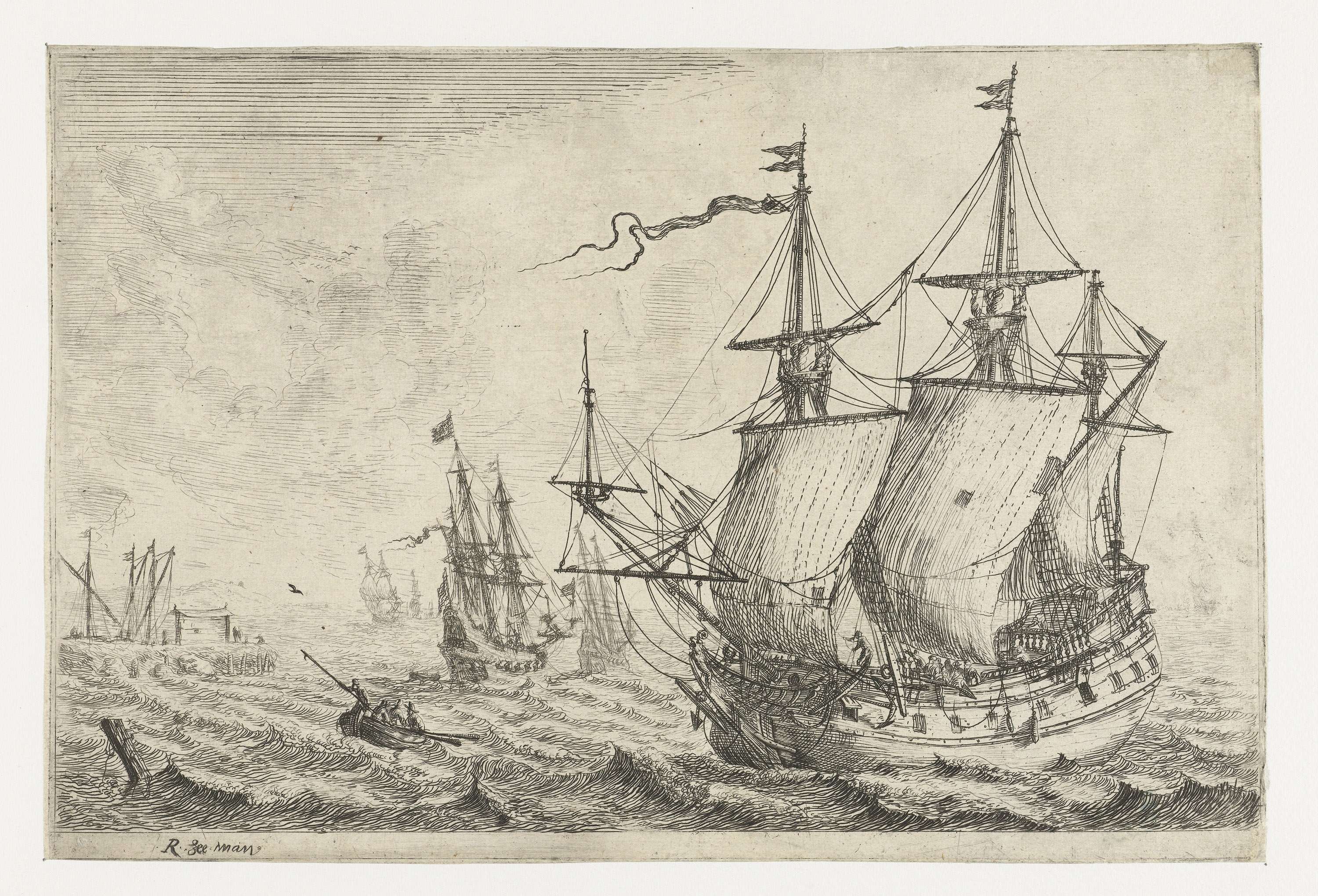
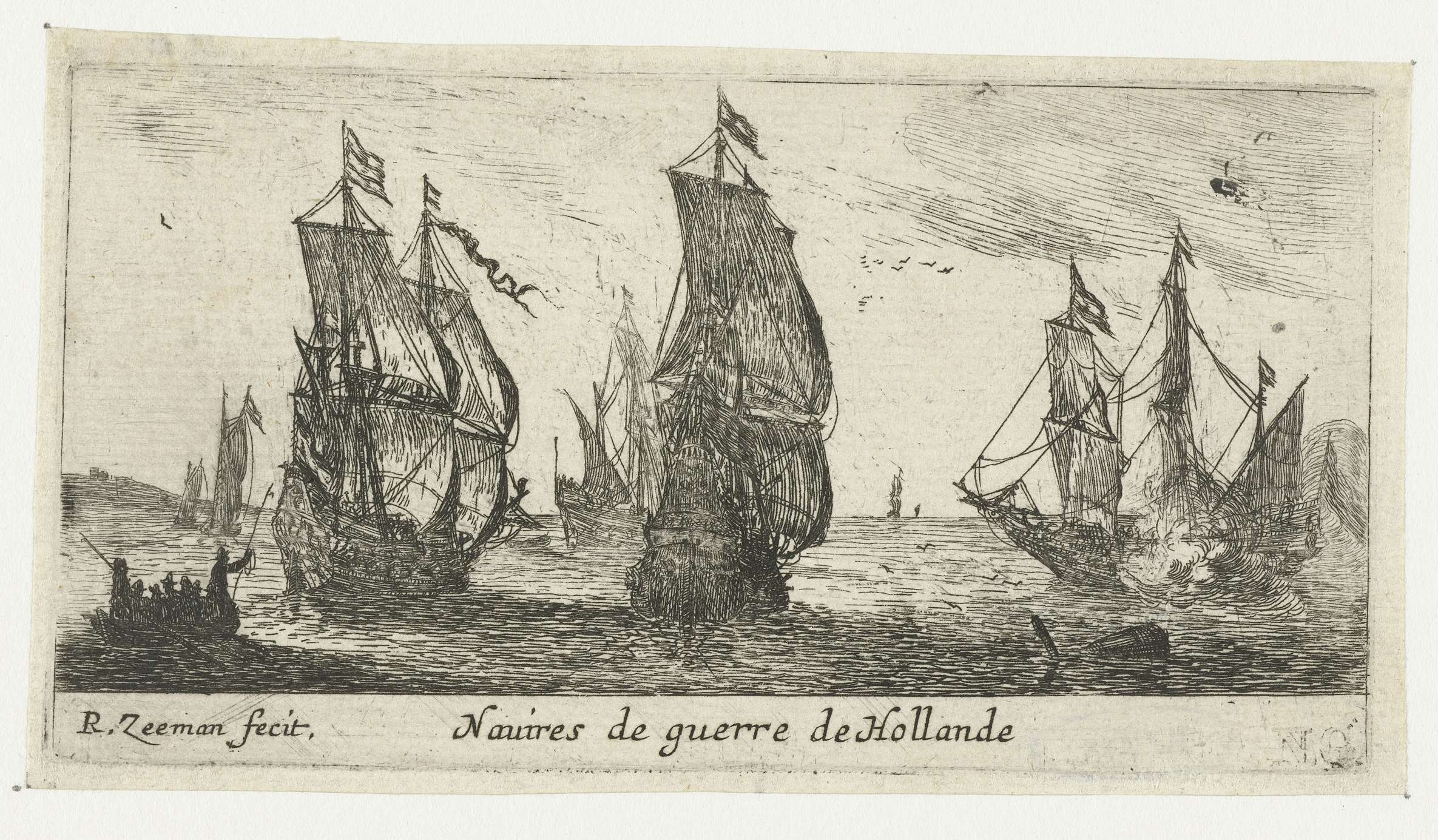
“Sometimes beauty is just pain, disguised in gold.” Such a paradox lingers in the depths of Reinier Nooms’ work, where the tumult of war hides beneath a serene facade. As the eye dances across the canvas, one cannot help but reflect on the thin line between madness and artistry. Look to the left at the three majestic warships, their sails billowing in the breeze, yet the still waters suggest a calmness that belies impending chaos. Notice how Nooms employs a palette of rich blues and earthy browns, illuminating the figures on deck with dappled sunlight that flickers like fleeting thoughts.
The intricate details of the ships' rigging draw the viewer in, while the foreground reveals a cluster of small boats, creating a sense of movement, as if time itself is caught in this moment of anticipation. Within the composition lies a tension between the grandiosity of the warships and the vulnerability of the smaller vessels, hinting at the madness that war brings to both the powerful and the meek. Each ship, adorned with flags, stands as a symbol of national pride, yet the muted hues in the background echo sorrow, suggesting that beauty can coexist with the chaos of human conflict. The juxtaposition of these elements forces us to confront the duality of glory and despair.
In 1650, during the height of the Dutch Golden Age, Nooms found himself immersed in a world where maritime power and trade flourished, yet the specter of war loomed large. As tensions escalated with rival nations, he painted this piece, capturing both the triumph of naval technology and the underlying madness of conflict. His work reflects the complexities of a society torn between advancement and the brutality inherent in warfare.