Duinrand — History & Analysis
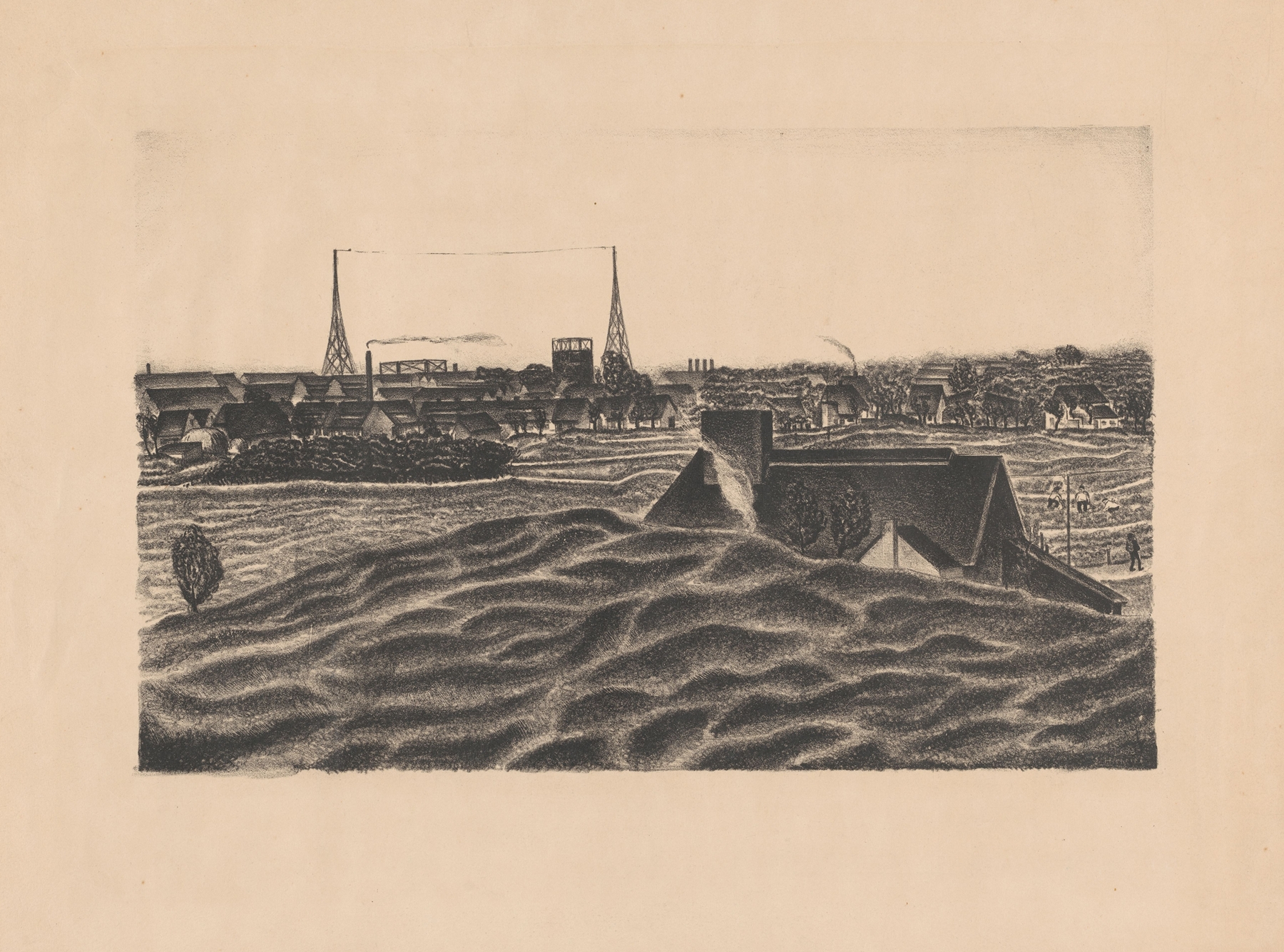
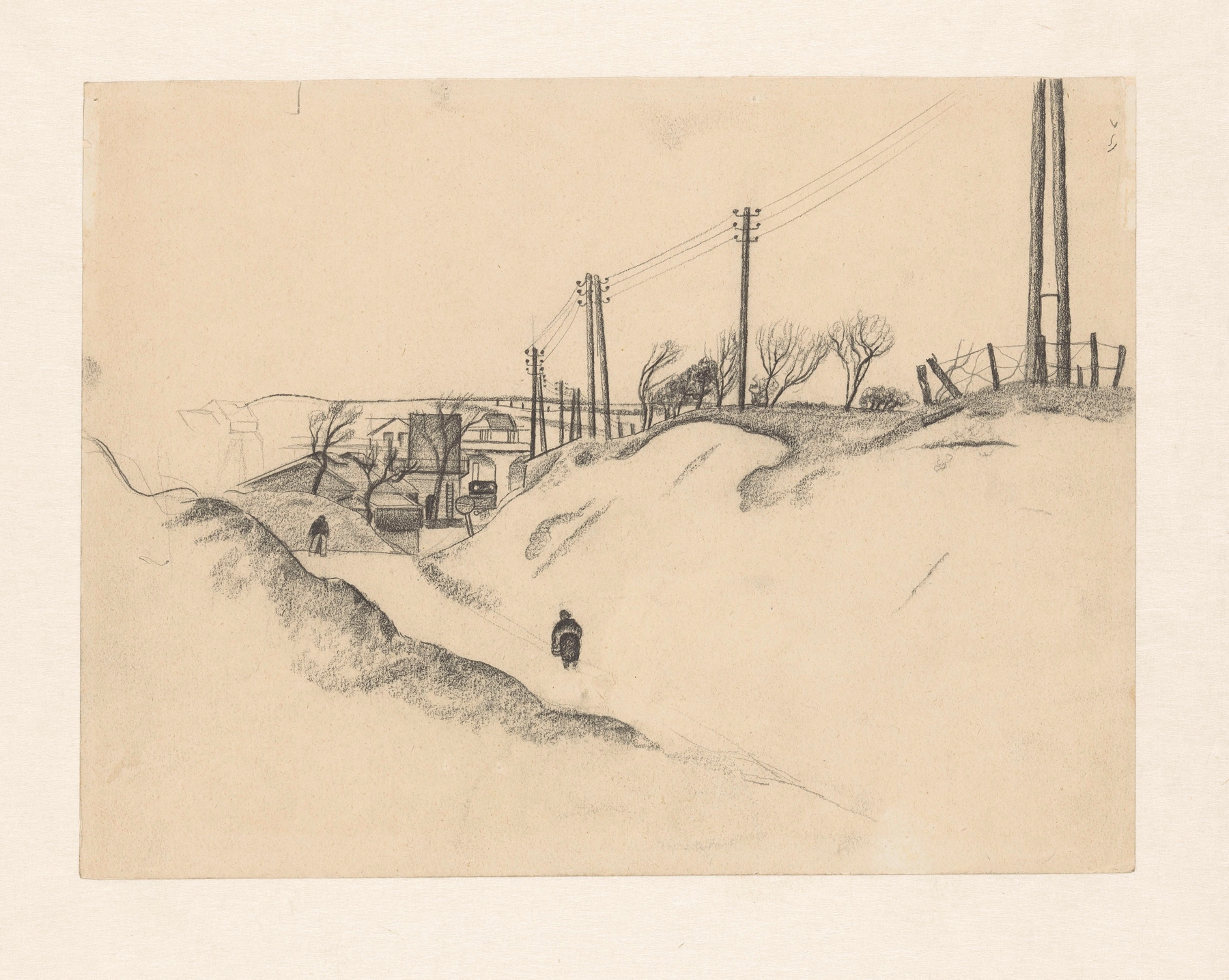
“Art reveals the soul when the world turns away.” In the stillness of a moment, creativity flourishes amidst the chaos of change, capturing the essence of revolution in a single frame. Look to the foreground, where the undulating dunes meet a gentle horizon, painted in soft, muted ochres and blues. The brushstrokes are deliberate yet free, a dance of texture that invites the viewer to wander along the contours of the landscape. Notice how the light plays across the surface, creating depth and warmth, while the sky looms overhead, a tumultuous swirl of clouds hinting at transformation, perhaps mirroring the shifting tides of society.
Hidden within the vast expanse of this seascape is a narrative rich with contrasts. The serene beauty of the dunes contrasts sharply with the turbulent atmosphere above, symbolizing the struggle between stability and upheaval. The quiet brushwork belies the storm brewing in the sky, suggesting that while nature remains constant, human emotions and societal conditions are in flux. Each element of the painting speaks to the complexity of existence, a meditation on the tension between serenity and chaos.
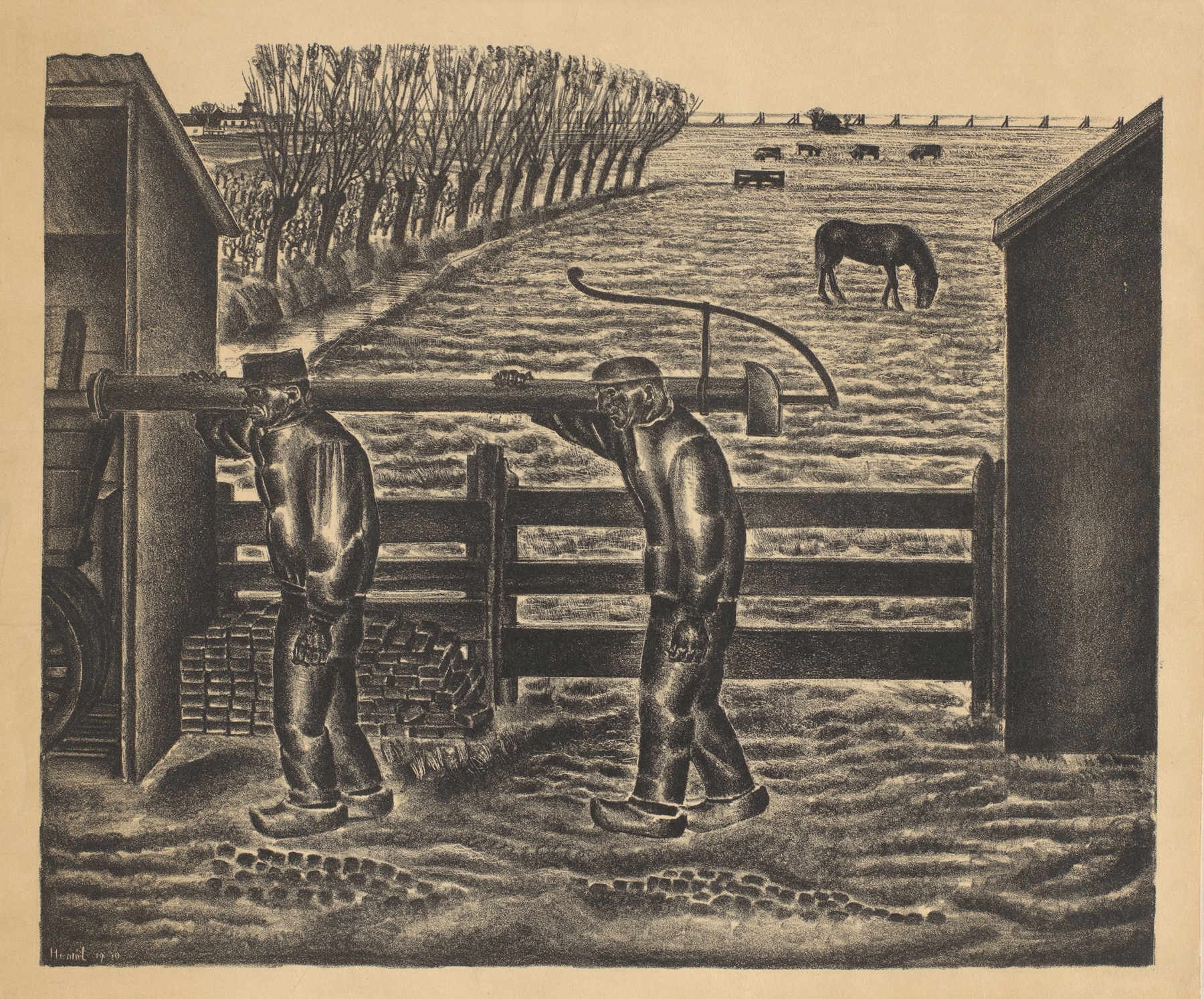
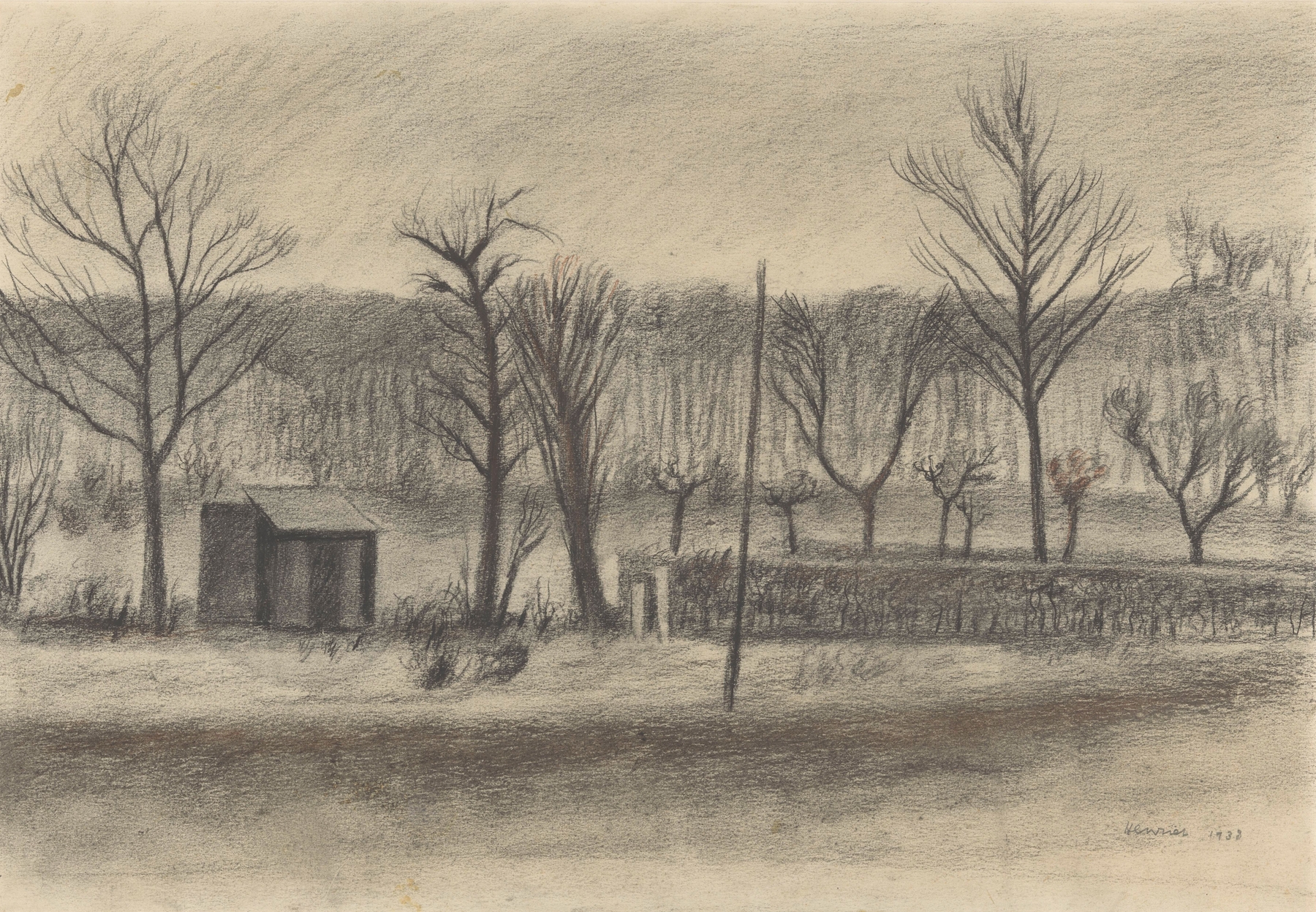
In 1931, Henk Henriët crafted this piece during a time of significant social and political upheaval in Europe. The world was grappling with the aftermath of the Great Depression, and artists sought new ways to express the collective anxieties and hopes of society. Henriët, drawing upon his experiences, channeled this turmoil into Duinrand, a testament to the transformative power of art in uncertain times.