Landschap met mijn — History & Analysis
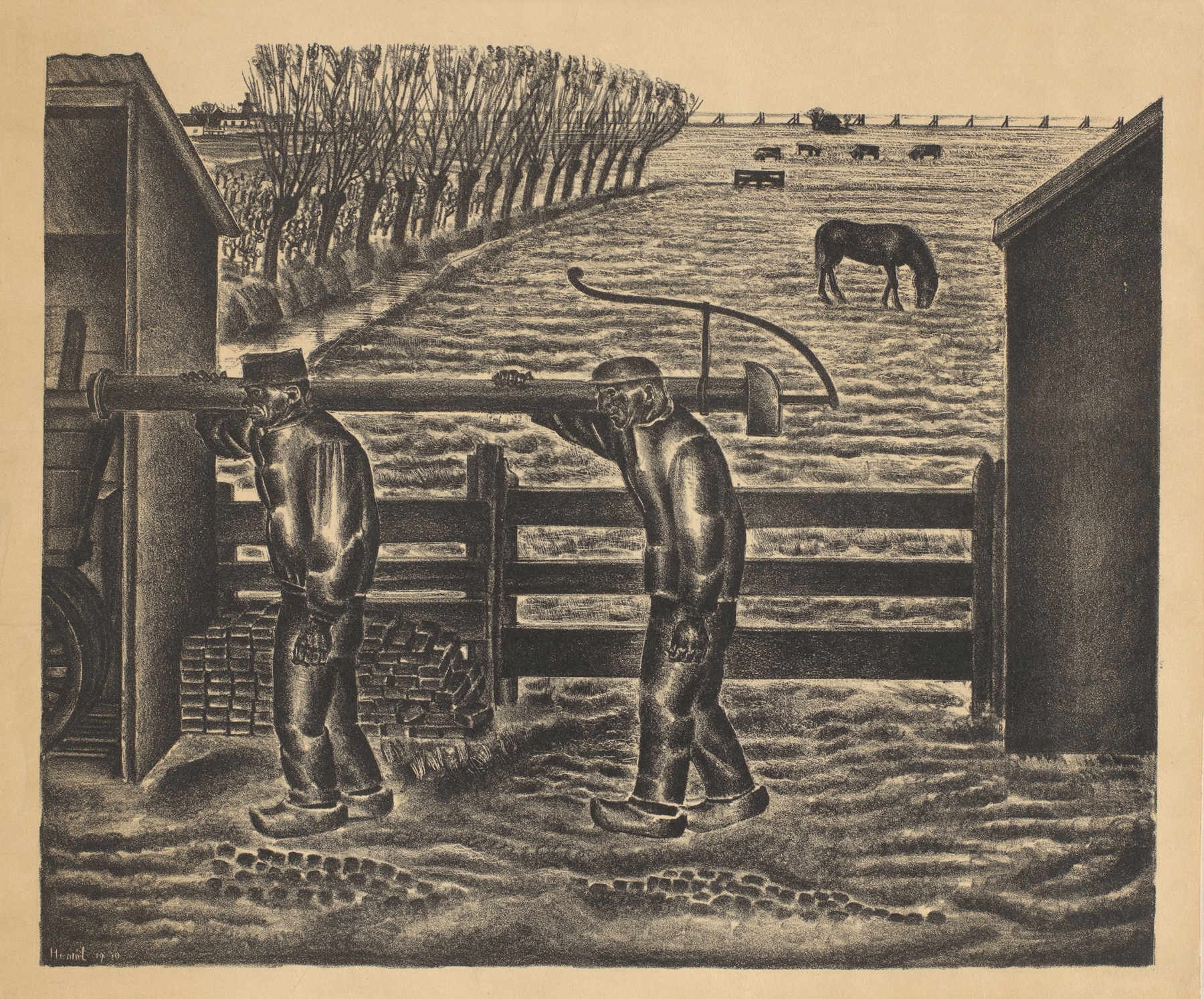
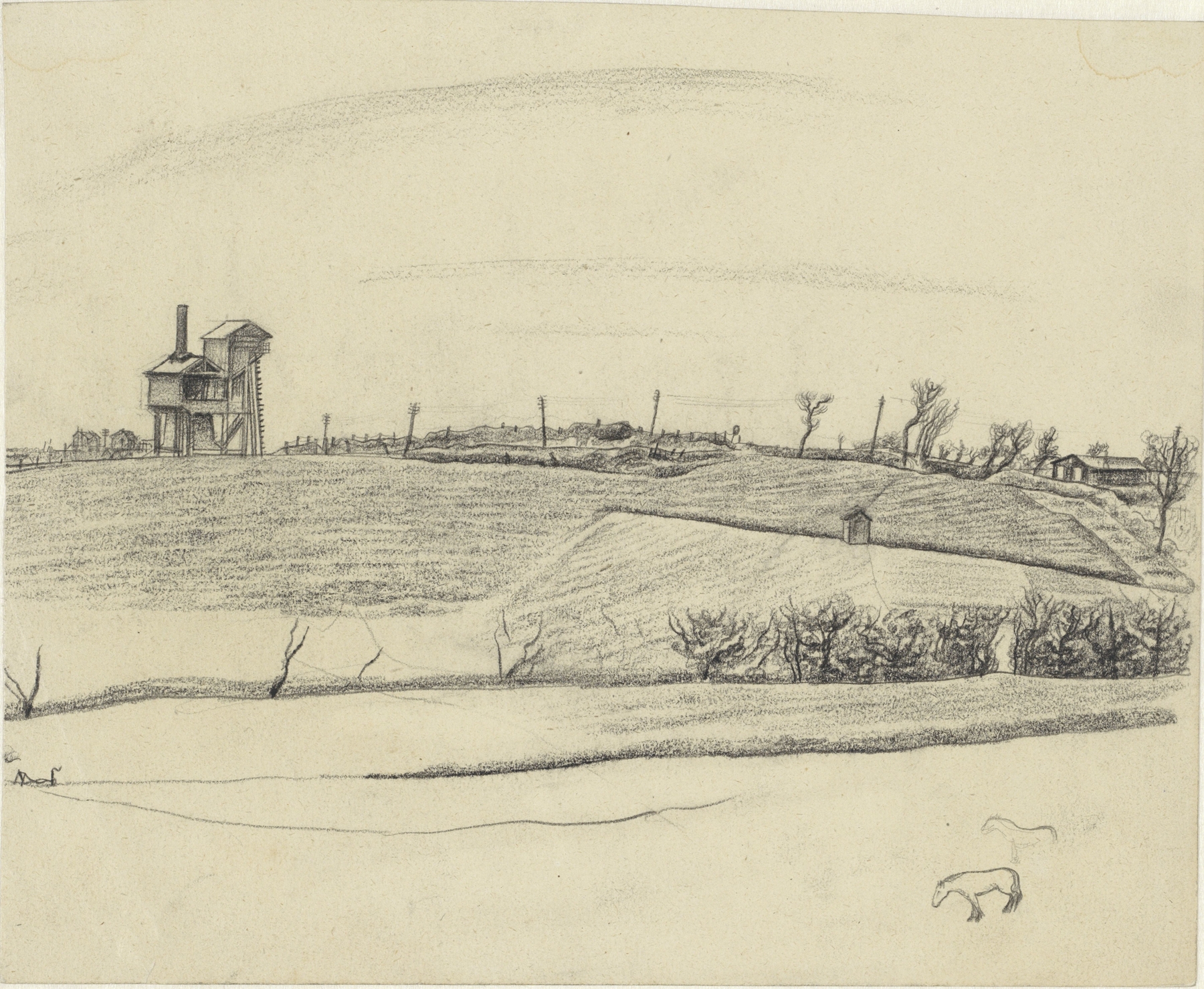
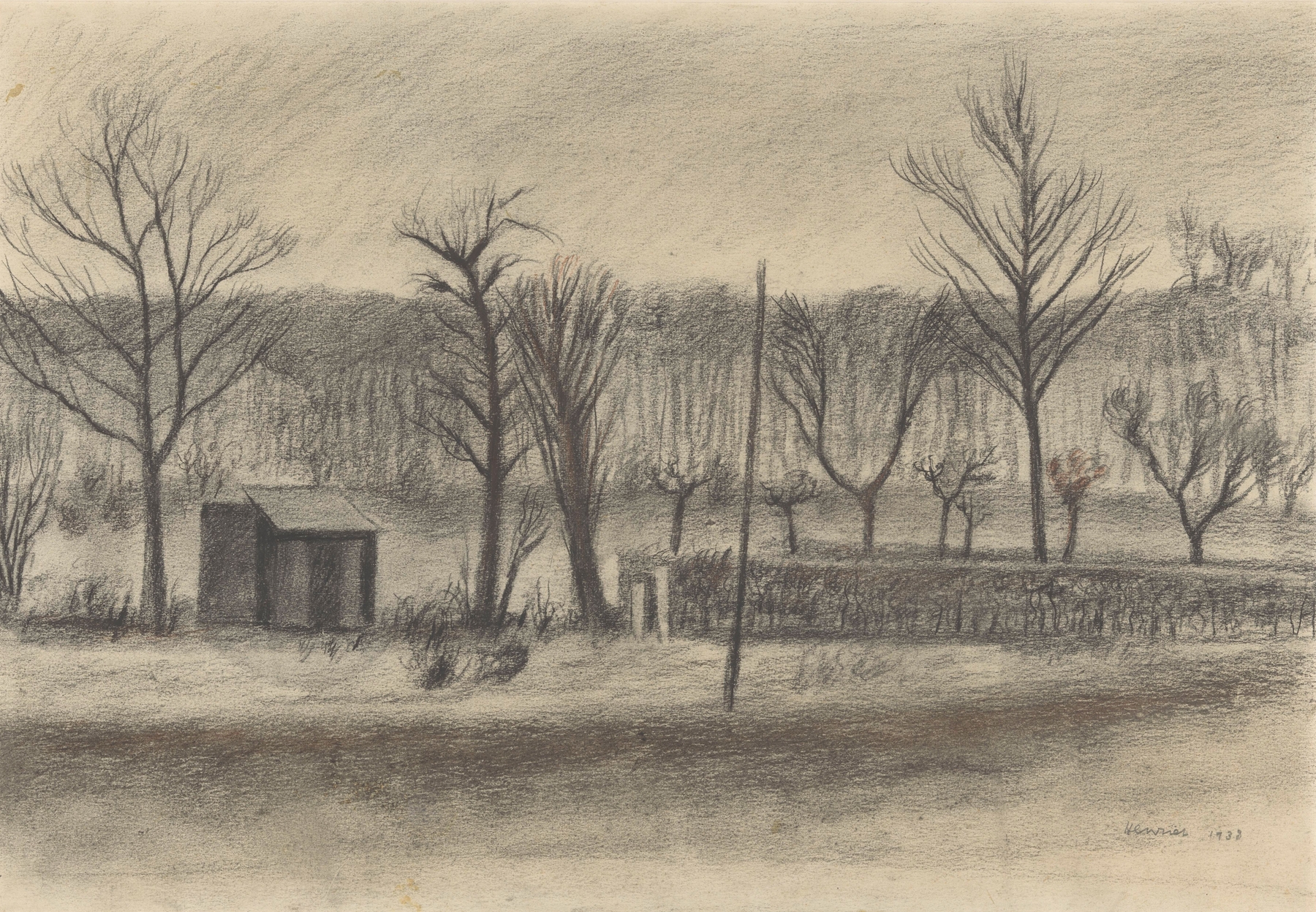
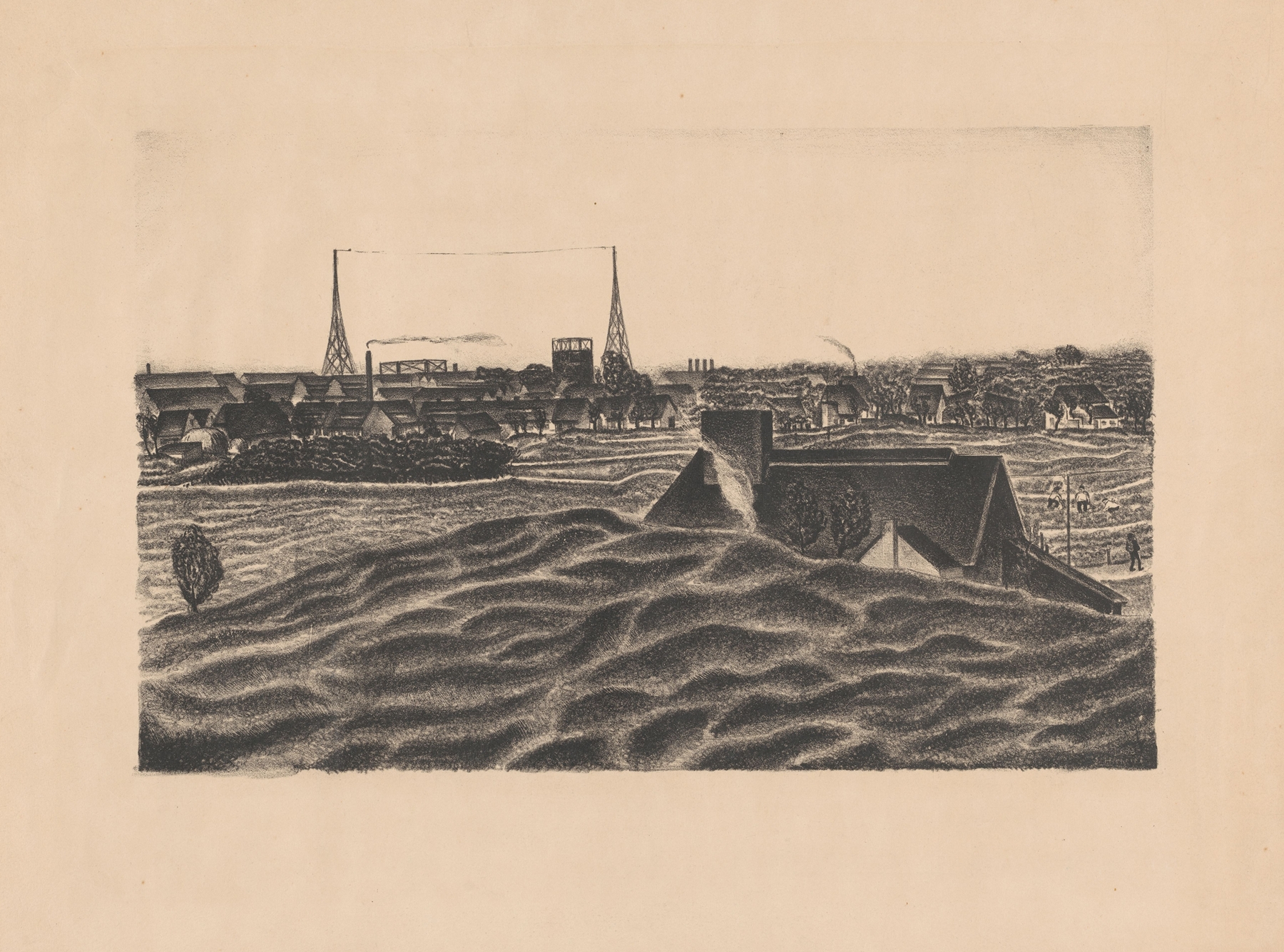
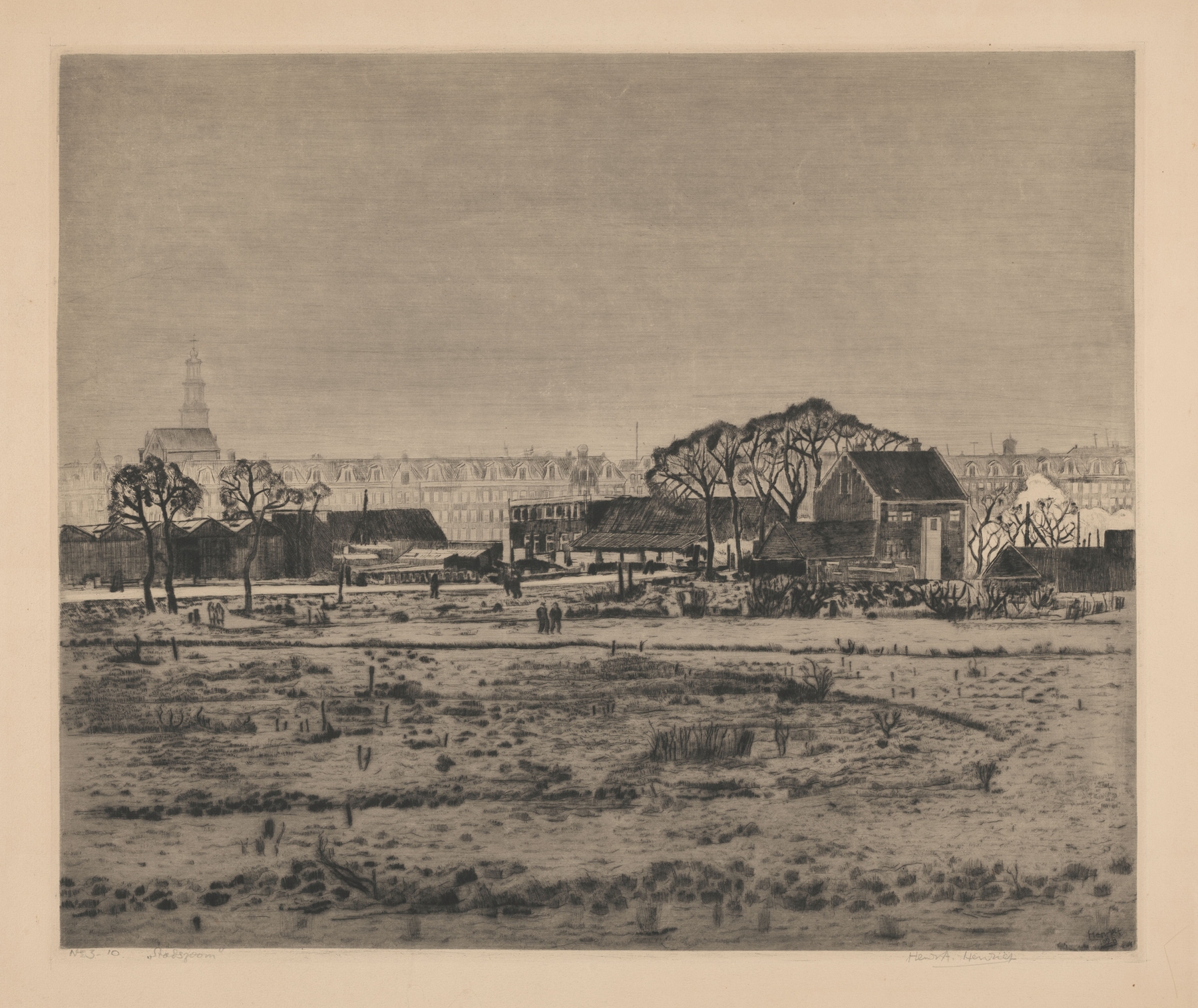
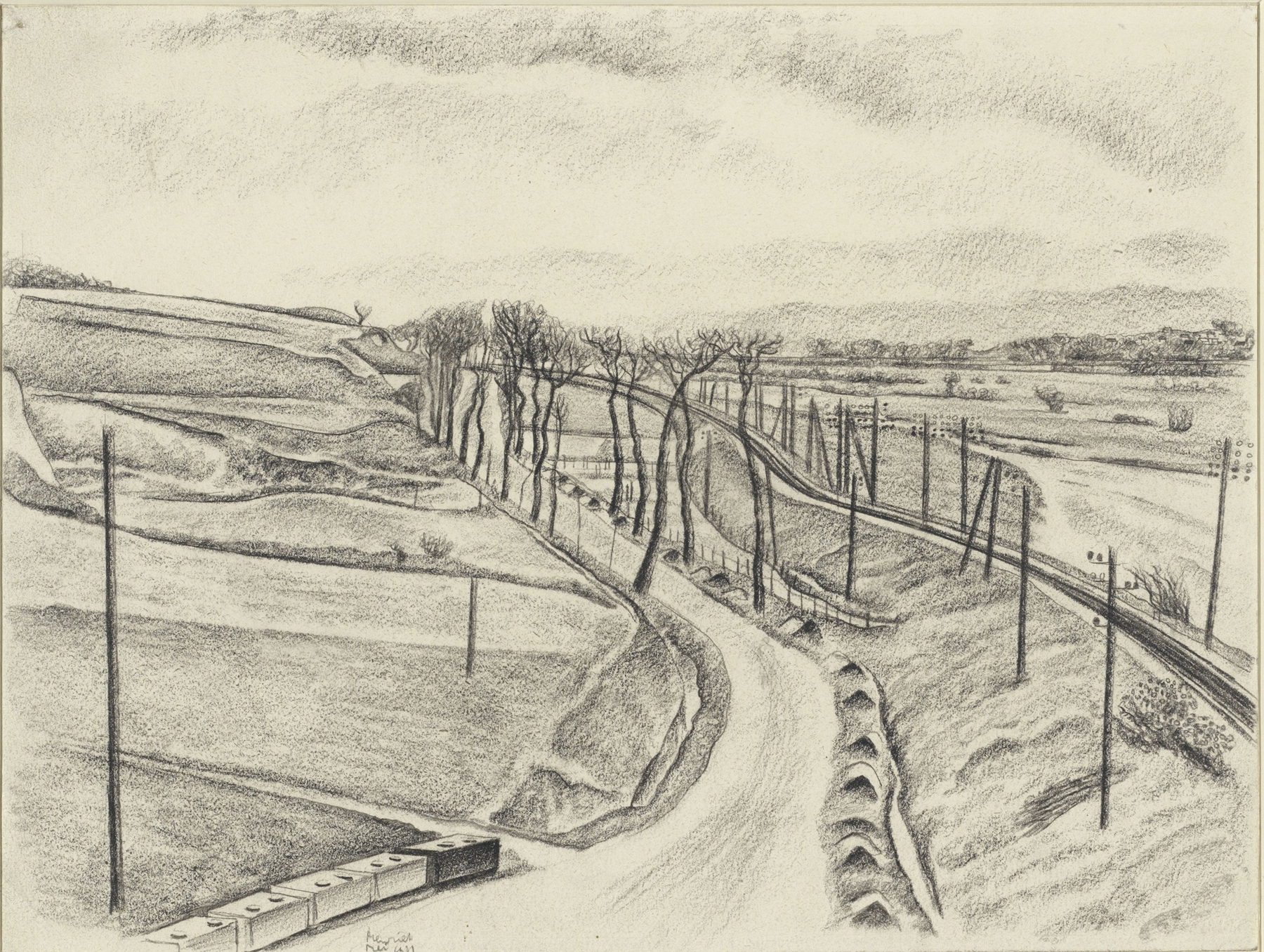
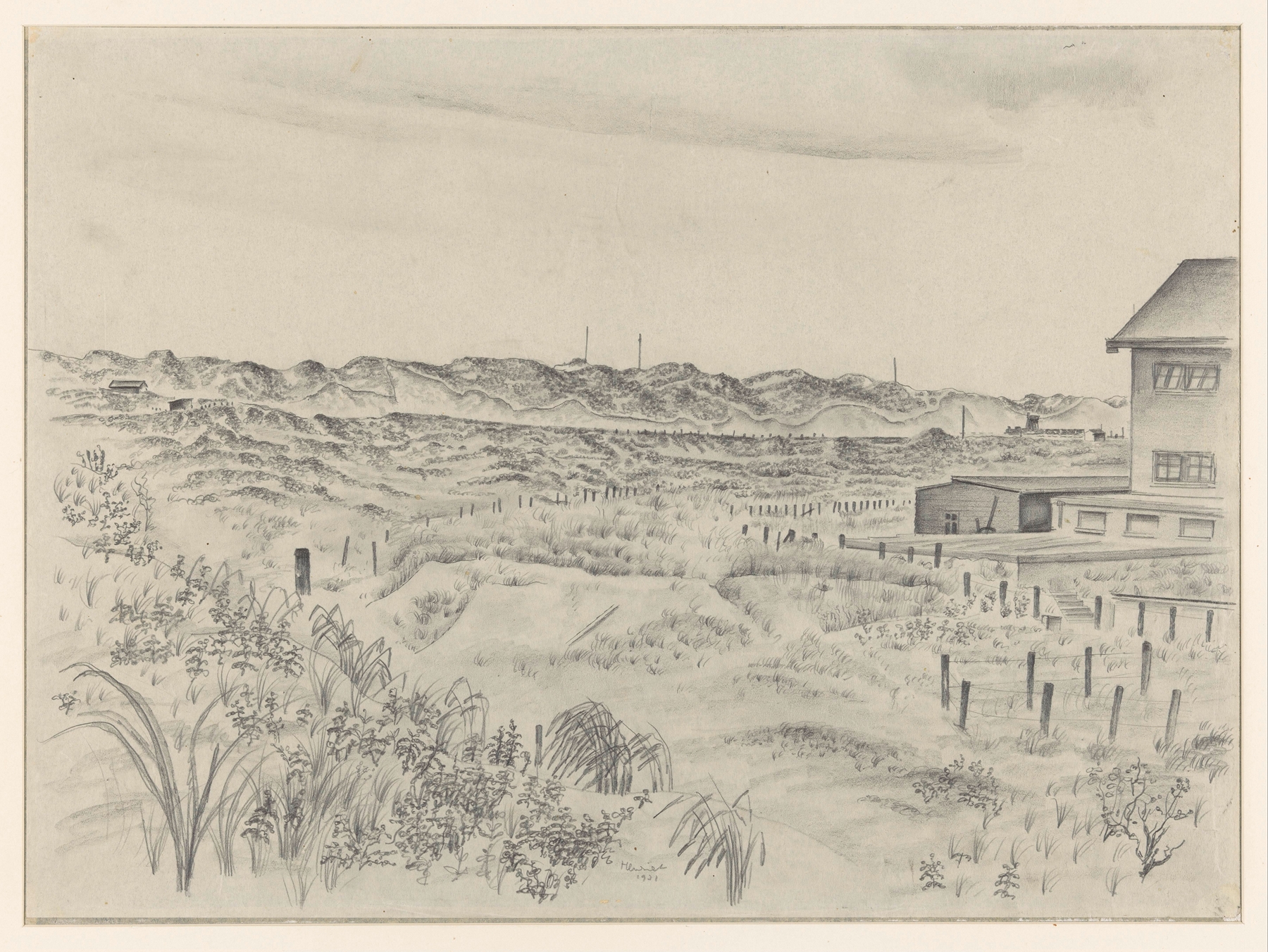
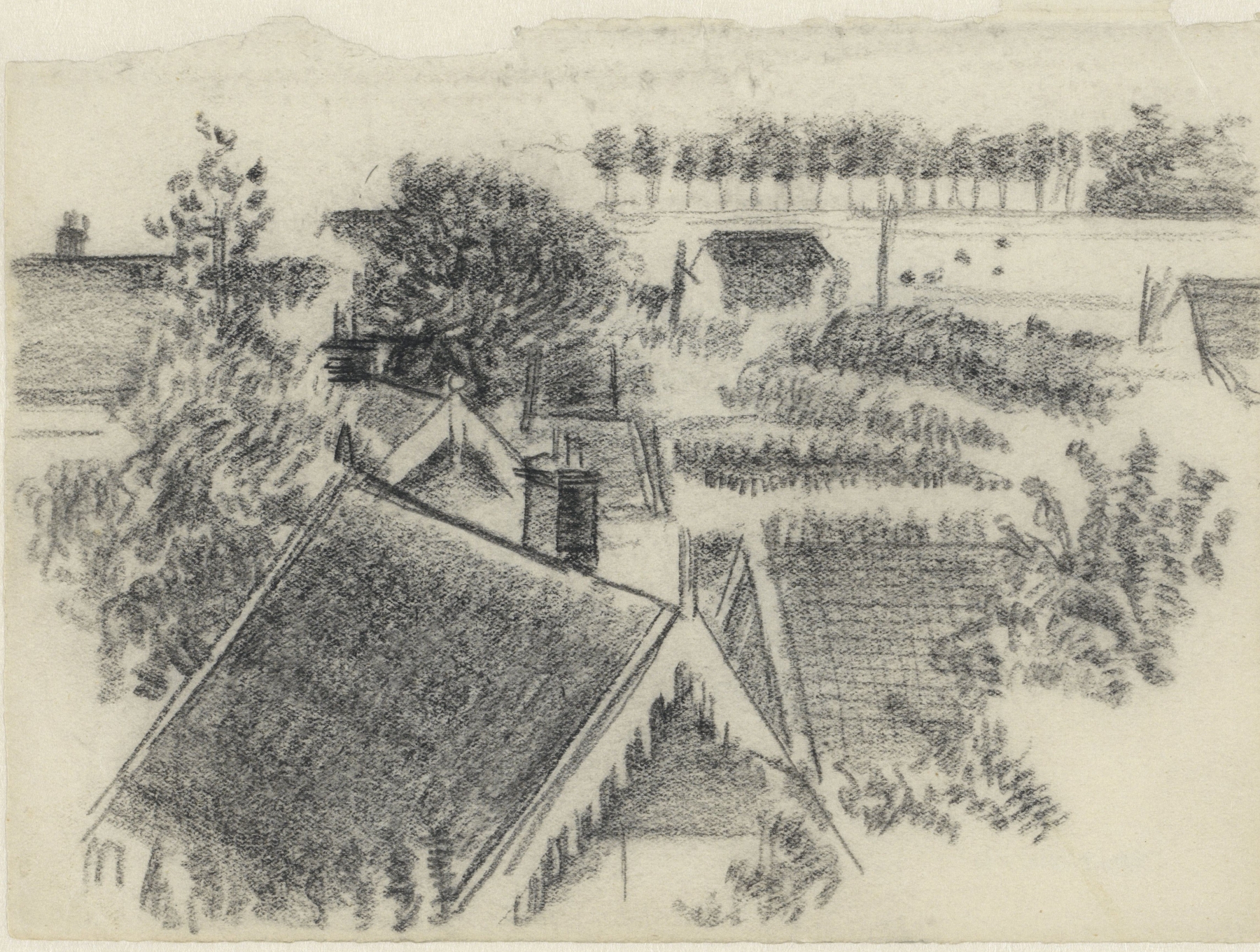
“Every silence here is a confession.” In the quiet expanse of a landscape, loneliness hangs like fog, enveloping the viewer in its heavy embrace. It invites reflection and introspection, suggesting a deep, emotional resonance within each untouched corner of the canvas. Look to the center, where the horizon rests in a gentle embrace with the earth, painted in muted greens and browns, evoking a sense of stillness. Notice how the light dappled across the landscape seems to whisper secrets, casting soft shadows that deepen the sense of solitude.
The composition is anchored by a solitary figure, dwarfed by the surrounding scenery, their posture hinting at a poignant isolation amidst nature’s vastness. Within this serene yet melancholic backdrop, there lies a contrast between the calmness of the landscape and the turmoil of human existence. The interplay of light and shadow not only defines the physical space but also reflects the emotional weight of solitude. Every blade of grass, every cloud on the horizon, seems to echo the profound sense of being both part of the world and utterly alone, inviting the viewer to ponder the universal experience of loneliness.
Created during a tumultuous period in European history, the work emerged between 1913 and 1945, a time rife with conflict and change. Henk Henriët, an artist grappling with a world on the brink of war, captured the essence of isolation experienced during these years. His artistic journey was shaped by personal and societal upheaval, and through this landscape, he spoke to the quiet despair that often accompanies the search for meaning in a chaotic world.