Landschap met bomen en een schuurtje — History & Analysis
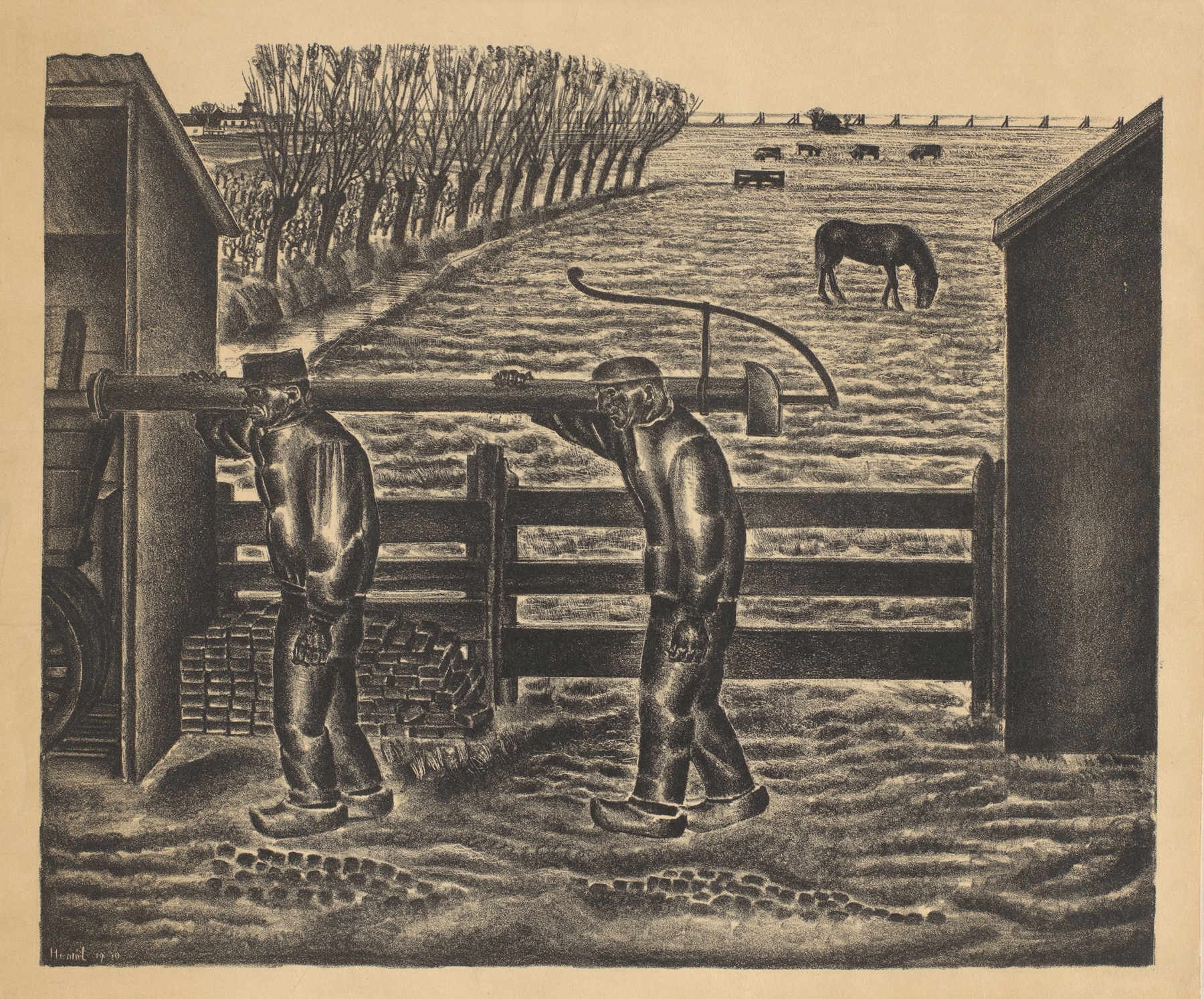
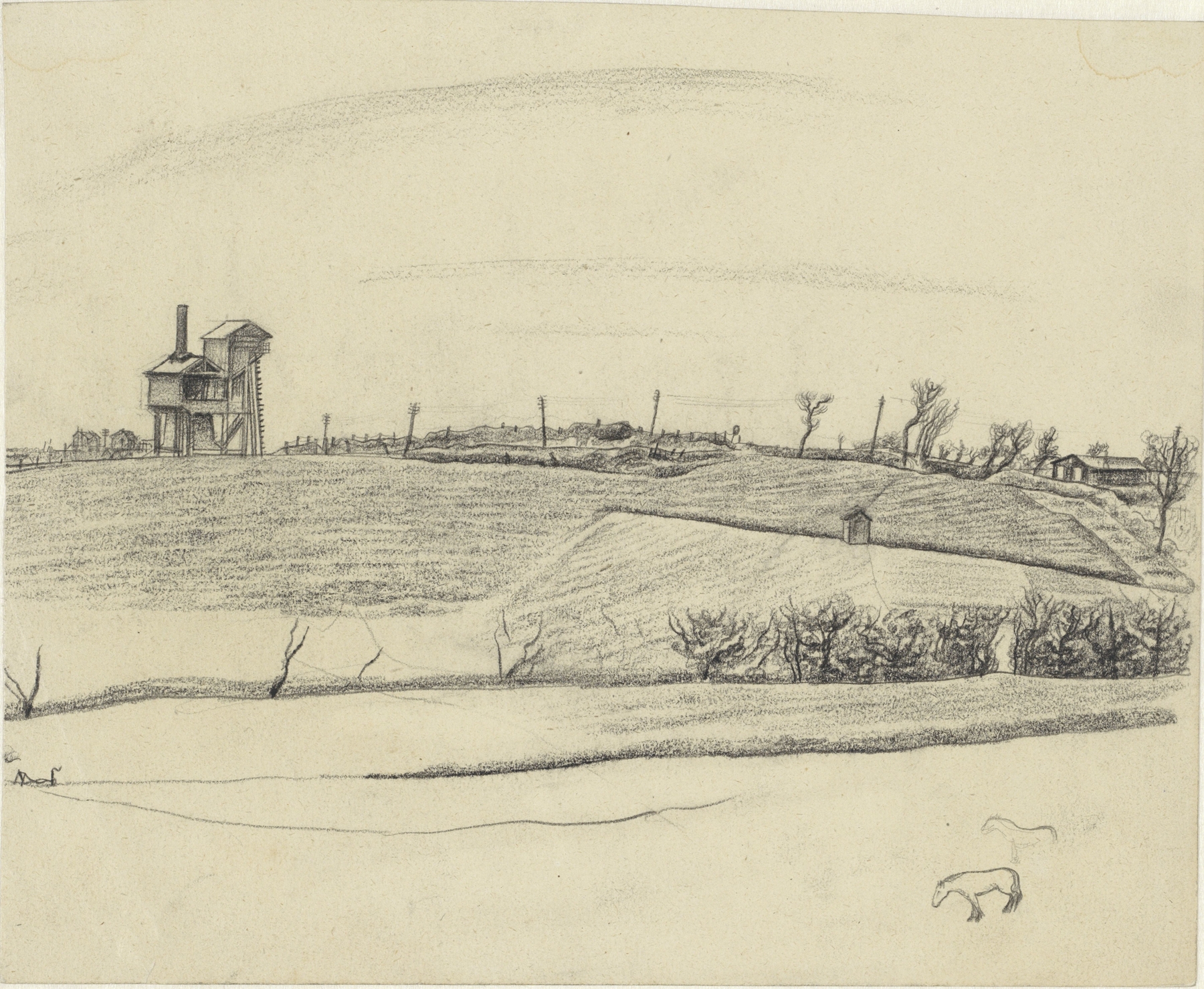
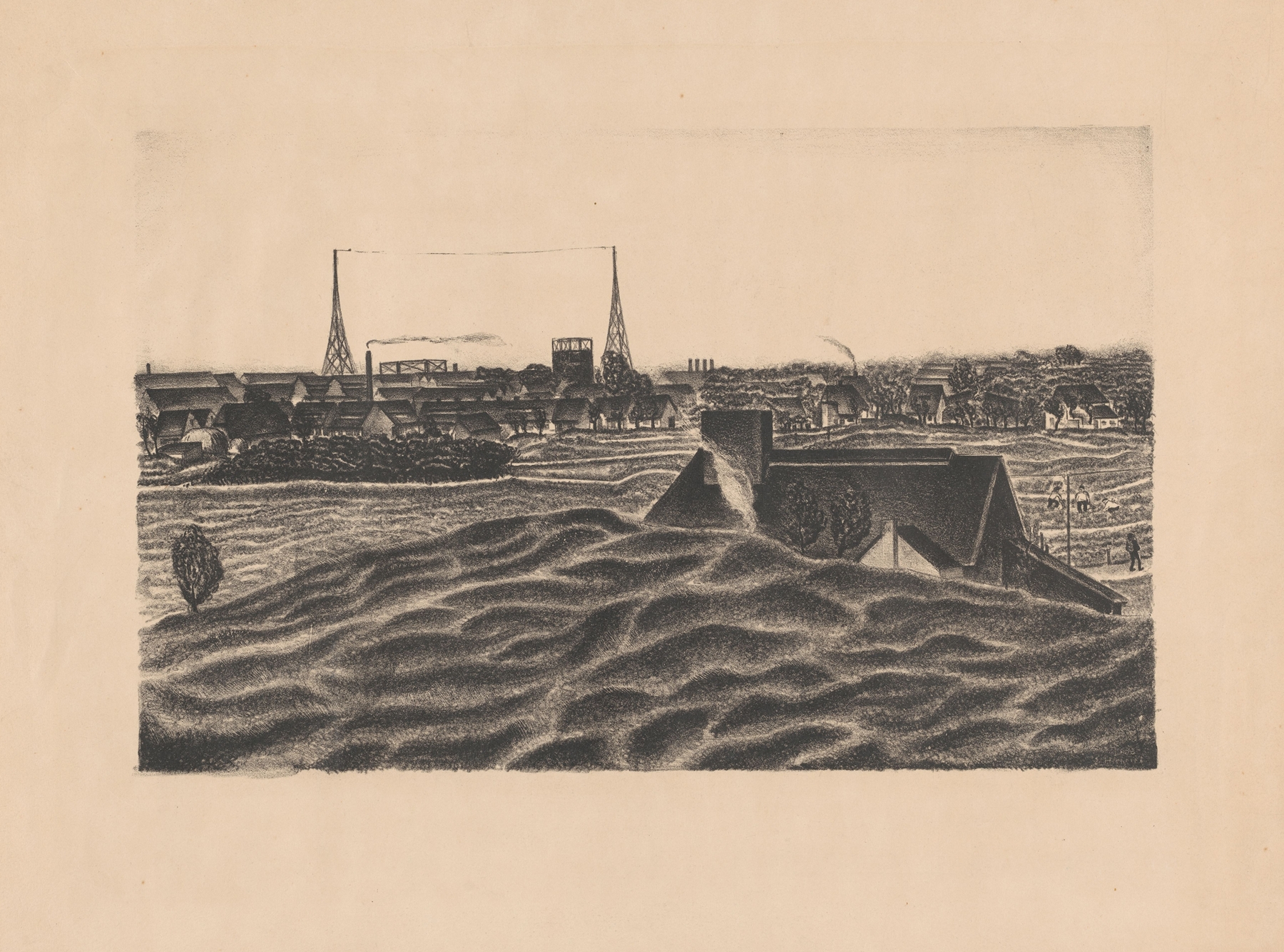
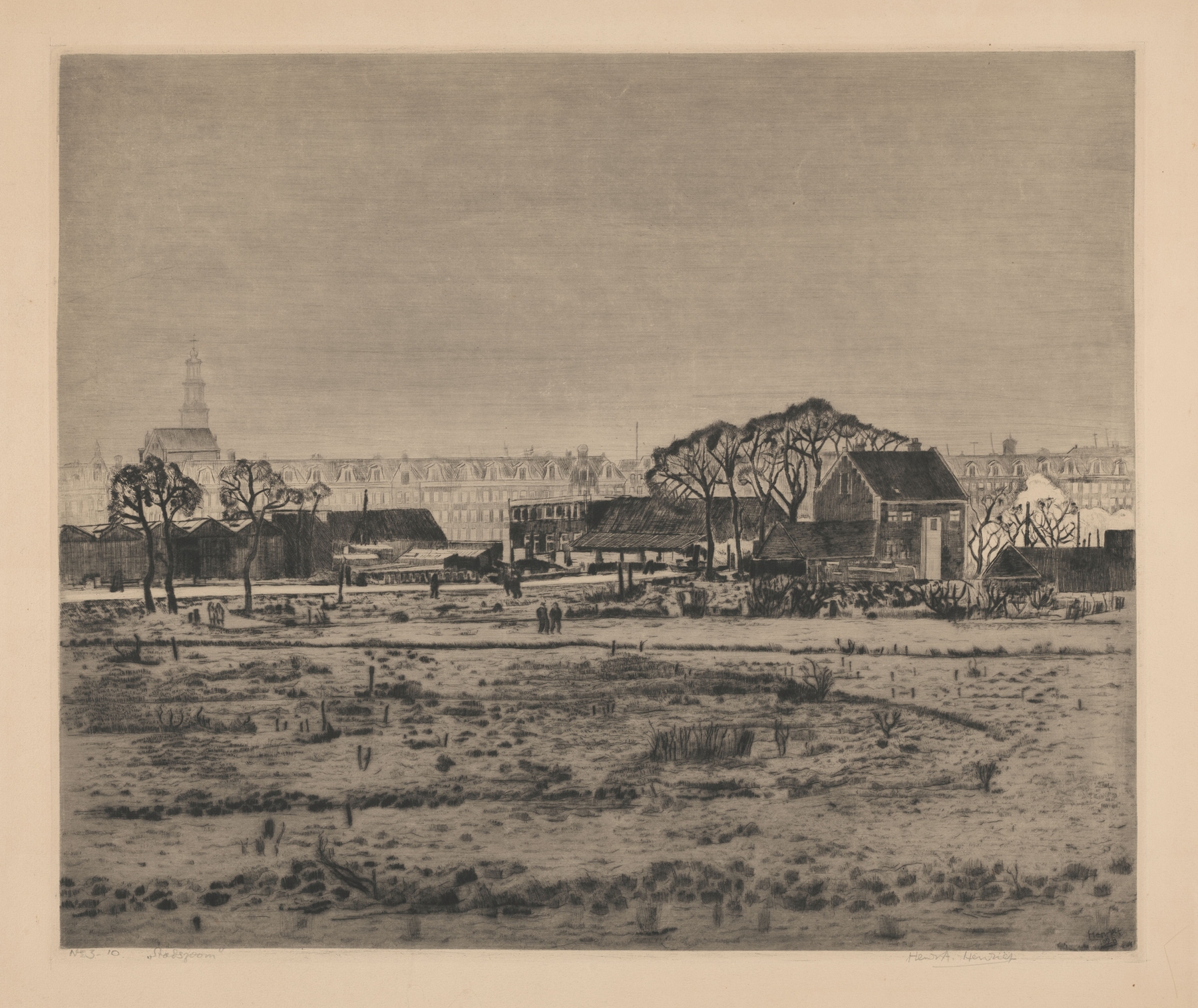
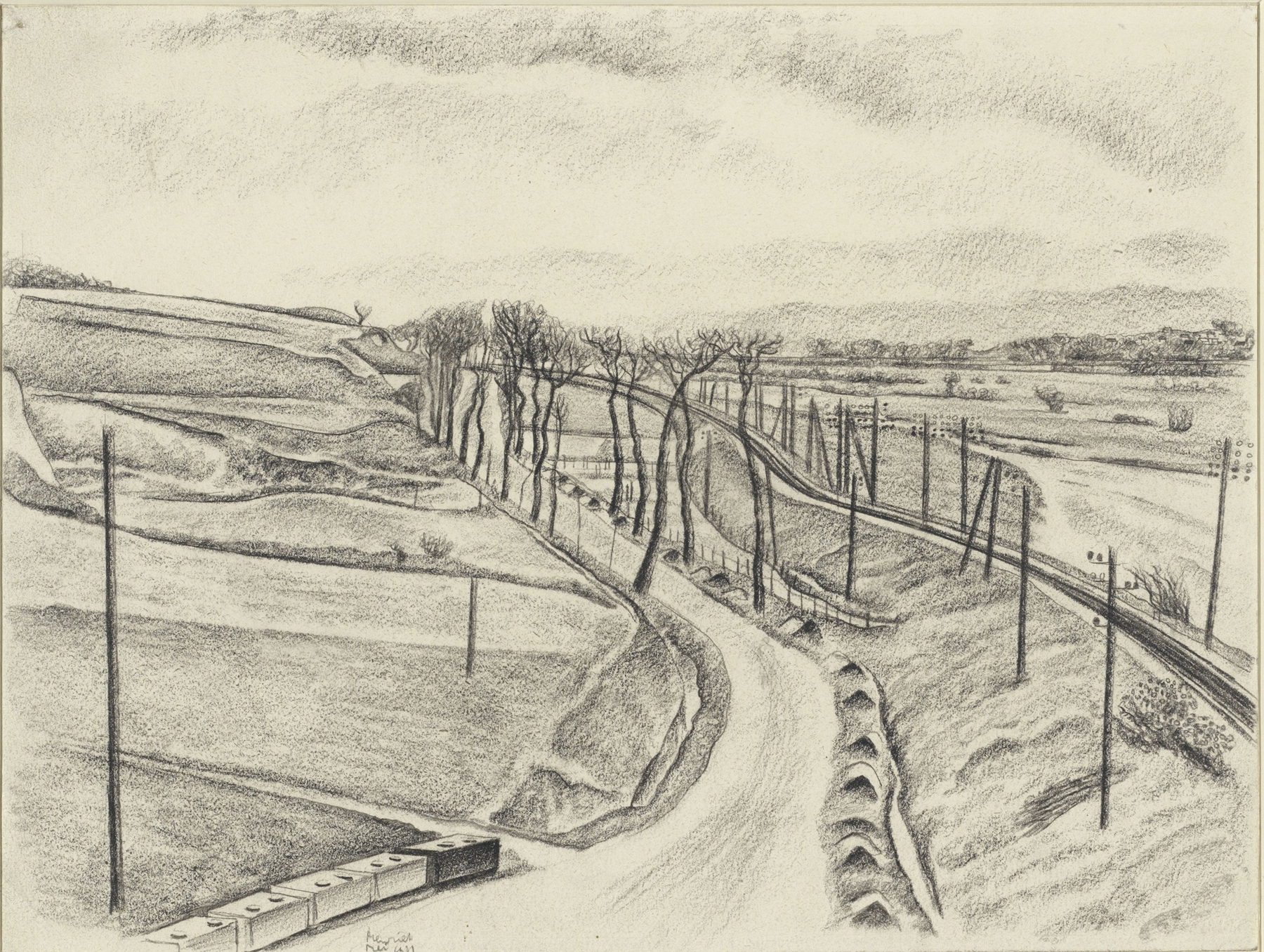
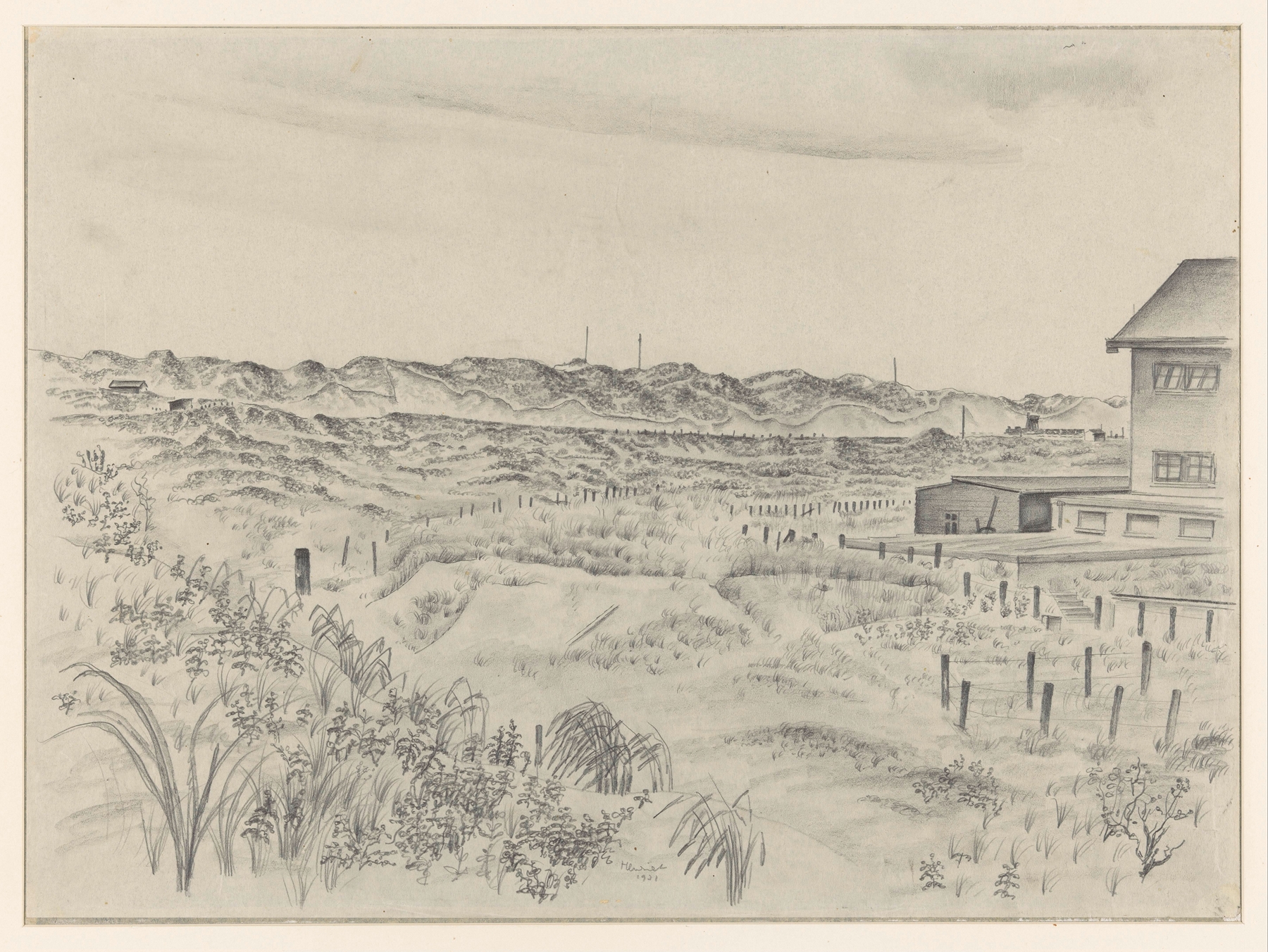
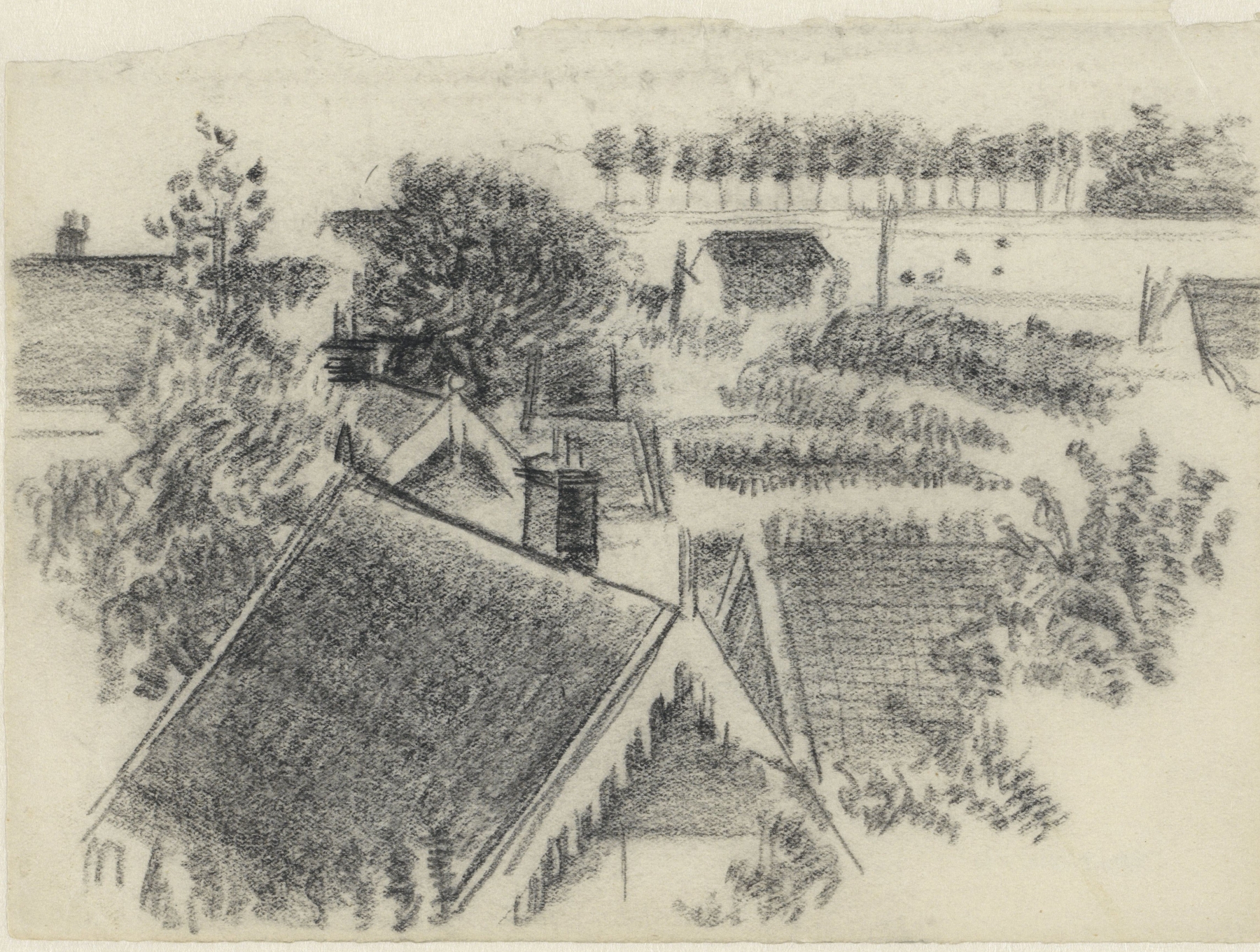
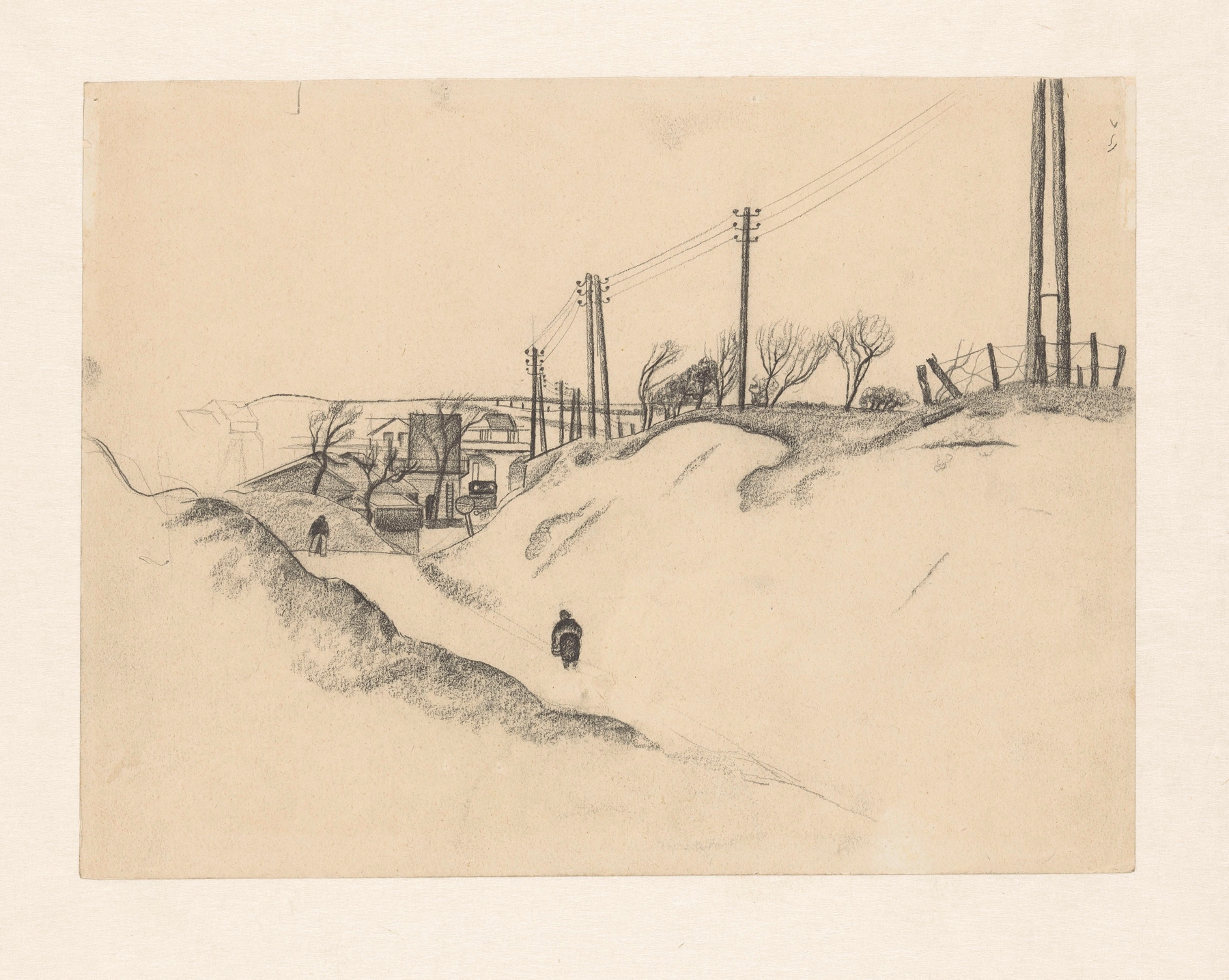
“Art reveals the soul when the world turns away.” In the stillness of a painted landscape, one can find the essence of existence distilled into color and form, a quiet ecstasy waiting to be uncovered. Look to the left, where a cluster of trees rises towards the sky, their strong trunks painted in earthy browns, contrasting with the vivid greens of their foliage. Notice how the brushstrokes create a sense of movement, as if the leaves flutter gently in a soft breeze. In the middle ground, a humble shed stands, its muted tones echoing the trees nearby, yet it hints at an underlying narrative of human presence within nature's embrace.
The balance of light and shadow plays across the canvas, inviting the viewer into this serene yet vibrant landscape. As you delve deeper, consider the juxtaposition of the organic and the man-made. The trees signify life and wildness, while the shed represents labor and domesticity, a reminder of humanity's place in the ecosystem. This tension between the natural world and human intervention evokes feelings of nostalgia and longing, as if to suggest a delicate harmony that is ever so fragile.
The vibrant colors invoke not just beauty, but also the ecstasy of the interplay between these two realms. In 1933, Henk Henriët captured Landschap met bomen en een schuurtje during a time of societal upheaval in Europe, as the echoes of post-World War I uncertainty loomed large. Working in the Netherlands, he sought solace in nature, reflecting on the changing landscape and a desire for peace amidst chaos. This painting stands as a testament to a moment when the world desperately needed the respite that only art can provide.