Gezicht op Hilversum — History & Analysis
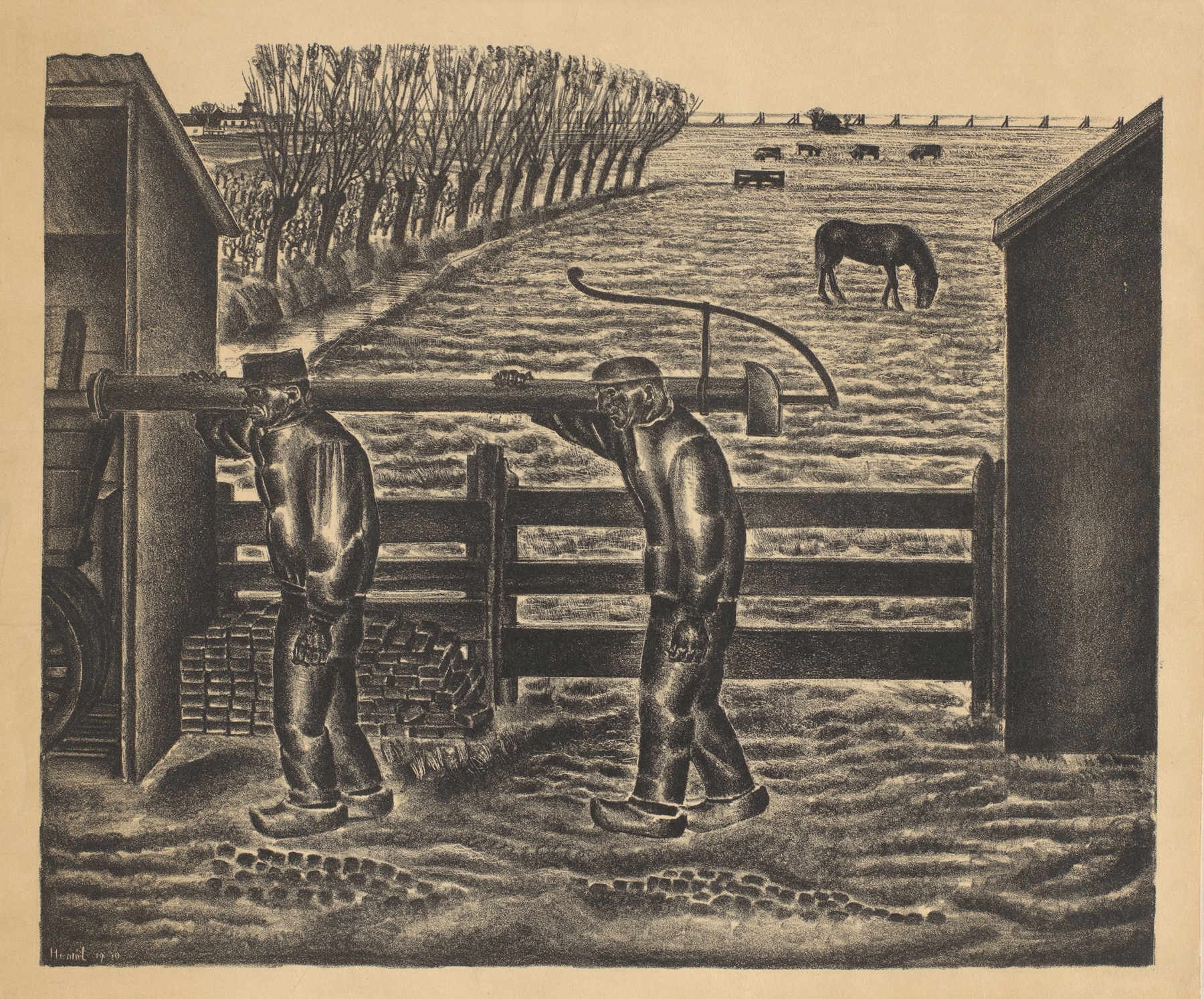
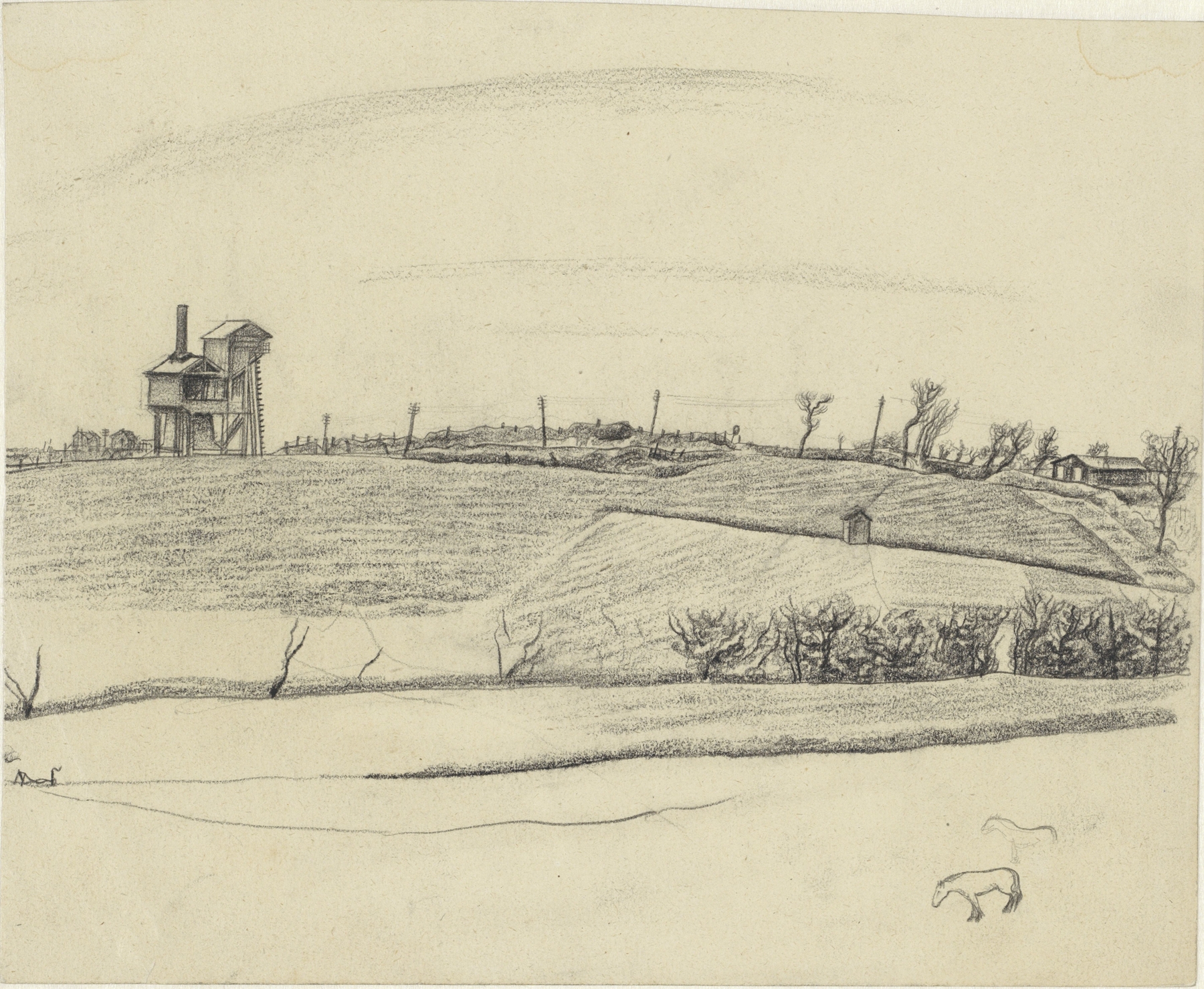
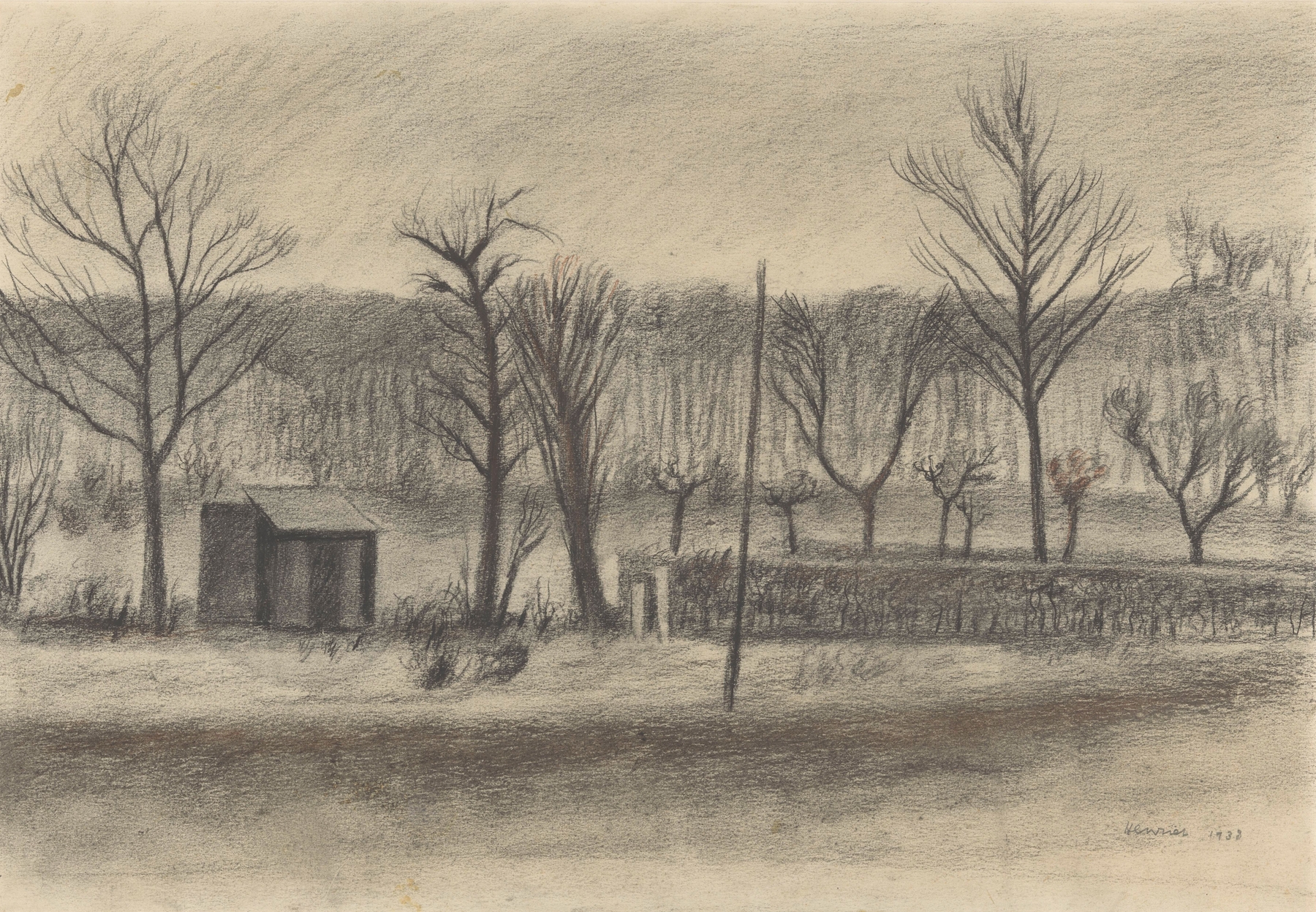
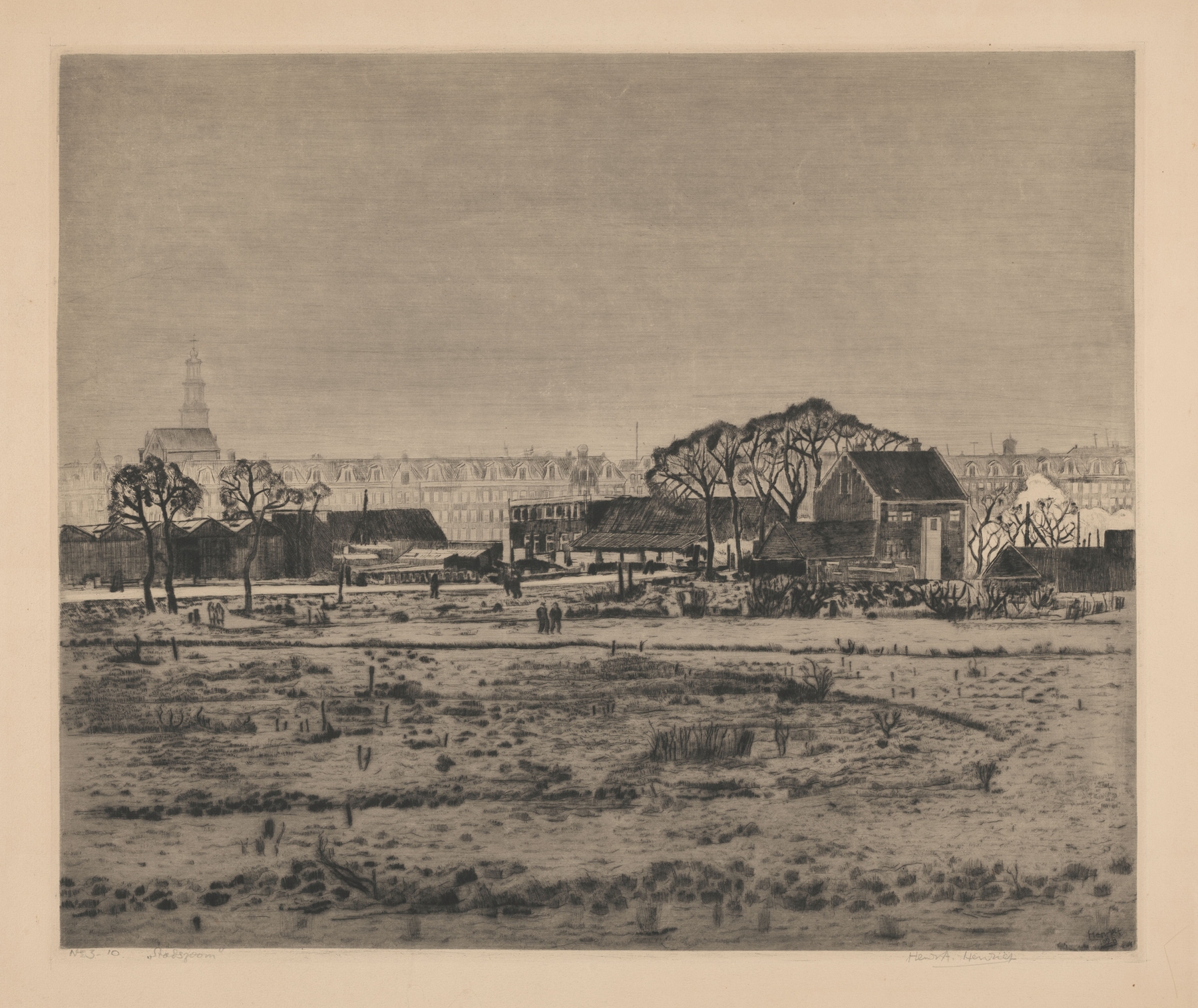
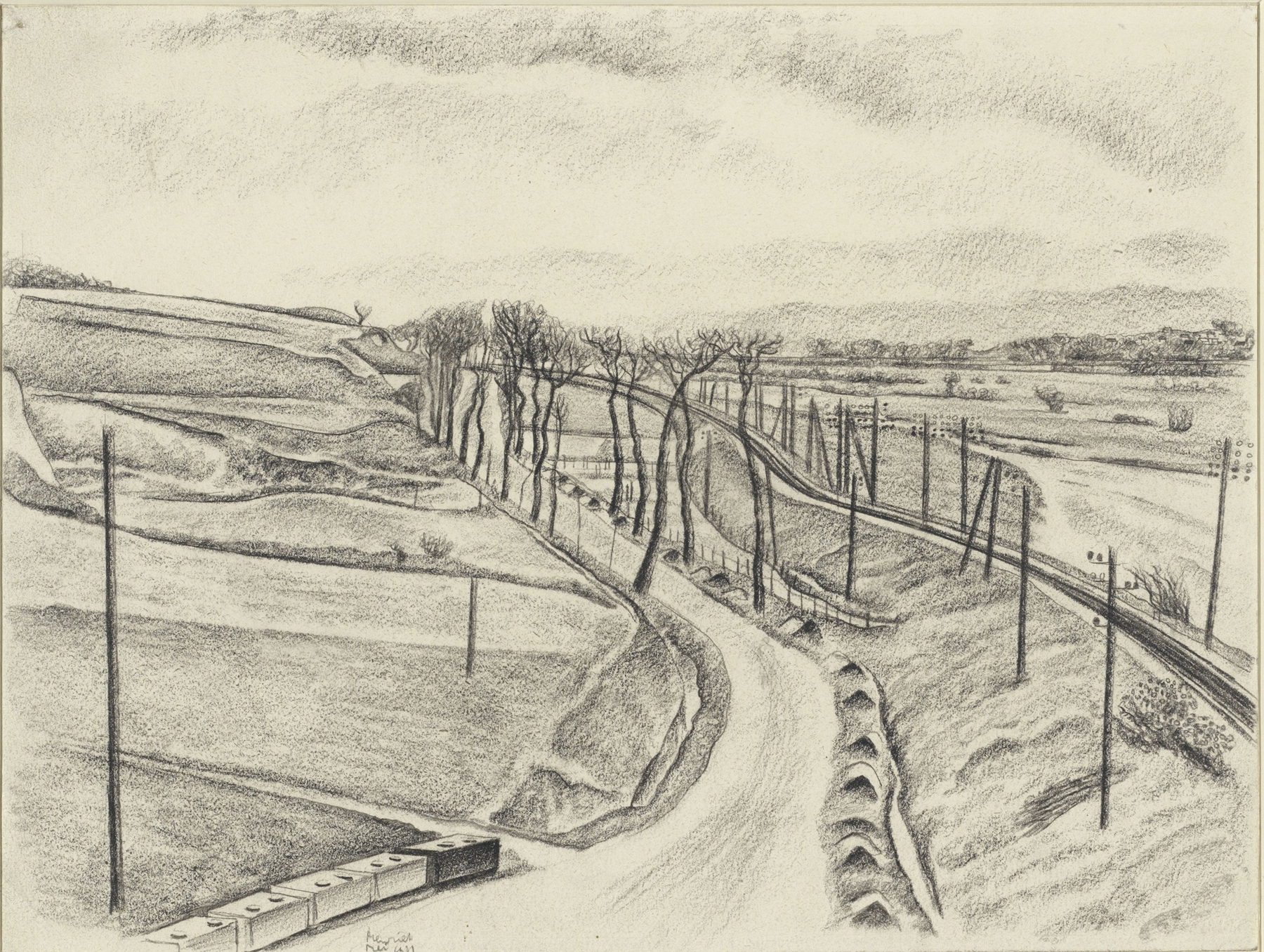
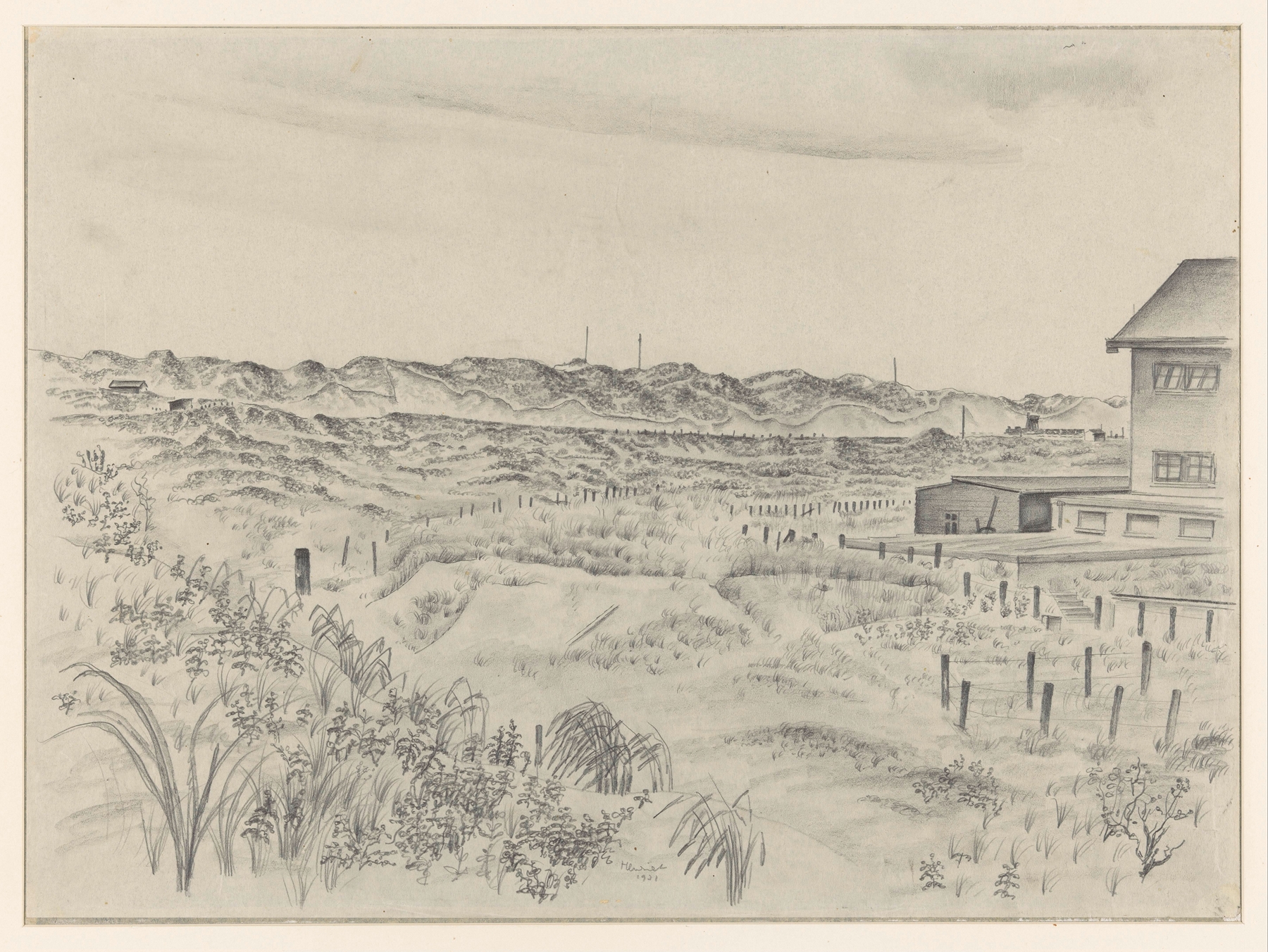
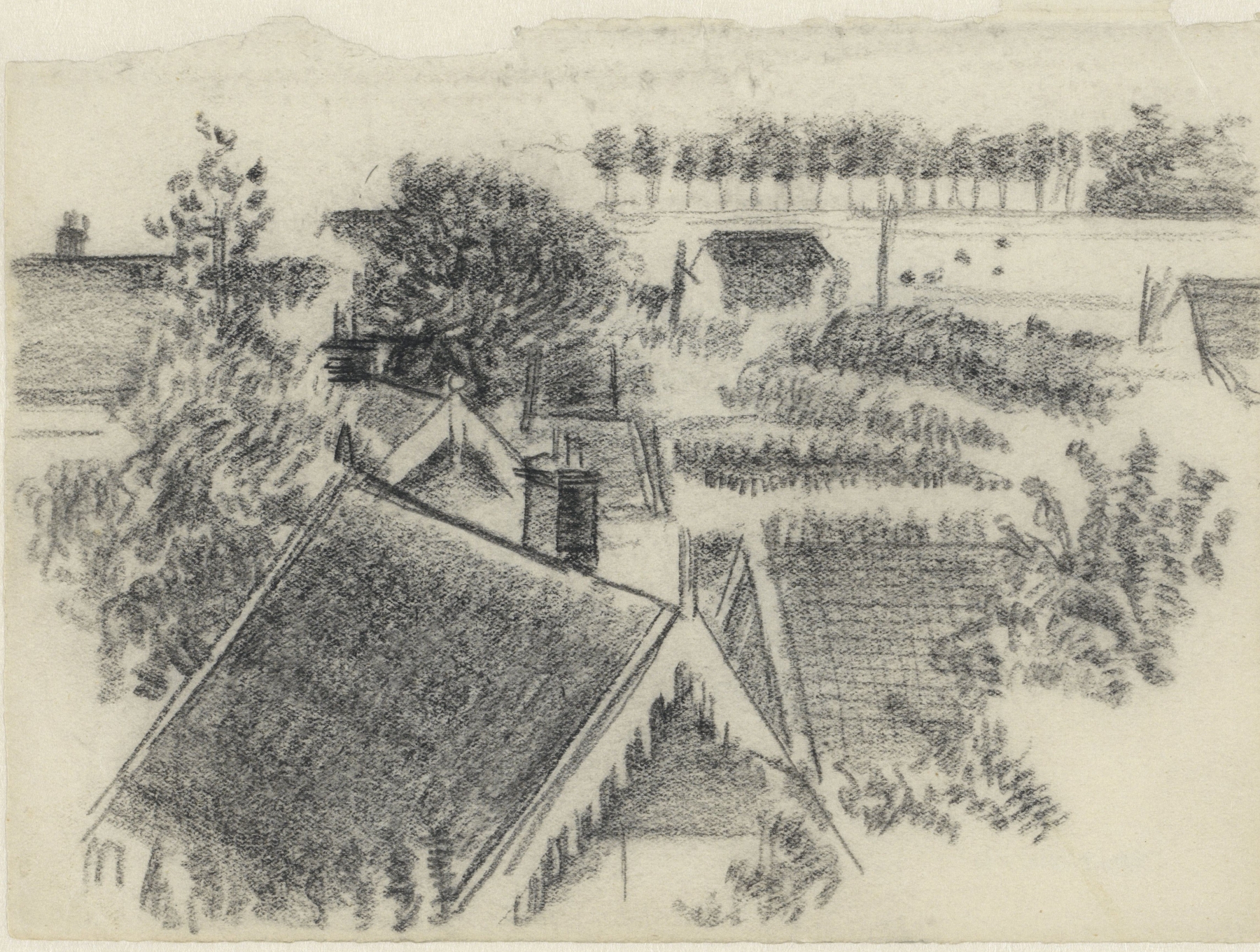
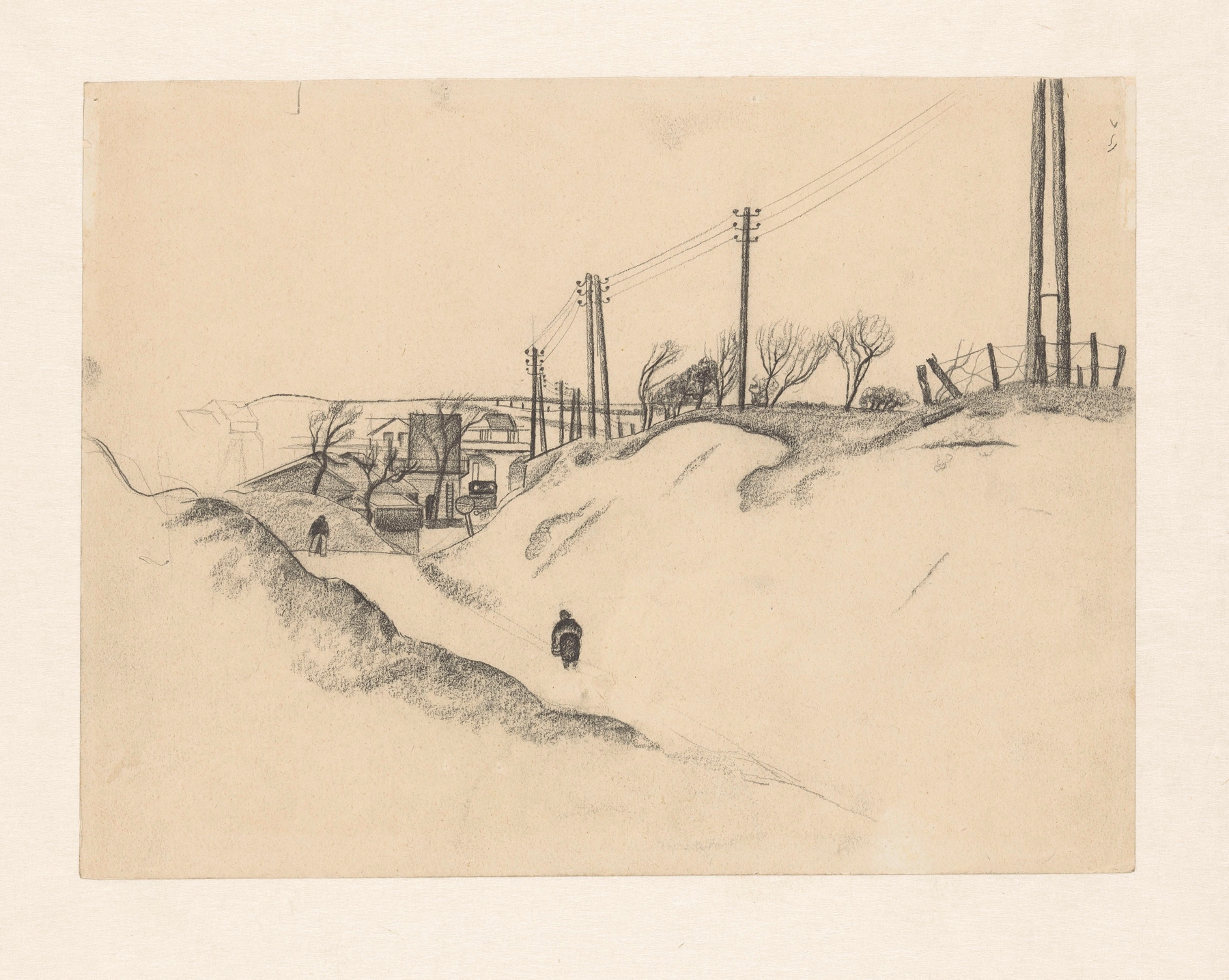
“Art reveals the soul when the world turns away.” In every brushstroke lies a story of longing, of truth laid bare among the veils of betrayal. Focus on the horizon, where the soft hues of twilight bleed into the sky, casting a tranquil knit of oranges and blues over the landscape. The gentle undulations of the hills cradle the quaint town of Hilversum, with its modest houses standing resolutely against the encroaching shadows. Notice the symmetrical composition, a balance that hints at stability yet whispers of hidden discontent, as if the tranquility of this scene masks an underlying tension waiting to erupt.
The juxtaposition of light and shadow is poignant here; while the sun sets, illuminating the town, a sense of foreboding lingers. The cool shadows that creep into the foreground evoke an unsettling intimacy, suggesting that what we perceive as serenity may be a façade. Each brushstroke, meticulous and deliberate, captures the complexity of human emotions — the comfort of home intertwined with the anxiety of betrayal.
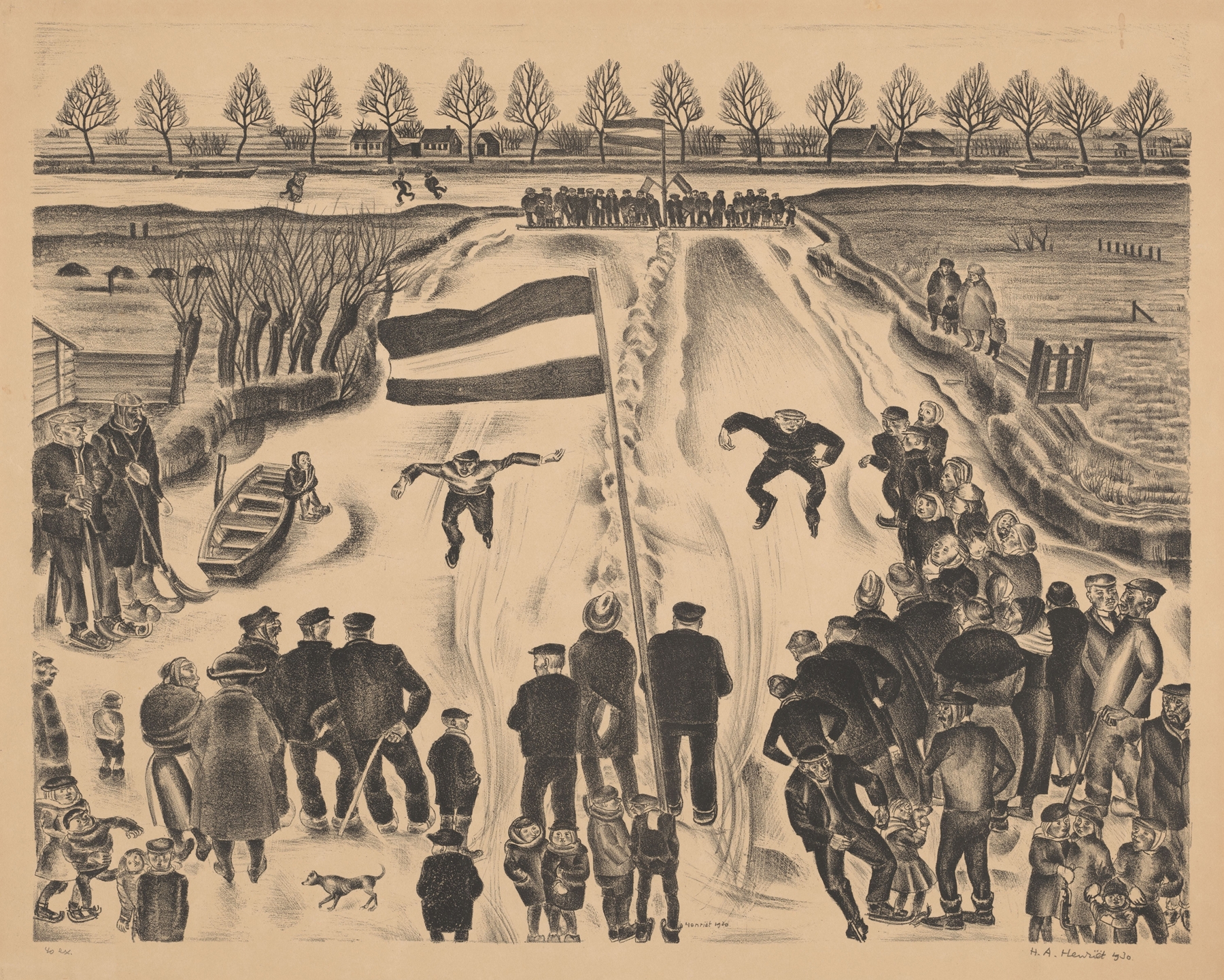
In 1930, Henk Henriët painted this work during a period of societal transition in the Netherlands. The nation, grappling with the aftermath of World War I, was experiencing significant shifts in its artistic landscape, moving towards modernism. This moment in Henriët’s career reflects not only his evolving style but also the collective uncertainty felt by a society looking for stability in a world that had begun to fracture.