Landschap met weg en trambaan — History & Analysis
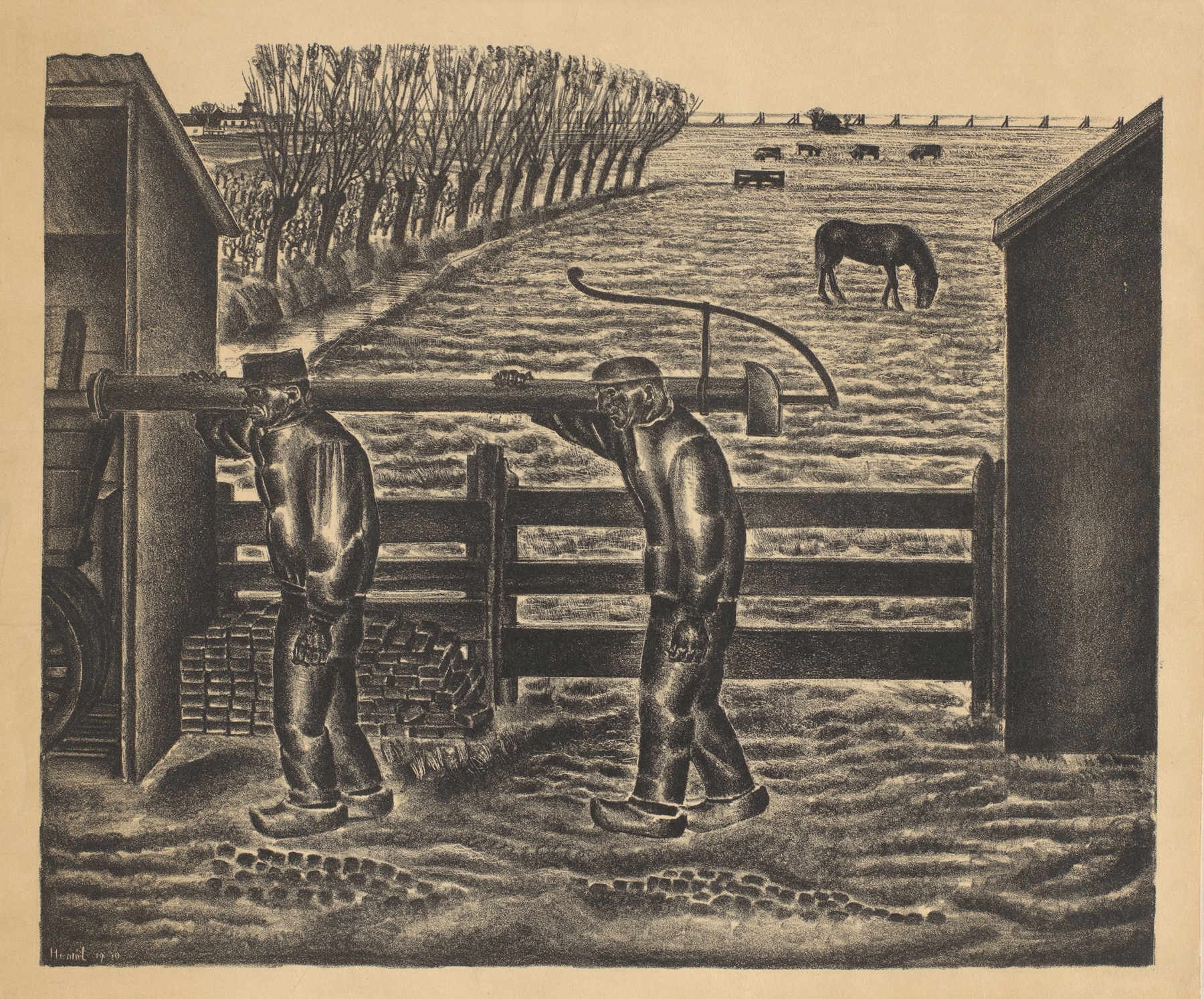
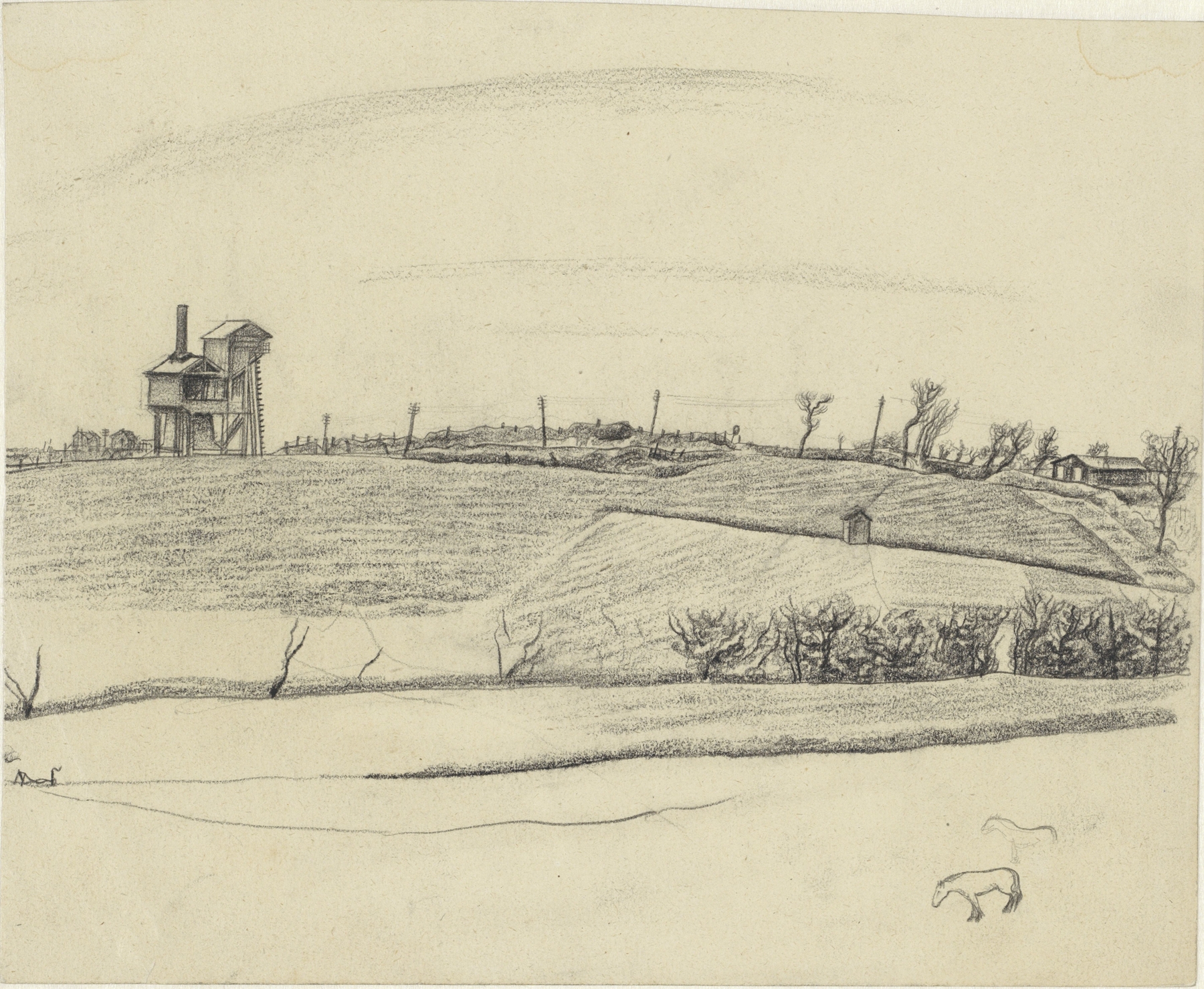
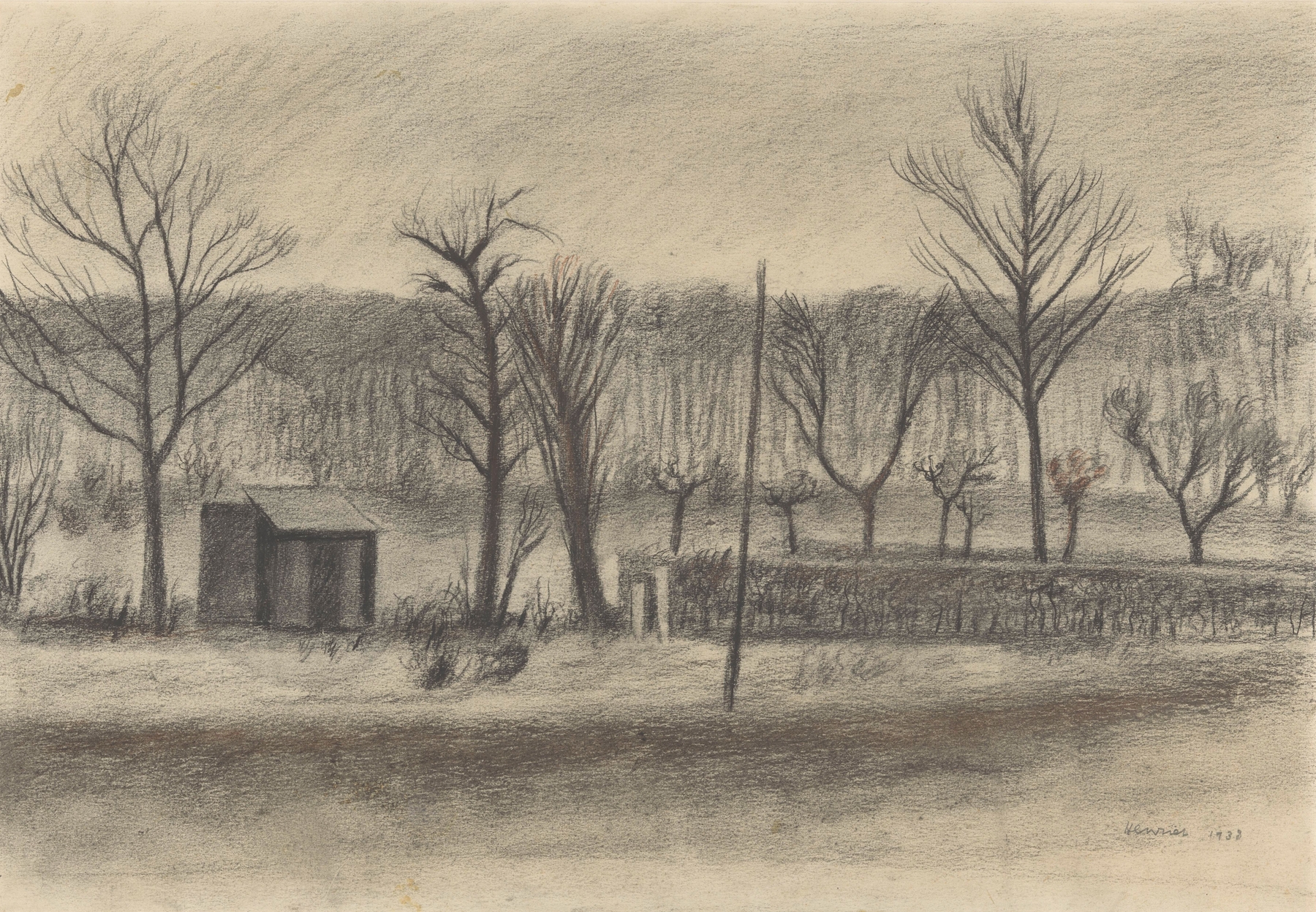
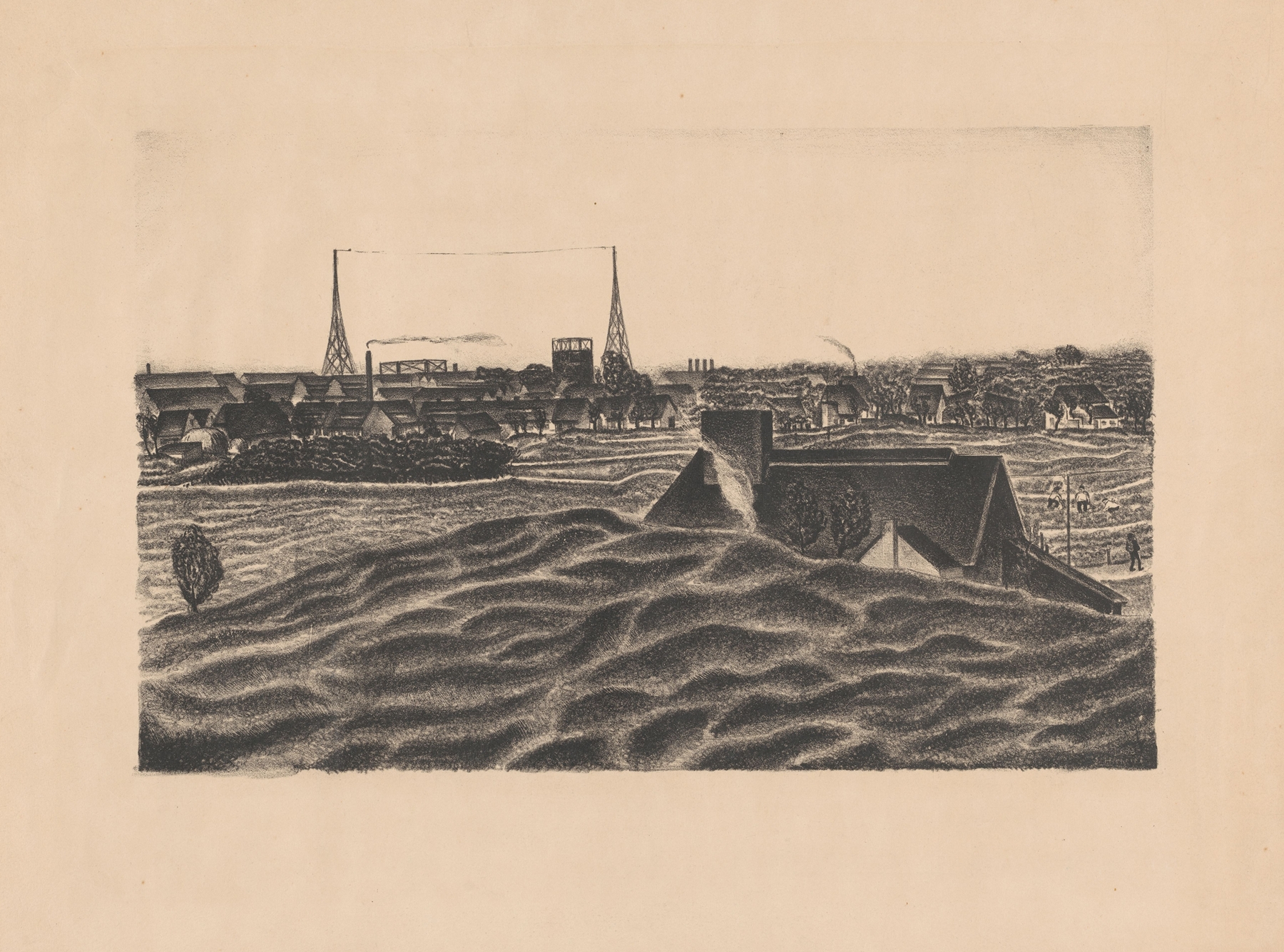
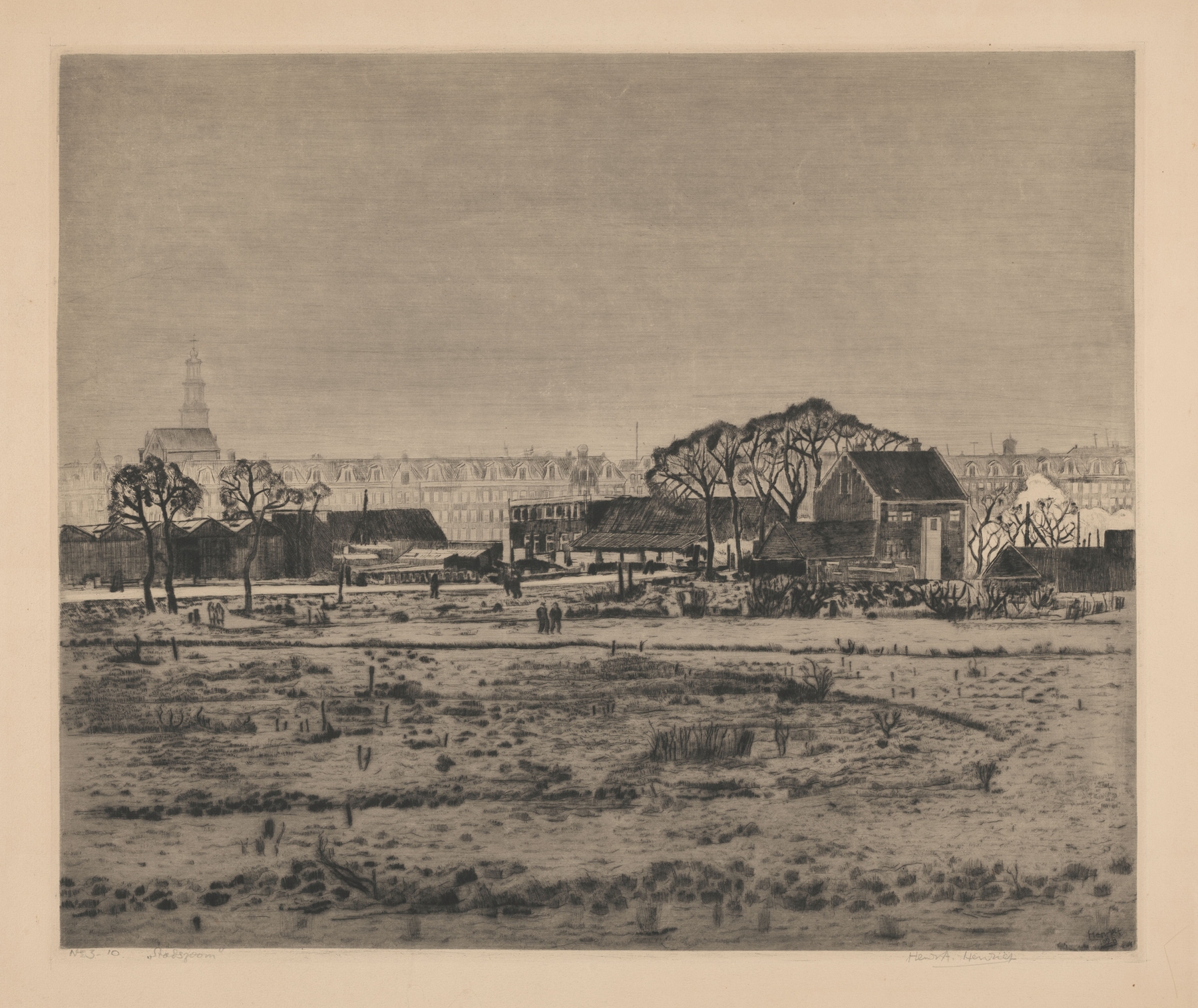
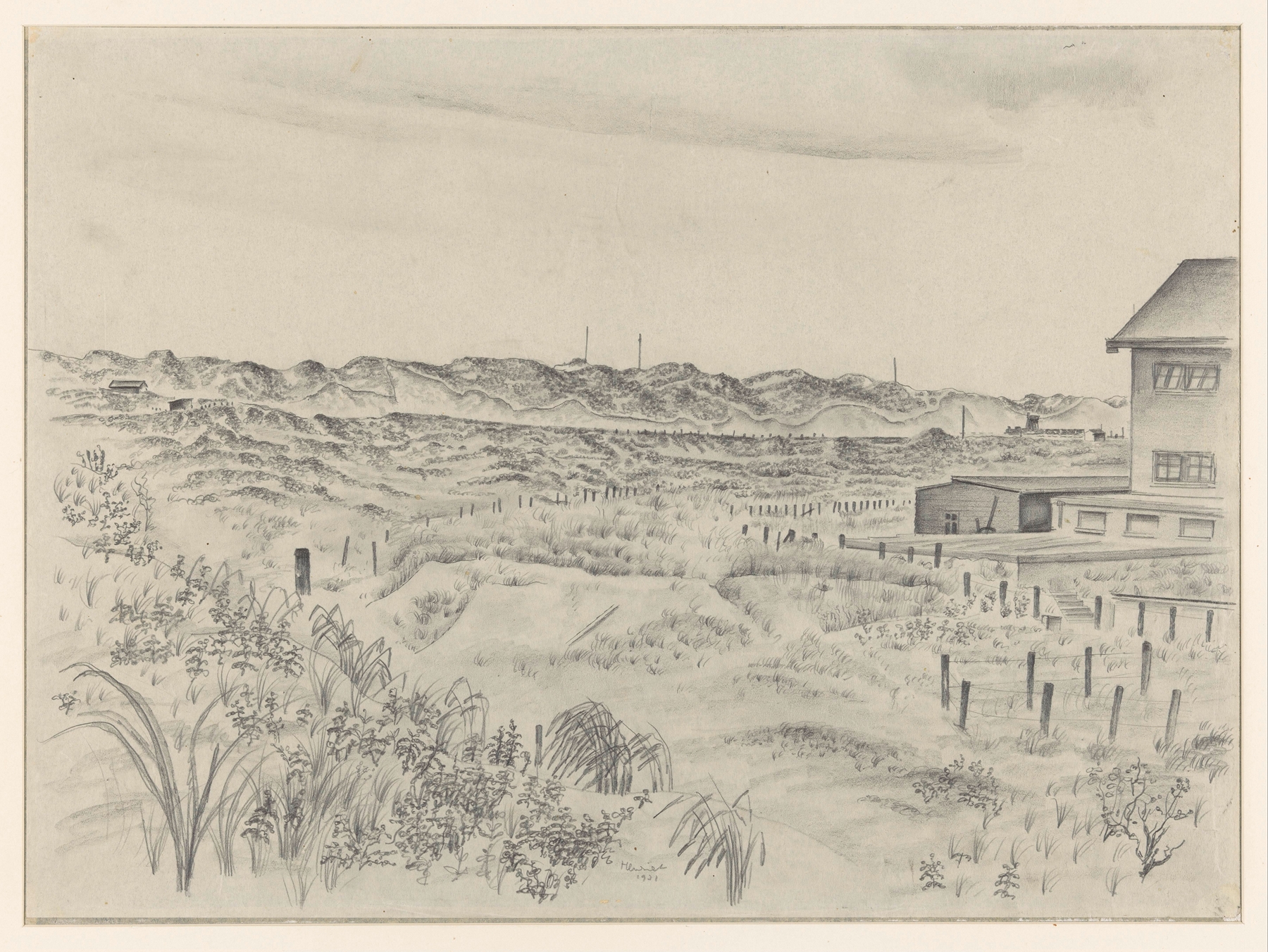
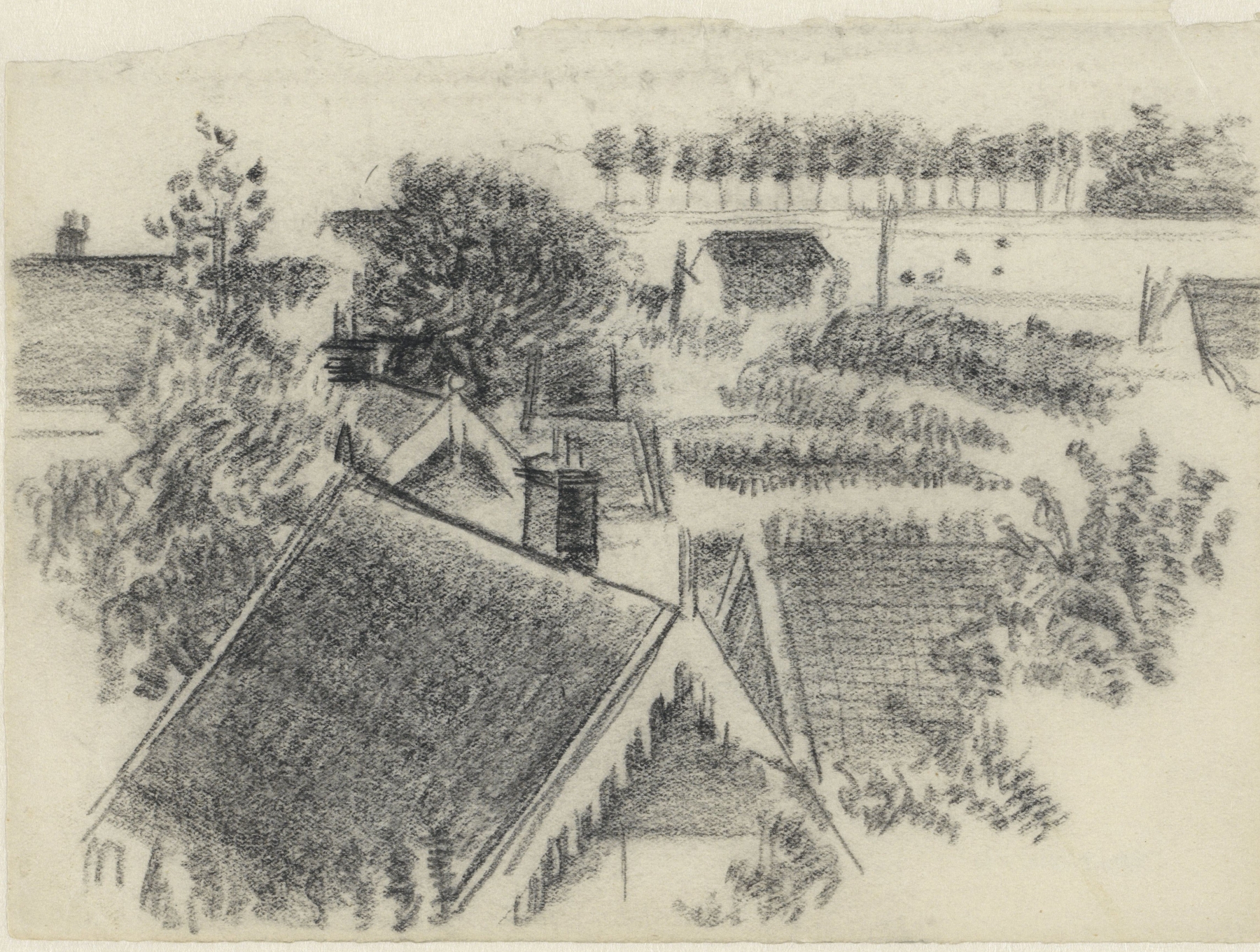
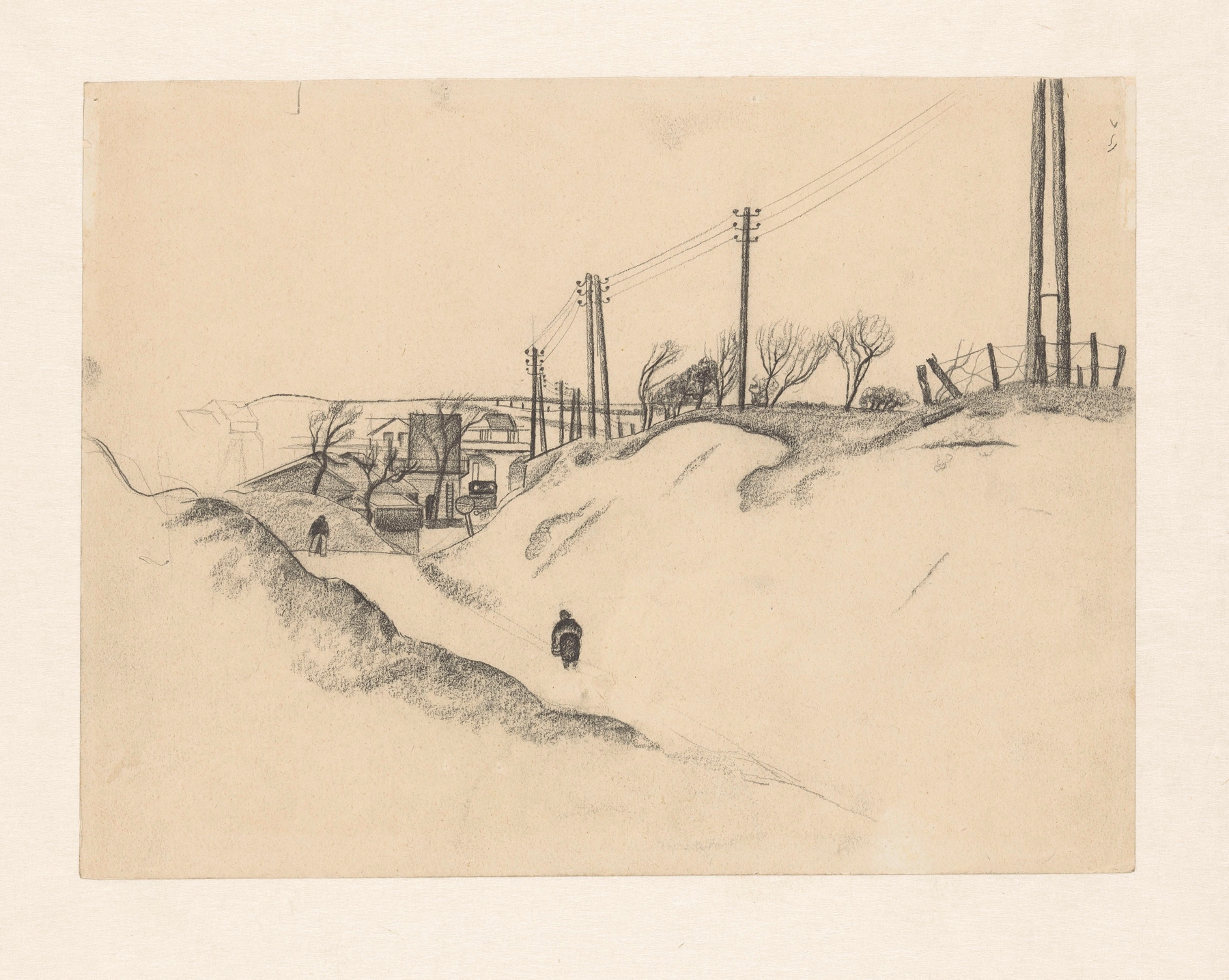
Did the painter know this moment would outlive them? The landscape stretches before us, a melancholic yet serene portrayal of a bygone era, whispering secrets of loss and nostalgia that cling to the air like a fading echo. Look to the left at the winding road, expertly rendered with delicate strokes that invite the eye to travel along its course. The tram line, gently curving through the expanse, draws our attention further into the composition, while patches of soft green and muted earth tones create a harmonious balance.
Notice how the light filters through the trees, casting dappled shadows that add a depth of intimacy to the scene, evoking a quiet, reflective moment in time. In this artwork, the juxtaposition of stillness against the promise of movement conveys an emotional tension that resonates deeply. The road and tramway both suggest journeys and transitions, capturing a moment of pause before the inevitable departure. Each element, from the meticulously painted foliage to the distant horizon, hints at the passage of time and the bittersweet nature of memories, leading us to ponder what once was and what may never return.
Created in 1931, during a period marked by economic turmoil and the rise of modernism, the artist found himself navigating both personal and societal upheaval. Working in the Netherlands, he sought to encapsulate the essence of his surroundings while facing the growing disconnection from tradition in the art world. This piece reflects a moment of introspection, as Henriët grappled with the shifting landscape of art and life, ultimately crafting a timeless homage to both beauty and loss.