Landschap met huizen — History & Analysis
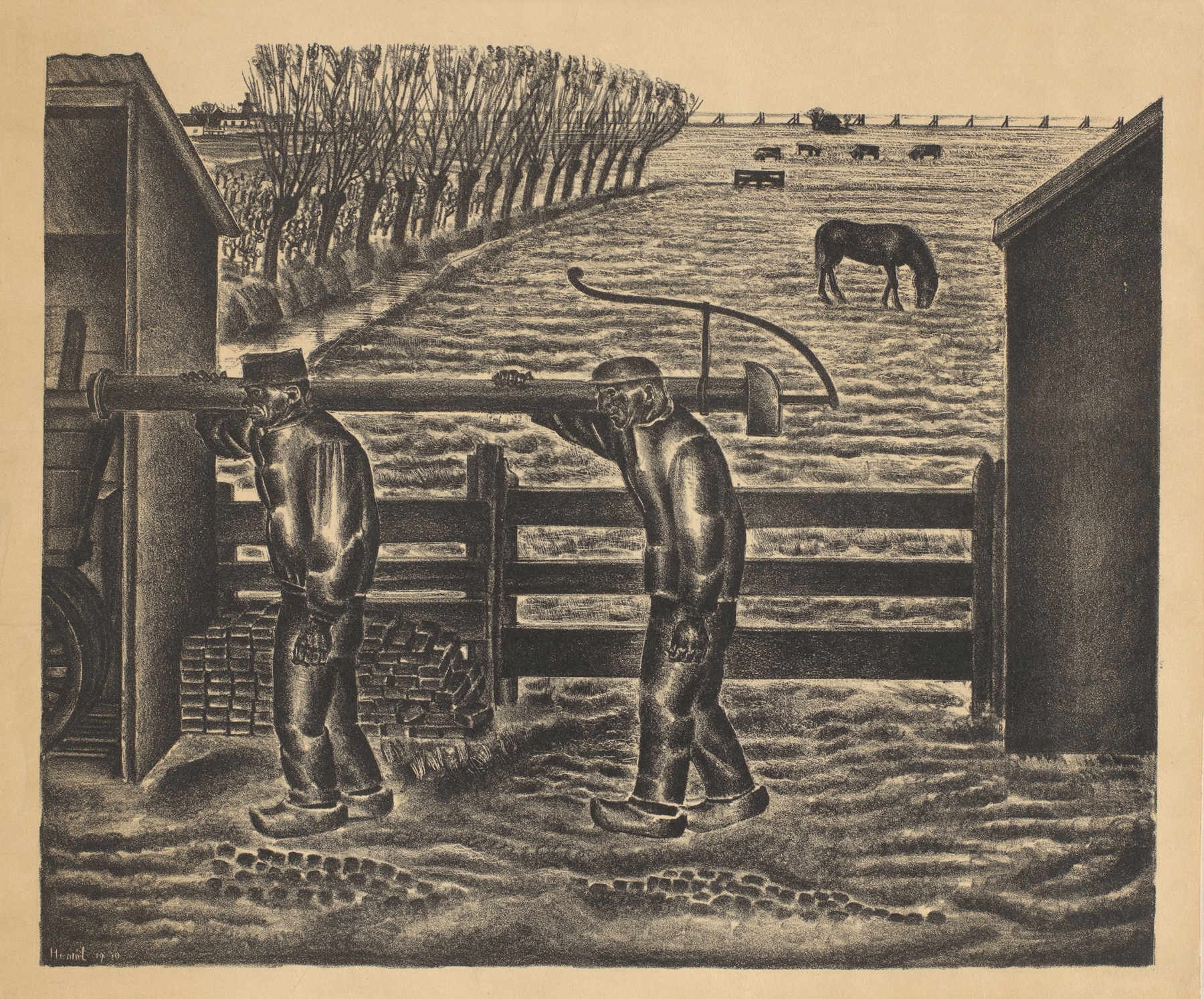
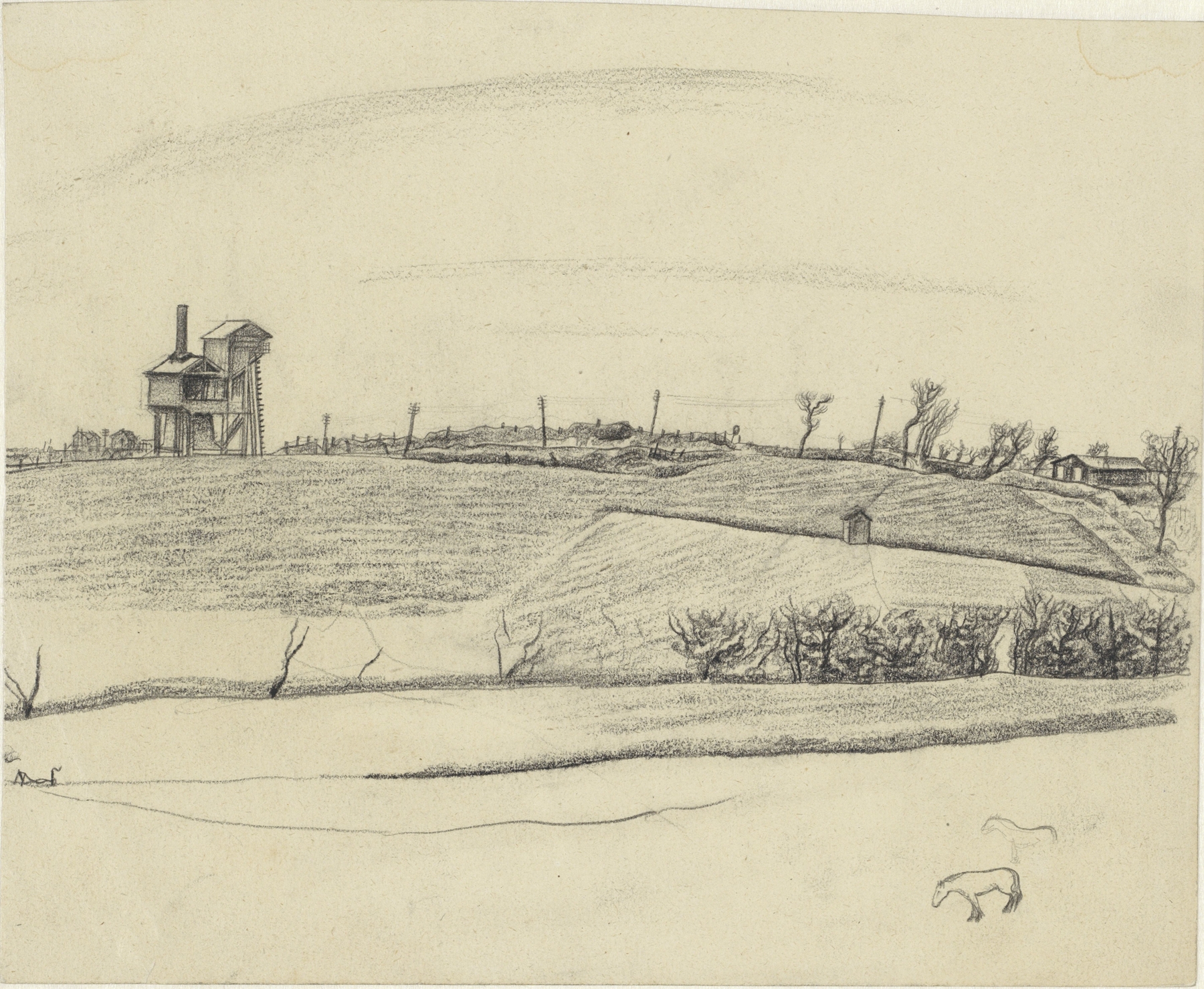
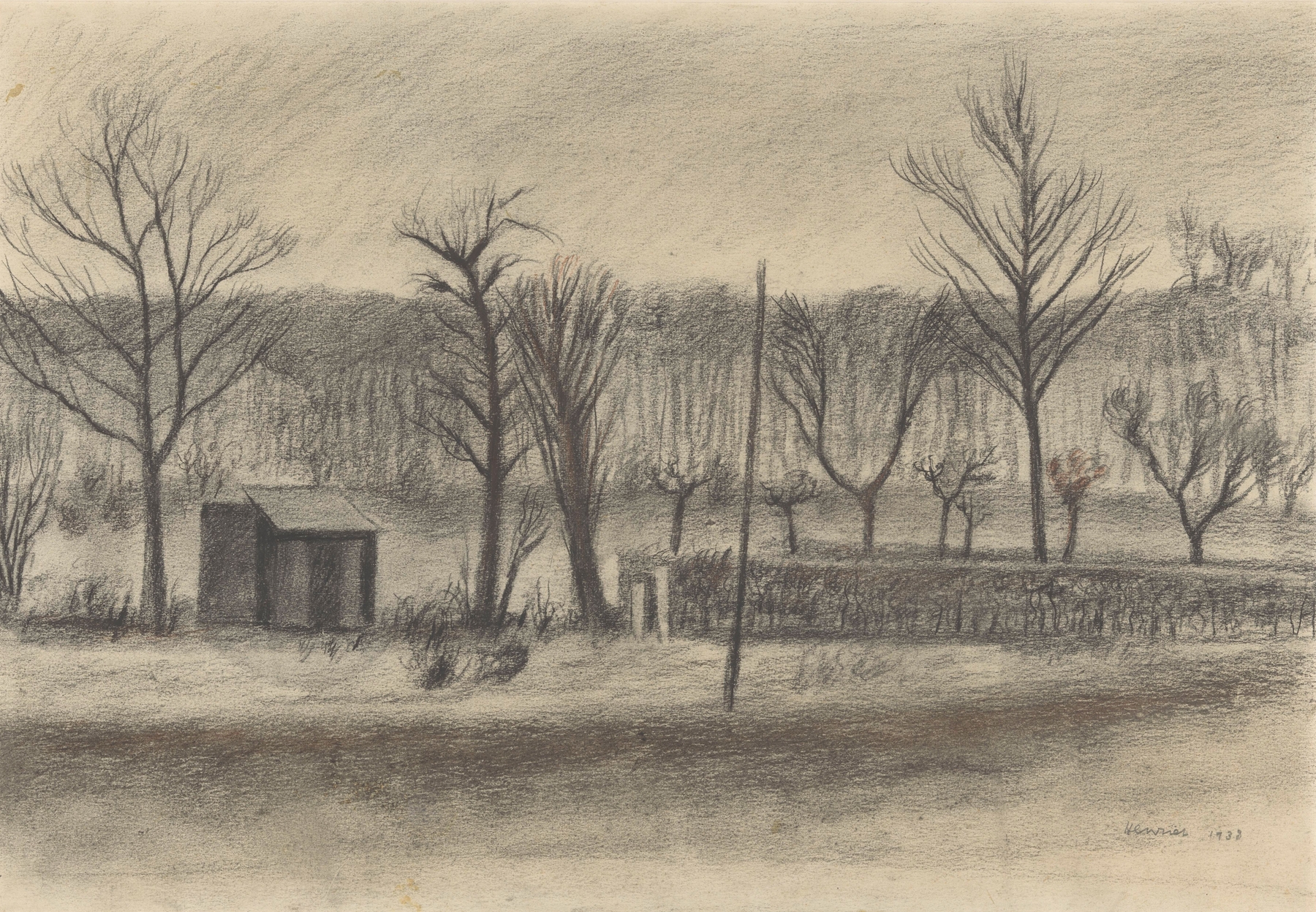
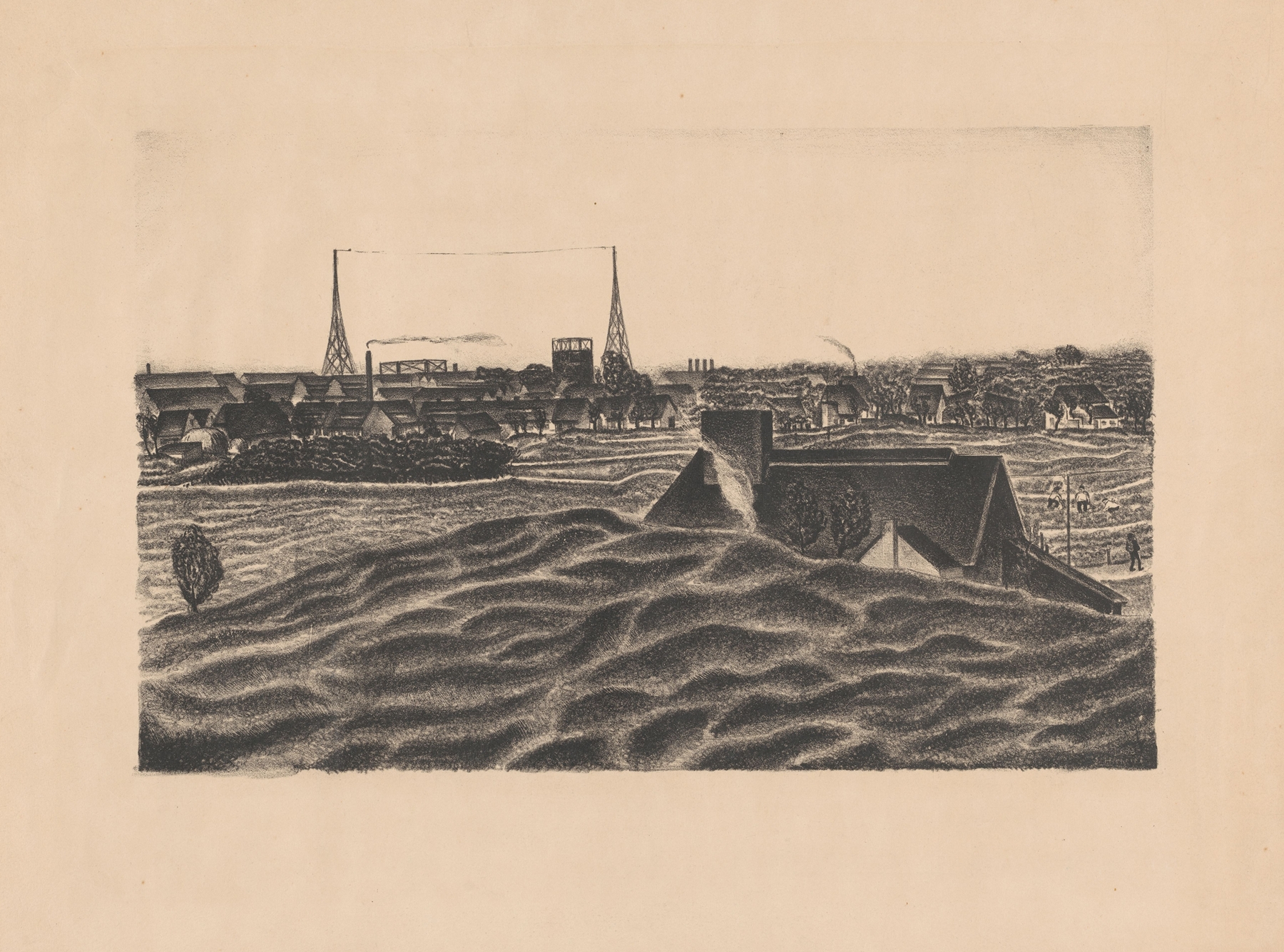
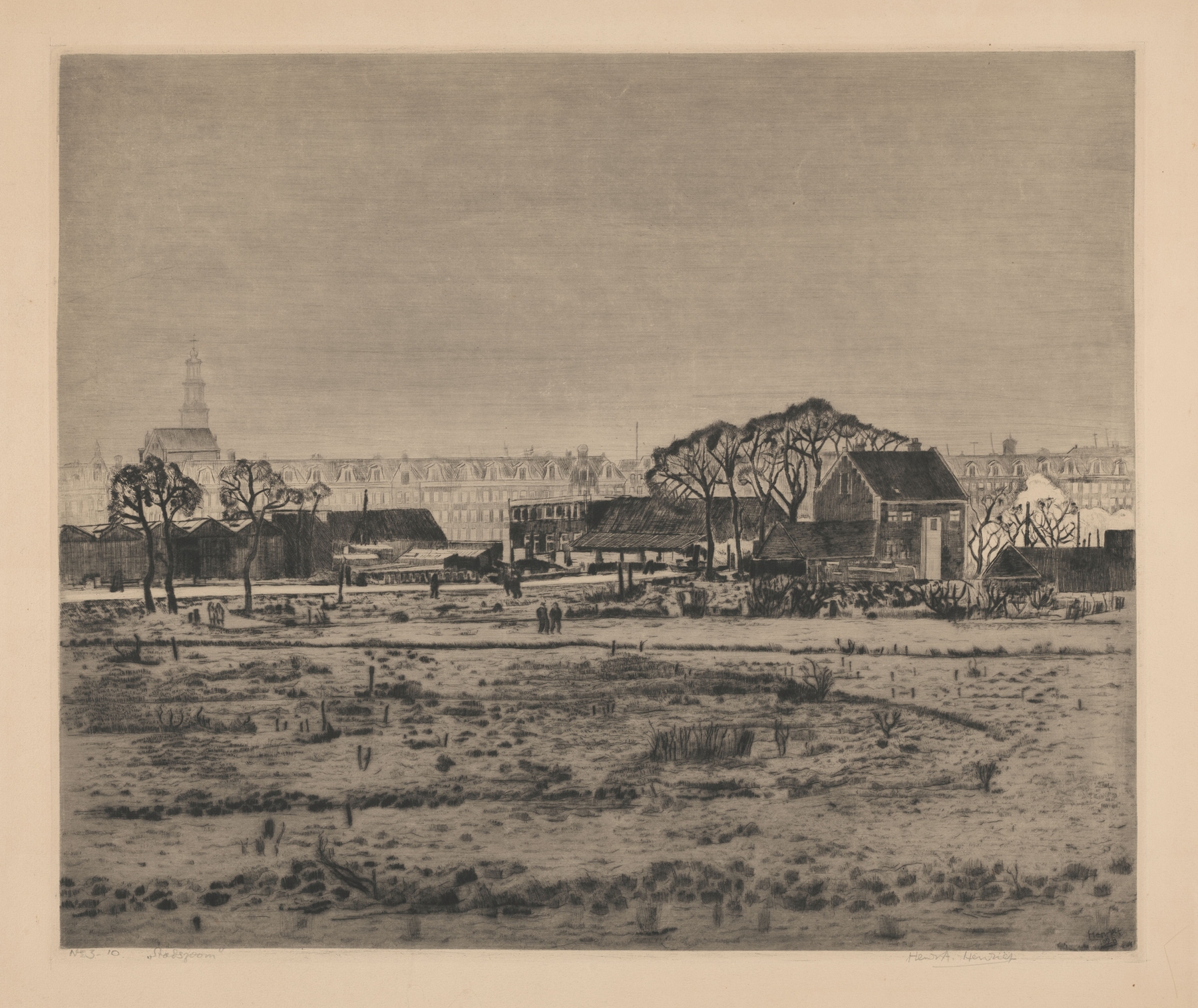
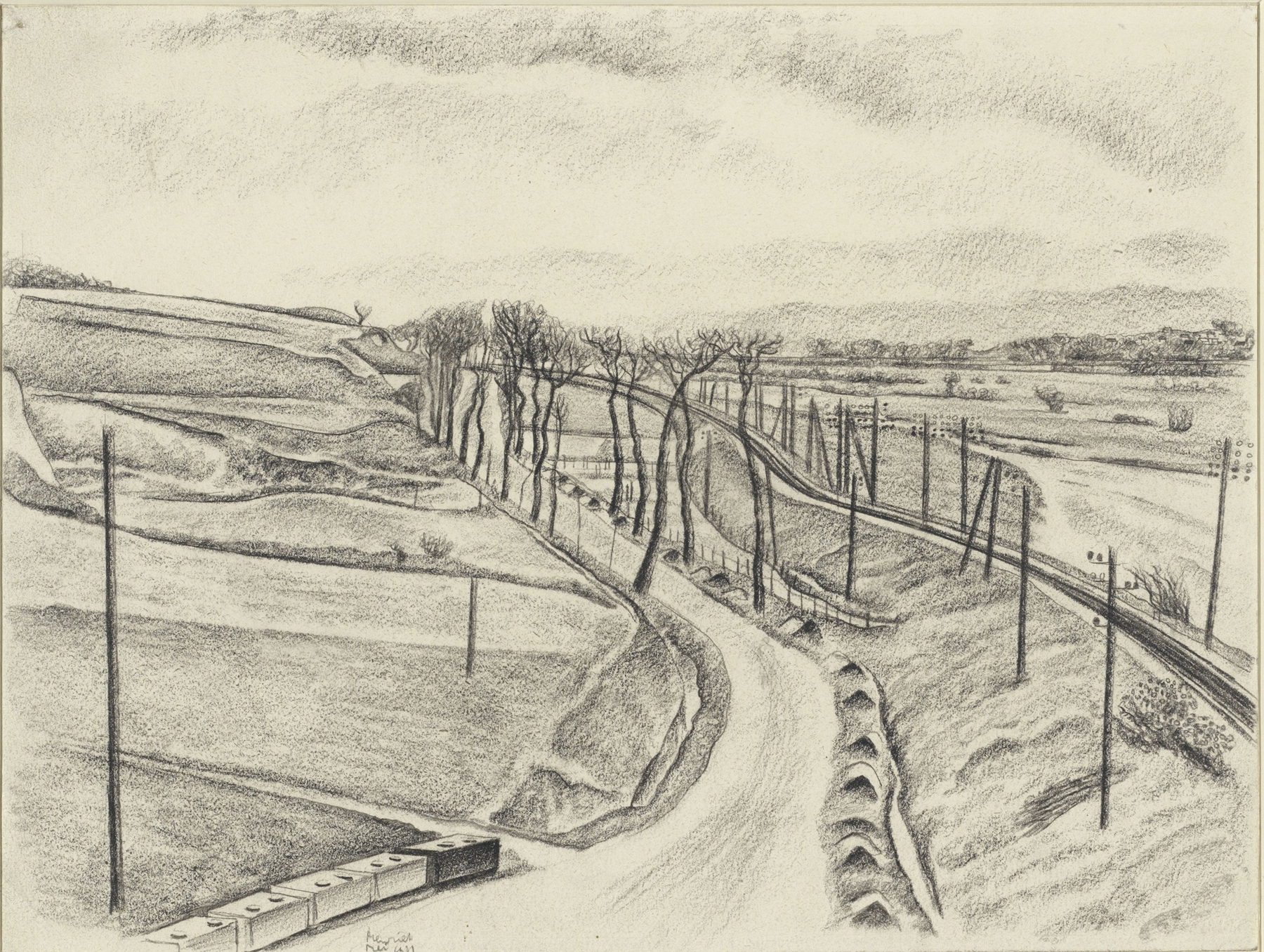
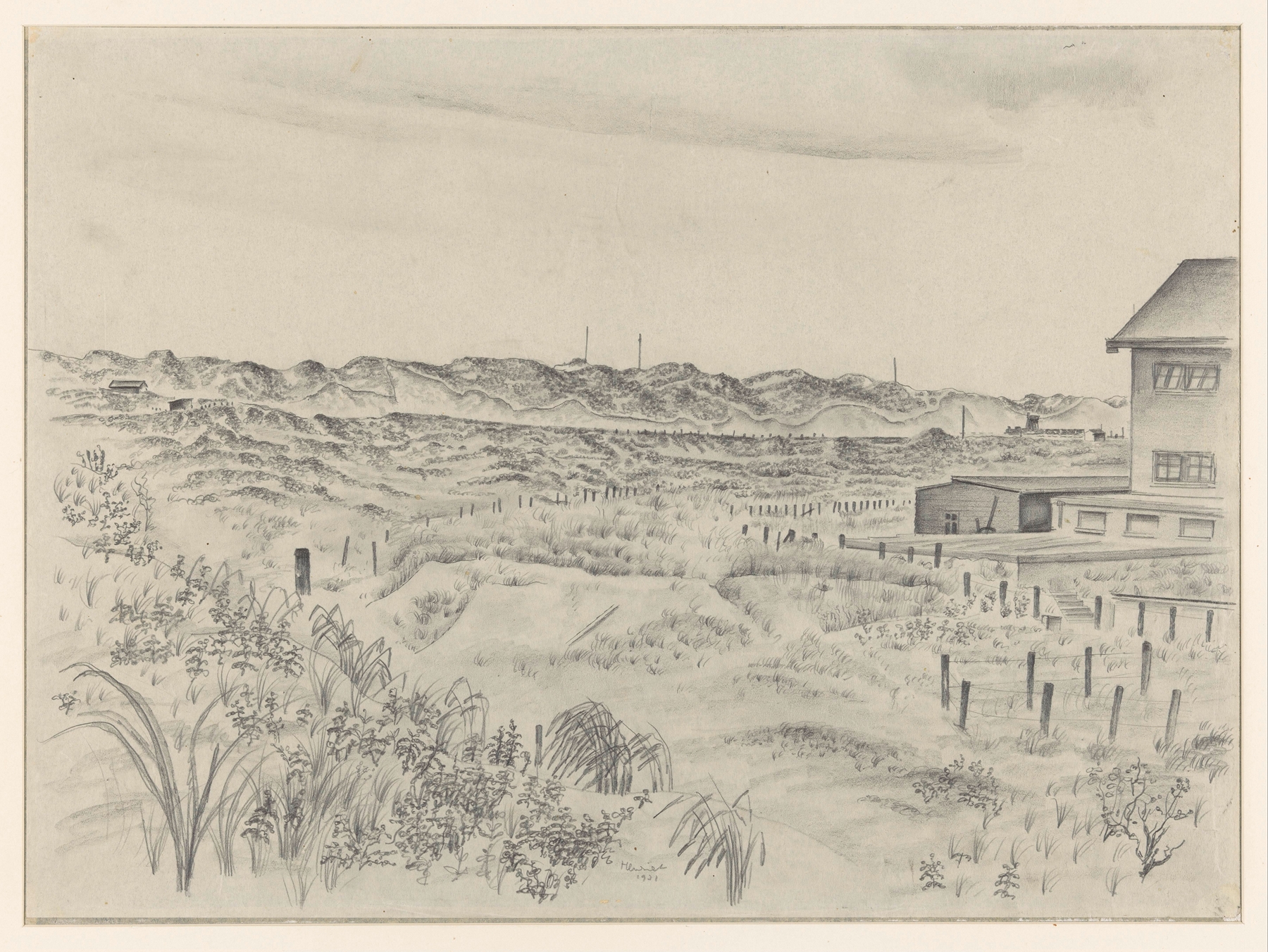
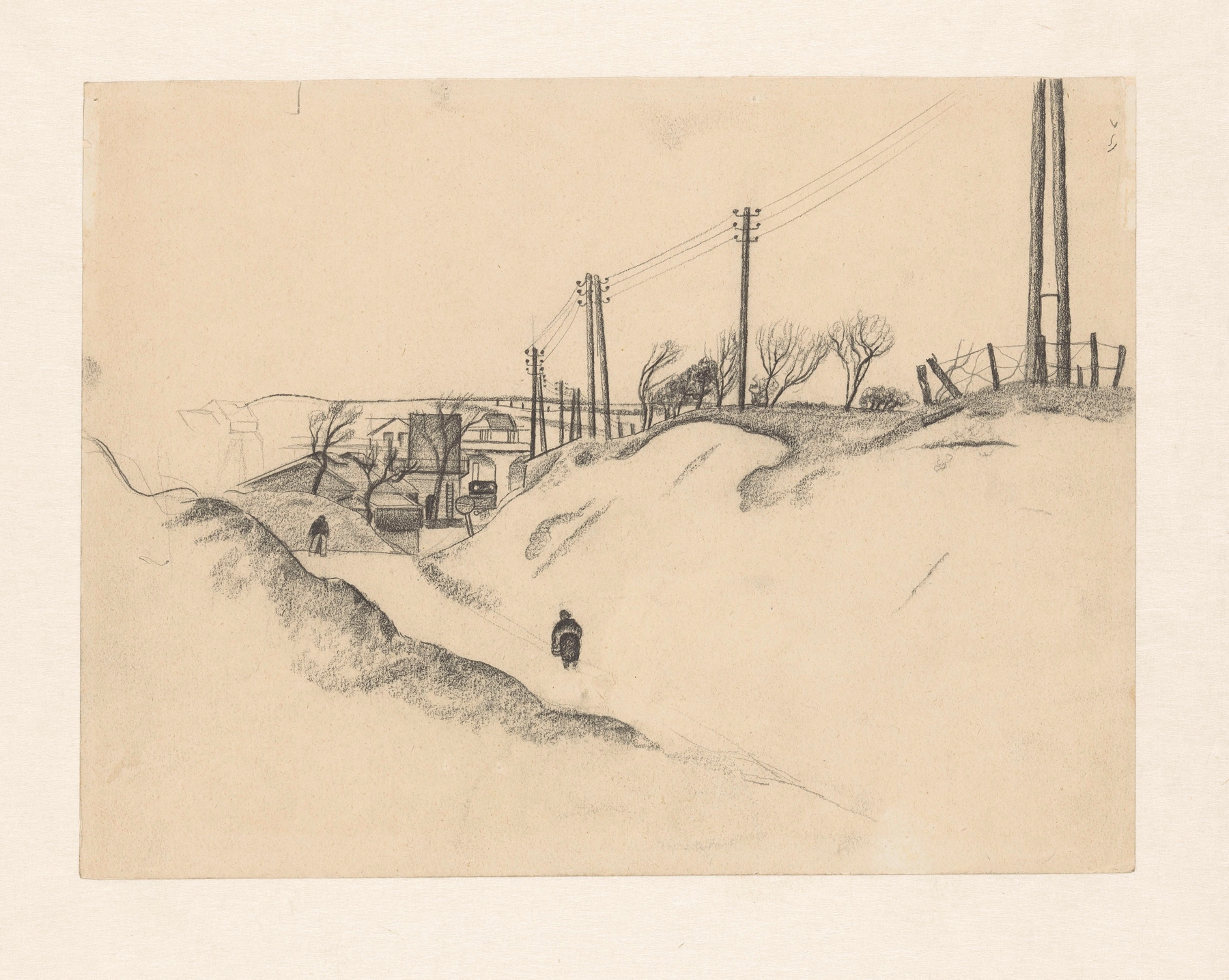
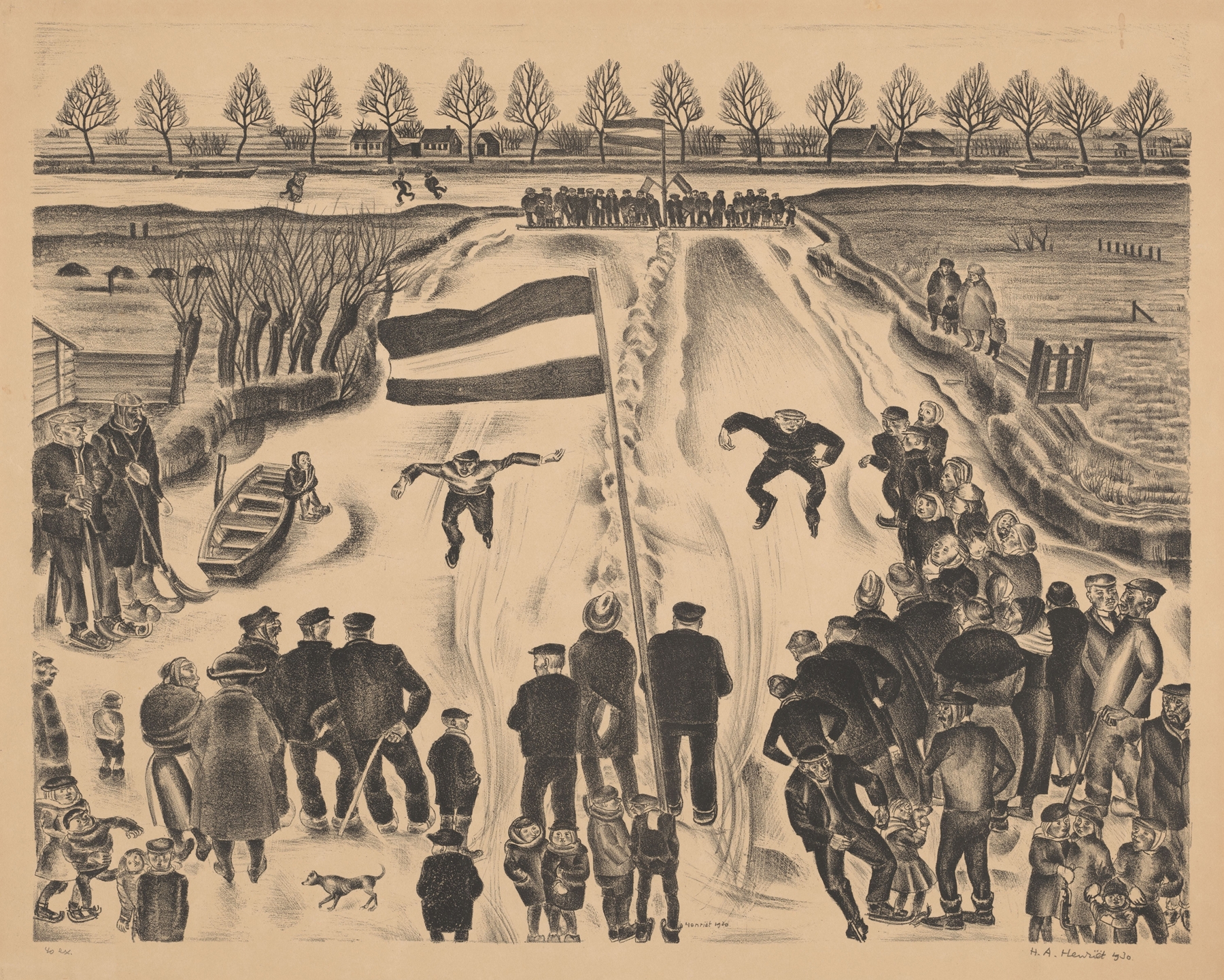
Could a single brushstroke hold eternity? In Landschap met huizen, the dreamlike composition invites viewers to wander through a realm where time blurs and tranquility reigns. Look to the horizon, where muted blues and greens blend seamlessly, giving way to a soft, golden aura that envelops the distant houses. Notice how the gentle curves of the land lead the eye towards the clustered structures, their forms barely defined yet evocative—suggesting life without demanding detail.
The brushwork, fluid and expressive, creates a sense of movement, as if the landscape breathes, whispering secrets of a peaceful existence. Within this serene vista lie contrasts that evoke deeper thoughts. The interplay between shadow and light reflects the passage of time, hinting at the impermanence of both landscape and life. The sparse yet intentional inclusion of houses suggests a yearning for community, while their isolation amidst expansive space conveys profound solitude.
This duality resonates with the viewer, inviting contemplation of one's own place within the vastness of life. Created during a tumultuous period between 1913 and 1945, the artist painted this work amidst shifting societal landscapes and personal introspection. Living in the Netherlands, he was influenced by the evolving artistic movements around him, as well as the impact of war on daily life. This painting distills the essence of his experiences, merging the external world with the internal, and offering a slice of stillness amidst chaos.