Early Evening — History & Analysis
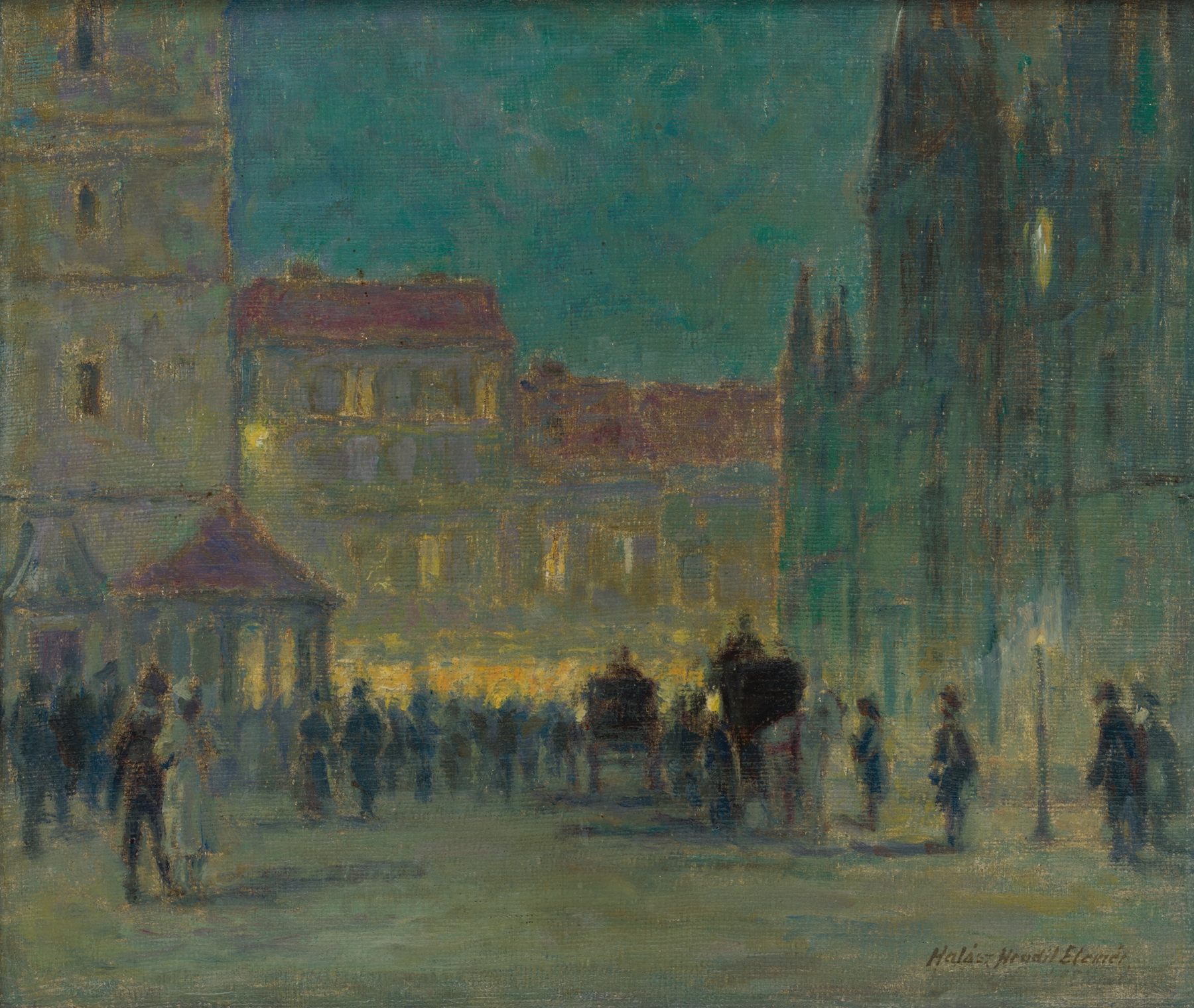
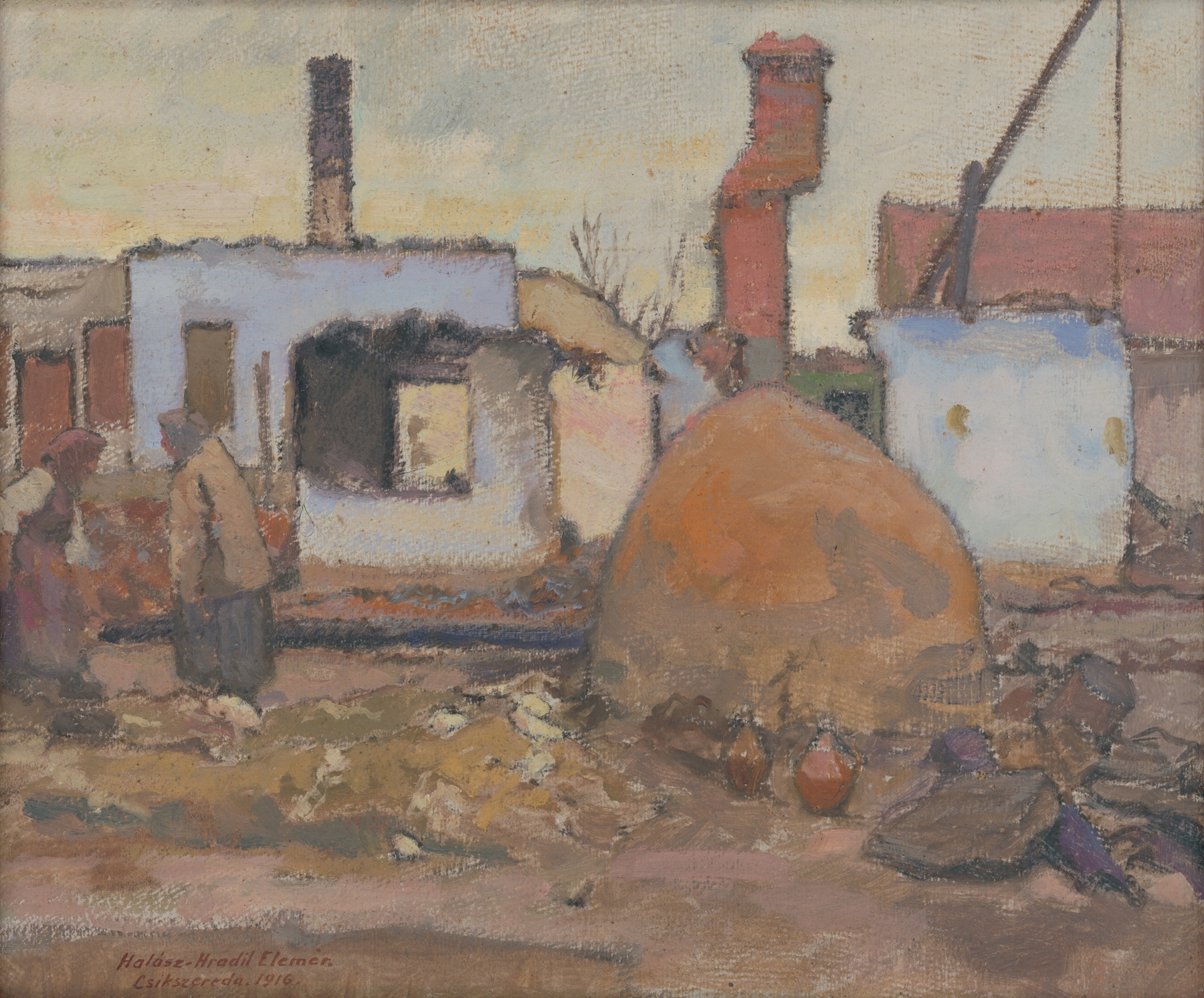
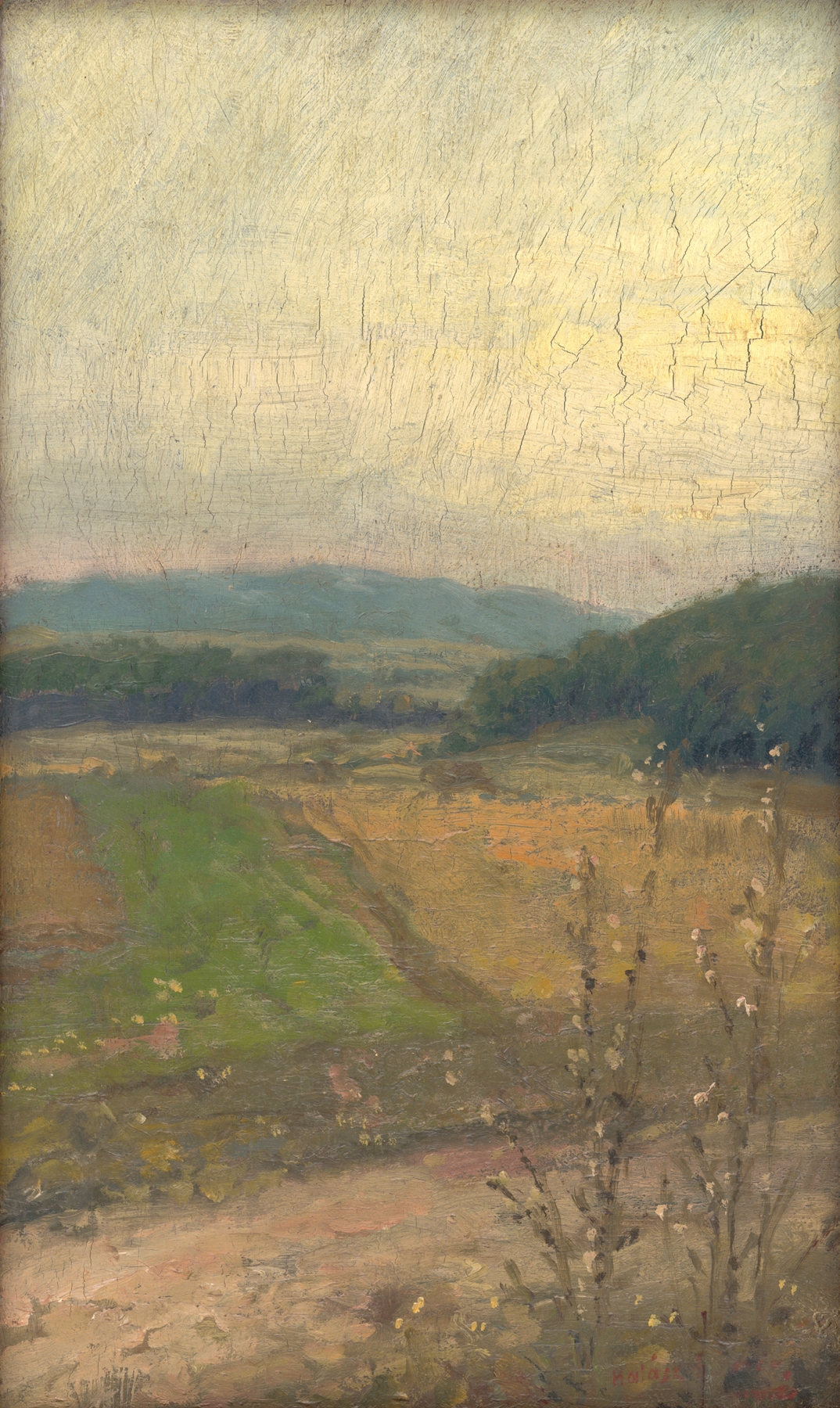
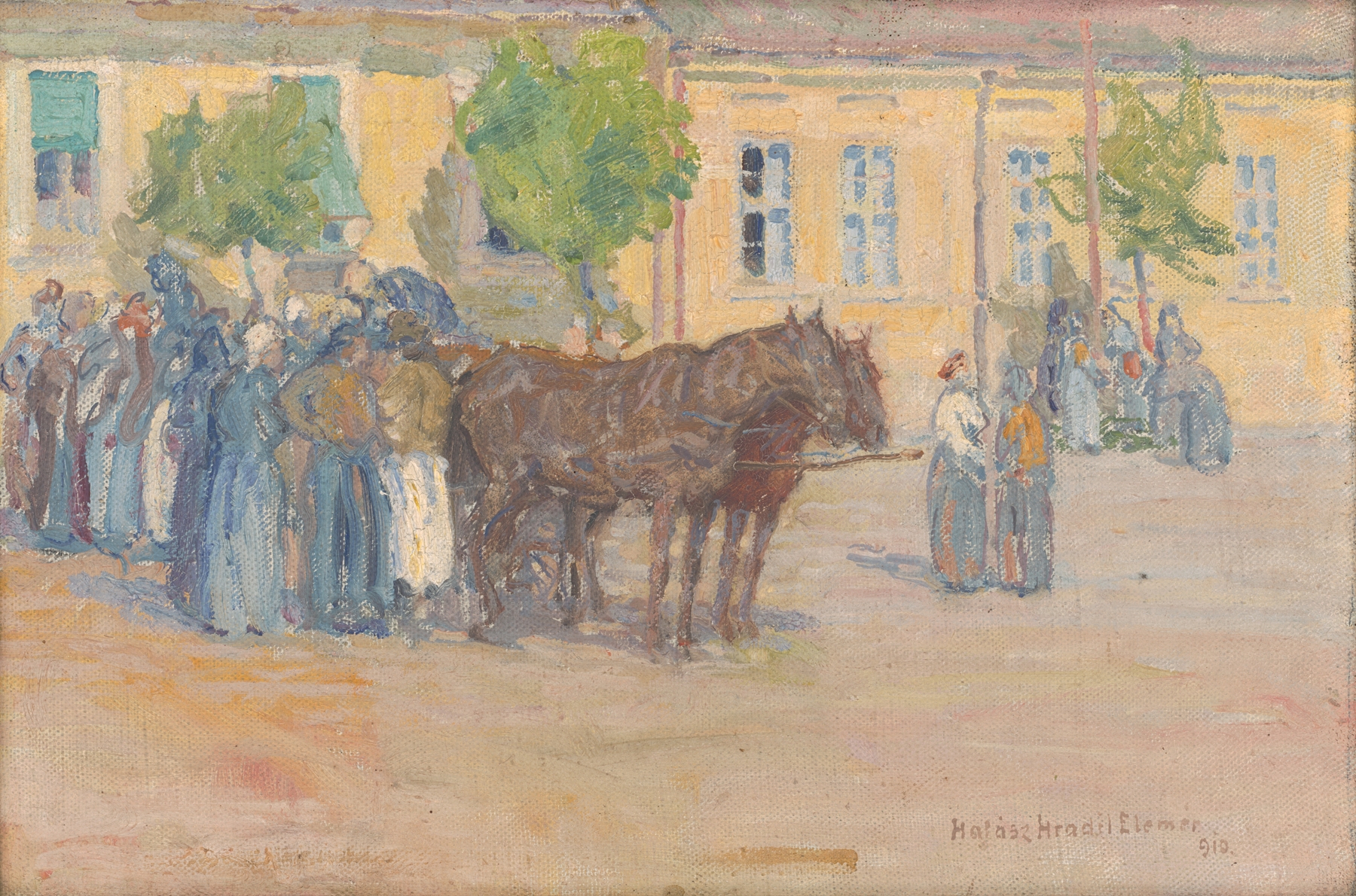
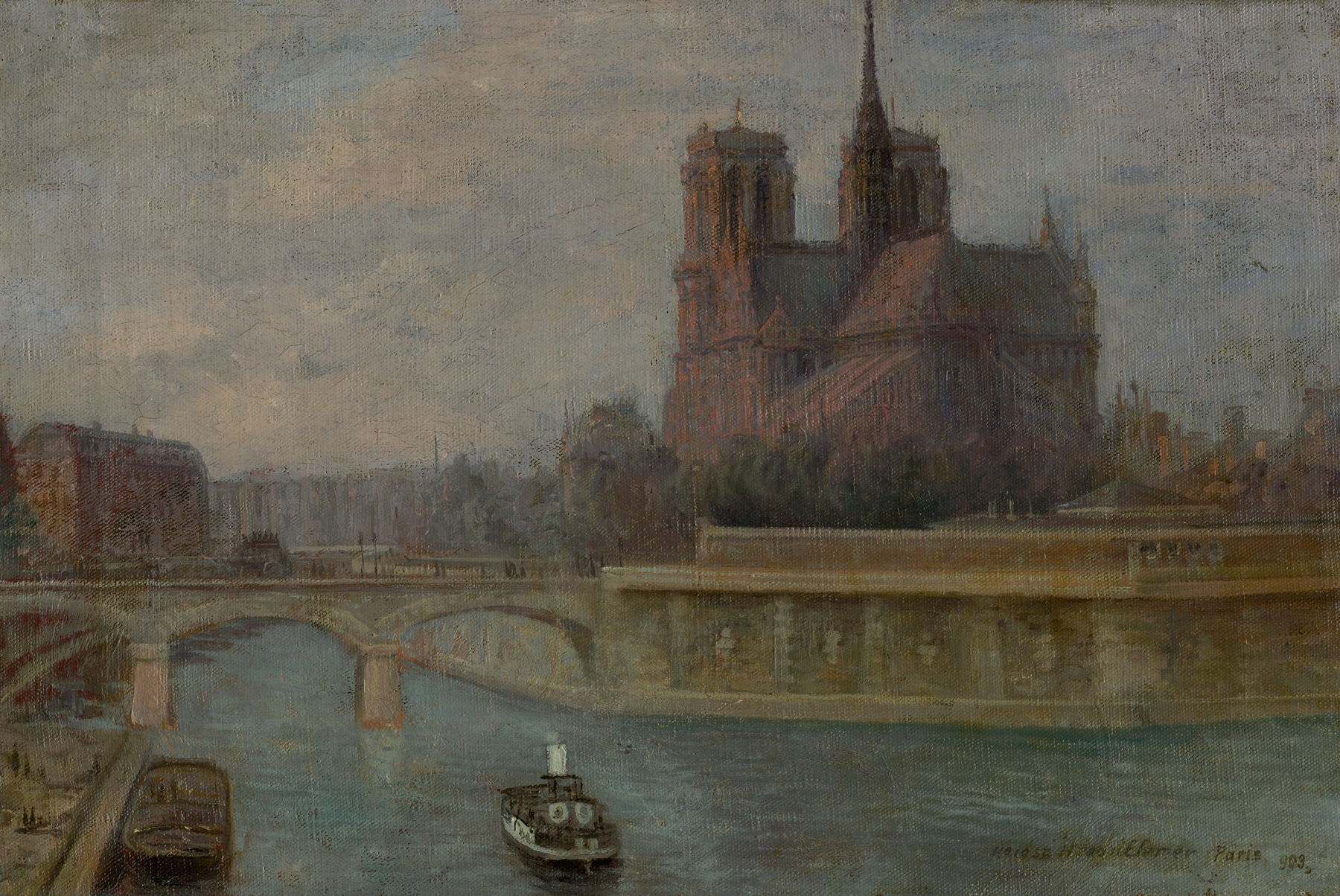
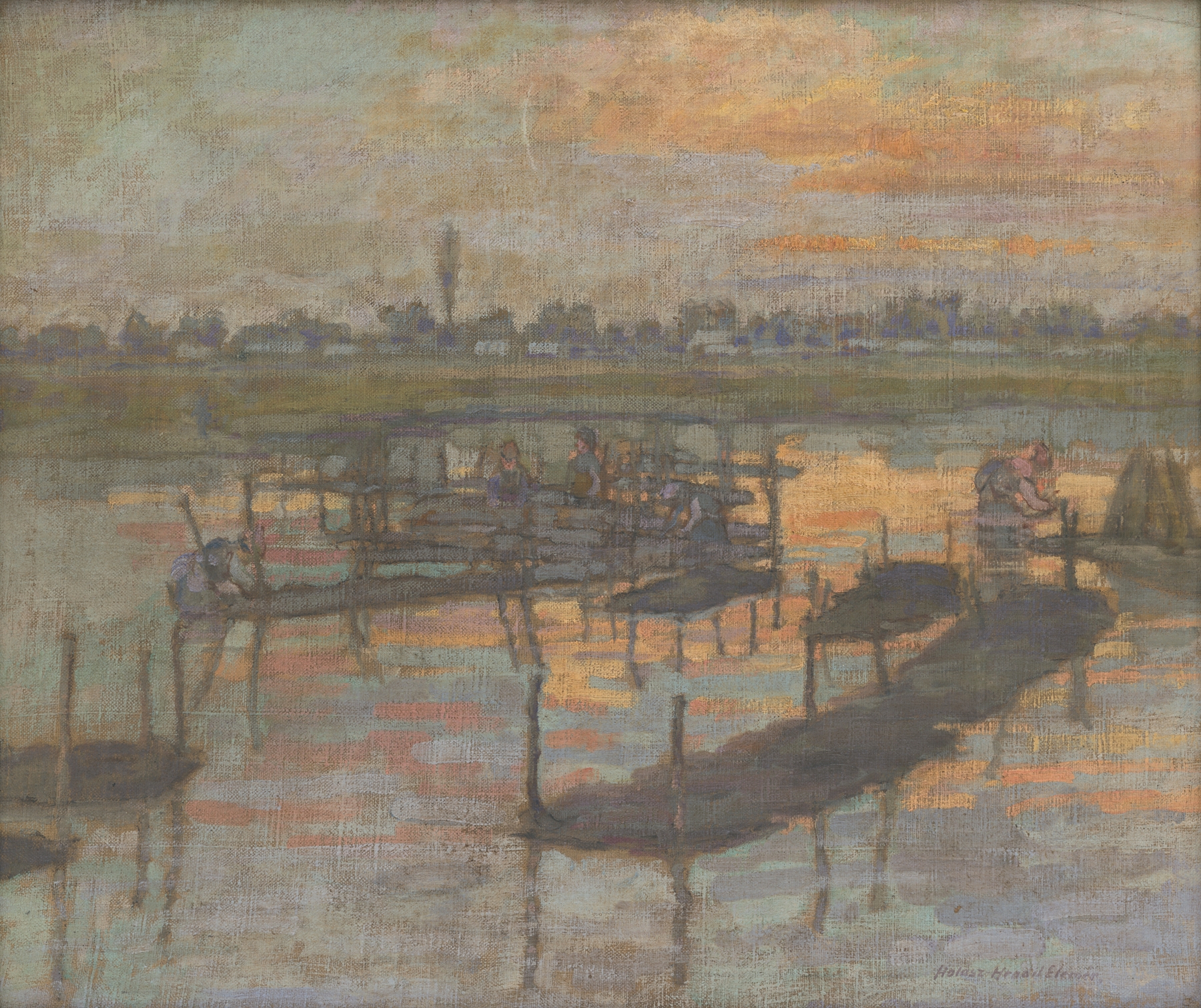
“To paint is to remember what time wants us to forget.” In the stillness of Early Evening, one can almost hear the hush that envelops the scene, a silence filled with unspoken stories and lingering emotions. The painting invites contemplation of fleeting moments that, once lost, can never be reclaimed. Look to the left, where the soft, muted hues of twilight blend seamlessly with the gently darkening sky. The palette, rich with earthy tones, casts a serene glow over the landscape, drawing the eye toward a solitary figure standing quietly at the water’s edge. Notice how the brushstrokes create a fluid sense of movement in the water, reflecting both the fading light and the stillness of the individual caught in this transition.
The delicate interplay of light and shadow evokes a sense of tranquility; it is a moment suspended in time. Amidst this serene setting, a tension brews between solitude and connection. The figure, though seemingly alone, embodies the weight of thoughtfulness, perhaps pondering the passage of time or the memories that linger like echoes in the dusk. The horizon line, low and expansive, amplifies this feeling of introspection, while the subtle reflections in the water hint at what lies beneath the surface—emotions that are often hidden yet profoundly felt.
Every element contributes to a quiet narrative, urging viewers to consider their own moments of stillness amid the chaos of life. In 1911, a time when modernist ideas began to reshape artistic expressions, the artist was navigating a personal evolution in his work and exploring themes of light and atmosphere. Living in Europe, he was influenced by the shifting perspectives of the art world, seeking to capture the ephemeral beauty of everyday experiences. This painting stands as a testament to Halász-Hradil's dedication to conveying the richness of human experience through the lens of nature's quiet moments.