Venice — History & Analysis
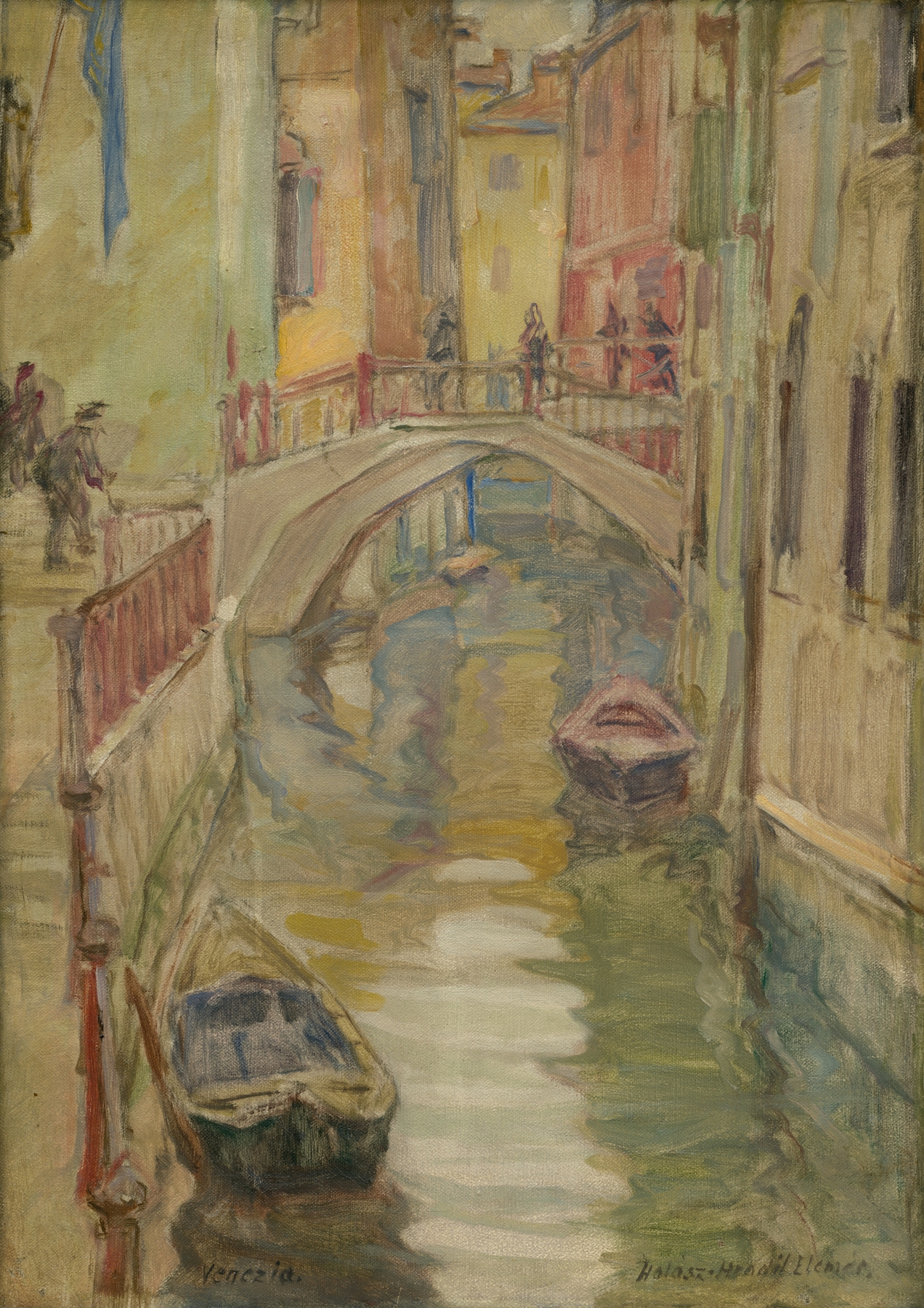
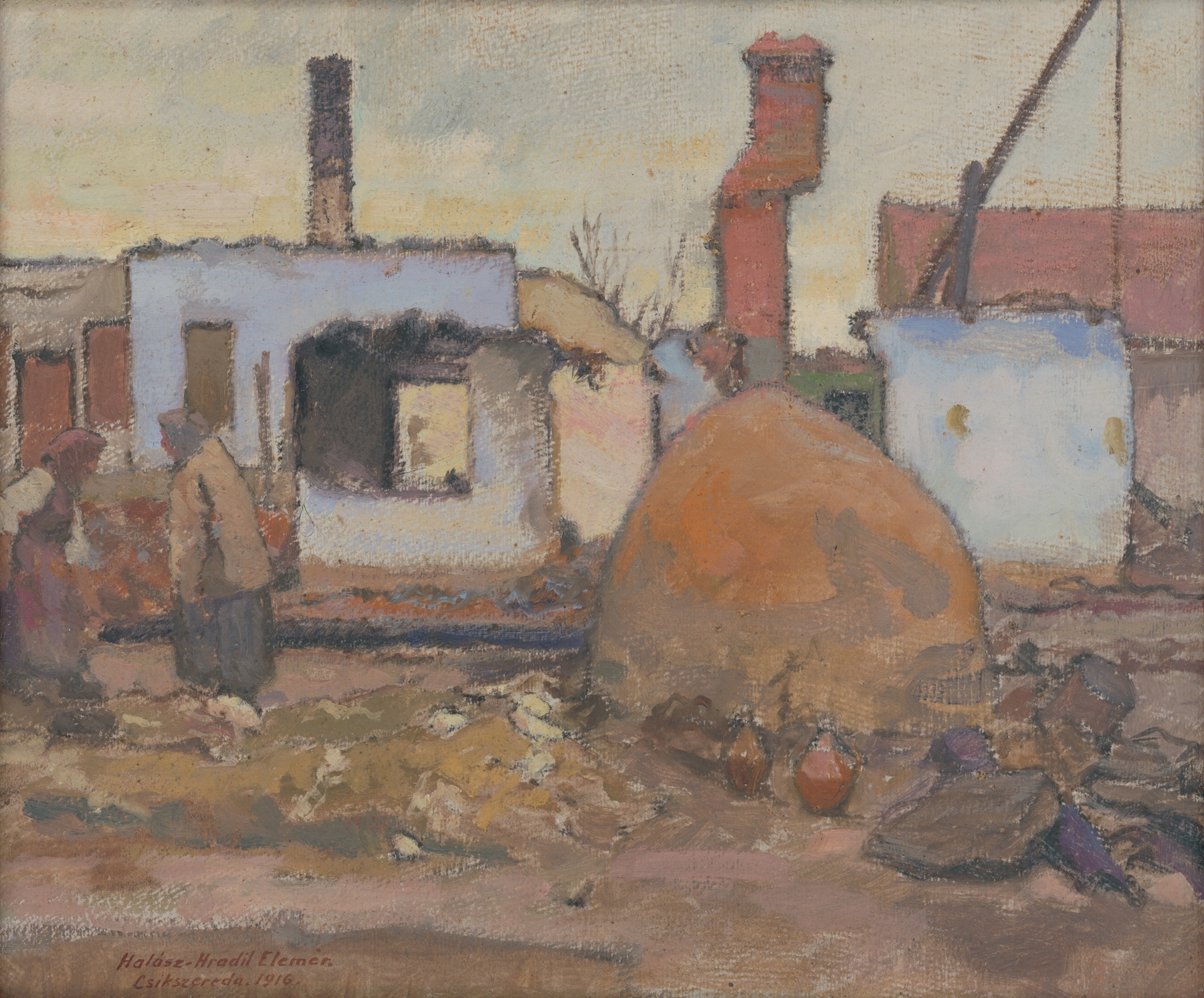
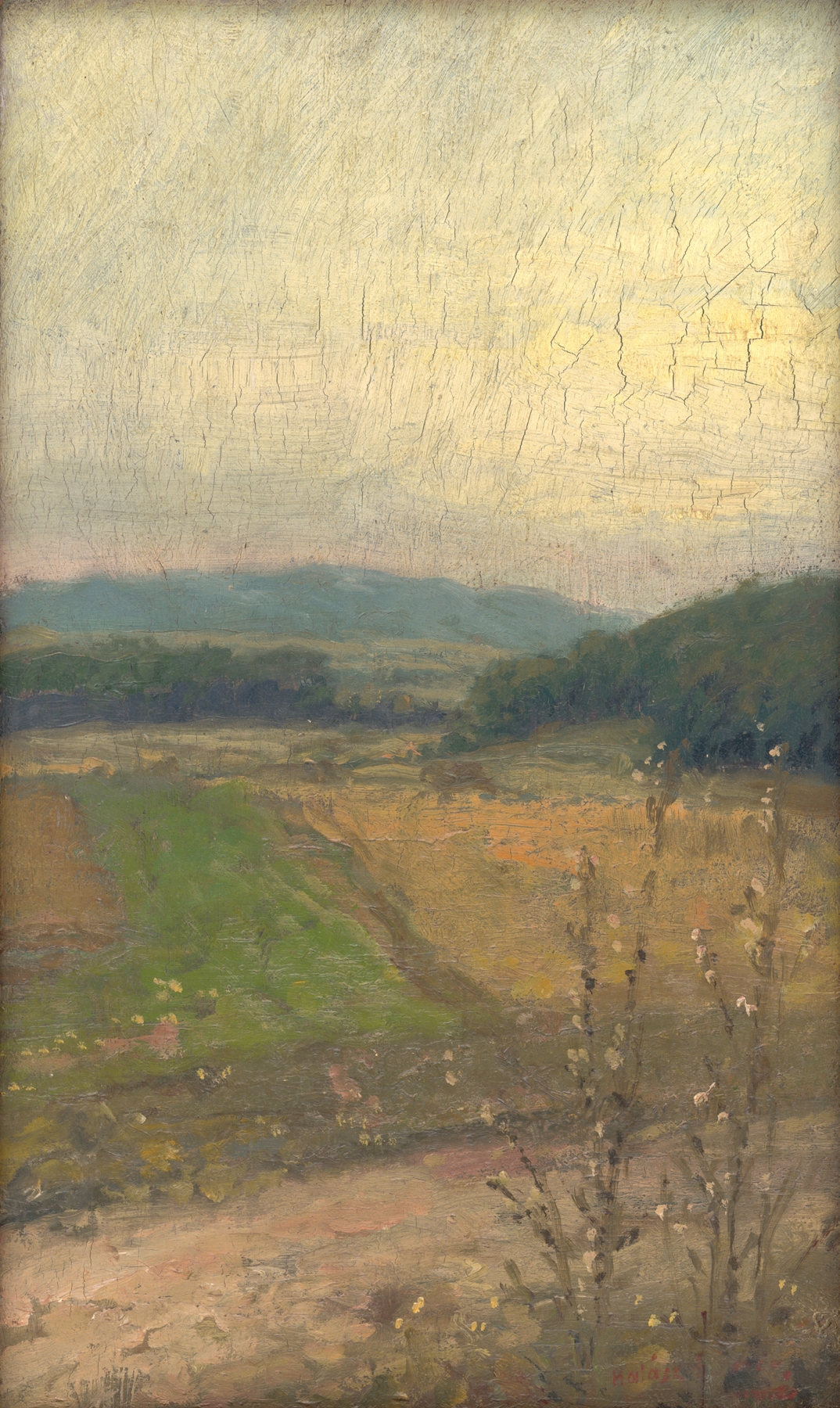
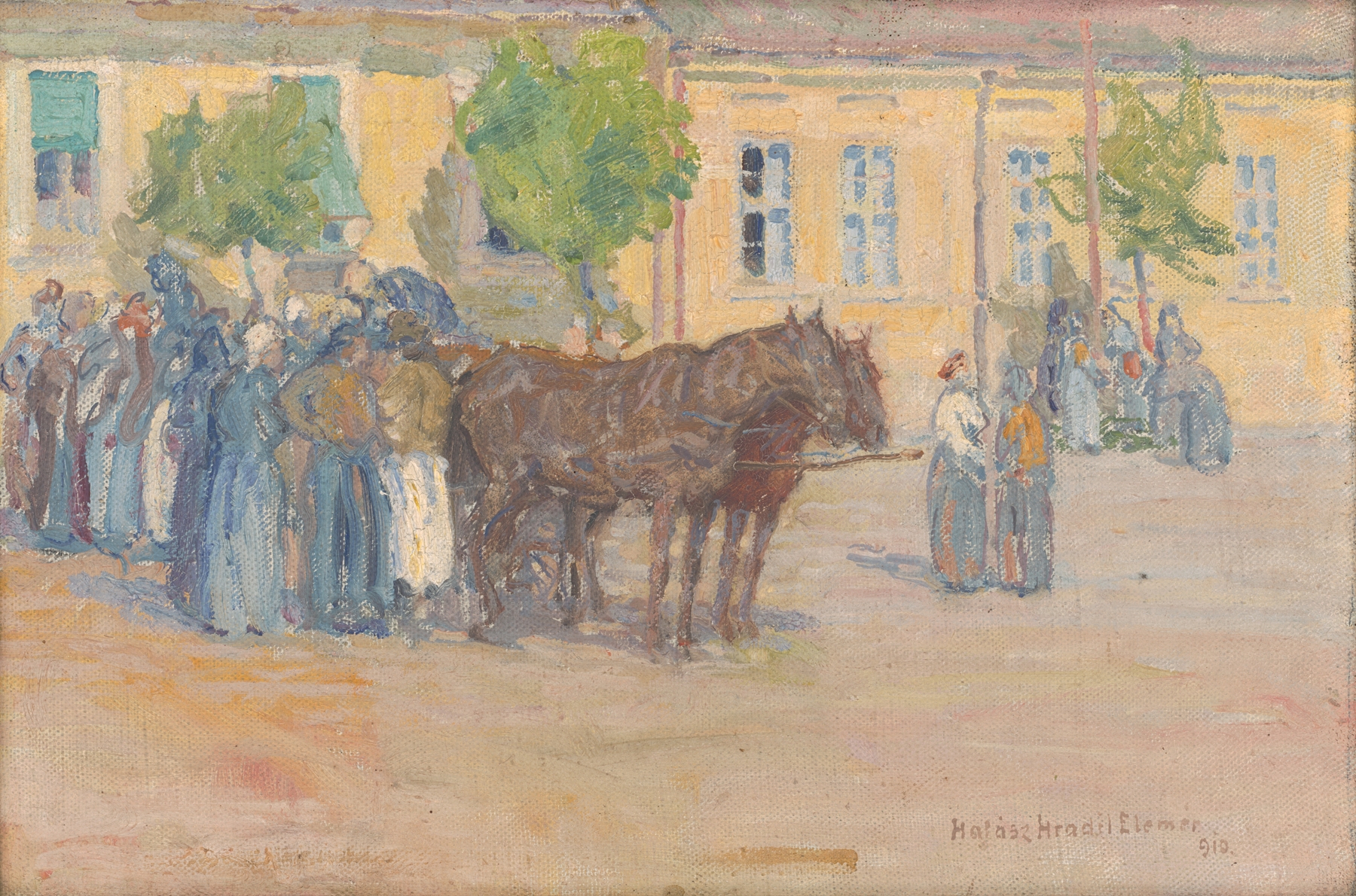
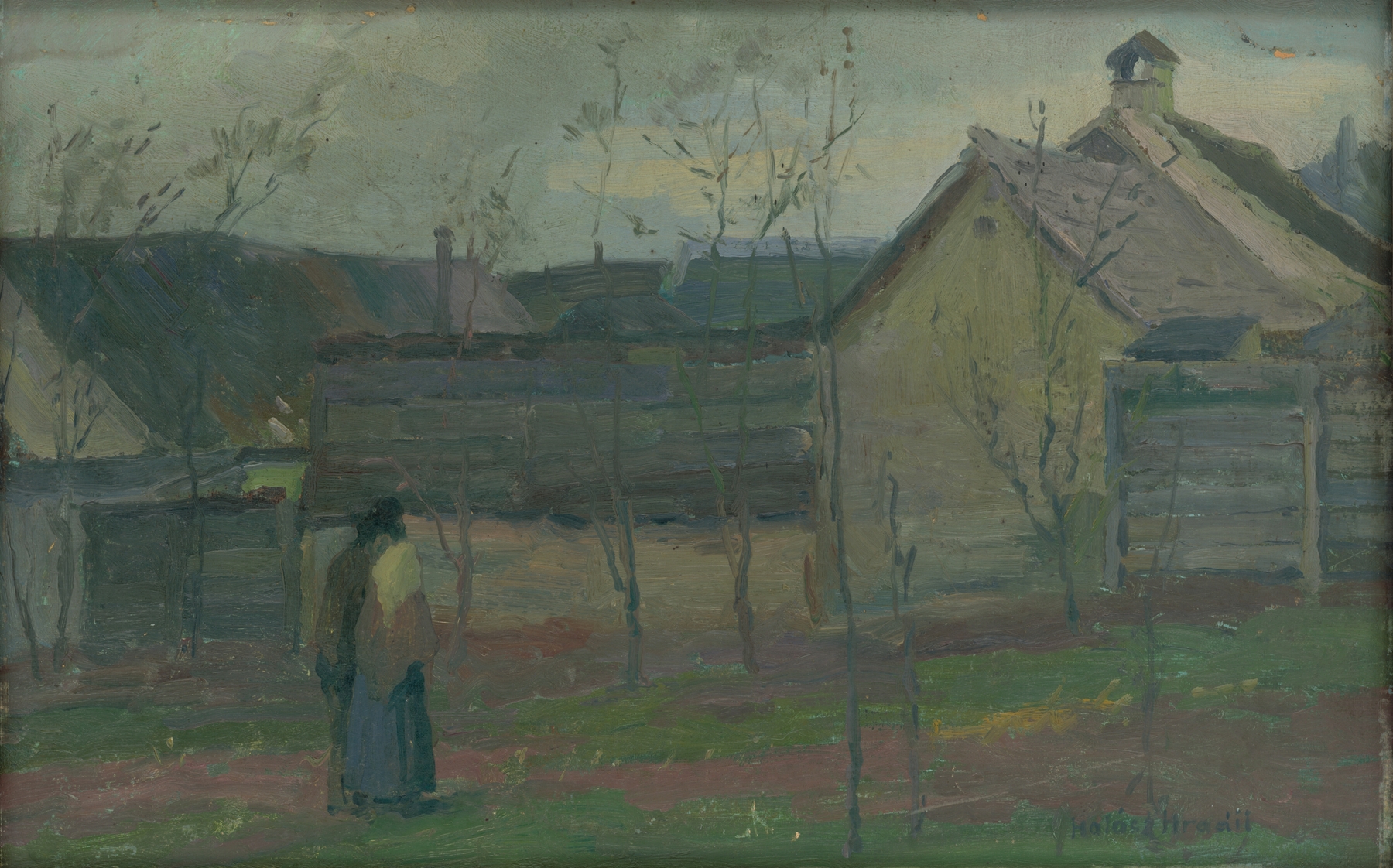
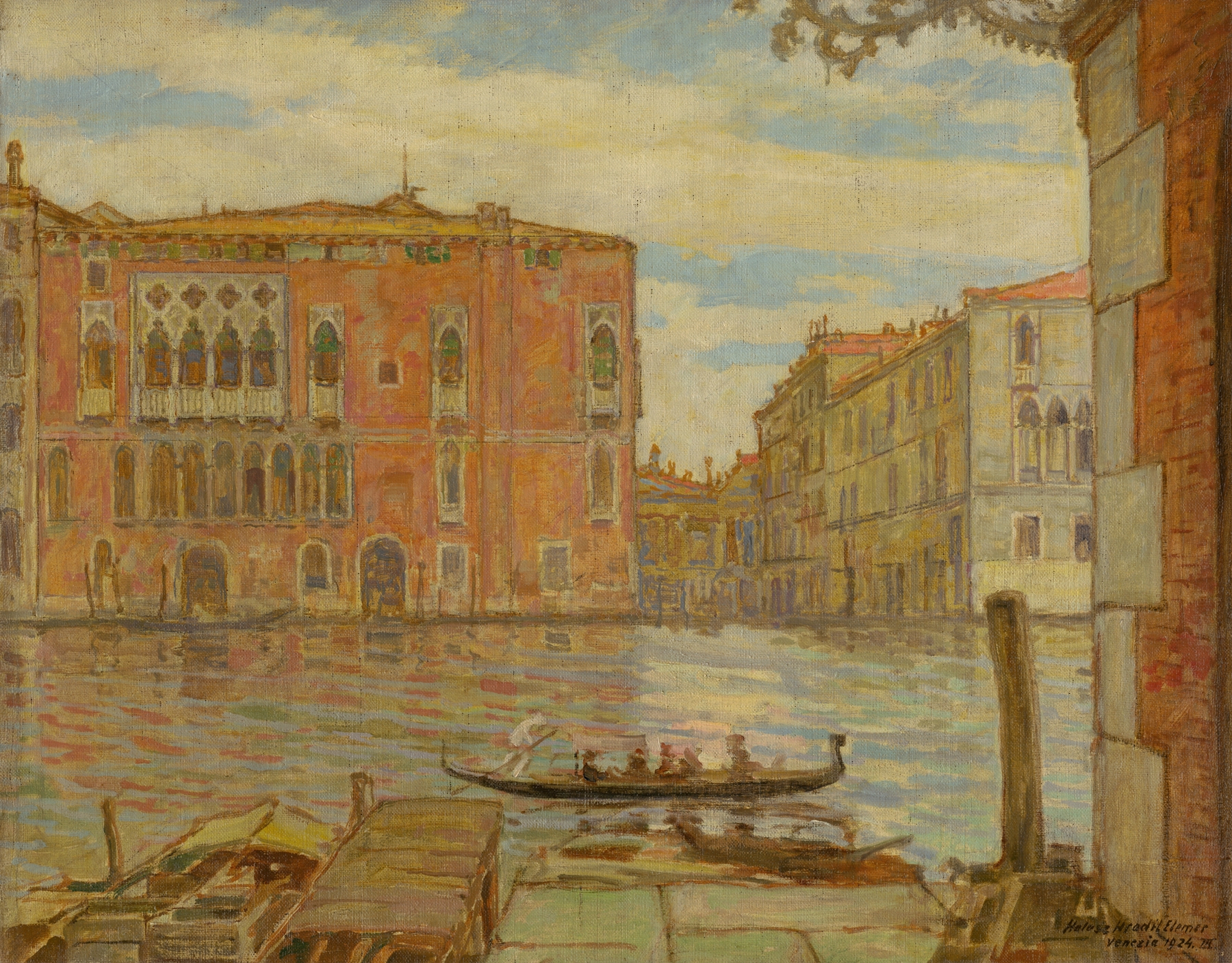
“Art reveals the soul when the world turns away.” In the quiet recesses of memory, a city breathes life through the strokes of a brush, evoking the essence of a place both familiar and distant. As you gaze upon the canvas, look to the lower right where the shimmering reflections of water dance against the vibrant façade of a Venetian building. Notice how the artist employs a delicate palette of blues and warm ochres, giving the scene a luminous warmth that captures the very spirit of the city. The brushwork, fluid yet precise, invites the viewer into this ethereal moment, while the composition draws the eye along the winding canals, suggesting movement and the passing of time.
Beneath the surface, the painting suggests a deeper narrative of nostalgia and fleeting beauty. The juxtaposition of serene water and bustling architecture mirrors the duality of life in Venice—a city that thrives on both its romantic allure and the weight of its history. The soft interplay of light and shadow hints at the transient nature of memory, where moments of joy may fade yet linger in the heart.
In 1924, the artist created this piece during a period of personal exploration while living in Europe, amid the evolving landscape of modernism. Halász-Hradil, noted for his affinity for light and space, sought to capture the essence of places he loved, and Venice, with its enchanting canals and scenic vistas, served as a perfect muse. This work reflects not only the artist's artistic journey but also the broader cultural shifts of the time as Europe grappled with the aftermath of World War I.