Venice — History & Analysis
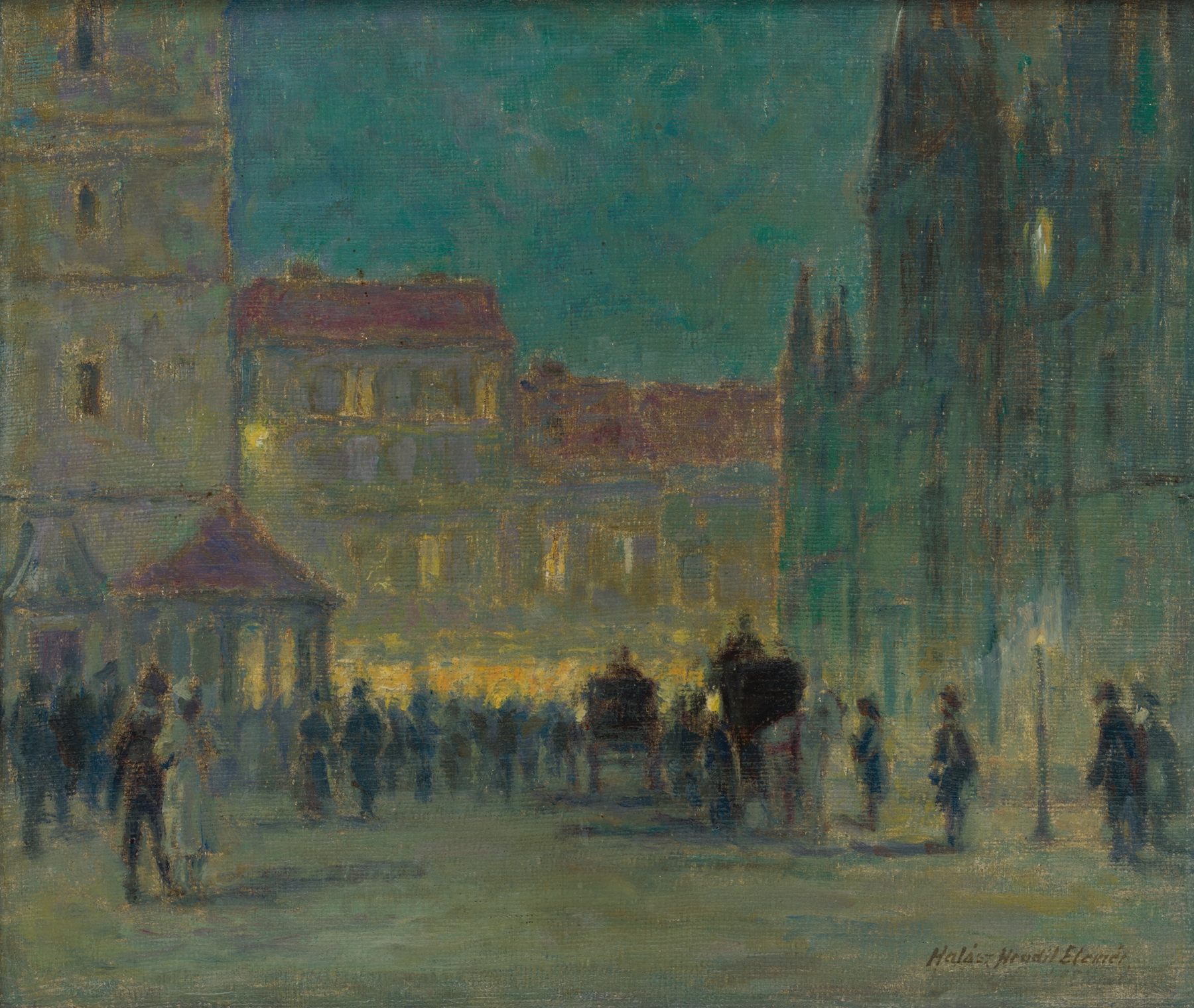
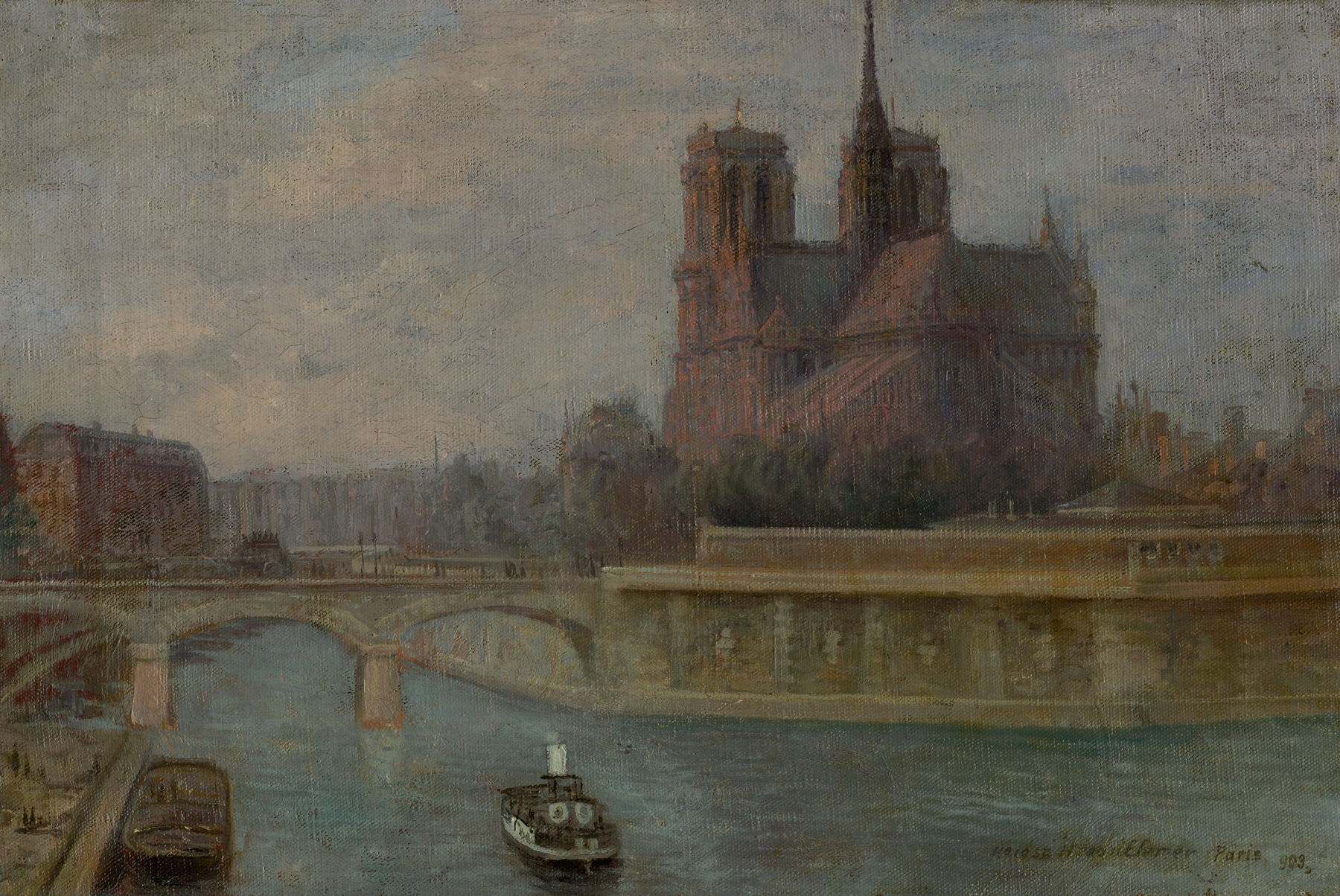
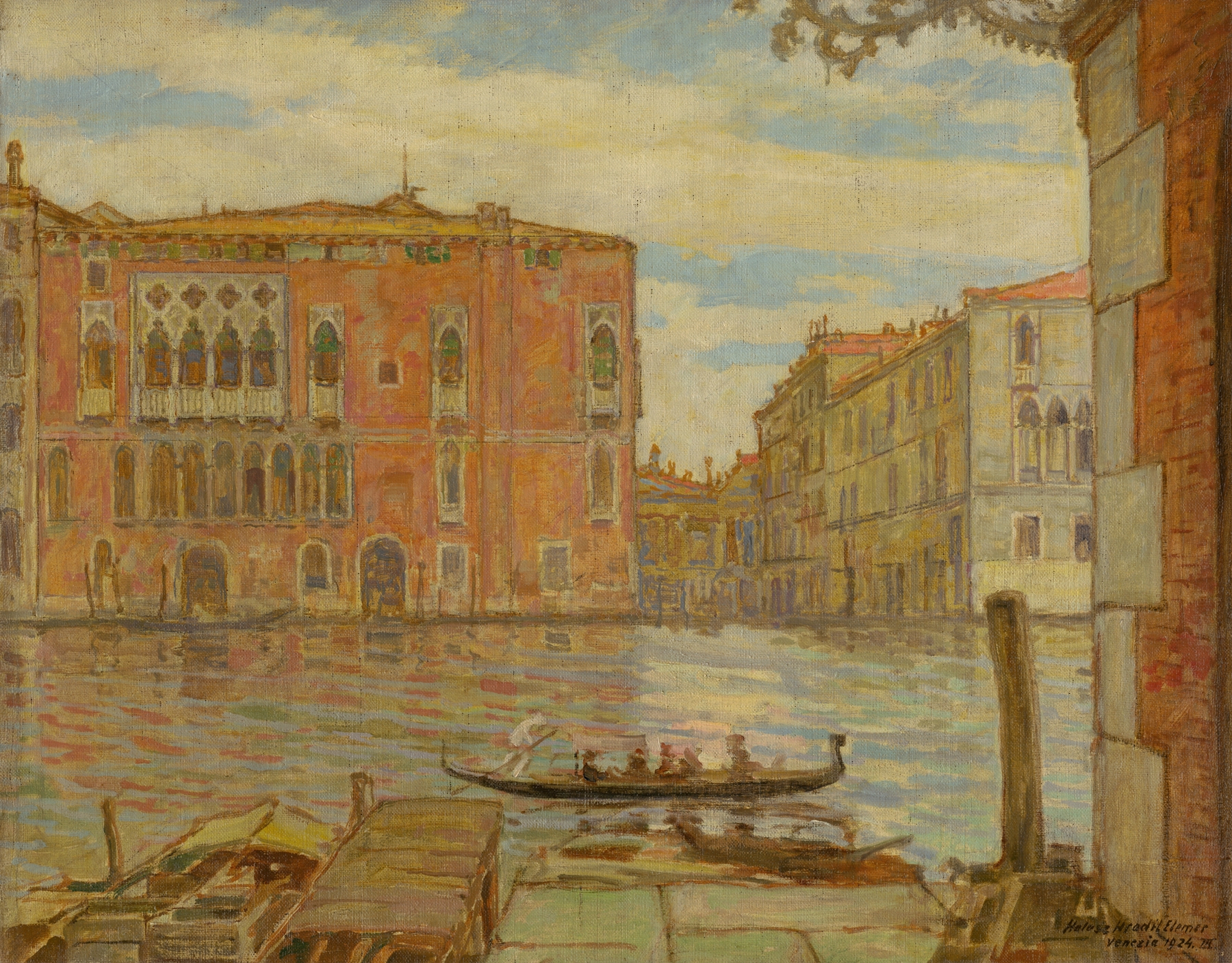
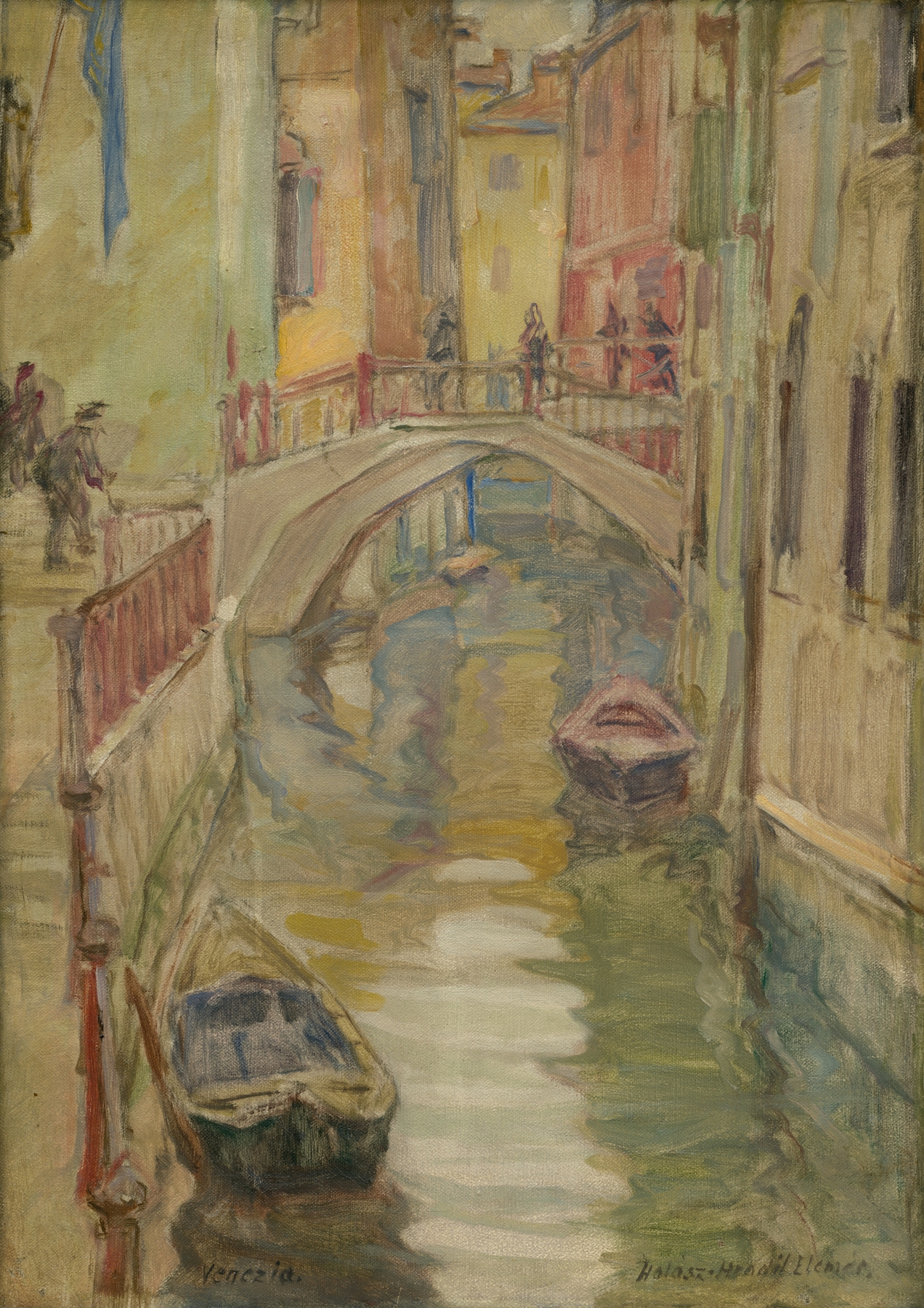
“Every silence here is a confession.” In the heart of Venice, transformation unfolds in the quiet interplay of light and shadow, where every corner whispers untold stories. Look to the left at the delicate interplay of soft blues and shimmering golds that capture the essence of the city’s canals, while the reflections dance like memories on the water’s surface. The artist employs broad, sweeping strokes that convey movement, evoking the gentle flow of life through the waterways. Notice how the vibrant hues meld into one another, creating a tapestry of emotion that draws the viewer deeper into the scene.
Beneath the surface of the painterly chaos, hidden meanings emerge. The juxtaposition of light and dark suggests a duality of experience—the beauty and decay inherent in the city’s architecture, a reminder of time's relentless march. The soft edges of the buildings hint at the transient nature of life in this ancient city, while the calm water acts as a mirror, reflecting both the physical and existential transformations that Venice embodies.
In 1924, Elemír Halász-Hradil was immersed in a world of artistic exploration in Paris, where modernism was reshaping the art landscape. This period saw the artist grappling with his identity and influences, reflecting on the balance between tradition and innovation. His love for Venice, a city caught between its storied past and the ever-changing present, becomes a powerful metaphor for his own artistic journey and the broader currents within the art world.