Early spring — History & Analysis
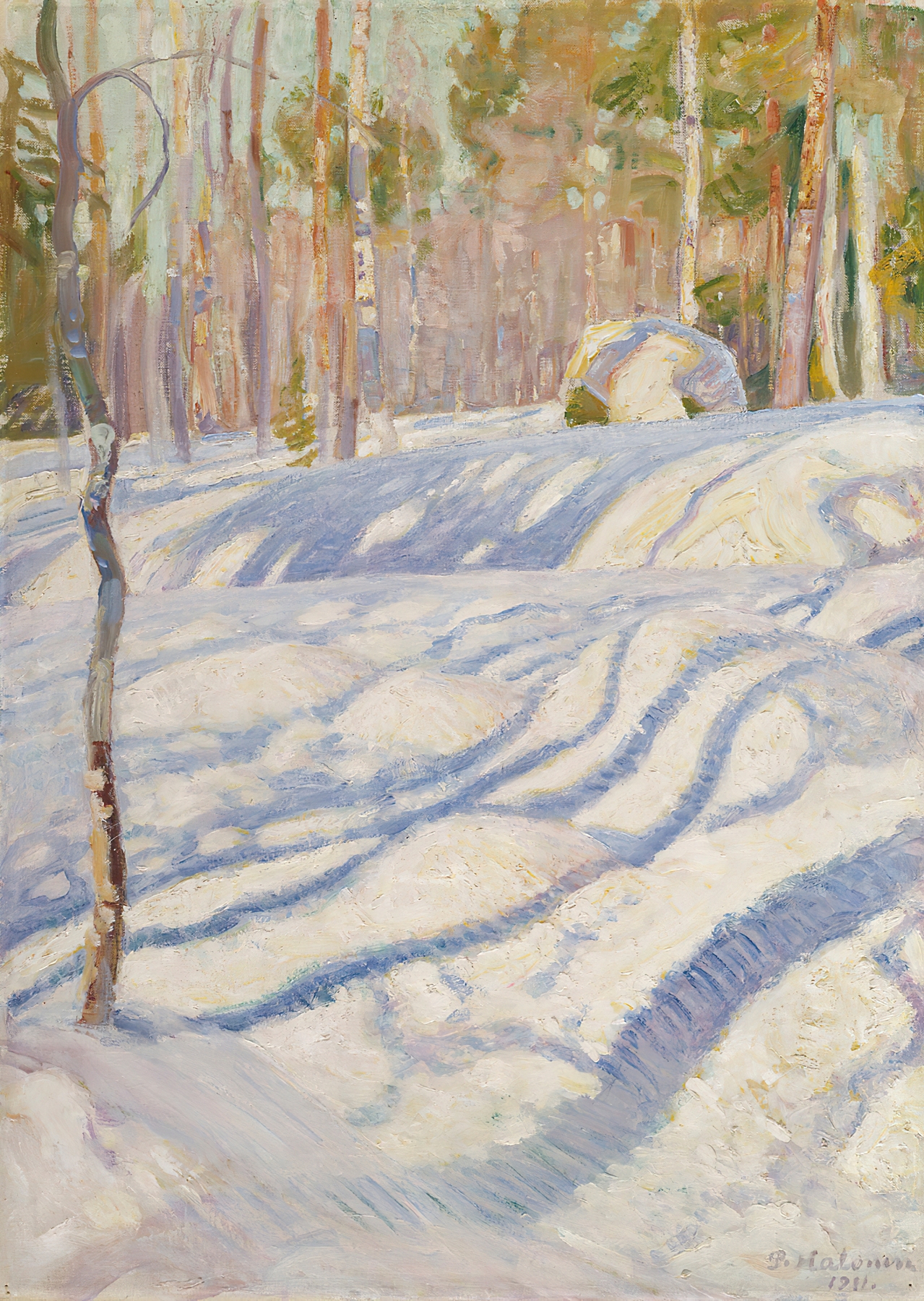
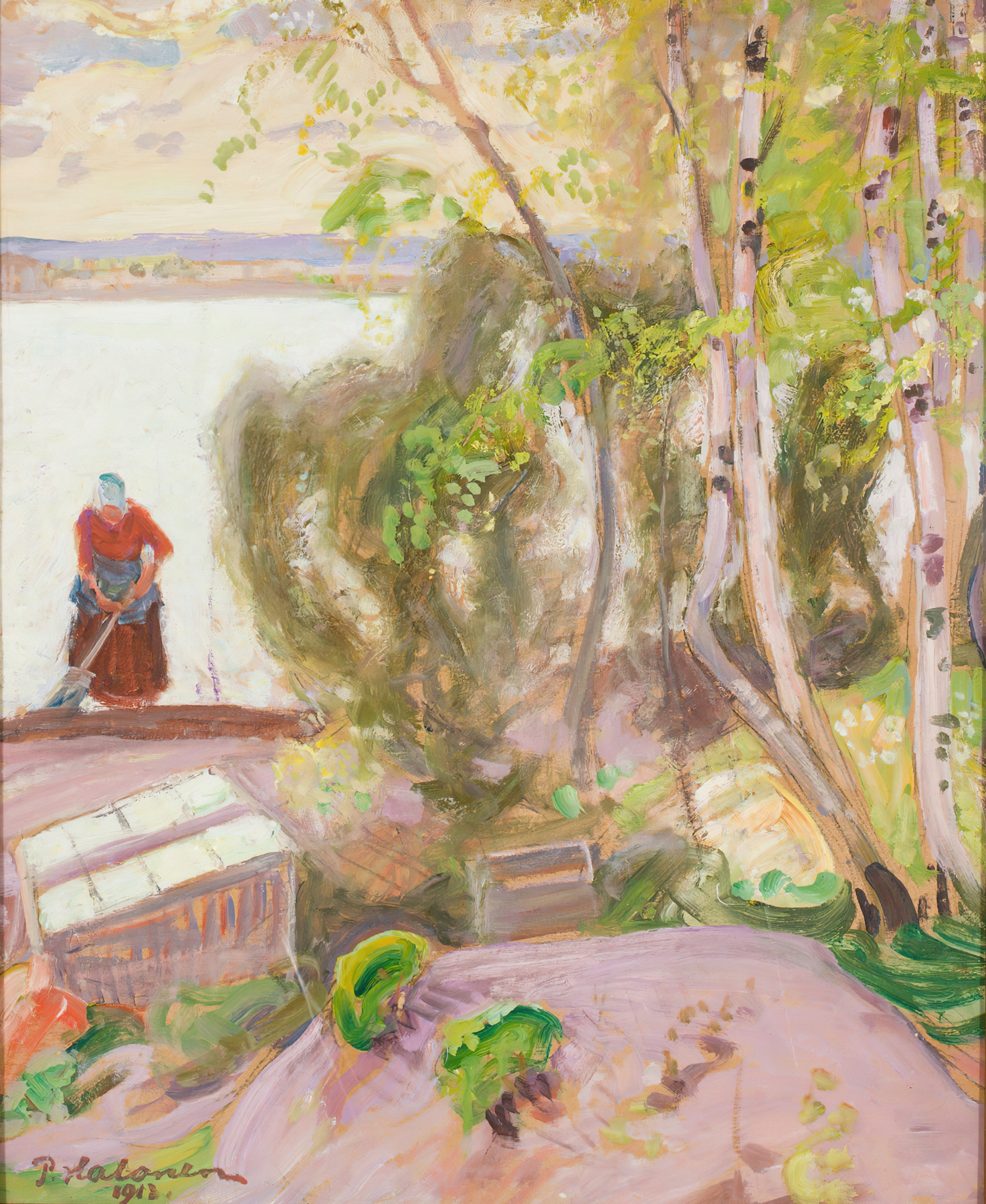
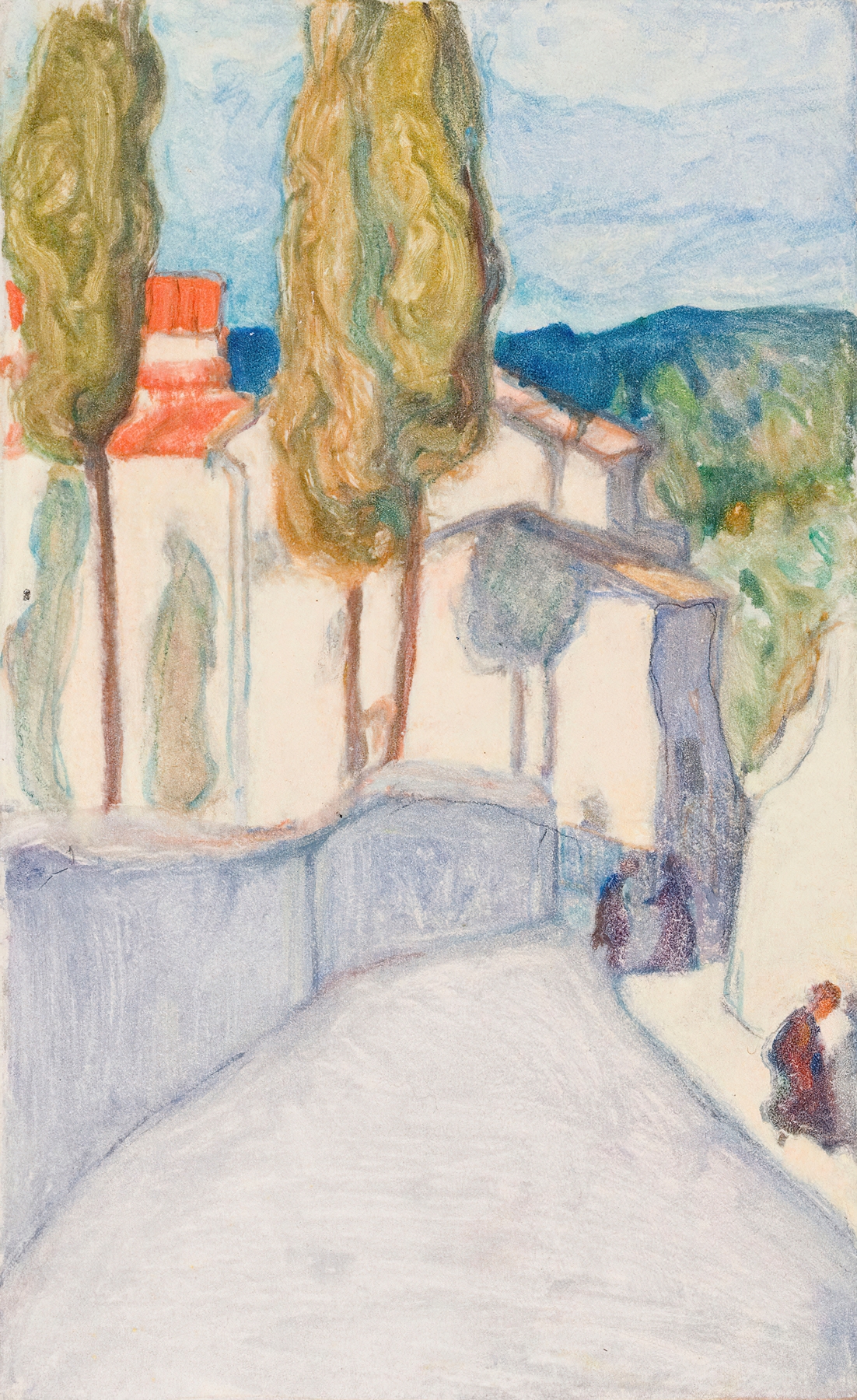
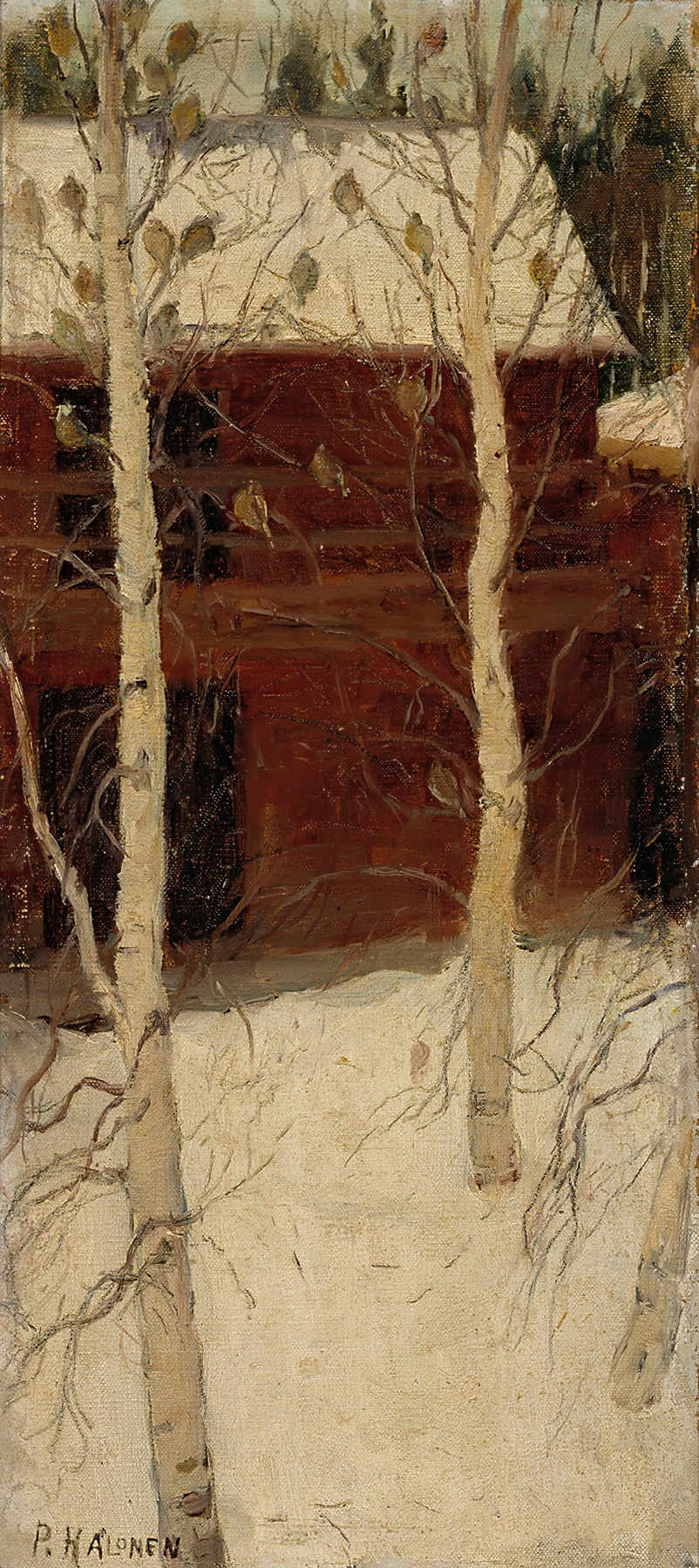
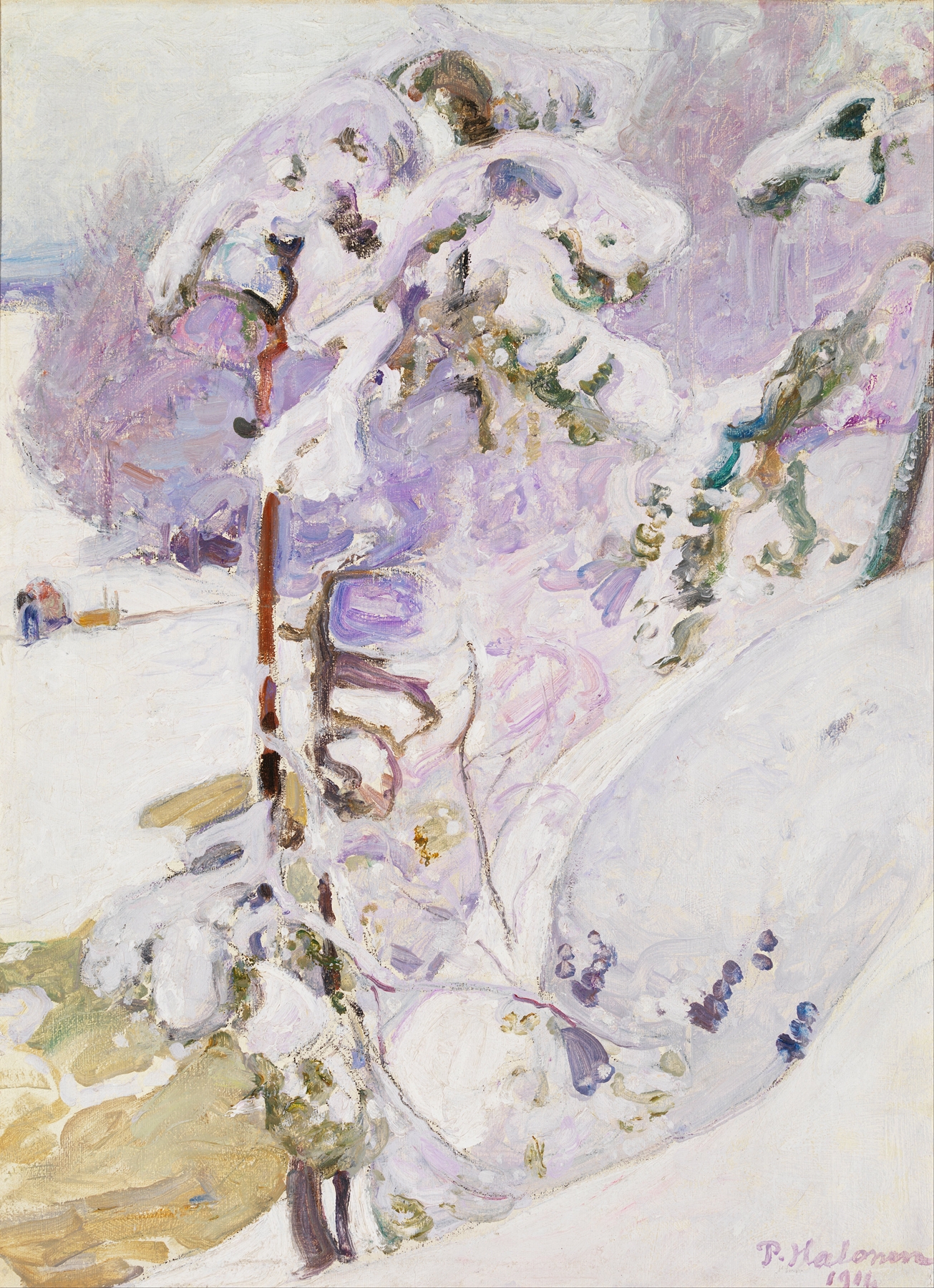
What if silence could speak through light? In Early Spring, the soft, muted palette captures a moment that feels both serene and pregnant with anticipation, echoing the subtle power of nature's awakening. Look to the left at the delicate interplay of soft greens and dusky browns. Here, the artist employs gentle brushstrokes to render budding leaves, inviting you to breathe in the fresh promise of spring. Notice how the sunlight filters through the branches, creating intricate shadows on the ground, a language of light that whispers of the season's renewal.
The composition balances the weight of the trees with the expansive blue sky, allowing the viewer to feel the openness of a world on the brink of change. Beneath the tranquil surface lies a tension between light and shadow, embodying the fleeting nature of time. The soft shadows cast by the trees suggest a whisper of winter clinging on, while the emerging greenery represents the hope of new beginnings. This contrast mirrors the duality of life itself—where endings are merely the foundation for new chapters.
In this quiet but powerful dance, the painting invites reflection on the cyclical nature of existence. Pekka Halonen created Early Spring in 1911, during a period of deep introspection in Finnish art, as the country sought to define its national identity. Amidst a backdrop of political change and a growing fascination with the natural world, Halonen's work reflects both personal and collective renewal. His focus on capturing the essence of the Finnish landscape marked a significant moment in his career, as he embraced the intersection of realism and emotional expression.