Winter Landscape, Myllykylä — History & Analysis
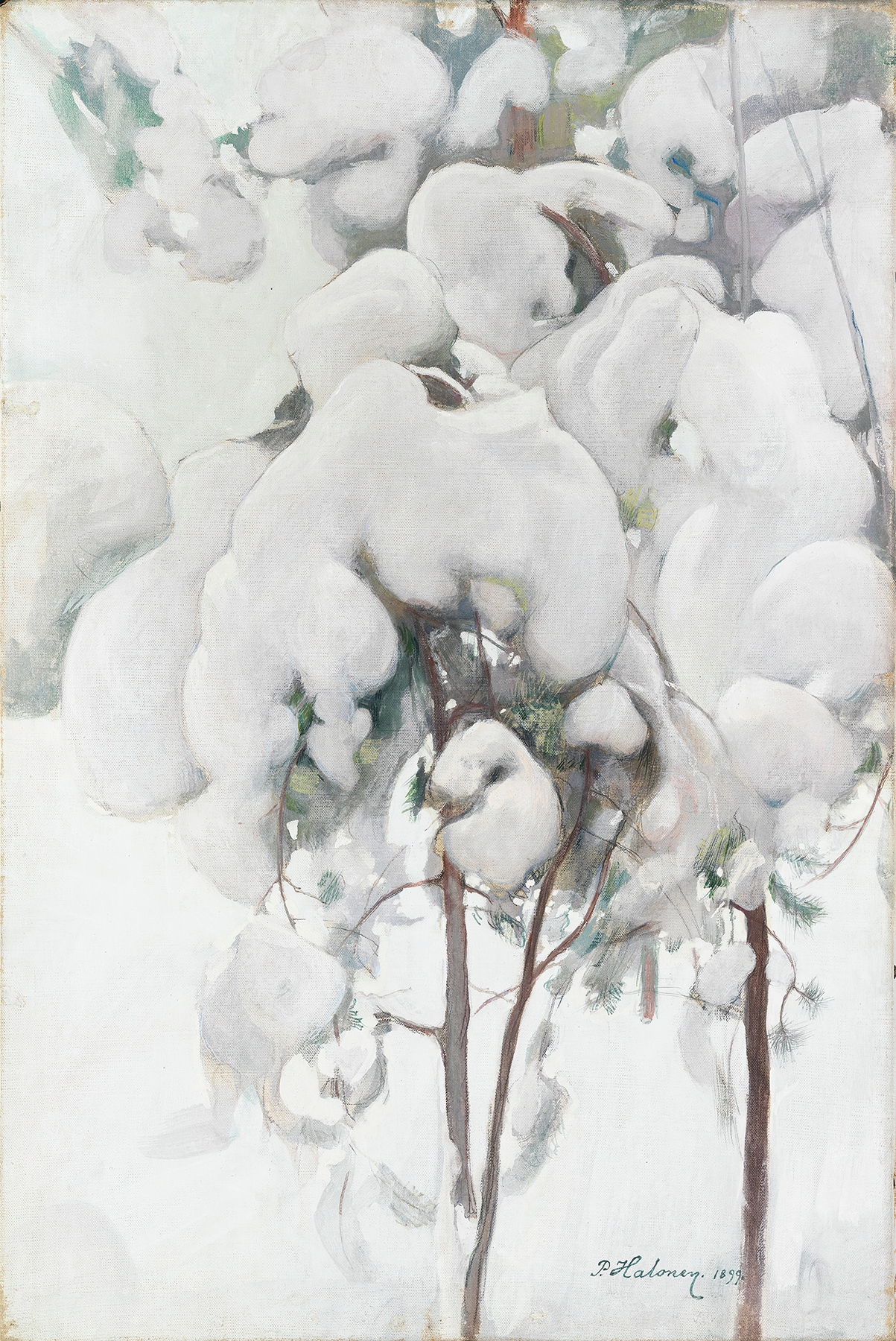
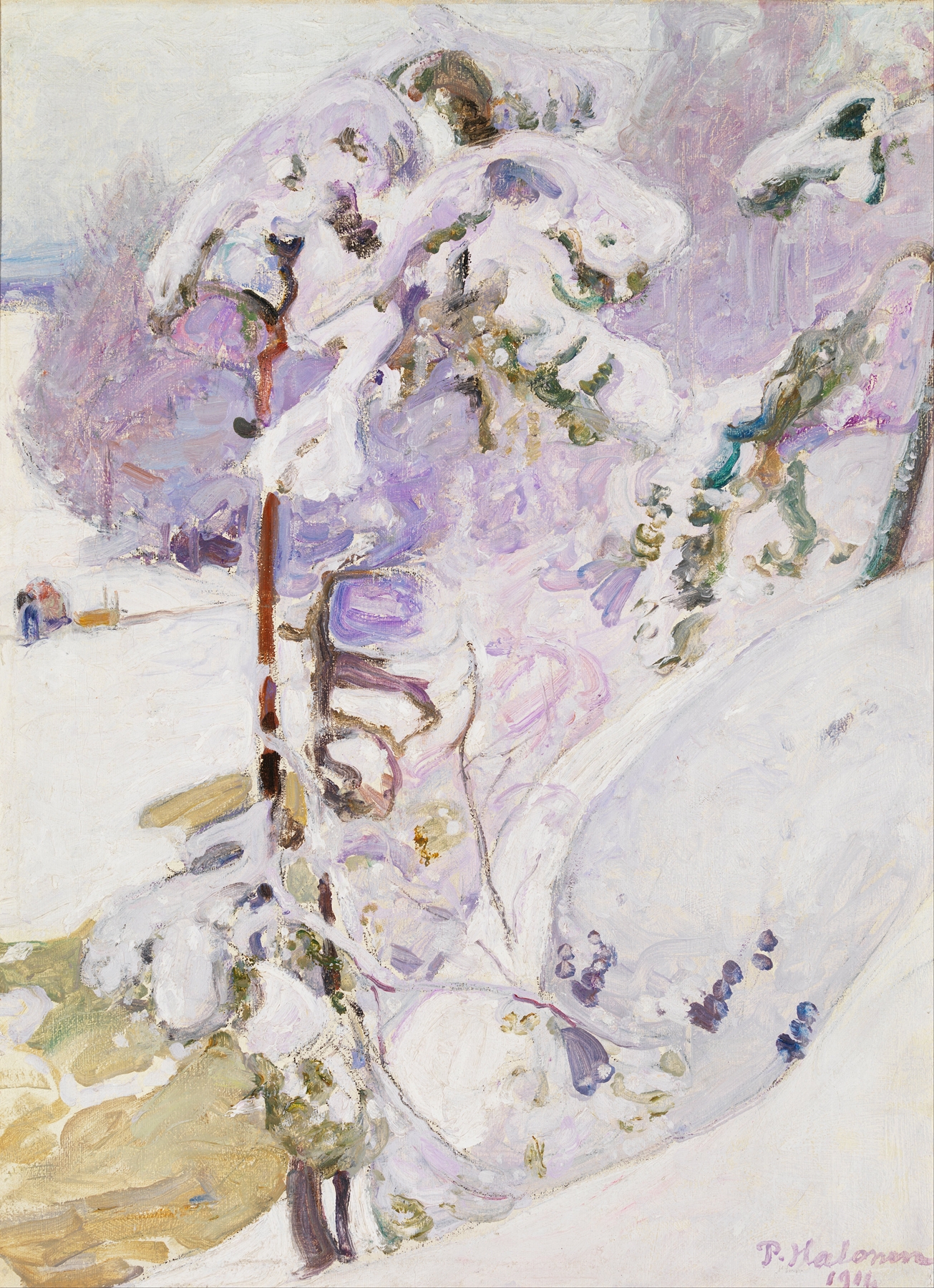
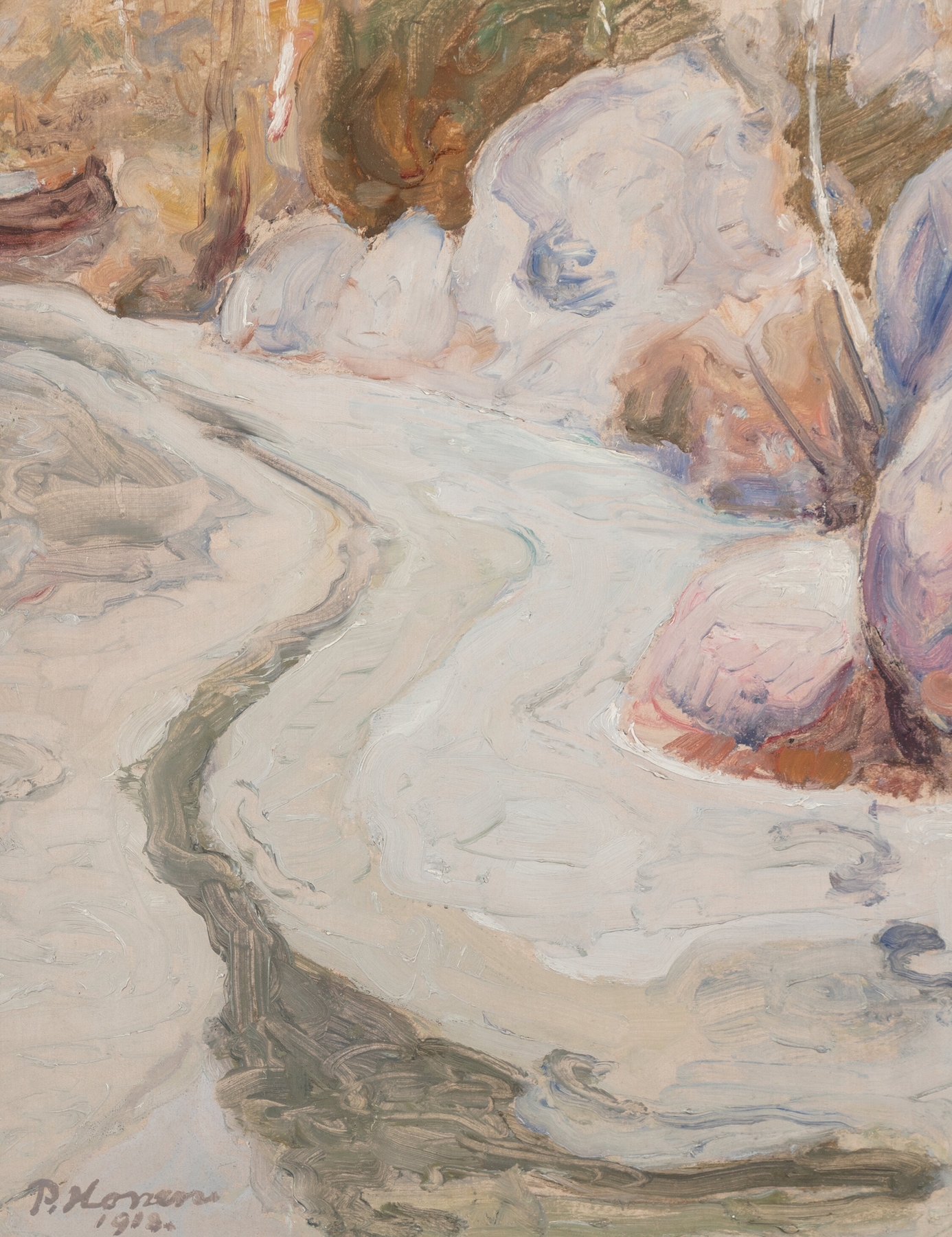
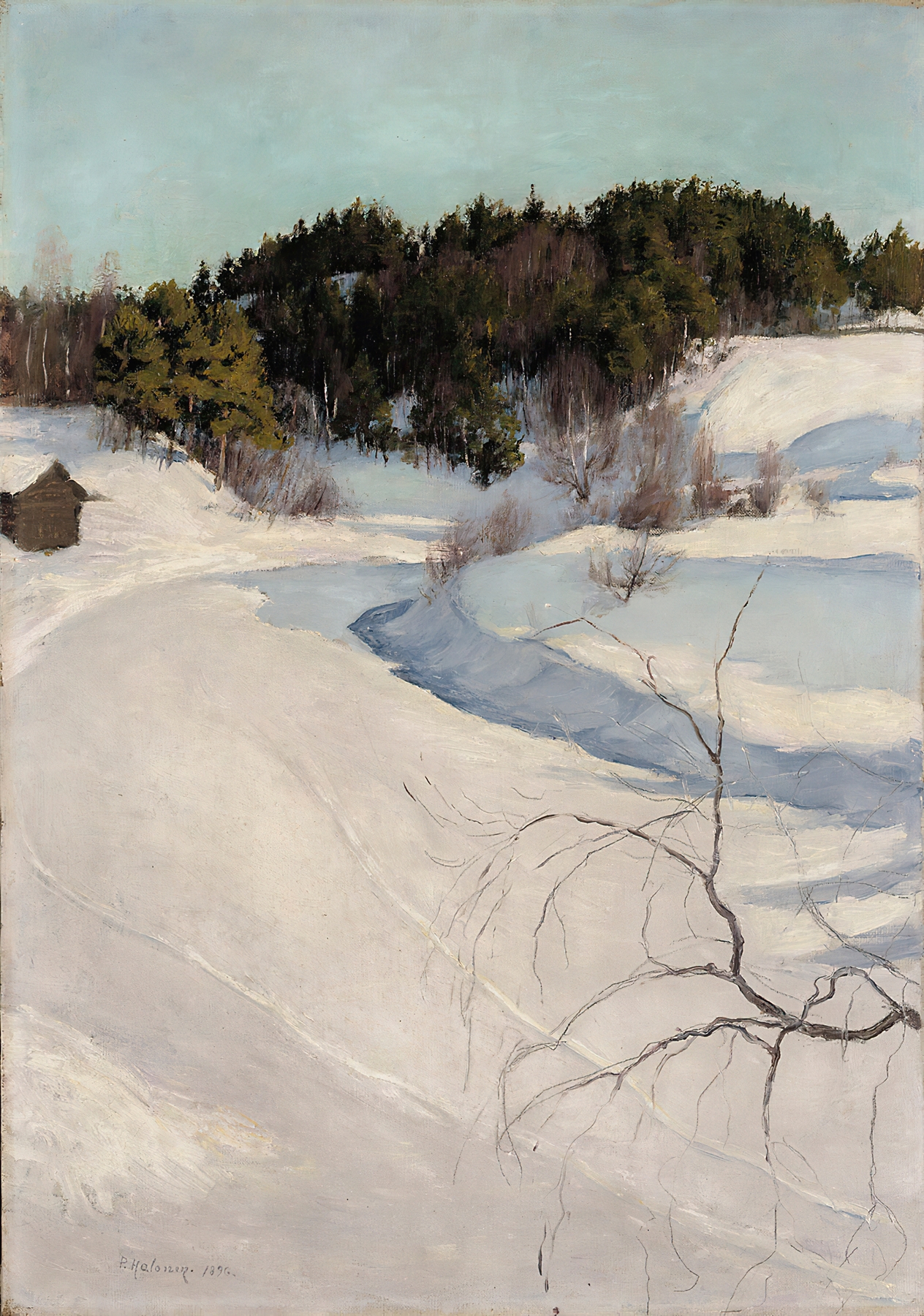
Can beauty exist without sorrow? In Winter Landscape, Myllykylä, the answer lies hidden beneath the snow-laden branches and glistening frost, whispering the coexistence of joy and melancholy. Look to the center, where the tranquil village emerges from a delicate veil of white, its wooden structures nestled harmoniously within the expansive ice-bound embrace. Notice how the soft blues and whites blend, creating a dreamlike atmosphere that invites you into the scene.
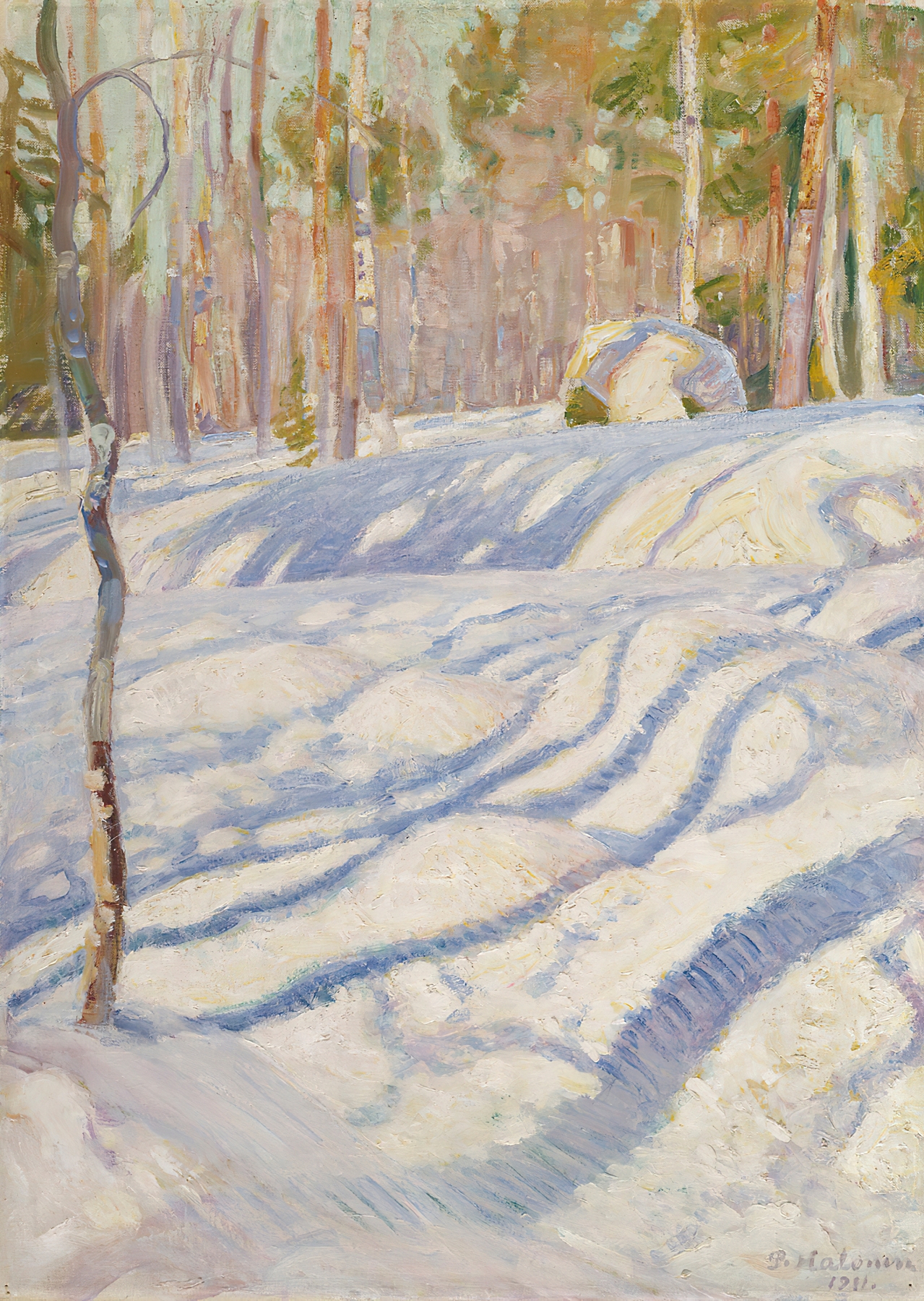
The artist’s brushstrokes flow like gentle winds, capturing the quiet vibrancy of the landscape, while the cool light reflects a serene stillness that wraps everything in a calming glow. Within this idyllic setting, the interplay of light and shadow suggests deeper emotional currents. The stark contrast of the bright snow against the shadowy pines hints at life beneath the surface, while the distant horizon evokes a sense of longing and solitude. Each detail, from the crisp air to the faint tracks in the snow, speaks of nature’s resilience and the silent stories it holds, reminding us that even in beauty, there lies an inherent sadness.
In 1896, Halonen painted this piece in Finland, a country experiencing a surge of national identity and cultural awakening. It was a time when artists began to embrace the Finnish landscape as a subject worthy of exploration, capturing the essence of their homeland amid political and social changes. This work stands as a testament to that era, reflecting both the external beauty of the landscape and the internal struggles of its people.